 @cdarwin@c.im
2026-09-18 21:56:11
The #SantaBarbaraCounty Board of Supervisors took the first step of what promises to be a protracted and historic pivot to pull the plug on all onshore oil development anywhere in Santa Barbara County.
This Tuesday, the supervisors narrowly approved
— by a 3-2 vote —
⭐️a ban on any new onshore oil drilling.
The last time a new drilling proposal was approved took place in…
 @sonnets@bots.krohsnest.com
2026-08-19 11:25:30
Sonnet 006 - VI
Then let not winter's ragged hand deface,
In thee thy summer, ere thou be distilled:
Make sweet some vial; treasure thou some place
With beauty's treasure ere it be self-killed.
That use is not forbidden usury,
Which happies those that pay the willing loan;
That's for thy self to breed another thee,
Or ten times happier, be it ten for one;
Ten times thy self were happier than thou art,
If ten of thine ten…
 @azonenberg@ioc.exchange
2026-09-17 18:41:53
I think the demo board firmware is getting close to... I won't say done, there is always more things I can pack in there, but "good enough to show off at an event".
I've got:
* NRZ PRBS7/31
* 2D-PAM3 PRBS-31
* 1000baseX (no packet generation yet that's my last big TODO)
* QSGMII (also no packet generation yet)
* 100baseTX (working packet generation)
* Various clock/pulse outputs
* UART
* SPI / SPI flash
* Serial RGB LED…
 @macandi@social.heise.de
2026-07-16 10:53:03
 @azonenberg@ioc.exchange
2026-09-17 06:39:22
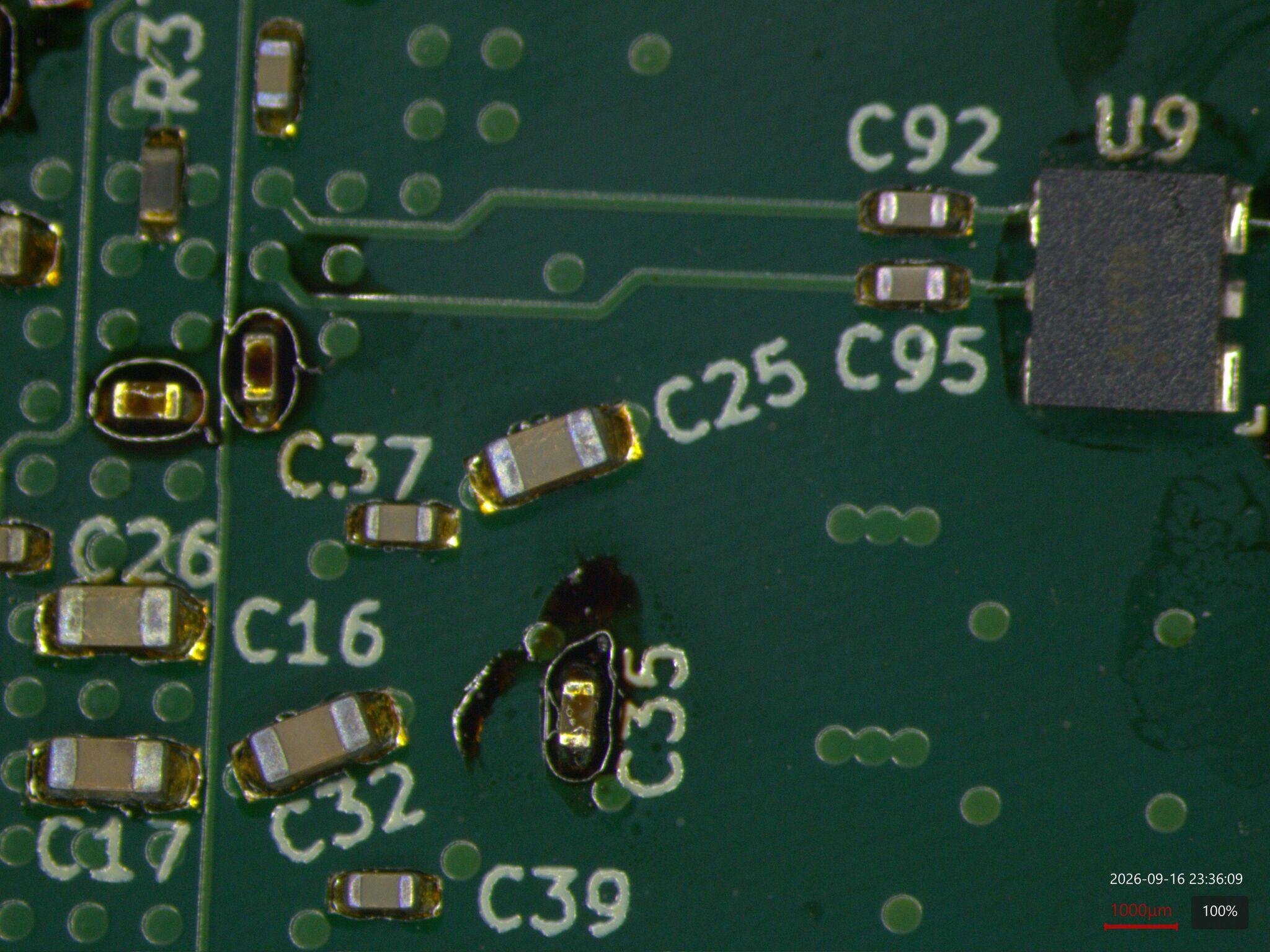
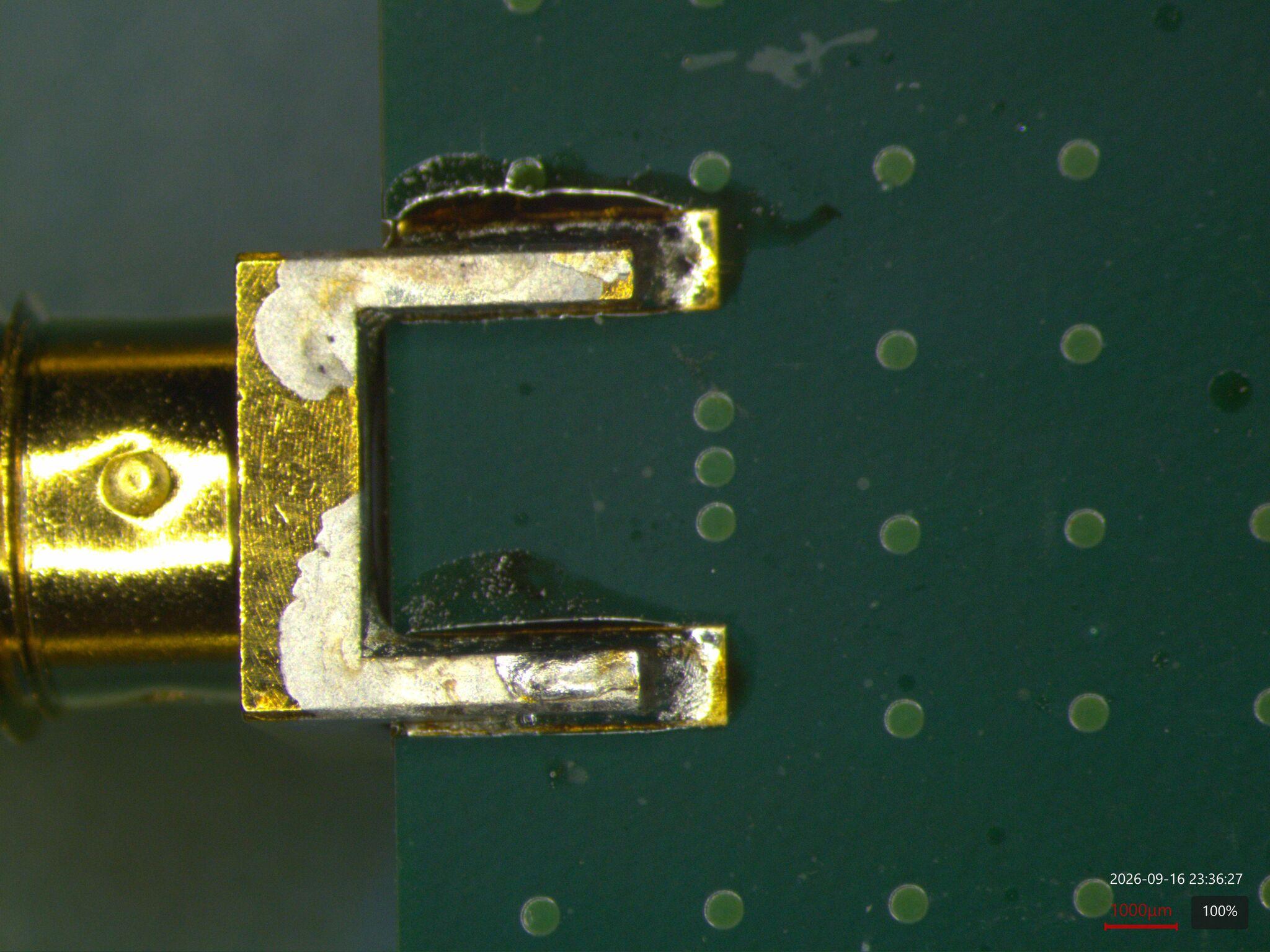
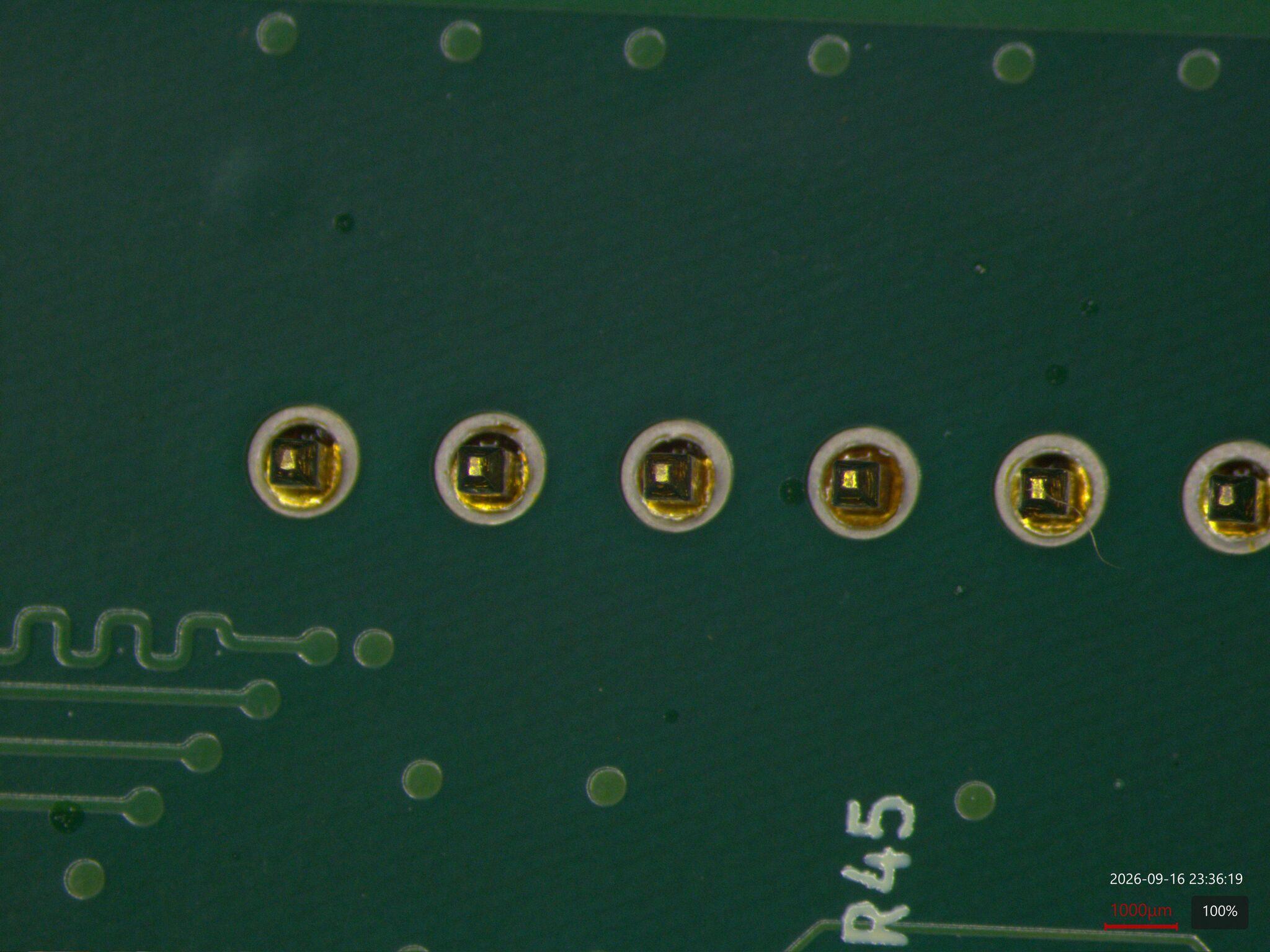
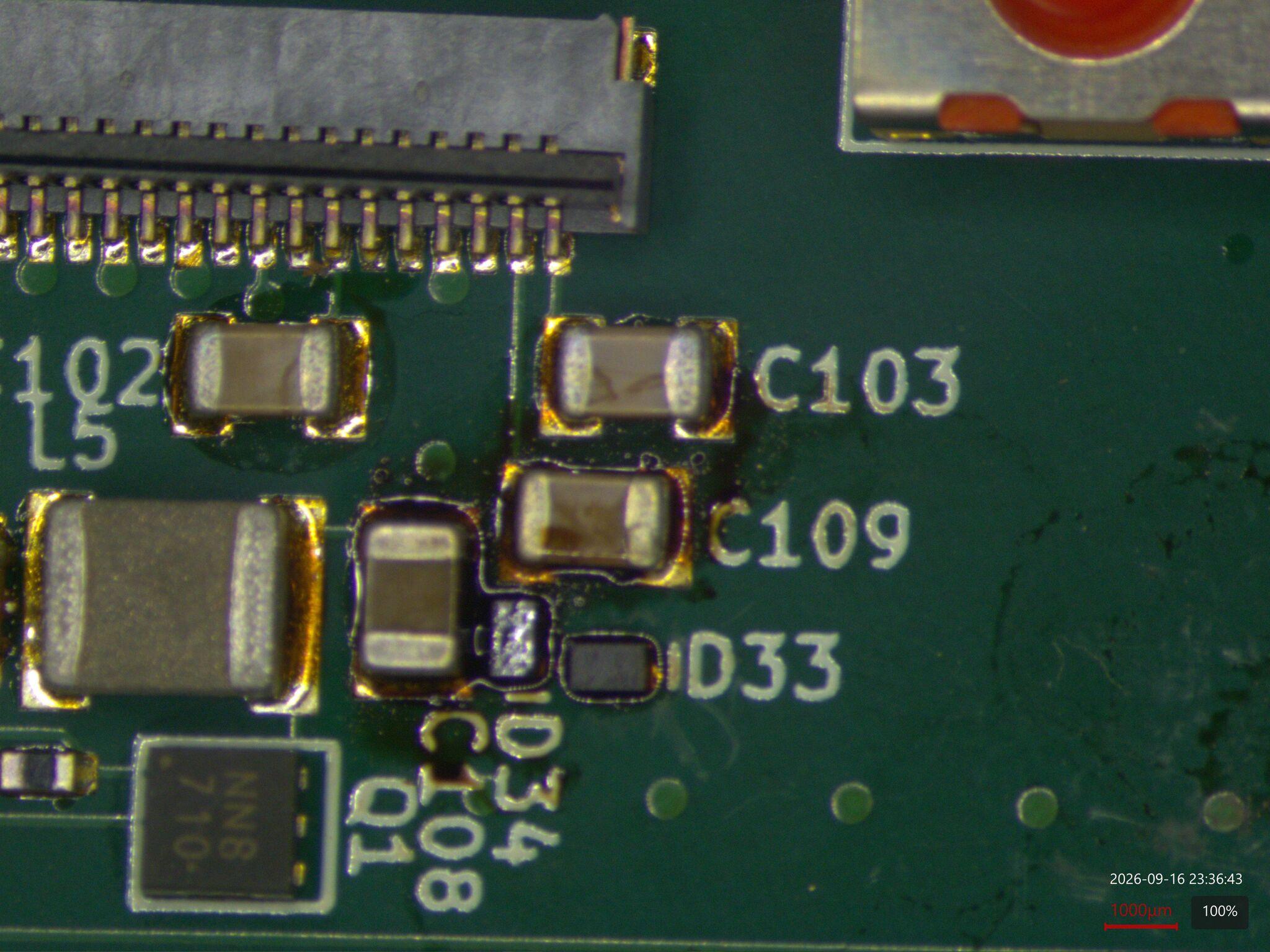
Got the replacement diodes and reworked the probe demo board with the messed up one.
Here it is before defluxing. A lot of hand soldering and rework on this one plus two extra oven cycles so it's pretty ugly, let's see how it cleans up in SWAS. Gonna give it an extra good scrub since it's so messy
 @stargazersmith@social.linux.pizza
2026-08-11 00:49:37
 @penguin42@mastodon.org.uk
2026-07-10 14:07:59
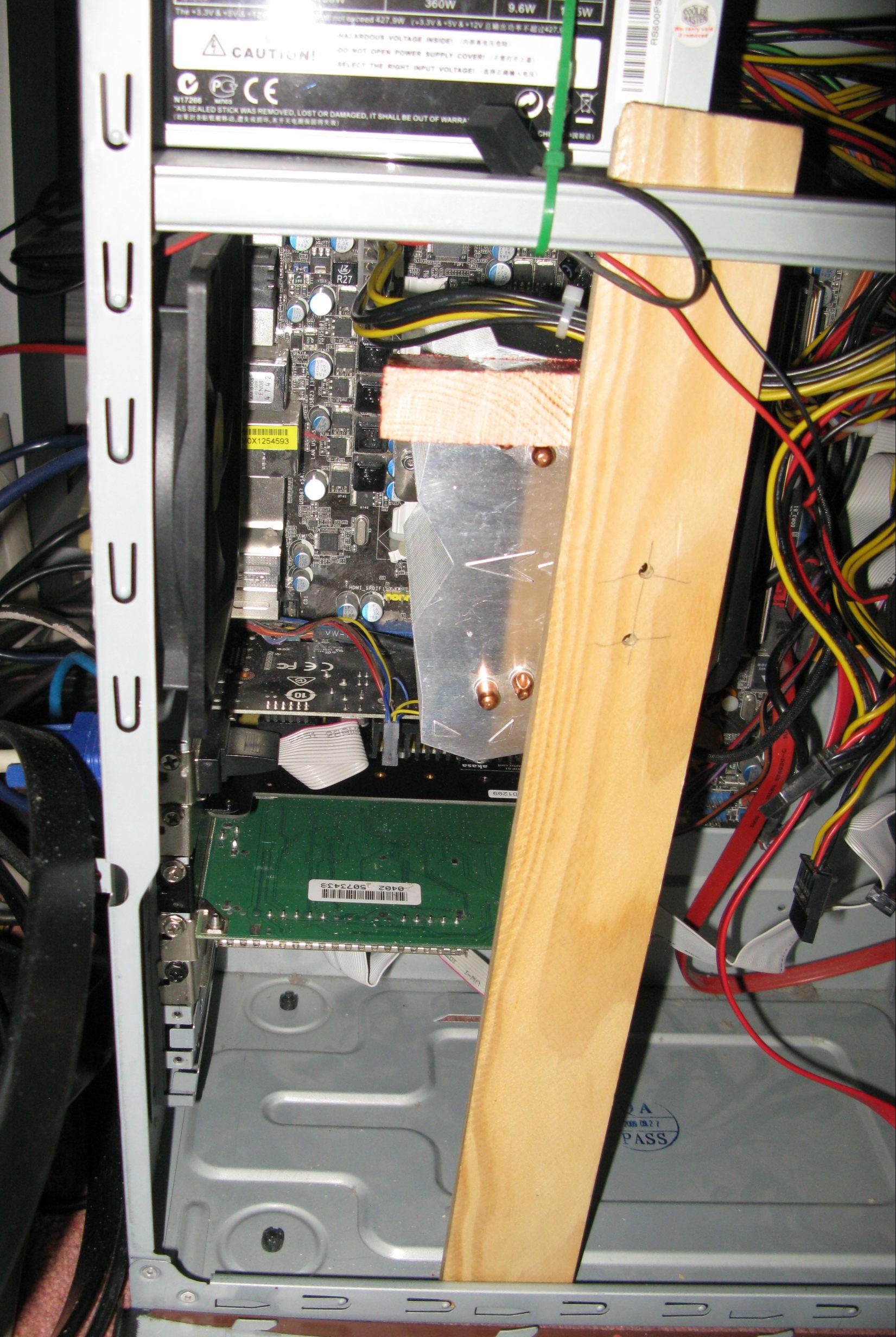
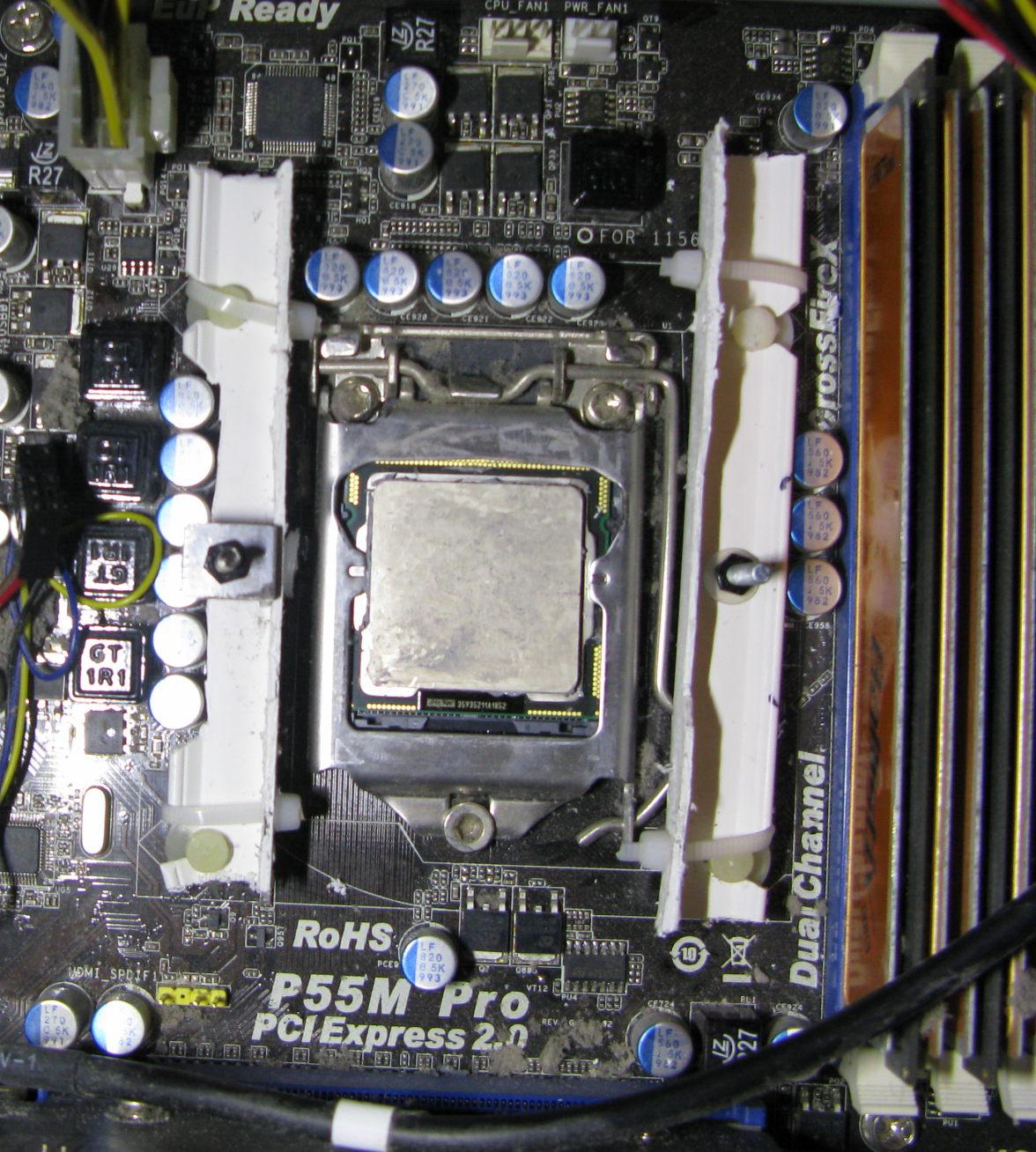
That PC whose fan dropped off the other week has been bodged into working. I used a couple of plastic strips and motherboard mounts to hold them to the board with screws in the right place for the heatsink; but I found it needed more pressure on the fan for it to make good contact with the CPU, especially at the top; so outcomes the wood. This is working reasonably well; although the wedge positioning is a bit touchy to get it right.
 @stefanlaser@social.tchncs.de
2026-09-12 13:34:57
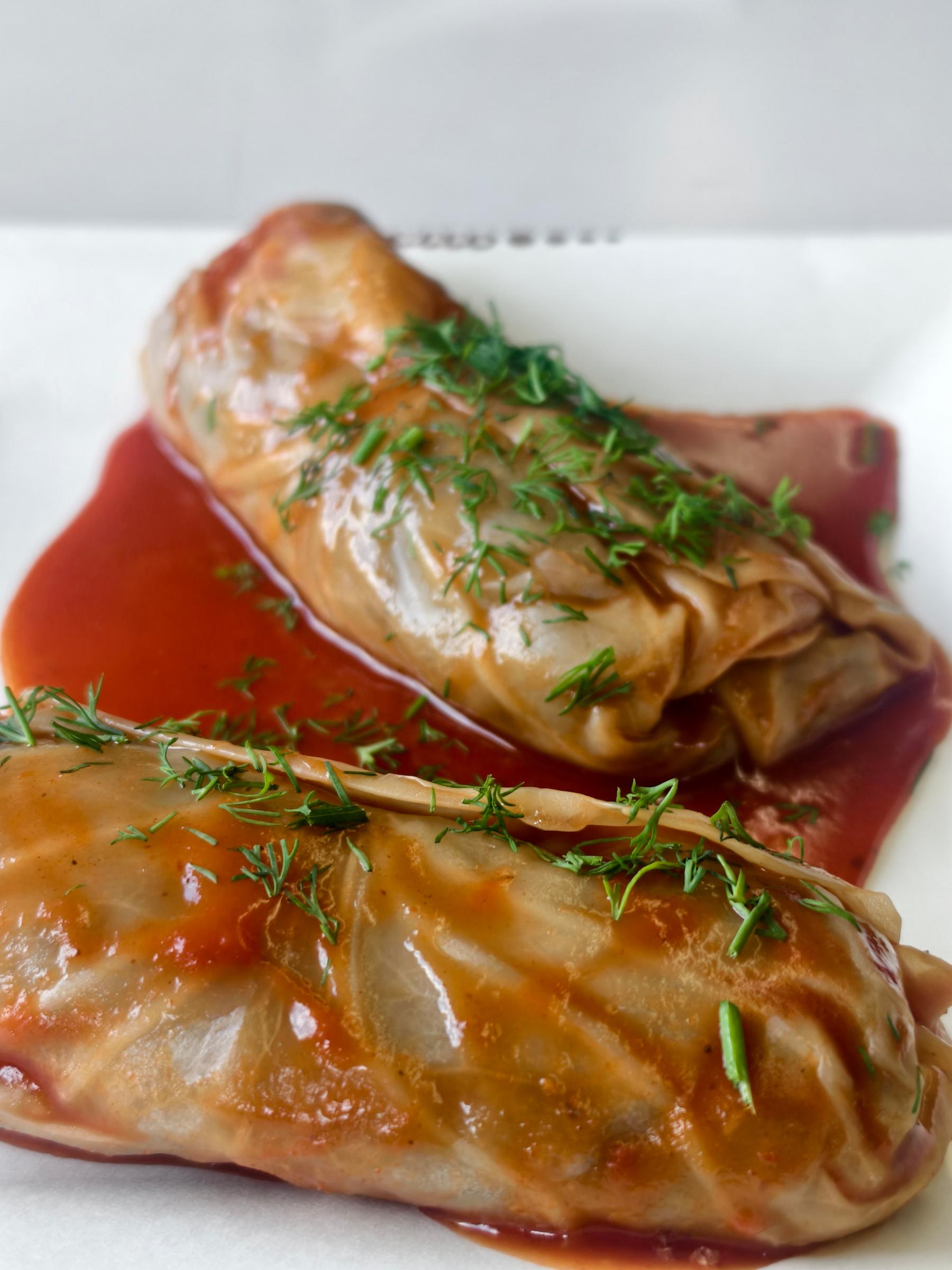
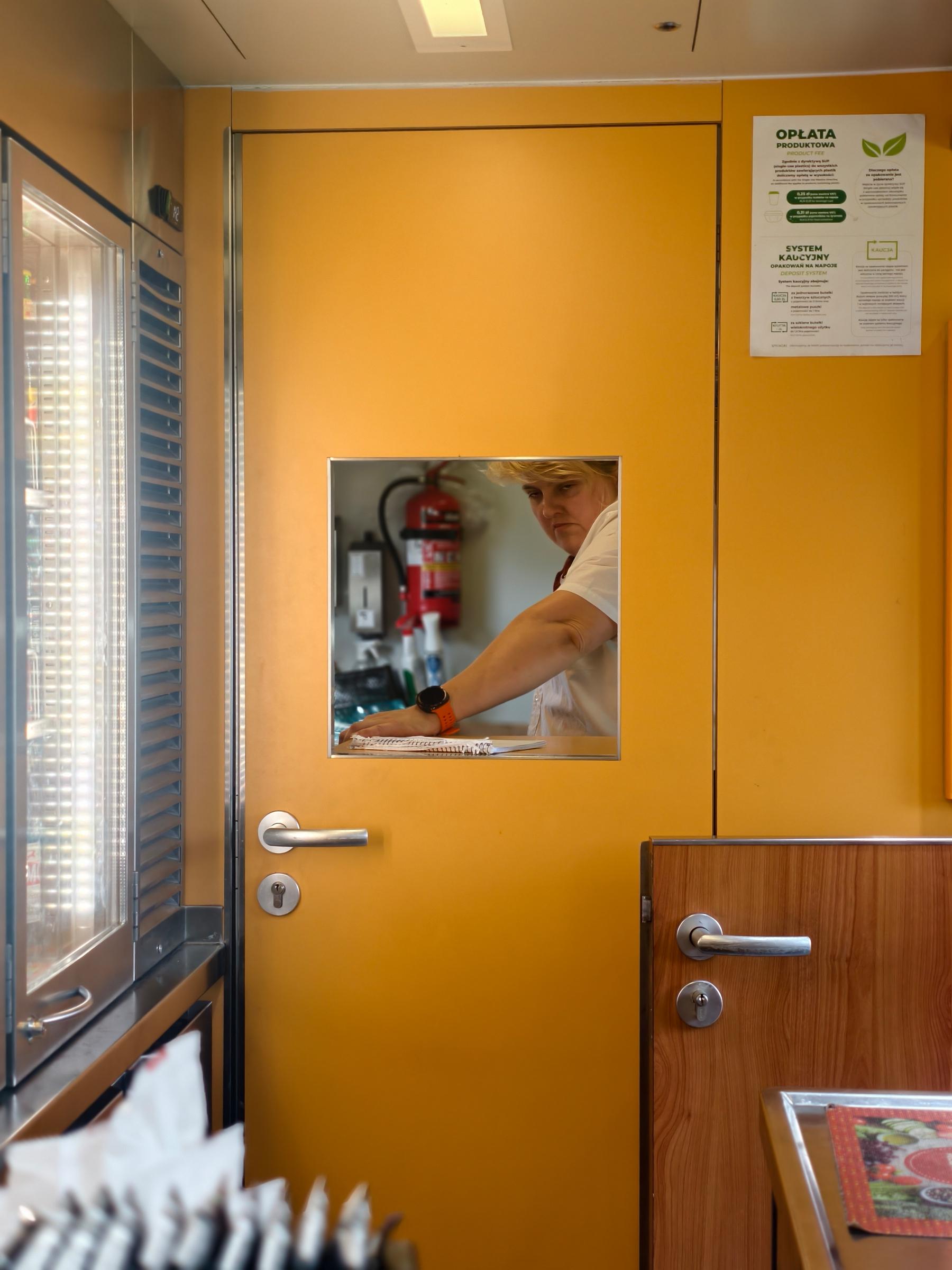
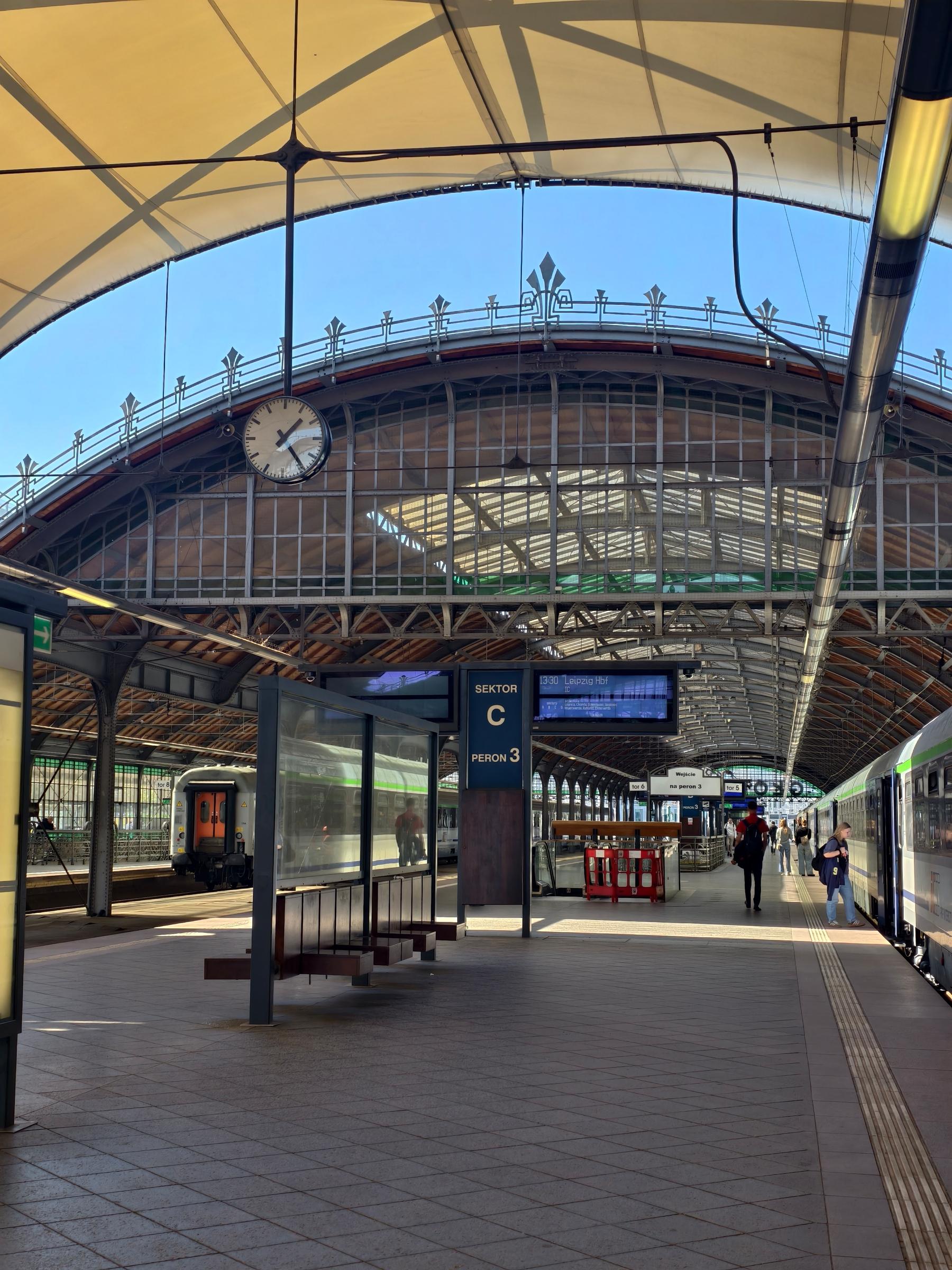
#FlyingLess puts you in iconic #trains, like this Polish-German InterCity. That’s a decent way to end the #EAAST conference. Including, of course,
VEGAN CABBAGE!🥬
 @cdarwin@c.im
2026-08-14 20:28:38
BBC lawyers want to subpoena Donald Trump Jr., Ivanka Trump and Jared Kushner for both documents and deposition testimony
-- arguing all three have direct knowledge of Trump's intentions behind his January 6, 2021, speech at the Ellipse.
Citing testimony gathered by the House January 6 Committee, the BBC claimed Trump Jr. and Ivanka were present as their father revised the speech and were with him when he delivered it,
while Kushner reportedly drafted a statement condem…
 @azonenberg@ioc.exchange
2026-08-14 12:40:35
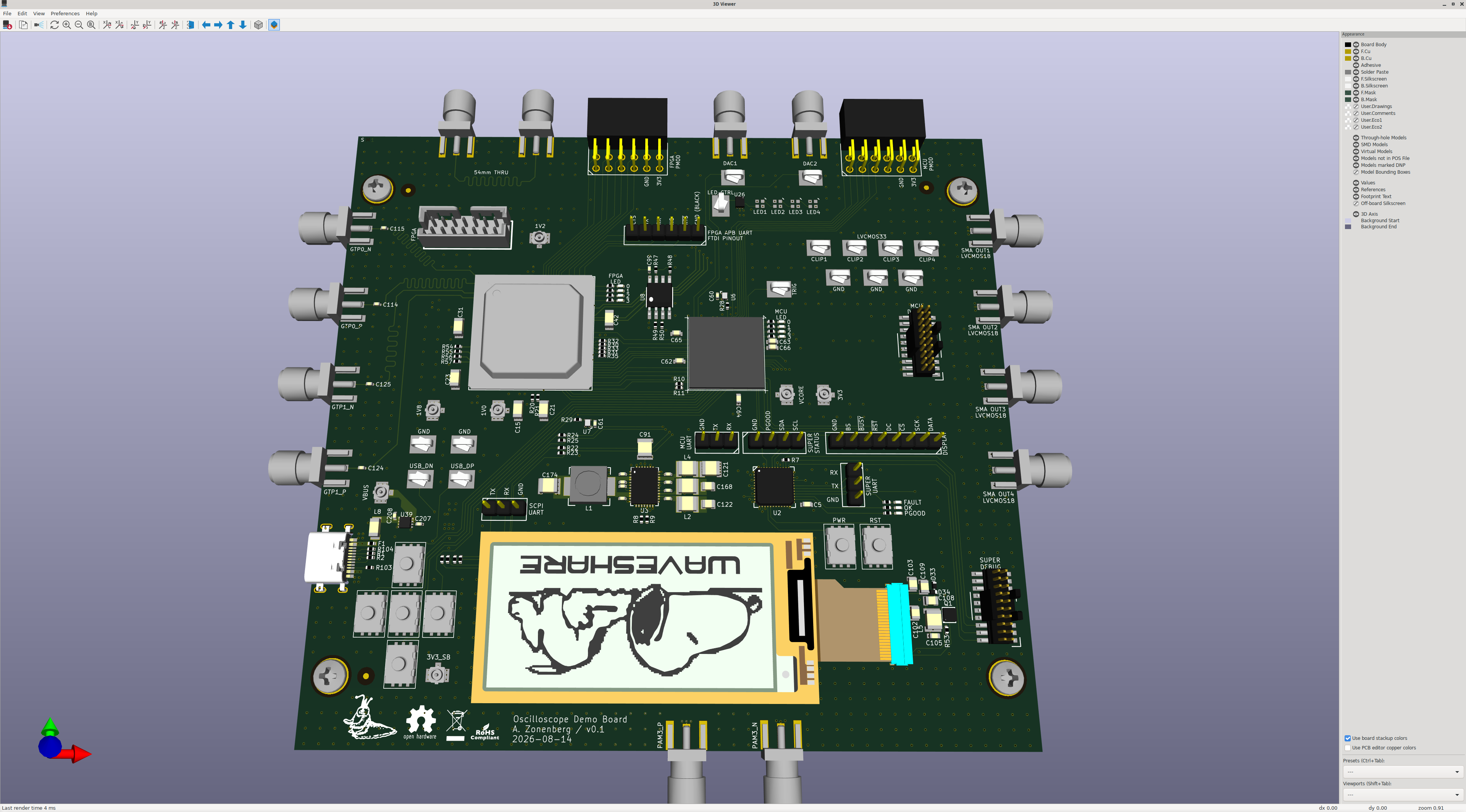
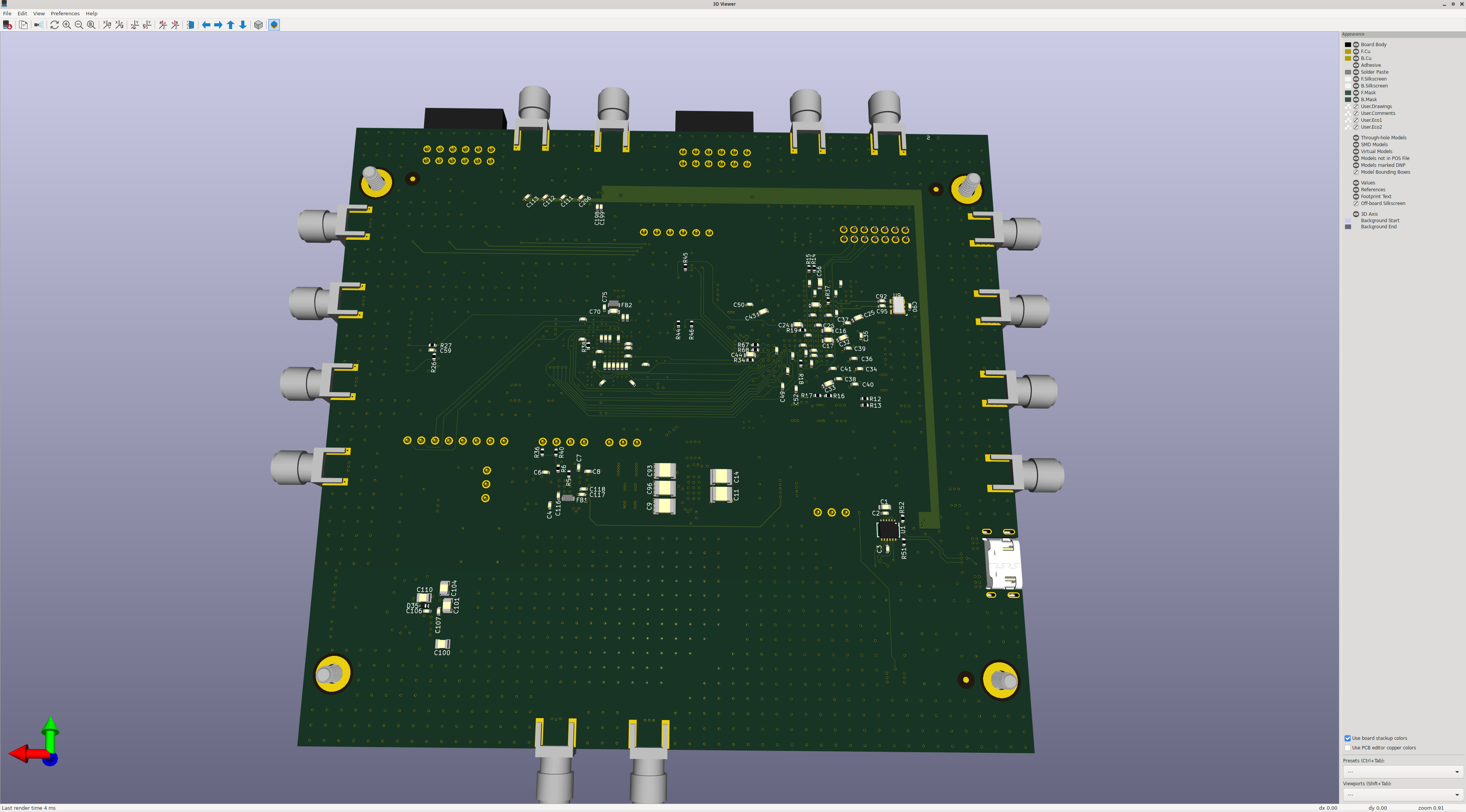
Final probing demo board ready to go to fab, unless anyone else finds something in the next couple hours.
Two 6 Gbps TX-only transceiver lanes, two low speed DAC outputs, four LVCMOS18 GPIOs on SMAs, four LVCMOS33 outputs on probe clips, and a MLT3/PAM3 output on SMAs. Plus test points on all the power rails and the USB.