 @Mediagazer@mstdn.social
2026-02-18 09:10:50
News Literacy Project survey: 84% of US teens describe news media negatively, and 94% think news or media literacy should be part of their education (Diane Sylvester/Editor and Publisher)
https://www.editorandpublisher.com/stories

 @cdarwin@c.im
2026-03-12 19:34:42
The messaging coming from the White House increasingly reflects an “America, fuck yeah!” approach to international politics
– a phrase from the theme tune of "Team America: World Police",
the 2004 satire by the creators of South Park, which mocked the thrusting militarism of the Bush administration’s war on terror.
For those who don’t remember,
the film follows a crack squad of puppet soldiers as they blast their way around the world,
pursuing bad guy…

 @EarthOrgUK@mastodon.energy
2026-04-17 12:18:38
A friend notes how fragmented, consumer-driven distributed energy is creating a coordination gap across the system. See his LinkedIn post:
https://www.linkedin.com/posts/activity-7450505389399293952-pU-B/
 @Techmeme@techhub.social
2026-03-30 05:20:47
Emails, texts, and NTSB reports show Waymo and an Austin school district struggled for months to train robotaxis to stop for school buses as required by law (Aarian Marshall/Wired)
https://www.wired.com/story/a-school-district-…

 @Dragofix@veganism.social
2026-04-11 20:34:09
Scientists warn UK biodiversity report may distort evidence with security framing #UnitedKingdom

 @doktrock@toad.social
2026-03-10 04:05:53
"Why $100 Oil Isn’t Going to Spark a New Shale Boom"
"So far, nothing has changed for us...even missile strikes aren’t shaking off the lethargy in oil right now."
https://oilprice.com/Energy/Crude-Oil/Why-100-Oil-Isnt-Goi…

 @lpryszcz@genomic.social
2026-04-14 05:22:38
> fight the coming crises by spending, not cutting
It seems (neo)liberal democracy with its idea of running a state as a business (cutting public services by making them lean/profitable or even privatizing crucial ones such as healthcare, education) is driving the rise of populism leading to extremists/fascists governments in the future...
 @nfdi4culture@nfdi.social
2026-03-13 12:31:01
❓Wie können Musikwissenschaftler:innen mit einem Knowledge Graph interagieren und relevante Informationen abrufen, ohne SPARQL-Expert:innen zu sein?
🤩 Wir freuen uns diese Frage mit euch im Rahmen einer Data Challenge zu diskutieren!✨Und in Kooperation mit dem @…
✨ From Notes to Nodes – Develop an AI-driven explor…

 @lapizistik@social.tchncs.de
2026-03-30 10:14:30
I am late to the party, but up to now I just thought: well, search is getting worse all over the place, and at least since Google became Alphabet it is only about the money. But “The men who killed Google”¹ explains how this was deliberate, how driven by (short-term) shareholder value increase they actively made search worse. Ant that there was an internal fight – and now Google is far away from “don't be evil”.
__
¹

 @compfu@mograph.social
2026-02-08 11:53:06
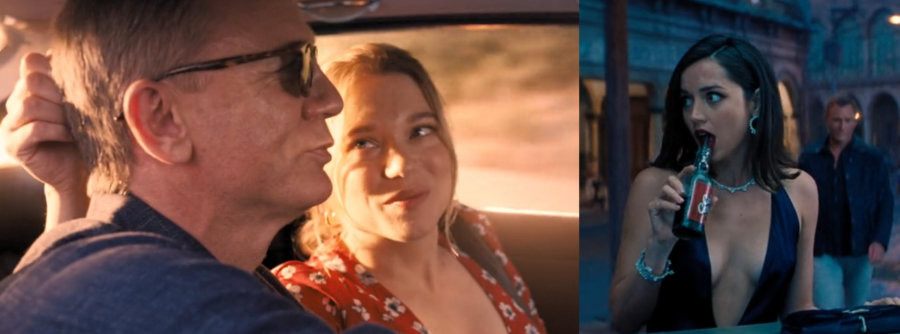
#JamesBond "No Time to Die" (on Netflix right now) feels not of this world. It starts with an old man who's sleeping with a woman that could be his daughter. Then he's hitting on a woman who looks even younger. But I understand why he is confused. After all, the latter woman is basically naked.
I know James Bond was always about cars and ladies. But come on... that's …