Tootfinder

Opt-in global Mastodon full text search. Join the index!

@aral@mastodon.ar.al
2026-07-19 10:50:21

O&C – ownership and control – *that’s* the lens by which we should be evaluating data and technology.
Who owns and controls data and technology?
If we want a fair, just world with human rights, freedom, and democracy, the answer to that question must be twofold:
1. Data about and technology for the commons must be owned and controlled by the commons.
2. Data about and technology for people must be owned and controlled by individuals.
That’s it.
Notice …

@seeingwithsound@mas.to
2026-05-18 09:00:17

"At the 9th International Samsung Smart Mobility Summit in Israel, Elon Musk announced Neuralink's plans for the first human implant of the 'Blindsight' chip later this year, aimed at restoring vision for the blind."

@hex@kolektiva.social
2026-07-18 14:11:04

I keep seeing the "cars replaced horses" thing related to "AI."
People keep comparing "AI" to cars (positively) without thinking about the fact that cars were forced on people (AAA bought up and destroyed tram lines, there were massive protests, etc), and are the primary driver of climate change that is currently on track to make complex human society impossible. Meanwhile, cities that weren't destroyed for cars, or that have reversed most of the damage, are some of the most desirable places to live.
Maybe we could take the car analogy as a warning. Maybe it could be a reminder to think about how forcing technology on people against their will can reshape society in a profoundly negative way.
The answer for cities has been to right-size transit. Eliminate cars wherever possible, maintain emergency vehicles and mobility aids, and find more efficient alternatives (bikes, trams, metros, and trains) where possible. I feel as though we can extrapolate from the metaphor.
We do not have to repeat the mistake of reshaping society around a single, oversimplified, solution in order to benefit a tiny minority. Perhaps we can actually choose the right technologies based on use cases, rather than hype or dogma.
Cars didn't replace horses. Cars replaced walkable cities, tram lines and mass transit, and children playing in the streets.
"Cars replaced horses" to the benefit of a small group of elite men, at tremendous cost to literally everyone else. When people say, "AI is the new 'cars replacing horses'" they are saying something very specific about their privilege and intentions.

@wraithe@mastodon.social
2026-05-18 15:03:10

I was frustrated by having to yell at the Wendy’s drive through AI order taker to let me talk to a human.
Then I figured out One Simple Trick that made it a breeze:
Stop going to Wendy’s.
bsky.app/profile/did:plc:7exlc

@ocrampal@mastodon.social
2026-07-16 14:46:49

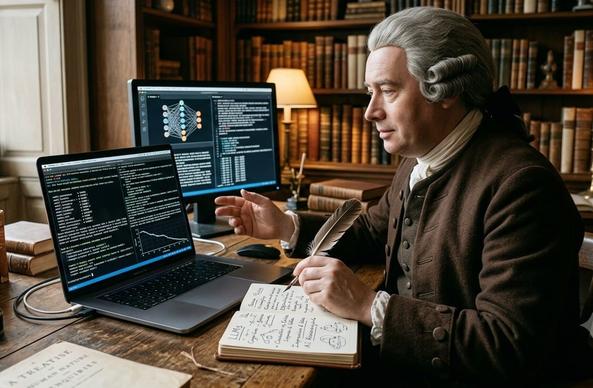
Imagine living in the mid-1700s. A powerful new technology has just swept the intellectual world: Newtonian physics. If we can calculate the orbit of Jupiter, why can't we calculate human morality?
ocrampal.com/when-david-hume-m

@seeingwithsound@mas.to
2026-06-17 13:10:06

#Paradromics and University of Michigan complete first #Connexus BCI implantation for the FDA-approved Connect-One clinical study

@netzschleuder@social.skewed.de
2026-06-18 19:00:04

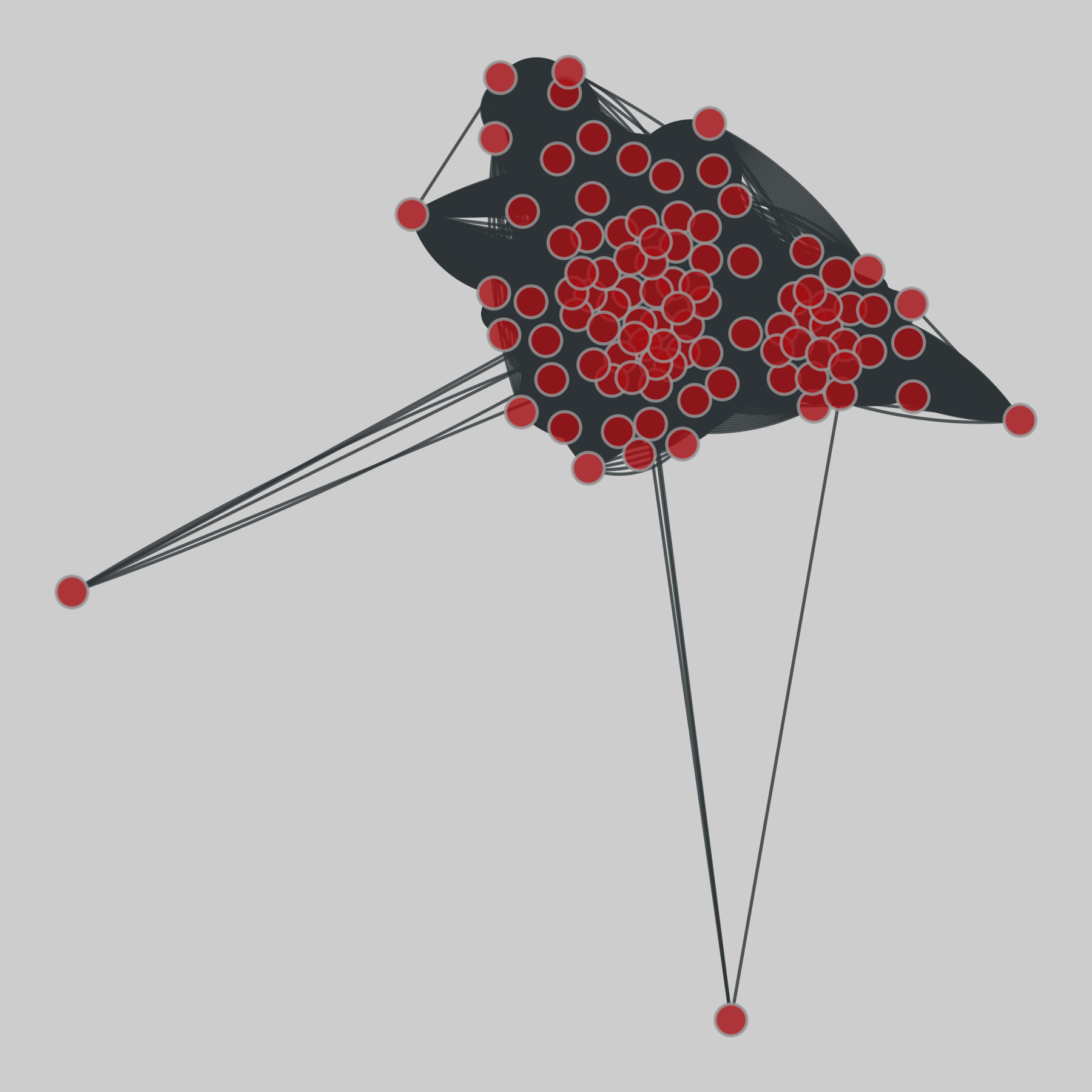
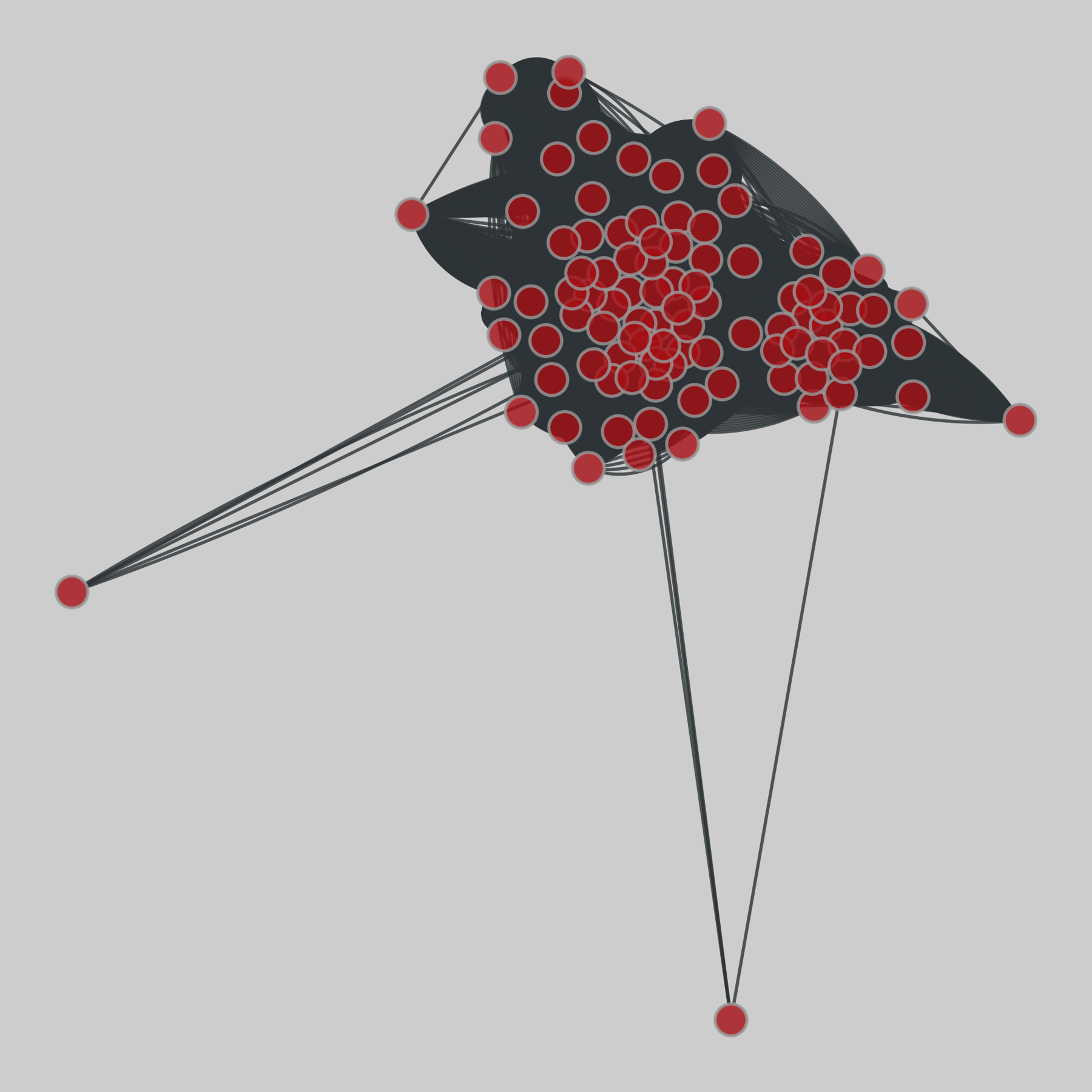
reality_mining: Reality mining proximity network (2004)
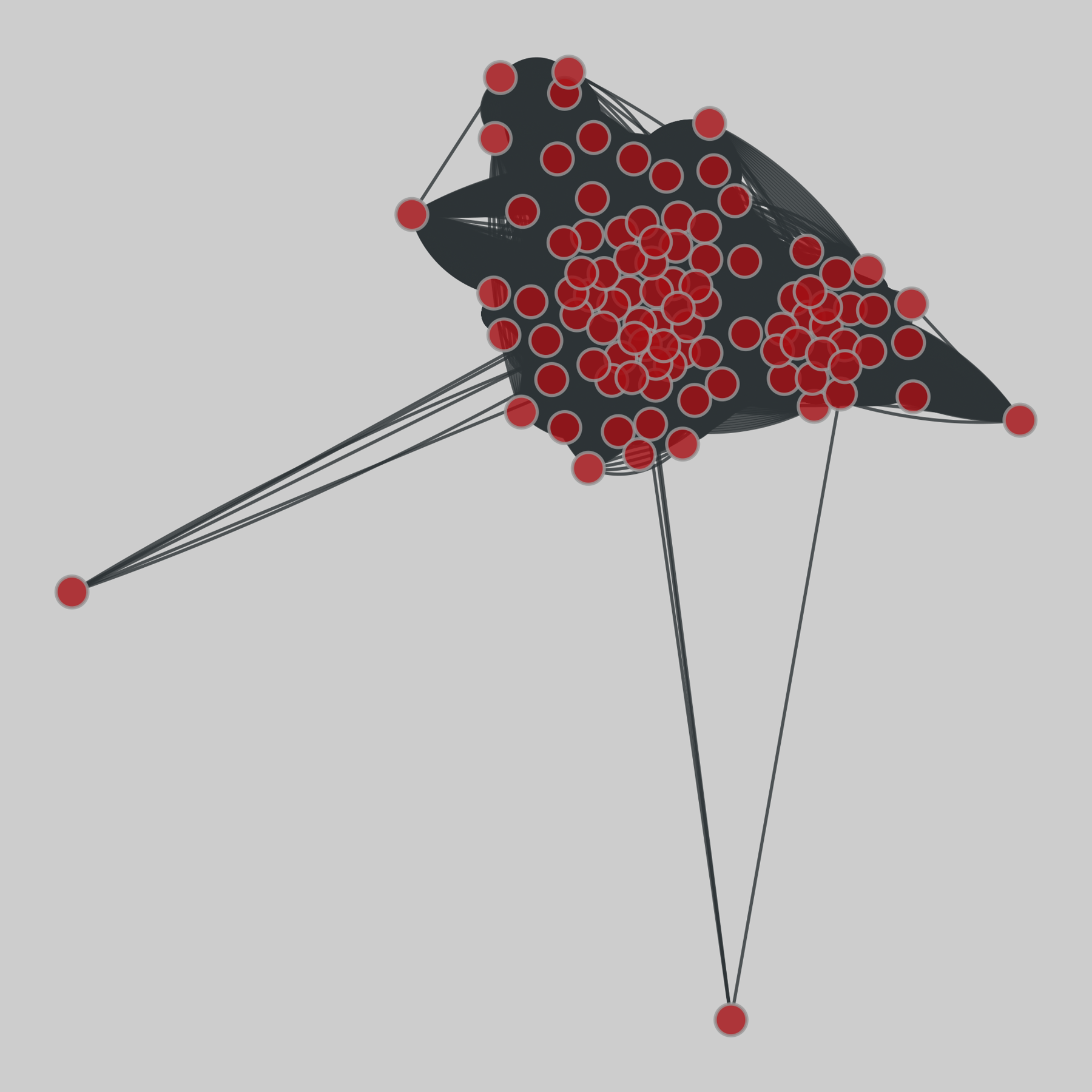
A network of human proximities among students at Massachusetts Institute of Technology (MIT), as measured by personal mobile phones. Nodes represent people (students from the Media Lab and the Sloan Business School) and an edge connects a pair if the two devices made a Bluetooth handshake at the time. Edges are timestamped.
This network has 96 nodes and 1086404 edges.
Tags: Social, Offline, Unweighted, Timestamps

reality_mining: Reality mining proximity network (2004). 96 nodes, 1086404 edges. https://networks.skewed.de/net/reality_mining
@Techmeme@techhub.social
2026-06-08 02:51:42

Microsoft says it will tighten human rights controls when working with national security agencies after an inquiry found Israel's Unit 8200 violated its ToS (The Guardian)
theguardian.com/technology/202

@netzschleuder@social.skewed.de
2026-07-17 16:00:07

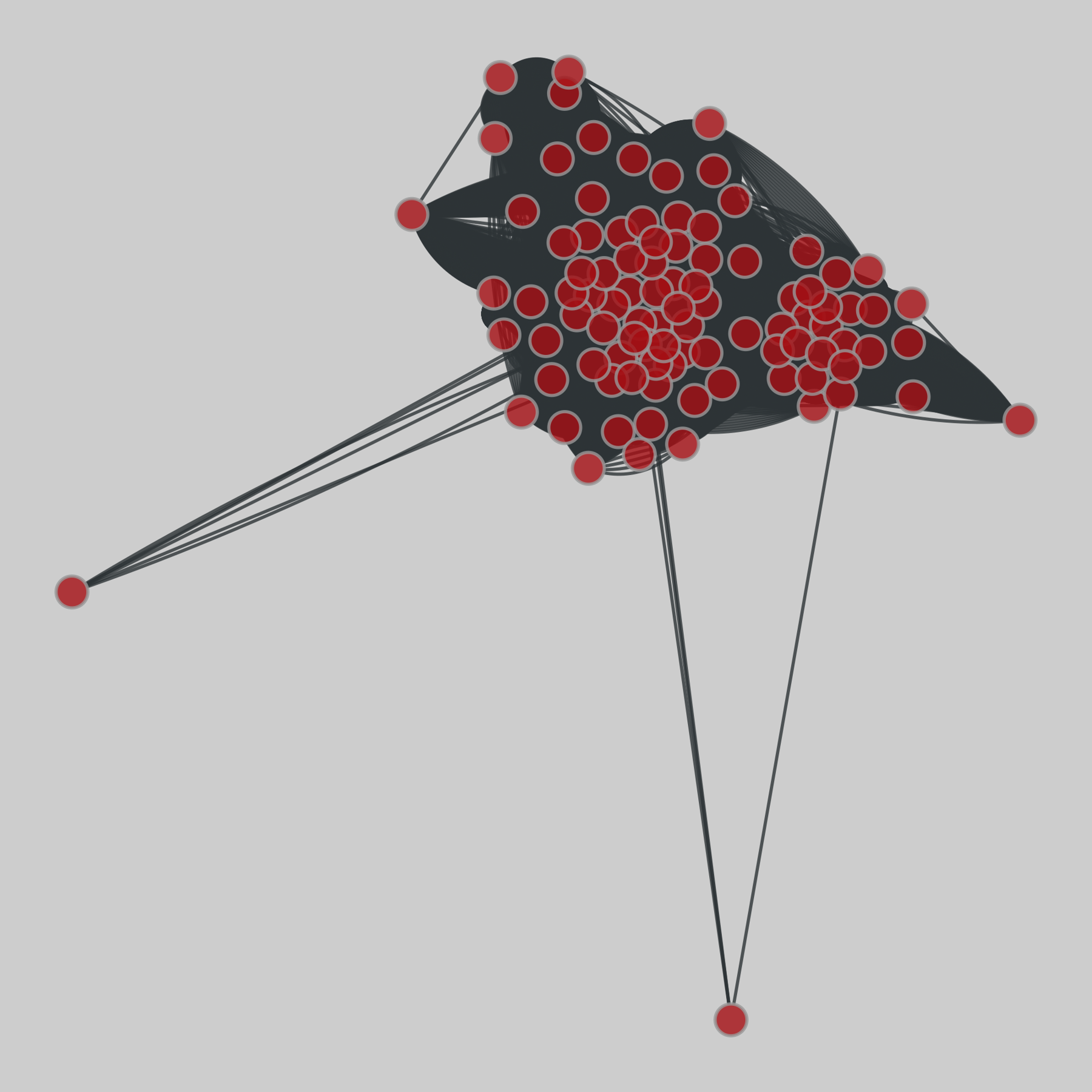
reality_mining: Reality mining proximity network (2004)
A network of human proximities among students at Massachusetts Institute of Technology (MIT), as measured by personal mobile phones. Nodes represent people (students from the Media Lab and the Sloan Business School) and an edge connects a pair if the two devices made a Bluetooth handshake at the time. Edges are timestamped.
This network has 96 nodes and 1086404 edges.
Tags: Social, Offline, Unweighted, Timestamps

reality_mining: Reality mining proximity network (2004). 96 nodes, 1086404 edges. https://networks.skewed.de/net/reality_mining
@seeingwithsound@mas.to
2026-05-15 07:04:17

Neuralink and beyond: How BCIs are rewriting the future of human-technology interaction theweek.in/health/cover/2026/0

As the implementation of AI disrupts dozens of industries,
it isn’t surprising that a crop of recent television shows and movies are depicting the villainy of this rapidly changing technology.
After all, screenwriters have been at the forefront of this fight. 
“We were on the front lines as both the people who are being stolen from,
and the people whose work is being used to eliminate them,”
Carolyn Lipka, who co-wrote Hacks’ QuikScribbl episode, told The Flytr…

@seeingwithsound@mas.to
2026-07-17 09:07:30

Human-machine learning boosts noninvasive brain-computer control in untrained users techxplore.com/news/2026-07-hu "working on noninvasive brain-computer interfaces (BCIs) to develop technology that is…

Human-machine joint learning framework, experimental paradigm, and session structure.
@cosmos4u@scicomm.xyz
2026-06-03 16:30:48

Terrestrial #SpaceWeather Protection Through Human-Produced Mass-Loading: agupubs.onlinelibrary.wiley.co -> "The results demonstrate that with modern technology, the intensity of a major geomagnetic storm [...] could be actively reduced by 50% or more, protecting technology and human life" -> Radical proposal would block solar storms with orbital ‘airbag’: science.org/content/article/ra

@thomasfuchs@hachyderm.io
2026-05-06 17:24:03

It's like clockwork that people feel the urge to bash Apple when you criticize Google.
Apple is certainly not without fault, but they're the only big tech company who gives a shit about privacy.
They also usually aren't sacks of shit to their customers and they are actually driving technology forward to be more useful to human beings (e.g. M-series chips).
Plus they're not cramming "AI" into everything. It's entirely optional to use any of the "Apple Intelligence" stuff and their operating systems are supported on hardware that doesn't even allow running it.
¯\_(ツ)_/¯
Adddendum: I will block you if you fart Apple-bashing toots into my replies.

@wraithe@mastodon.social
2026-05-13 20:52:10

OK, THIS is cool technology. Grain Weevil!
bsky.app/profile/did:plc:r643q

@sciamiko@esperanto.masto.host
2026-05-24 08:04:09

Tradukistoj kaj AI, el The Guardian
Esti homa helpis, ŝi diris. "Mia korpo spertis ĉiun doloron kaj ĝojon, kiujn literaturo penas komuniki. Mi komprenas tiun, kiun iu eble kriegi kiam frapas piedfingron al la litkadro - algoritmo ne faras." - Katy Derbyshire, raportite de Philip Oltermann
Mia traduko, ne AI.

@seeingwithsound@mas.to
2026-07-17 08:33:23

Audiovisual stimulation using wearable shutter glasses robustly evokes 40 Hz neuronal activity but does not modulate associative memory biorxiv.org/content/10.64898/2

@fgraver@hcommons.social
2026-05-27 19:11:03

I avoid AI tools because thinking is supposed to be hard. It’s what makes us human
theguardian.com/commentisfree/

@kubikpixel@chaos.social
2026-05-24 18:20:02

Microsoft reports expose AI's cost problem: The tech is more expensive than paying human employees
Firms today are pushing employees to use as much AI as possible to squeeze out the technology’s productivity gains. But that pressure is leading to cracks, and those cracks may be irreparable.
🤷

@qurlyjoe@mstdn.social
2026-05-01 03:07:16

“[…] human beings become … ‘the sex organs of the machine world’ as McLuhan wrote in … Understanding Media.” Our essential role is to produce ever more sophisticated tools—to “fecundate” machines as bees fecundate plants—until technology has developed the capacity to reproduce itself on its own. At that point, we become dispensable.
The Shallows, by Nicholas Carr, 2010 #AI

@seeingwithsound@mas.to
2026-06-15 07:34:05

Much of the advanced BCI technology being developed in the US will turn out to be overkill, with much the same clinically relevant results achievable through vastly simpler and cheaper technology: apart from motor problems, little is known about how to talk with the human brain.

@tiotasram@kolektiva.social
2026-07-03 00:28:54

Just finished "A Deepness in the Sky" by Vernor Vinge. A fascinating and epic science fiction novel with fascinating ideas about technology and also future societies. As I'm delving into a lot of sci fi looking for social imagination it's a good find in some ways but disappointing in others. The Qeng Ho culture is interesting, but their society is uninspiring; Vinge's rosy view of "trade" is not one I completely share, and their hierarchies and wealth accumulation are less compatible with their freedoms in my imagination than in Vinge's. That said, his perspective on the possibilities of galactic-scale civilization and the idea of the "age of failed dreams" are fascinating, especially right now, and his detailed ideas about programming, AI, automaton, and "Focus" are extremely relevant right now. Ultimately I didn't love some parts of the dénouement, and there's a lot of "great man theory of history" going on, including (only somewhat ameliorated) a focus on men over women. Vinge's damsels in distress have a lot more agency than usual for the role, but with the exception of Victory Sr. and Jr., the damsels are very much in distress, and Victory Sr. gets overshadowed a lot by Underhill.
It definitely helps one expand their imagination of what long-term and large-scale human existence could look like, which is great and no easy feat, and both the technologies that are written in and those written out are extremely convincing. The only thing I didn't find compelling was the transposition of capitalism onto such space and time scales. It's a very standard feature of sci fi from the last few decades, and I'm sure most readers don't question it, but I've become someone who can no longer imagine "capitalism across the stars" without questioning how realistic it is that its self-destructive tendencies could possibly last even a few more centuries, let alone succeed at interstellar travel.
One last extremely fascinating thing: how closely the strengths and weaknesses of Focus track with the strengths and weaknesses of modern generative AI. That, and the way that the "age of failed dreams" idea can help people imagine beyond generative AI in a positive way.
#AmReading #ReadingNow #Bookstodon

@digitalnaiv@mastodon.social
2026-05-25 07:51:00

Das KI-Kostenparadox: Je mehr Mitarbeiter KI nutzen, desto teurer wird's — auch wenn einzelne Tokens billiger werden. Nvidia-Manager Bryan Catanzaro sagt offen: Bei seinem Team übersteigen die Rechenkosten längst die Personalkosten. Fortune beleuchtet, was das für die KI-Strategie der Konzerne bedeutet.
#KI #AIKosten

New research out of Germany’s Karlsruhe Institute of Technology found that the types of Wi-Fi routers we all have in our homes
come with a major privacy vulnerability that can be used to identify any human body that comes within their range.
The study, flagged by Gizmodo, used machine learning systems to identify individuals with an accuracy rate of 99.5 percent.
To do so, the researchers exploited a vulnerability in a process known as beamforming feedback information (BFI),…

@netzschleuder@social.skewed.de
2026-05-08 22:00:04

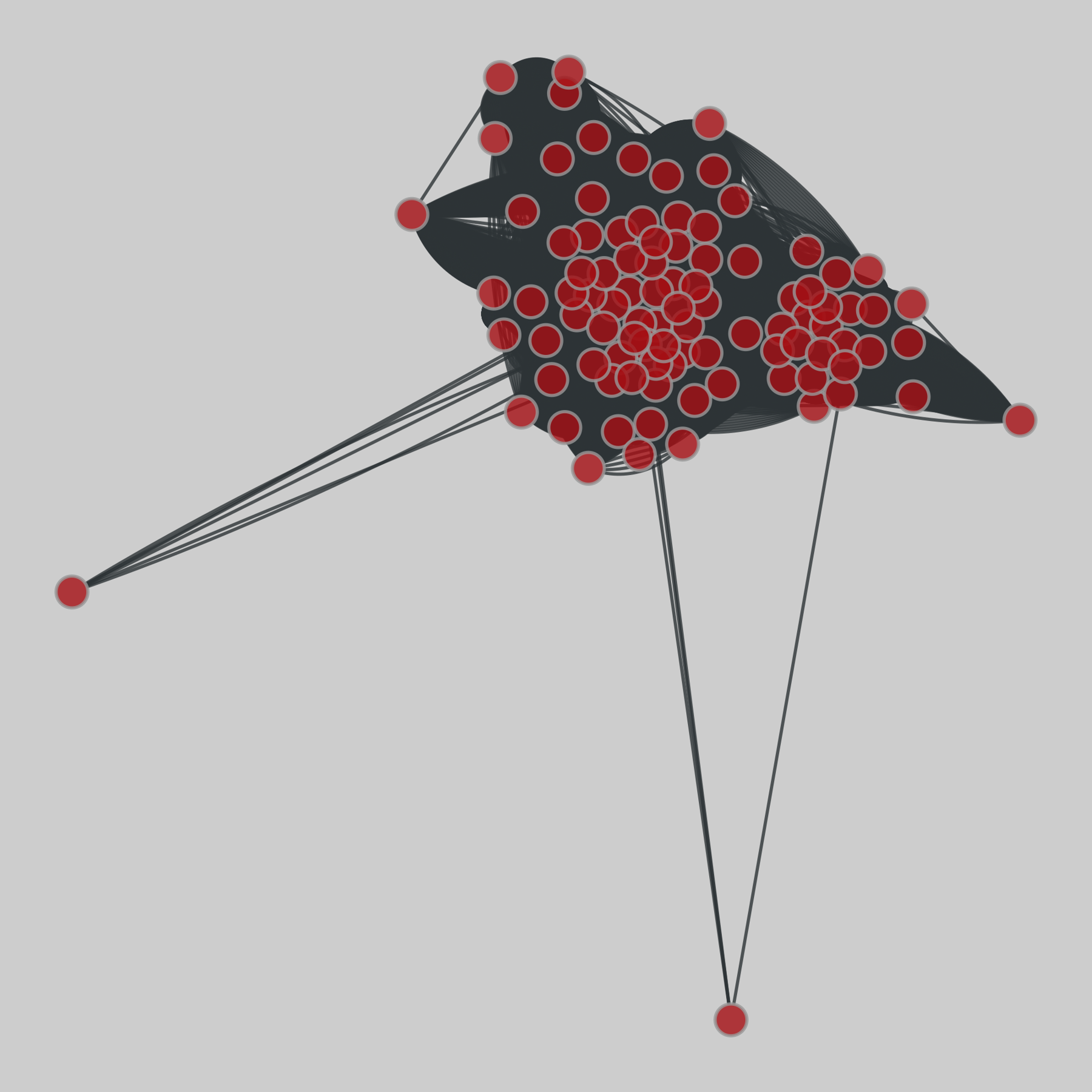
reality_mining: Reality mining proximity network (2004)
A network of human proximities among students at Massachusetts Institute of Technology (MIT), as measured by personal mobile phones. Nodes represent people (students from the Media Lab and the Sloan Business School) and an edge connects a pair if the two devices made a Bluetooth handshake at the time. Edges are timestamped.
This network has 96 nodes and 1086404 edges.
Tags: Social, Offline, Unweighted, Timestamps

reality_mining: Reality mining proximity network (2004). 96 nodes, 1086404 edges. https://networks.skewed.de/net/reality_mining
@arXiv_physicsmedph_bot@mastoxiv.page
2026-06-25 07:49:20

Generation of synthetic CT images from optical scanning for superficial mold brachytherapy
Scott B. Crowe (Royal Brisbane and Women's Hospital, Brisbane Qld, Australia, Herston Biofabrication Institute, Metro North Hospital and Health Service, Brisbane Qld, Australia, University of Queensland, Brisbane Qld, Australia, Queensland University of Technology, Brisbane Qld, Australia), Emily Simpson-Page (Royal Brisbane and Women's Hospital, Brisbane Qld, Australia), Jenna Luscombe (Royal Brisbane and Women's Hospital, Brisbane Qld, Australia), Rachael Wilks (Royal Brisbane and Women's Hospital, Brisbane Qld, Australia, Herston Biofabrication Institute, Metro North Hospital and Health Service, Brisbane Qld, Australia, University of Queensland, Brisbane Qld, Australia), Tanya Kairn (Royal Brisbane and Women's Hospital, Brisbane Qld, Australia, Herston Biofabrication Institute, Metro North Hospital and Health Service, Brisbane Qld, Australia, University of Queensland, Brisbane Qld, Australia, Queensland University of Technology, Brisbane Qld, Australia)
arxiv.org/abs/2606.25221 arxiv.org/pdf/2606.25221 arxiv.org/html/2606.25221
arXiv:2606.25221v1 Announce Type: new
Abstract: Optical 3D scanning systems allow the acquisition of accurate models of patient anatomy, suitable for use in the design of simple 3D-printable patient-matched medical devices with 3D modelling software. This study developed and demonstrated the use of superficial brachytherapy surface mold design workflow that utilizes data from optical 3D surface scanning and enables a commercial brachytherapy treatment planning system to be used for catheter positioning and dose optimization steps. Synthetic CT images were generated from 14 optically scanned anatomical models of human participants. Models and skin textures ac-quired from the optical scans were imported into Autodesk Meshmixer, where the treatment area was delineated, and treatment and device volumes produced. 3D Slicer was used to convert the body, treatment and device volumes to DICOM CT and RTSTRUCT data. The synthetic CT data and contoured volumes were imported into Varian Eclipse, where catheters were designed, and dwell positions and times optimised for dose coverage of the treatment volume. The lack of in-ternal anatomy did not compromise dose calculations, due to clinical use of a TG43 based algorithm. Once 3D printed, molds can be imaged in-situ during CT simulation, and reconstructed, for clinical dose calculation and plan approval.
toXiv_bot_toot

SpaceX can be defined in many ways.
SpaceX is a financial instrument for Musk.
Before the IPO, SpaceX acquired xAI, Musk’s artificial-intelligence company, which itself acquired X, the social-media site, back in 2025.
The maneuver allowed SpaceX to claim that it believed it had “the largest actionable total addressable market in human history”:
$28.5 trillion, to be precise.
$26.5 trillion of that, according to the filing, would come from AI infrastructure and a…

@netzschleuder@social.skewed.de
2026-07-06 20:00:04

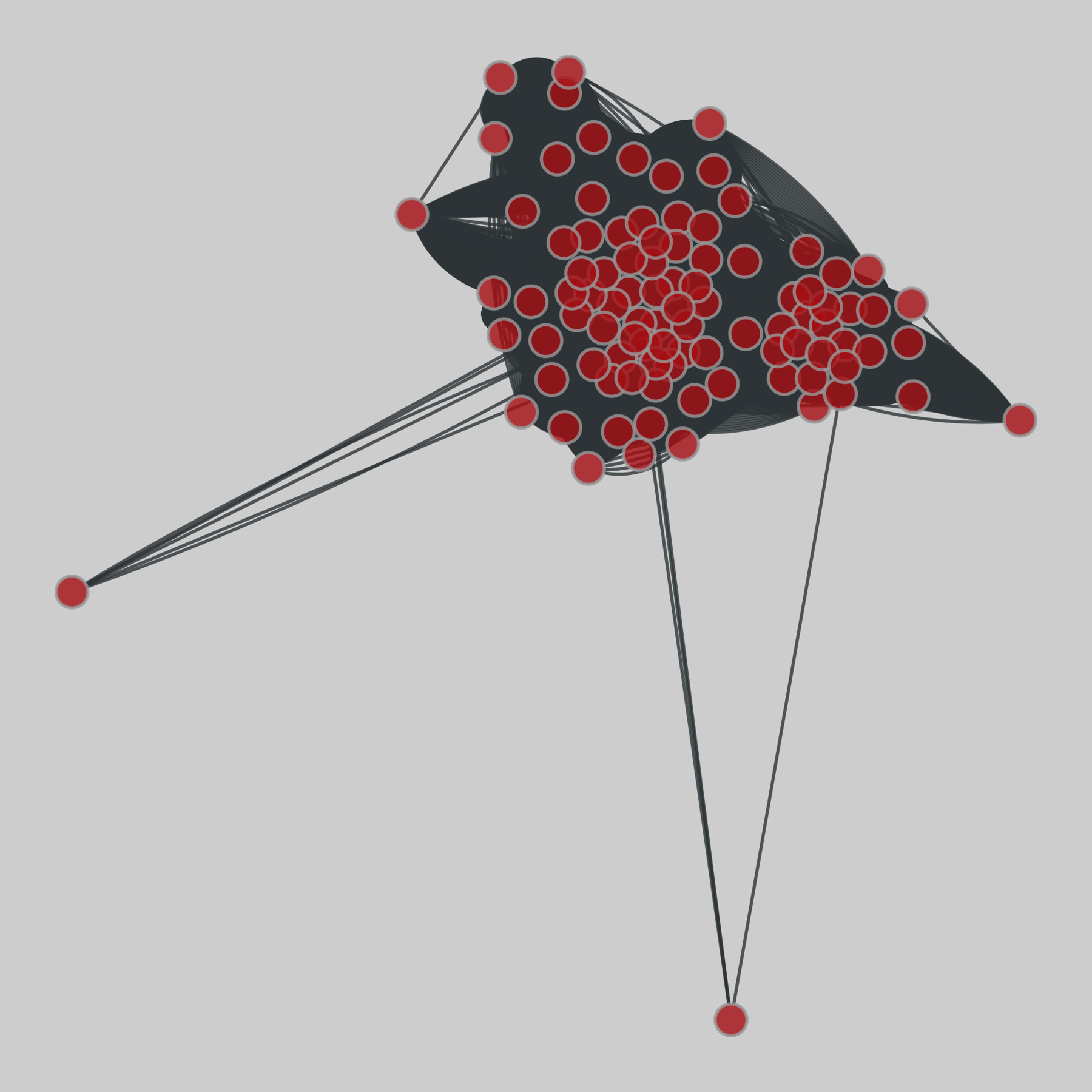
reality_mining: Reality mining proximity network (2004)
A network of human proximities among students at Massachusetts Institute of Technology (MIT), as measured by personal mobile phones. Nodes represent people (students from the Media Lab and the Sloan Business School) and an edge connects a pair if the two devices made a Bluetooth handshake at the time. Edges are timestamped.
This network has 96 nodes and 1086404 edges.
Tags: Social, Offline, Unweighted, Timestamps

reality_mining: Reality mining proximity network (2004). 96 nodes, 1086404 edges. https://networks.skewed.de/net/reality_mining
@netzschleuder@social.skewed.de
2026-06-05 18:00:04

reality_mining: Reality mining proximity network (2004)
A network of human proximities among students at Massachusetts Institute of Technology (MIT), as measured by personal mobile phones. Nodes represent people (students from the Media Lab and the Sloan Business School) and an edge connects a pair if the two devices made a Bluetooth handshake at the time. Edges are timestamped.
This network has 96 nodes and 1086404 edges.
Tags: Social, Offline, Unweighted, Timestamps

reality_mining: Reality mining proximity network (2004). 96 nodes, 1086404 edges. https://networks.skewed.de/net/reality_mining
@netzschleuder@social.skewed.de
2026-07-05 02:00:06

reality_mining: Reality mining proximity network (2004)
A network of human proximities among students at Massachusetts Institute of Technology (MIT), as measured by personal mobile phones. Nodes represent people (students from the Media Lab and the Sloan Business School) and an edge connects a pair if the two devices made a Bluetooth handshake at the time. Edges are timestamped.
This network has 96 nodes and 1086404 edges.
Tags: Social, Offline, Unweighted, Timestamps

reality_mining: Reality mining proximity network (2004). 96 nodes, 1086404 edges. https://networks.skewed.de/net/reality_mining
@netzschleuder@social.skewed.de
2026-07-04 02:00:04

reality_mining: Reality mining proximity network (2004)
A network of human proximities among students at Massachusetts Institute of Technology (MIT), as measured by personal mobile phones. Nodes represent people (students from the Media Lab and the Sloan Business School) and an edge connects a pair if the two devices made a Bluetooth handshake at the time. Edges are timestamped.
This network has 96 nodes and 1086404 edges.
Tags: Social, Offline, Unweighted, Timestamps

reality_mining: Reality mining proximity network (2004). 96 nodes, 1086404 edges. https://networks.skewed.de/net/reality_mining
@netzschleuder@social.skewed.de
2026-06-28 13:00:04

reality_mining: Reality mining proximity network (2004)
A network of human proximities among students at Massachusetts Institute of Technology (MIT), as measured by personal mobile phones. Nodes represent people (students from the Media Lab and the Sloan Business School) and an edge connects a pair if the two devices made a Bluetooth handshake at the time. Edges are timestamped.
This network has 96 nodes and 1086404 edges.
Tags: Social, Offline, Unweighted, Timestamps

reality_mining: Reality mining proximity network (2004). 96 nodes, 1086404 edges. https://networks.skewed.de/net/reality_mining
@netzschleuder@social.skewed.de
2026-06-19 19:00:04

reality_mining: Reality mining proximity network (2004)
A network of human proximities among students at Massachusetts Institute of Technology (MIT), as measured by personal mobile phones. Nodes represent people (students from the Media Lab and the Sloan Business School) and an edge connects a pair if the two devices made a Bluetooth handshake at the time. Edges are timestamped.
This network has 96 nodes and 1086404 edges.
Tags: Social, Offline, Unweighted, Timestamps

reality_mining: Reality mining proximity network (2004). 96 nodes, 1086404 edges. https://networks.skewed.de/net/reality_mining