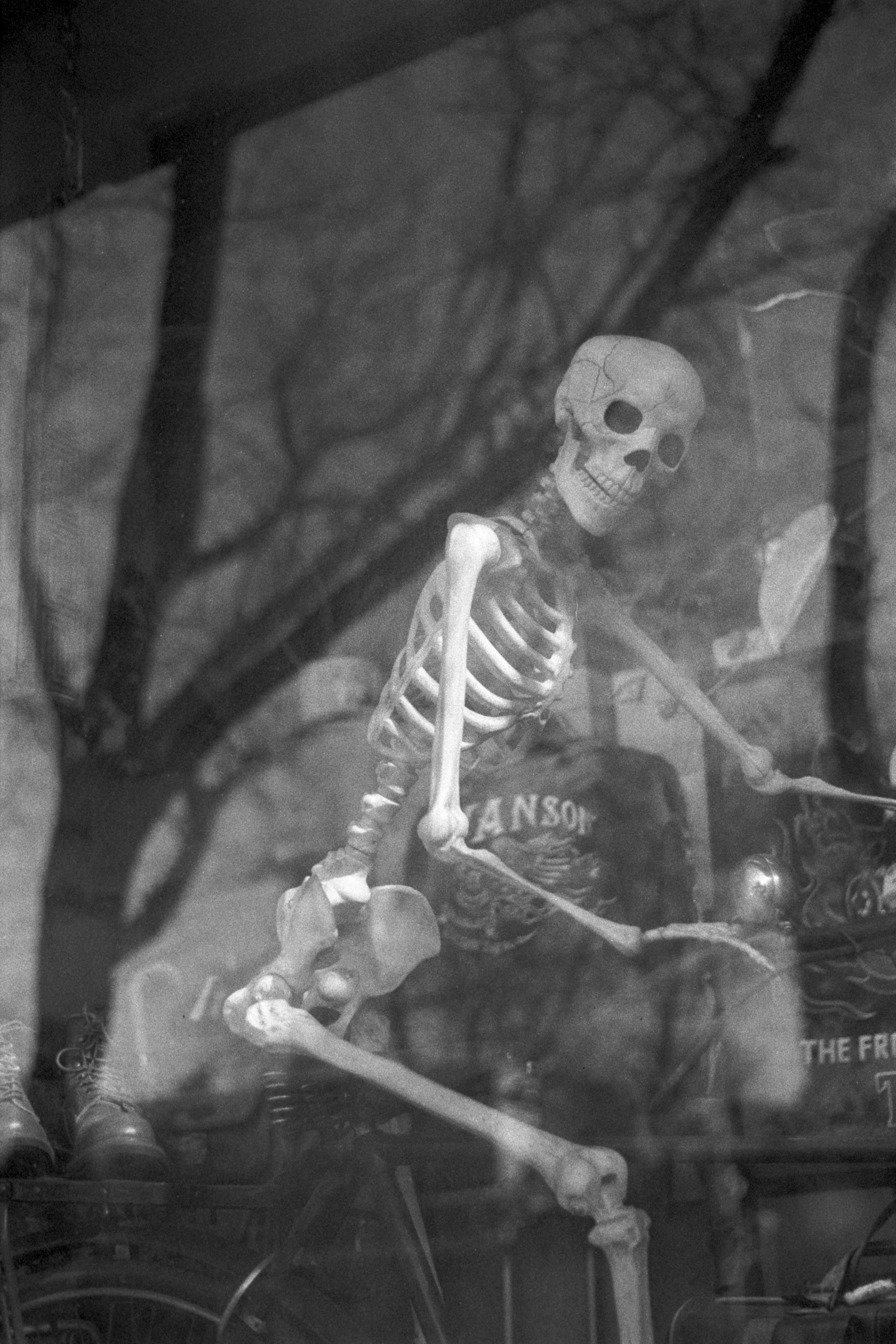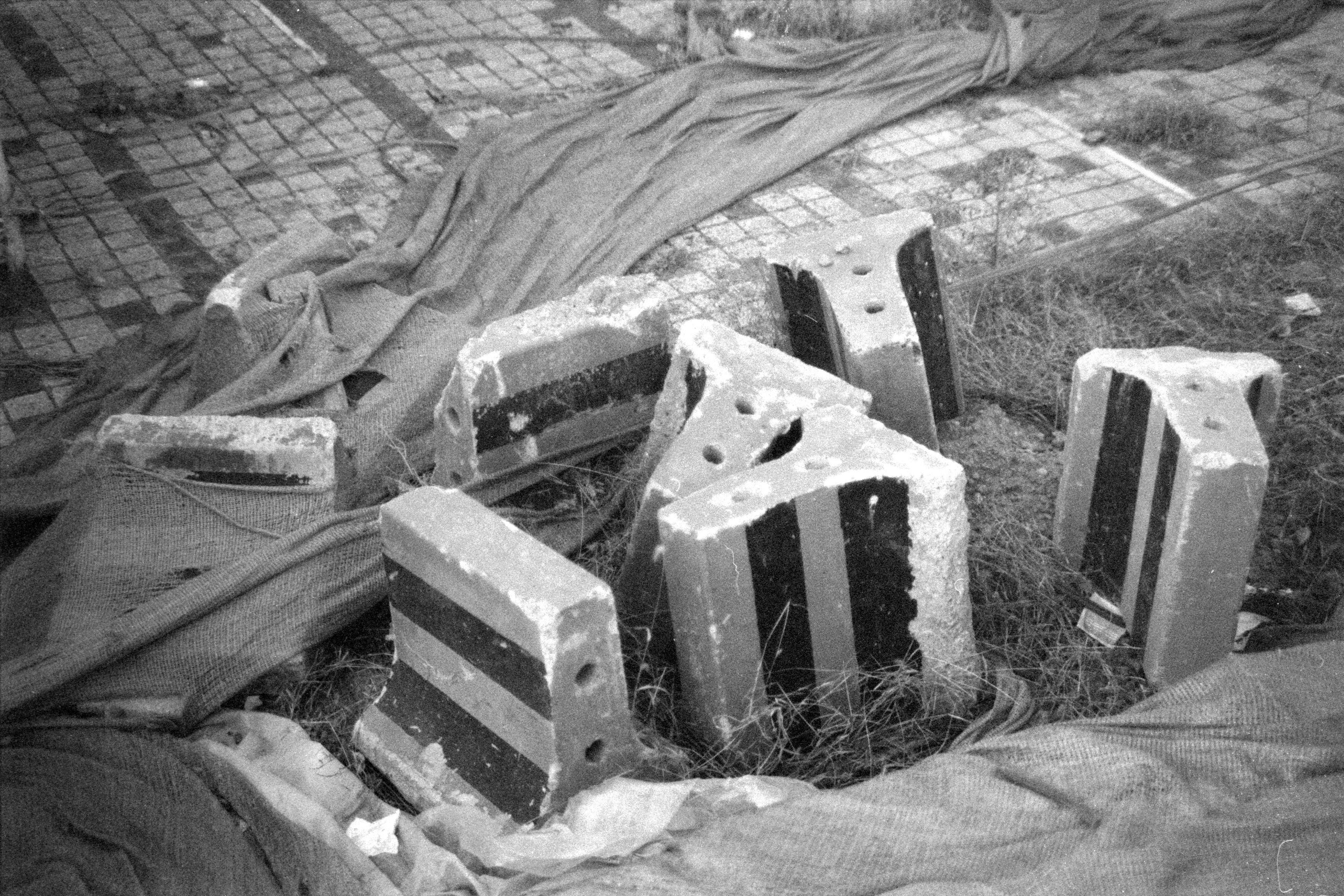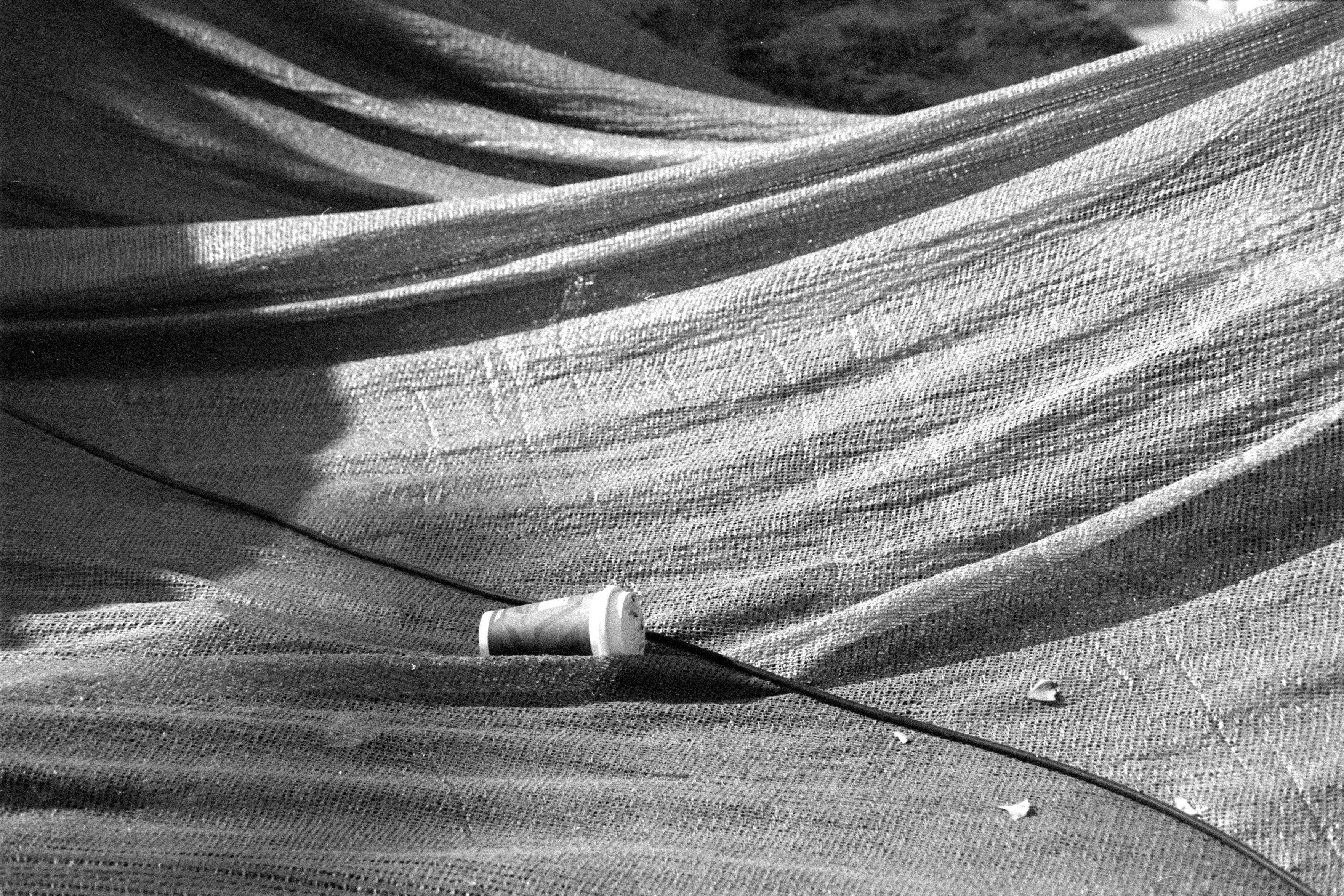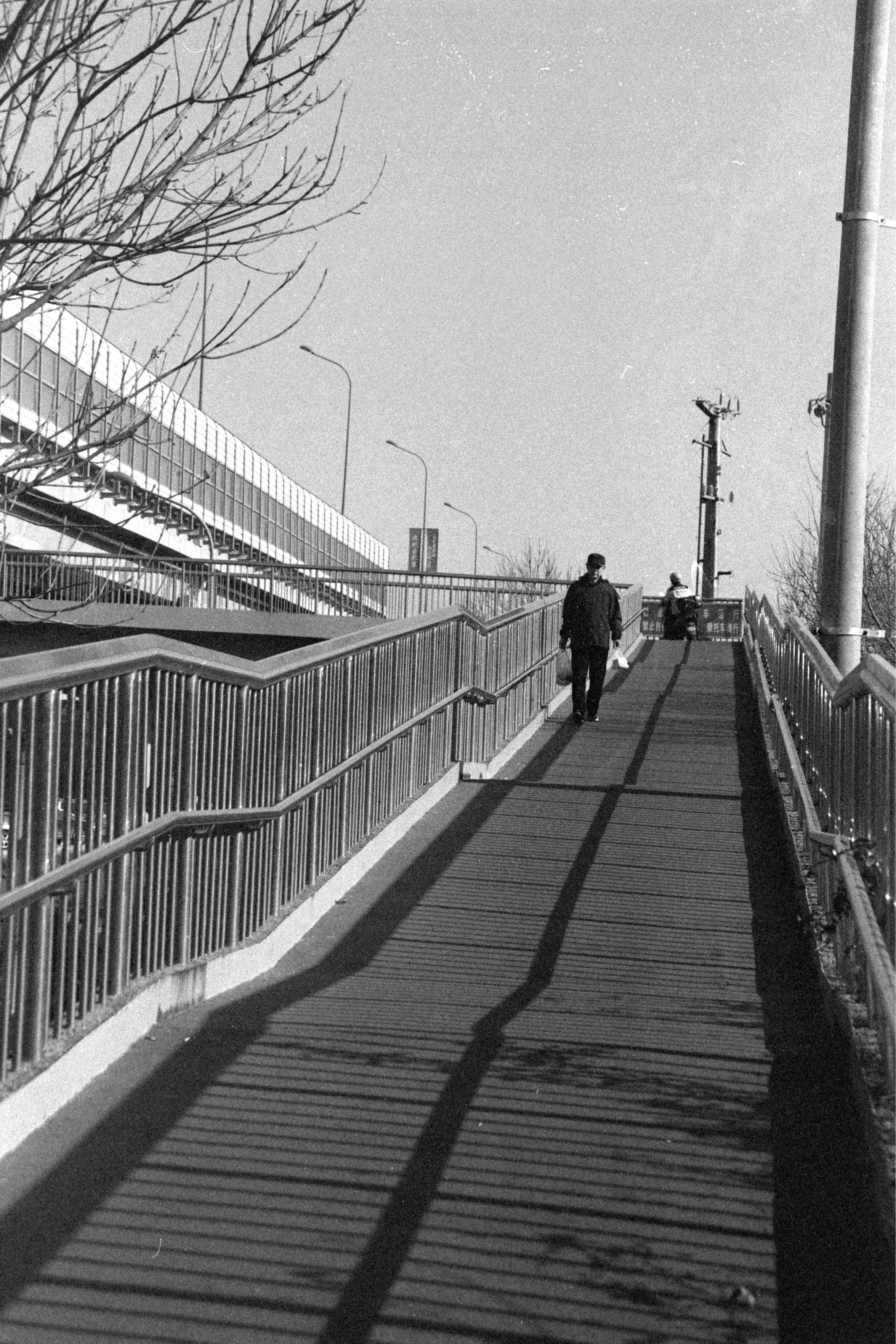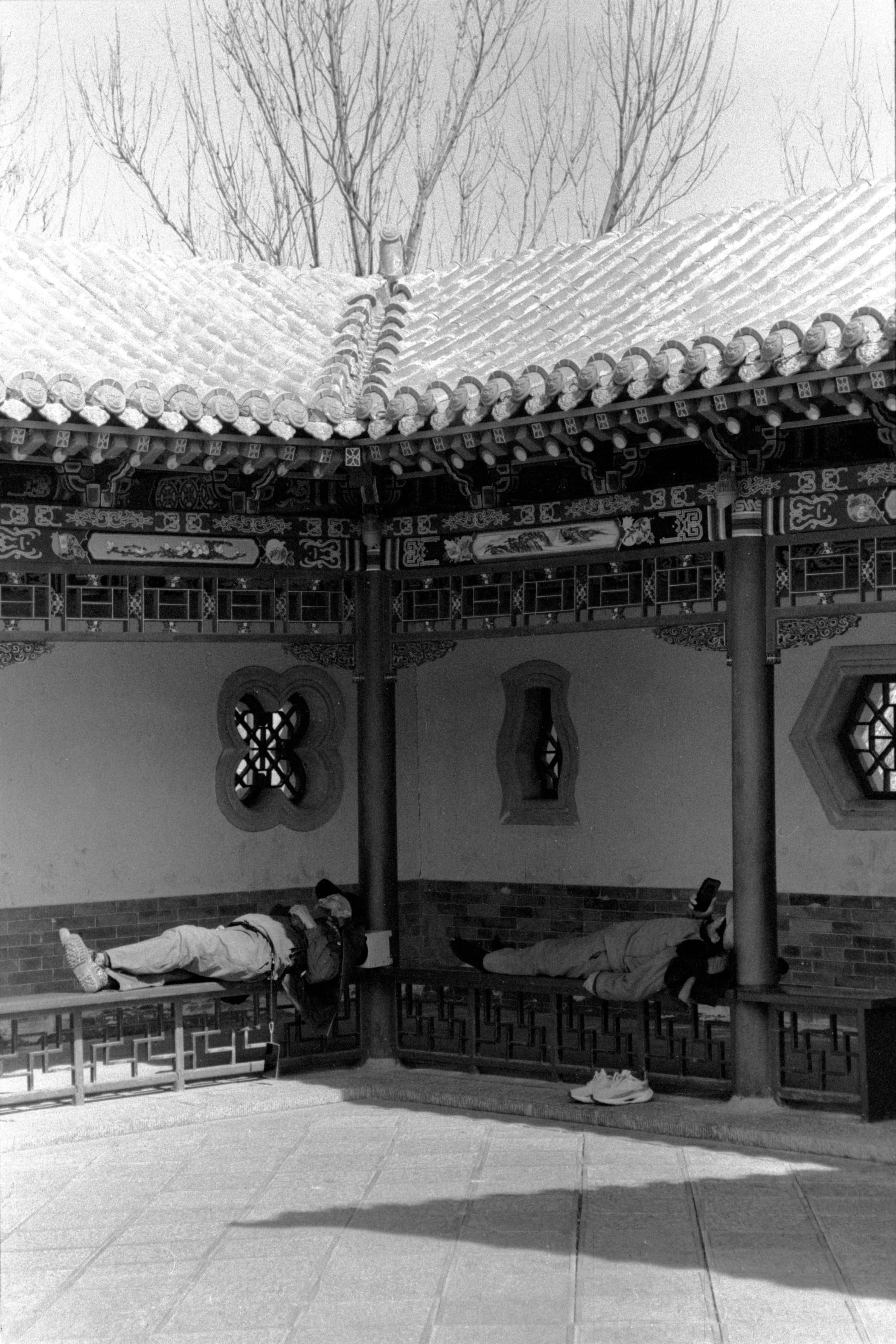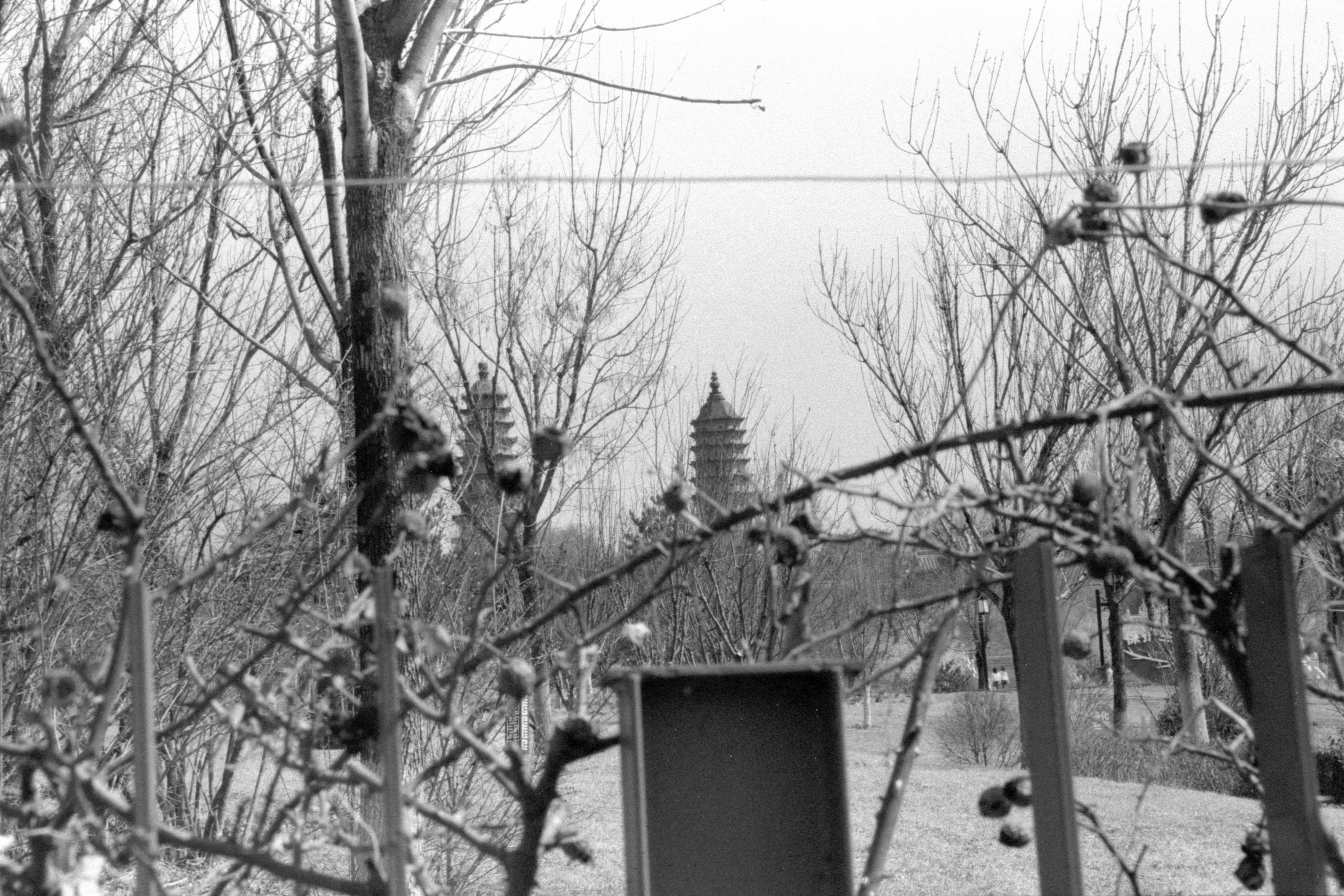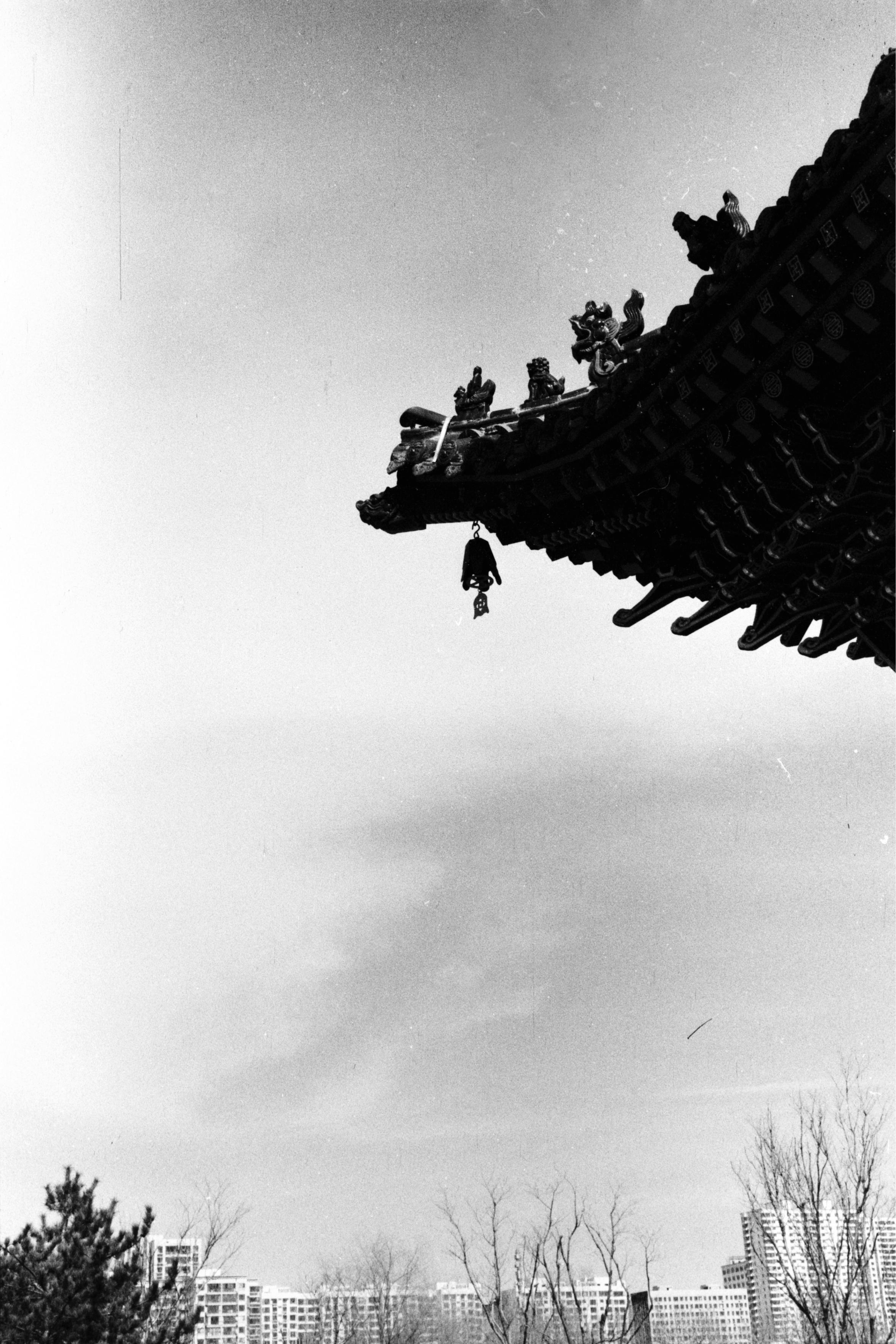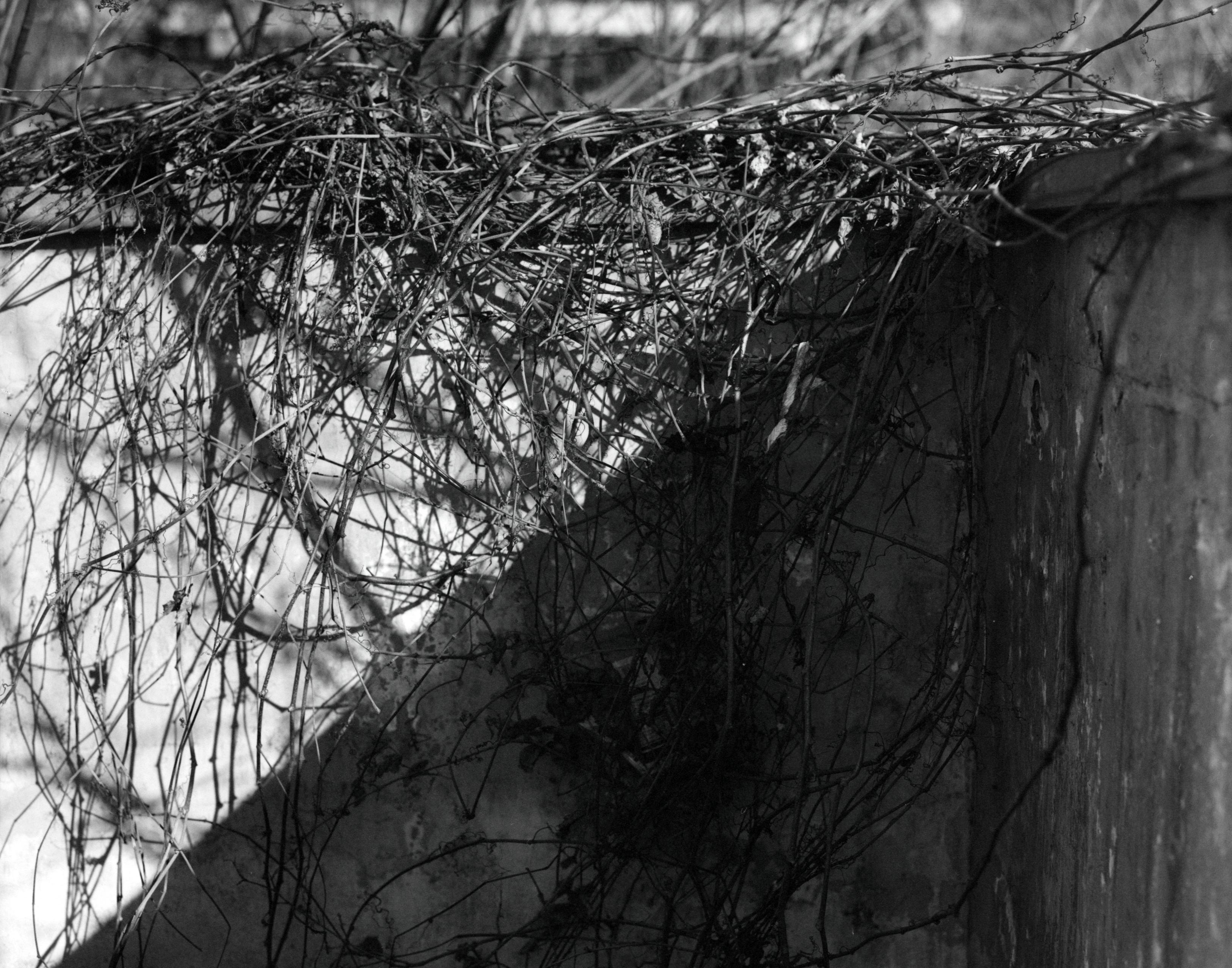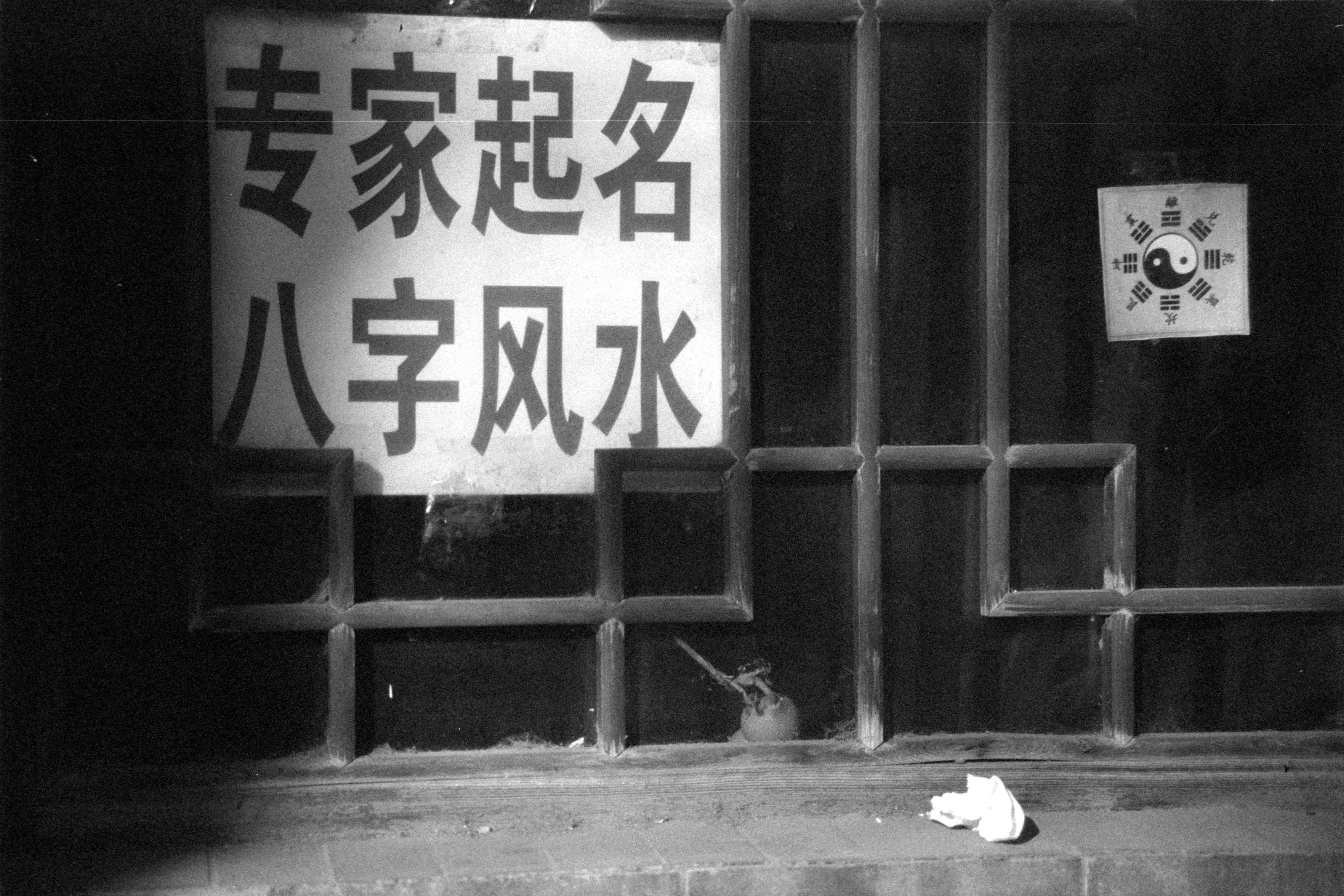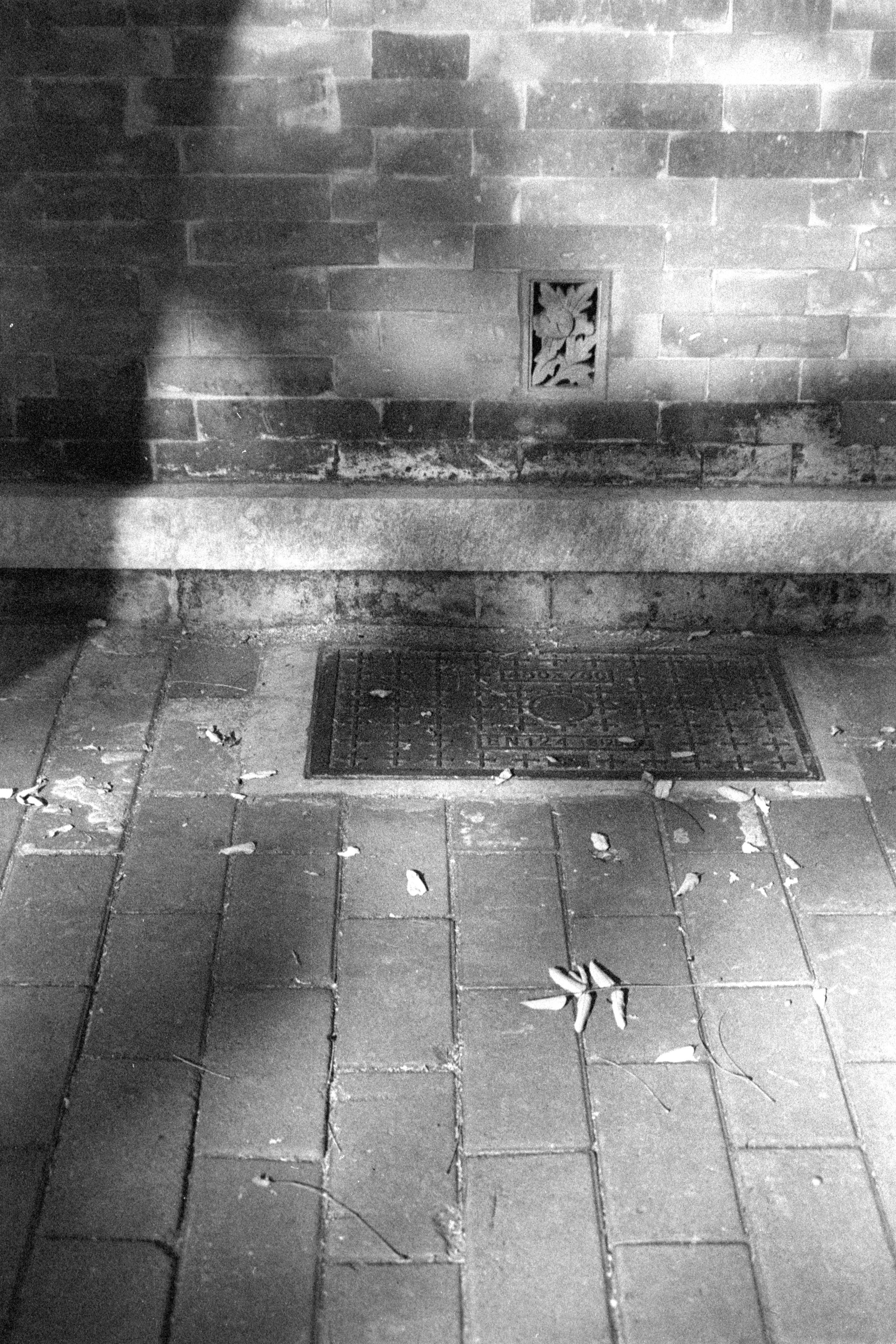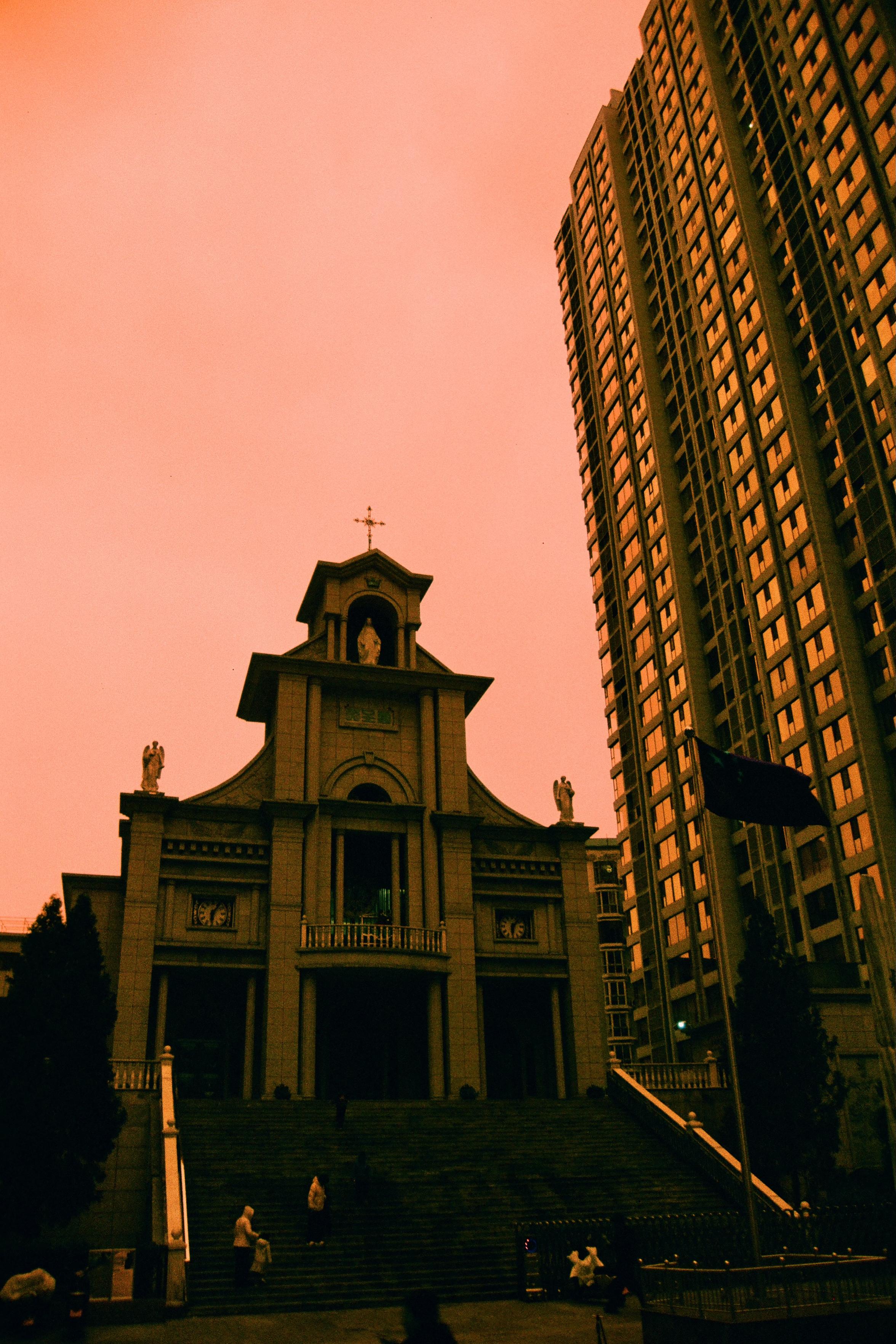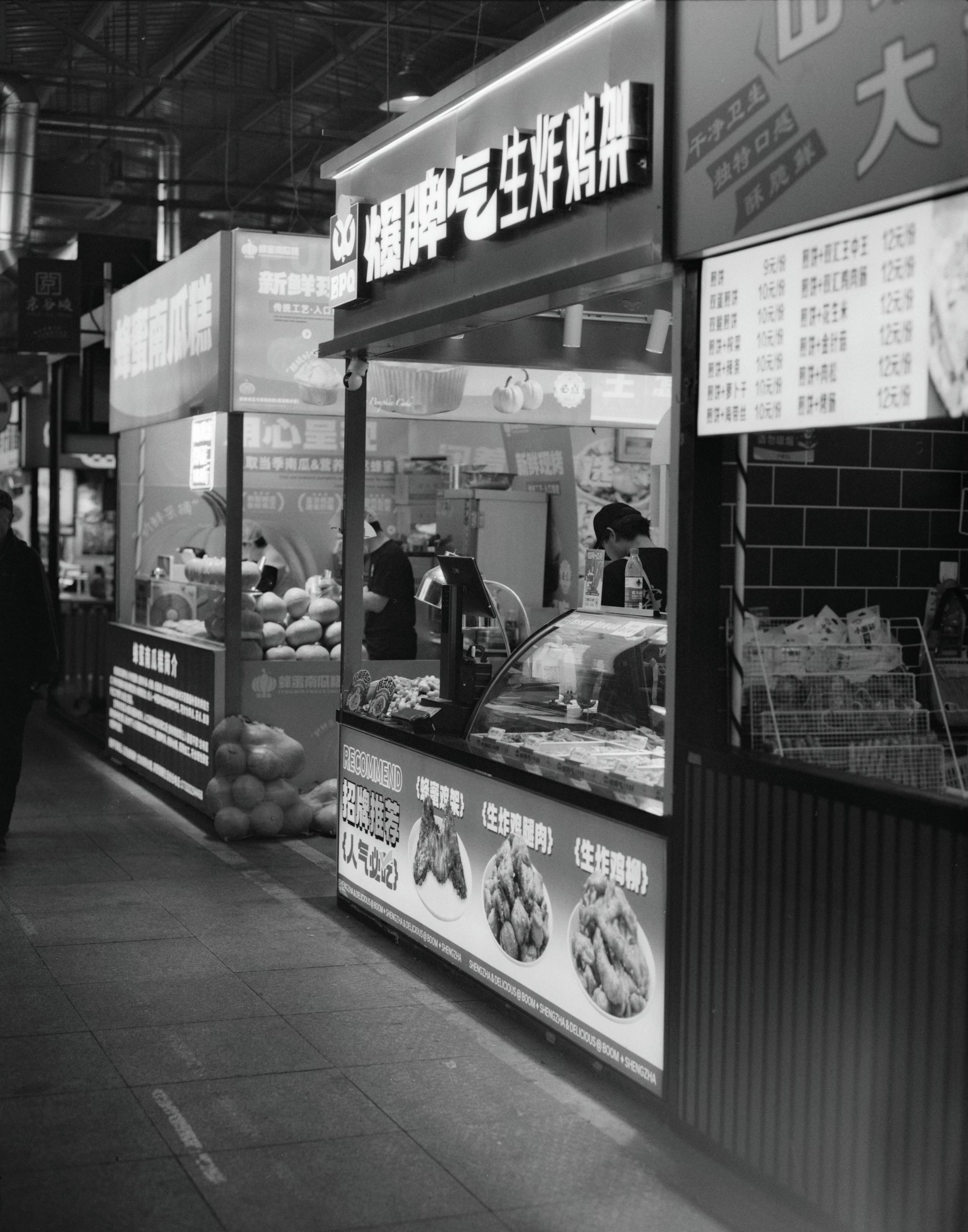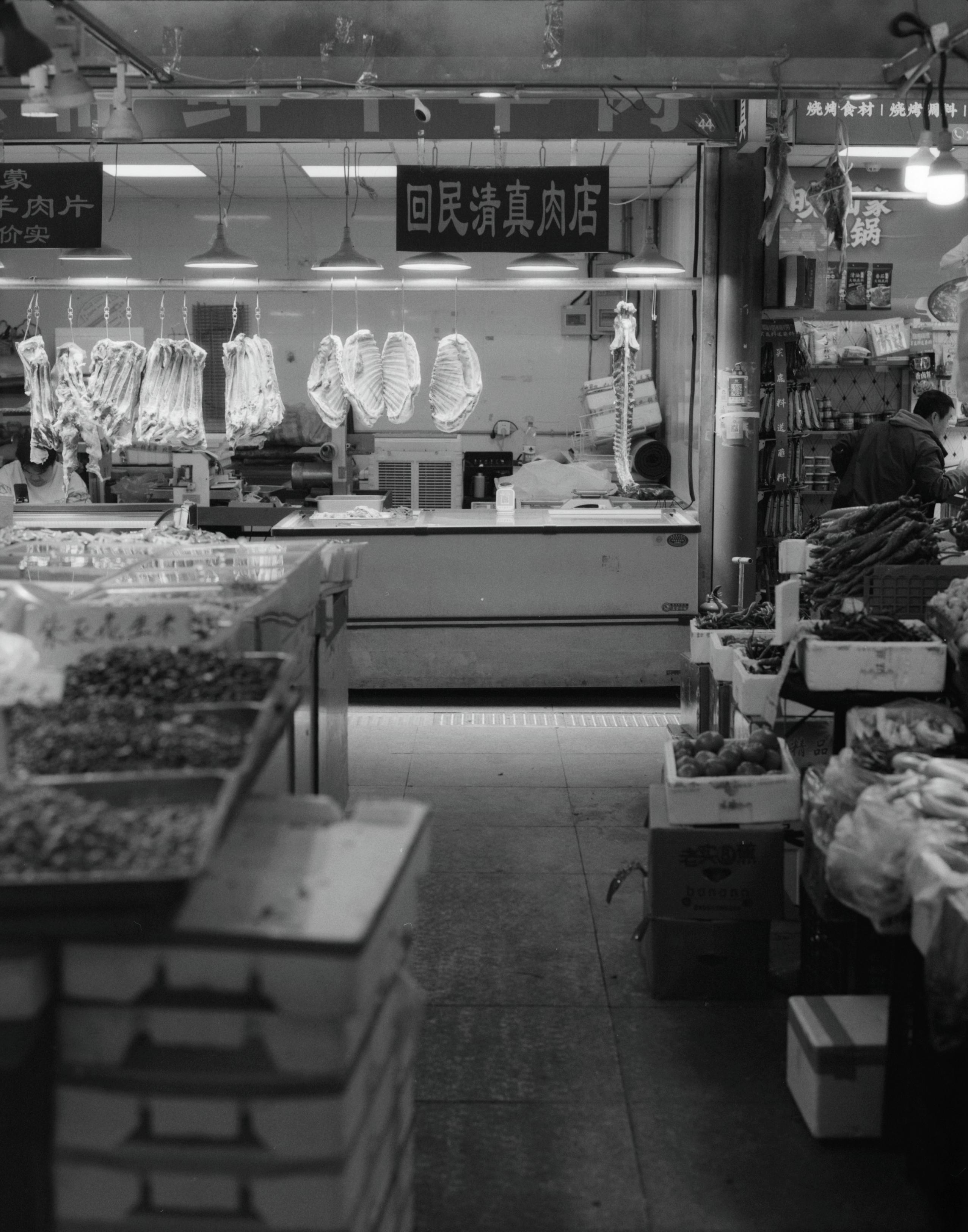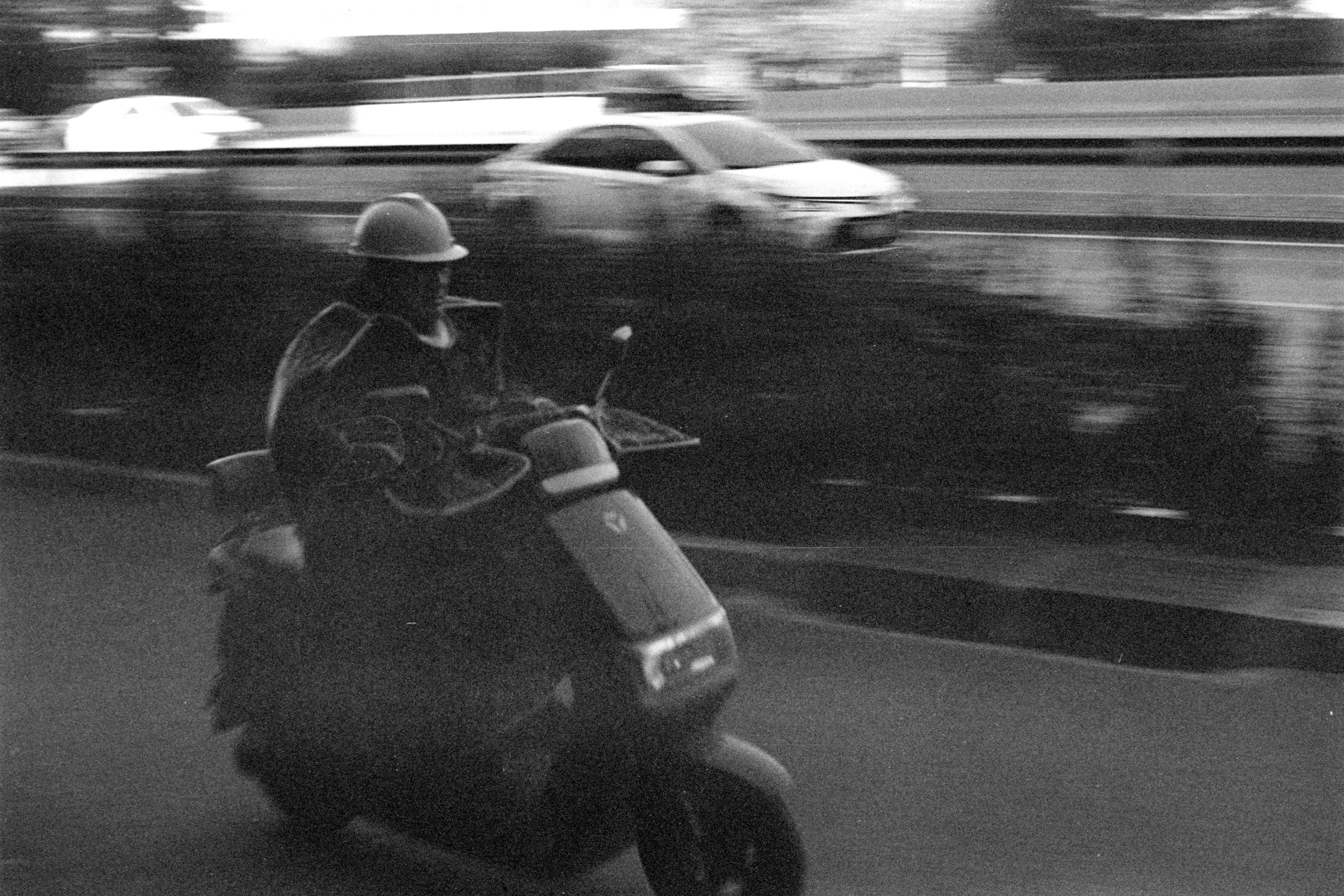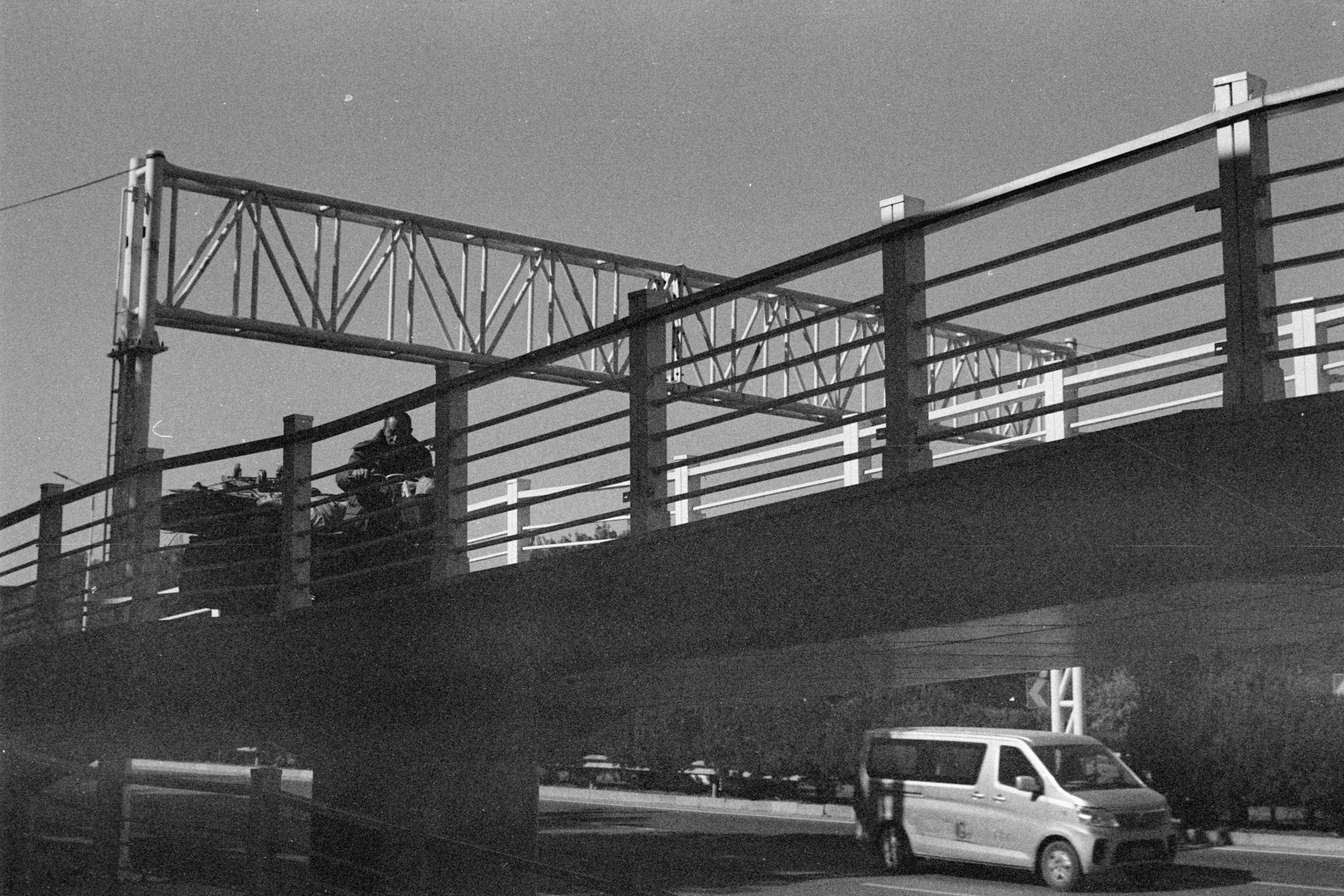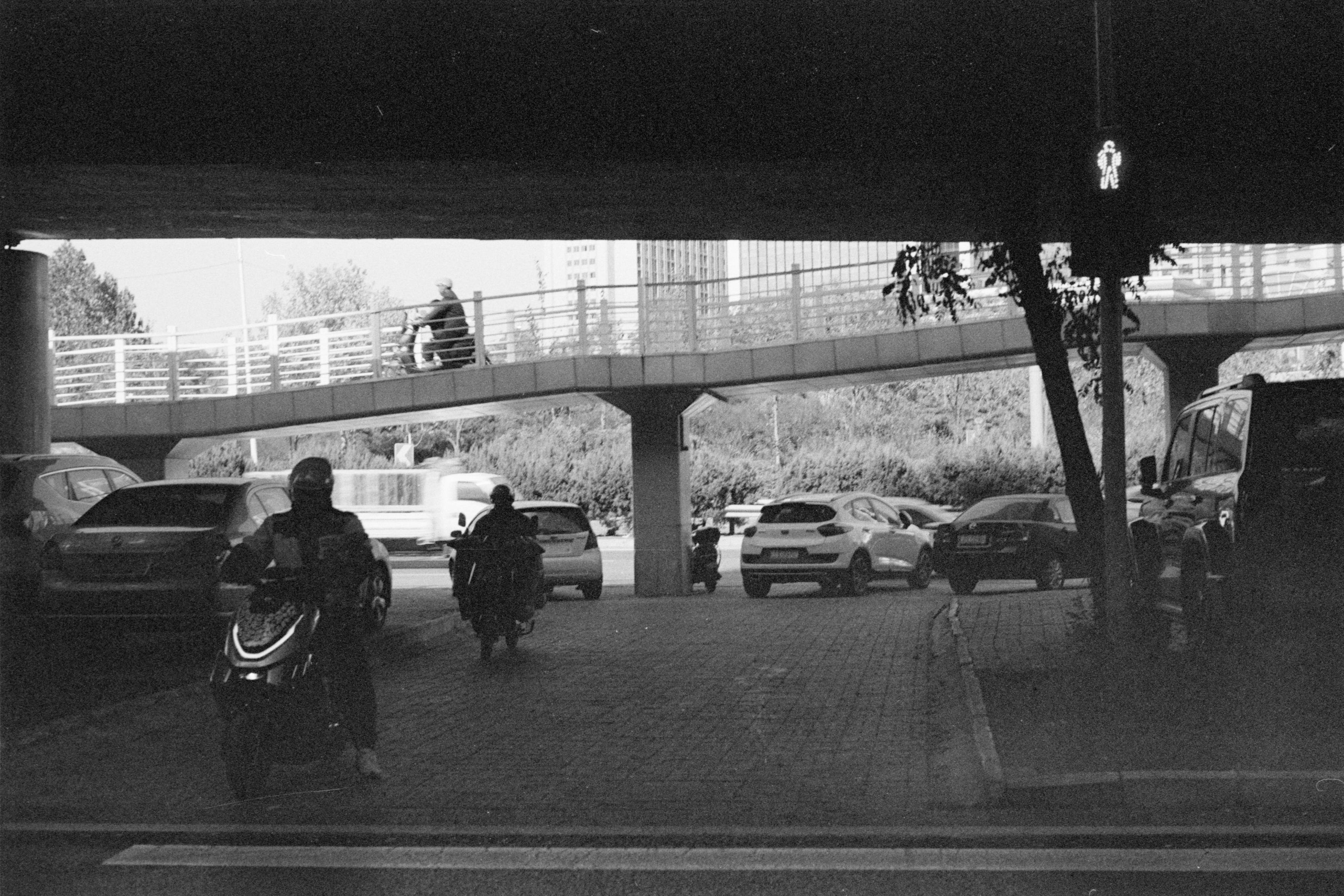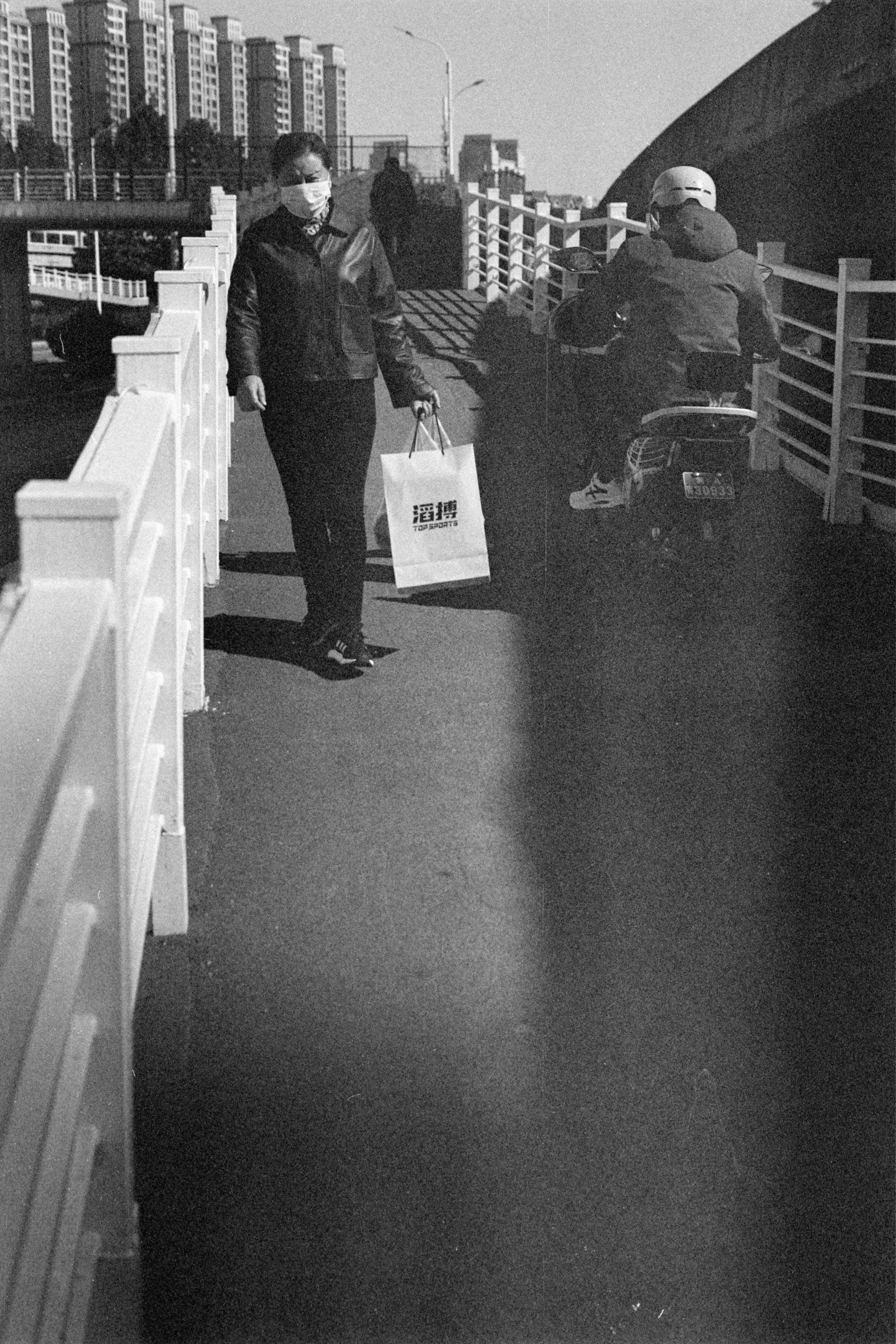
On the Side 🆓
在边缘
📷 Nikon F4E
🎞️ Ilford HP5 Plus 400, expired 1993
#filmphotography #Photography #blackandwhite
On the Side II 🆓
在边缘 II 🆓
📷 Nikon F4E
🎞️ Ilford HP5 Plus 400, expired 1993
#filmphotography #Photography #blackandwhite
Some City Some Nature V 🏙️
一些城一些自然 V 🏙️
📷 Nikon F4E
🎞️ ERA 100, expired 1993
#filmphotography #Photography #blackandwhite
One of the things that made organizing a lot easier with the GDC was a thing called "GDC in a box." It was a zip file with all kinds of resources. There was a directory structure, templates for all kinds of things like meetings and paperwork you had to file (for legal reasons) and "read me" files.
We had all kinds of support. There were people you could talk to who had been there. There were people you could call to walk through legal paperwork (taxes). Centralized orgs are vulnerable and easy to infiltrate. They're easy for states to shut down. But there are benefits to org structures.
I think it's possible to have the type of support we had with the GDC, but without the politics of an org (even the IWW). I hope this most recent essay has some of the same properties. I hope that it makes building something new, something no one has really imagined before, easier.
This whole project is something a bit different. It's a collective vision and collective project, from the ground up. Some of it has felt like a brain dump, just getting things that have been swimming around in my head down somewhere. But I hope this feels more like an invitation.
Everything thus far written is all useless unless people do things with it. Only from that point does it become a thing that lives, a thing with its own consciousness that can't be controlled by any individual human.
Tech billionaire cultists want to bring a new era of humanity with AGI. That is definitely not possible with LLMs, and may not be possible at all. But there is a super intelligence that is possible, though it's been constrained by capitalism: collective human intelligence.
The grand vision of the tech dystopians is that of the ultimate slave that can then enslave all humans on their behalf. I think we can build a humanity that can liberate itself from their grasp, crush their vision, and build for itself a world in which people will never be enslaved again. Not only do I think it's possible, I think it's necessary. I think there are only two choices: collective liberation or death.
And that's what I plan to write about next time to wrap this whole project up. Today things often feel impossible. But people talked about the Middle Ages as though they were the end of the world, and then everything changed in unimaginable ways. Everything can, and will, change again.
"The profit motive often is in conflict with the aims of art. We live in capitalism. Its power seems inescapable. So did the divine right of kings."
Urban Spots II ✴️
城市噪点 II ✴️
📷 Nikon F4E
🎞️ Ilford HP5 Plus 400, expired 1993
#filmphotography #Photography #blackandwhite
The fracturing of the Dutch far-right, after Wilder's reminded everyone that bigots are bad at compromise, is definitely a relief. Dutch folks I've talked to definitely see D66 as progressive, <strike>so there's no question this is a hard turn to the left (even if it's not a total flip to the far-left)</strike> a lot of folks don't agree. I'm going to let the comments speak rather than editorialize myself..
While this is a useful example of how a democracy can be far more resilient to fascism than the US, that is, perhaps, not the most interesting thing about Dutch politics. The most interesting thing is something Dutch folks take for granted and never think of as such: there are two "governments."
The election was for the Tweede Kamer. This is a house of representatives. The Dutch use proportional representation, so people can (more or less) vote for the parties they actually want. Parties <strike>rarely</strike> never actually get a ruling majority, so they have to form coalition governments. This forces compromise, which is something Wilders was extremely bad at. He was actually responsible for collapsing the coalition his party put together, which triggered this election... and a massive loss of seats for his party.
Dutch folks do still vote strategically, since a larger party has an easier time building the governing coalition and the PM tends to come from the largest party. This will likely be D66, which is really good for the EU. D66 has a pretty radical plan to solve the housing crisis, and it will be really interesting to see if they can pull it off. But that's not the government I want to talk about right now.
In the Netherlands, failure to control water can destroy entire towns. A good chunk of the country is below sea level. Both floods and land reclamation have been critical parts of Dutch history. So in the 1200's or so, the Dutch realized that some things are too important to mix with normal politics.
You see, if there's an incompetent government that isn't able to actually *do* anything (see Dick Schoof and the PVV/VVD/NSC/BBB coalition) you don't want your dikes to collapse and poulders to flood. So the Dutch created a parallel "government" that exists only to manage water: waterschap or heemraadschap (roughly "Water Board" in English). These are regional bureaucracies that exist only to manage water. They exist completely outside the thing we usually talk about as a "government" but they have some of the same properties as a government. They can, for example, levy taxes. The central government contributes funds to them, but lacks authority over them. Water boards are democratically elected and can operate more-or-less independent of the central government.
Controlling water is a common problem, so water boards were created to fulfill the role of commons management. Meanwhile, so many other things in politics run into the very same "Tragedy of the Commons" problems. The right wing solution to commons management is to let corporations ruin everything. The left-state solution is to move everything into the government so it can be undermined and destroyed by the right. The Dutch solution to this specific problem has been to move commons management out of the domain of the central government into something else.
And when I say "government" here, I'm speaking more to the liberal definition of the term than to an anarchist definition. A democratically controlled authority that facilitates resource management lacks the capacity for coercive violence that anarchists define as "government." (Though I assume they might leverage police or something if folks refuse to pay their taxes, but I can't imagine anyone choosing not to.)
As the US federal government destroys the social fabric of the US, as Trump guts programs critical to people's survival, it might be worth thinking about this model. These authorities weren't created by any central authority, they evolved from the people. Nothing stops Americans from building similar institutions that are both democratic and outside of the authority of a government that could choose to defund and abolish them... nothing but the realization that yes, you actually can.
#USPol #NLPol
Some City Some Nature 🏙️
一些城一些自然 🏙️
📷 Nikon F4E
🎞️ ERA 100, expired 1993
#filmphotography #Photography #blackandwhite
Urban Spots ✴️
城市噪点 ✴️
📷 Nikon F4E
🎞️ Ilford HP5 Plus 400, expired 1993
#filmphotography #Photography #blackandwhite
Double Double 🛗
成双 🛗
📷 Nikon F4E
🎞️ Ilford HP5 Plus 400, expired 1993
#filmphotography #Photography #blackandwhite
City Random Manners ✴️
城市随机行为 ✴️
📷 Pentax MX
🎞️ Ilford Pan 100
#filmphotography #Photography #blackandwhite