 @leftsidestory@mstdn.social
2026-02-13 00:30:00
Rare Colours Blues III🔷🔷
稀有的色彩蓝 III🔷🔷
📷 Pentax MX
🎞️ Harman Phoenix 200 II (FF)
#filmphotography #Photography #Art
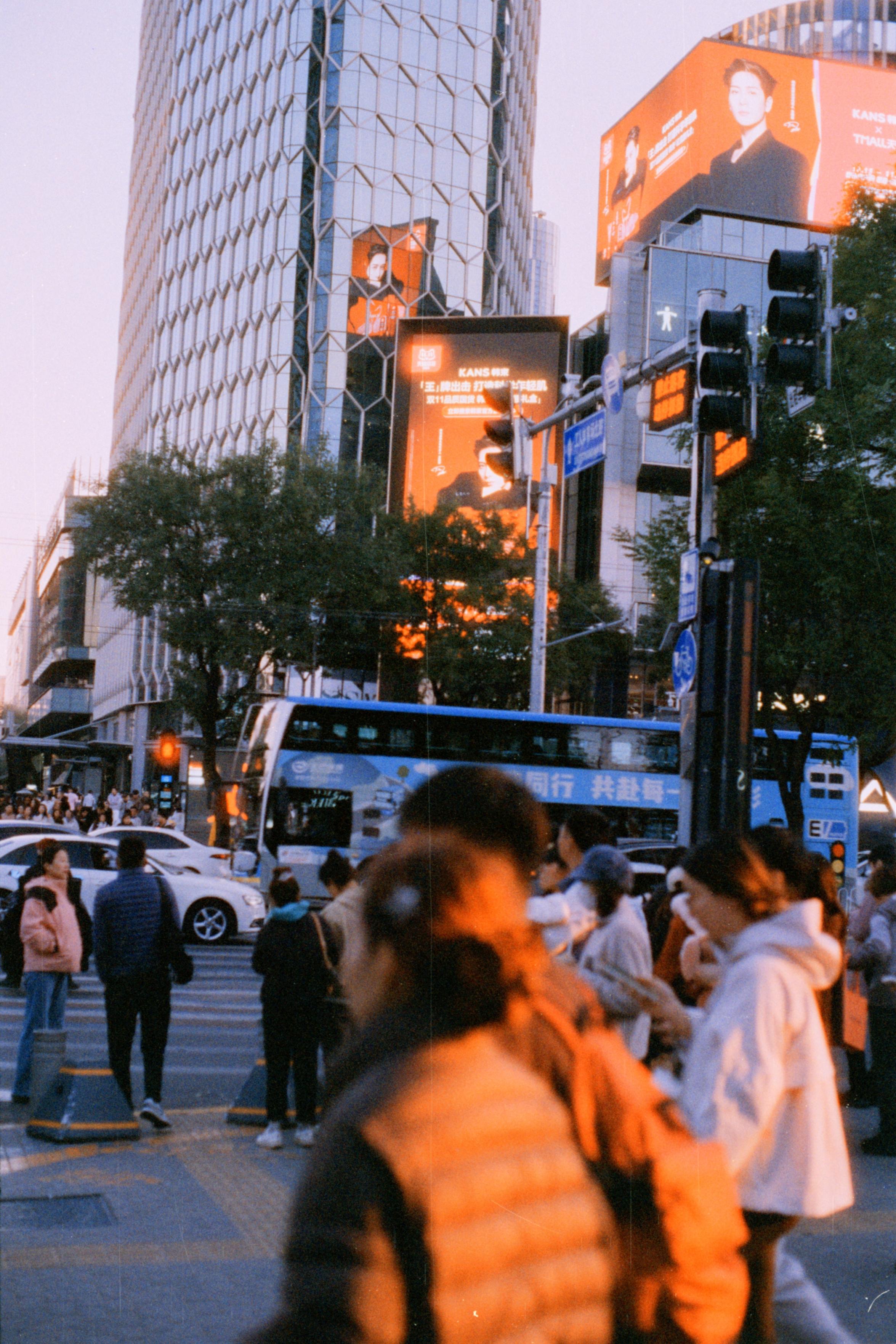
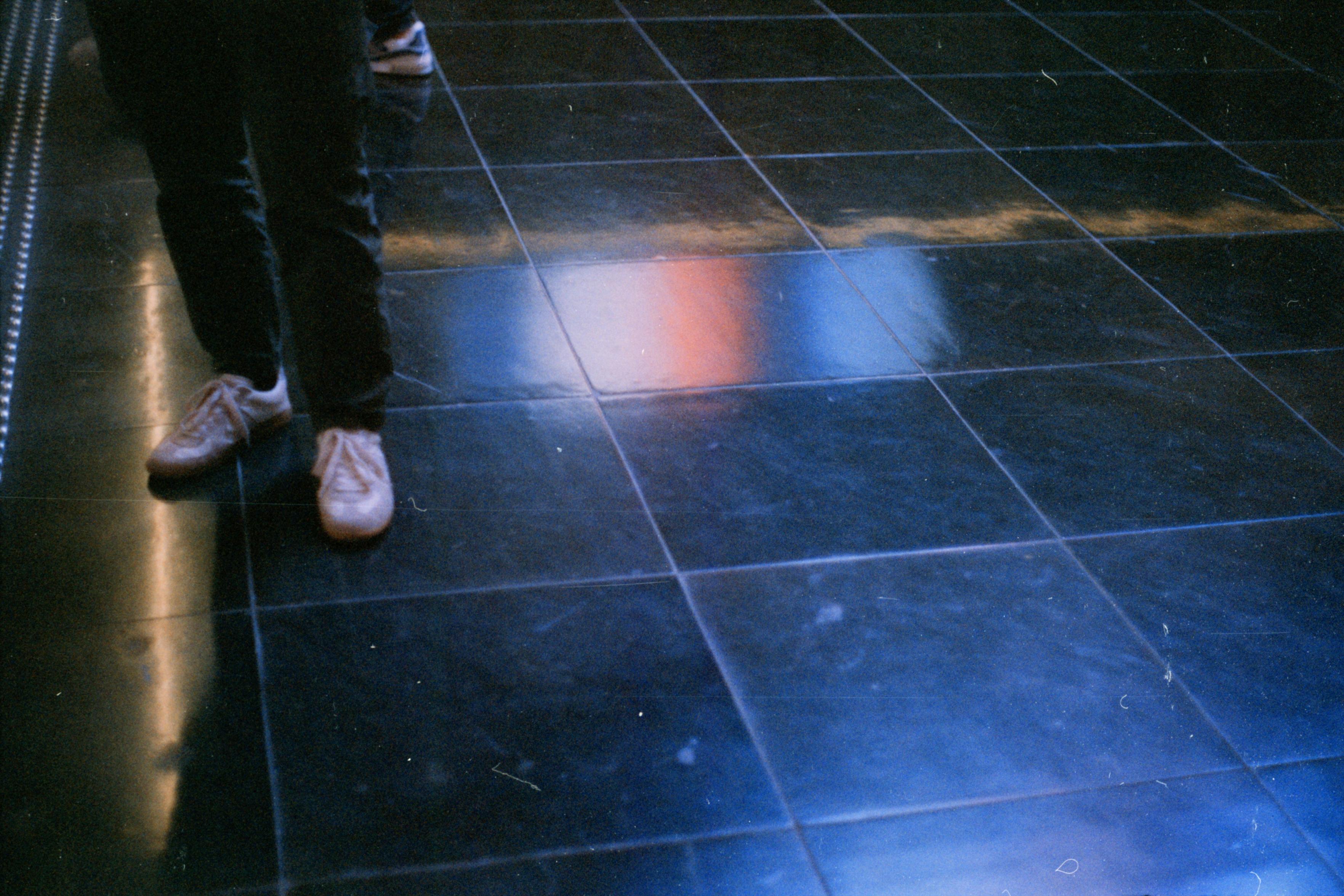
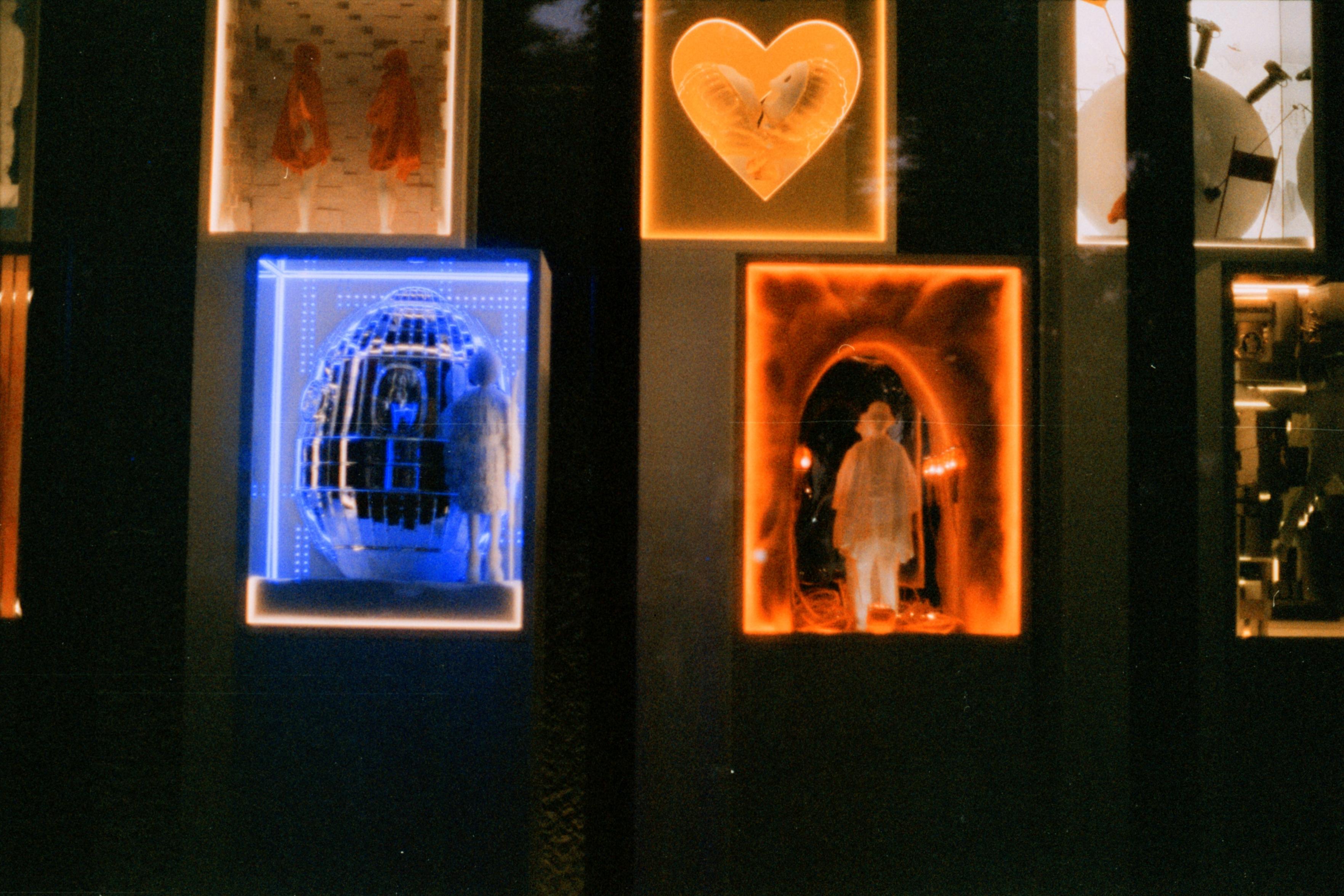
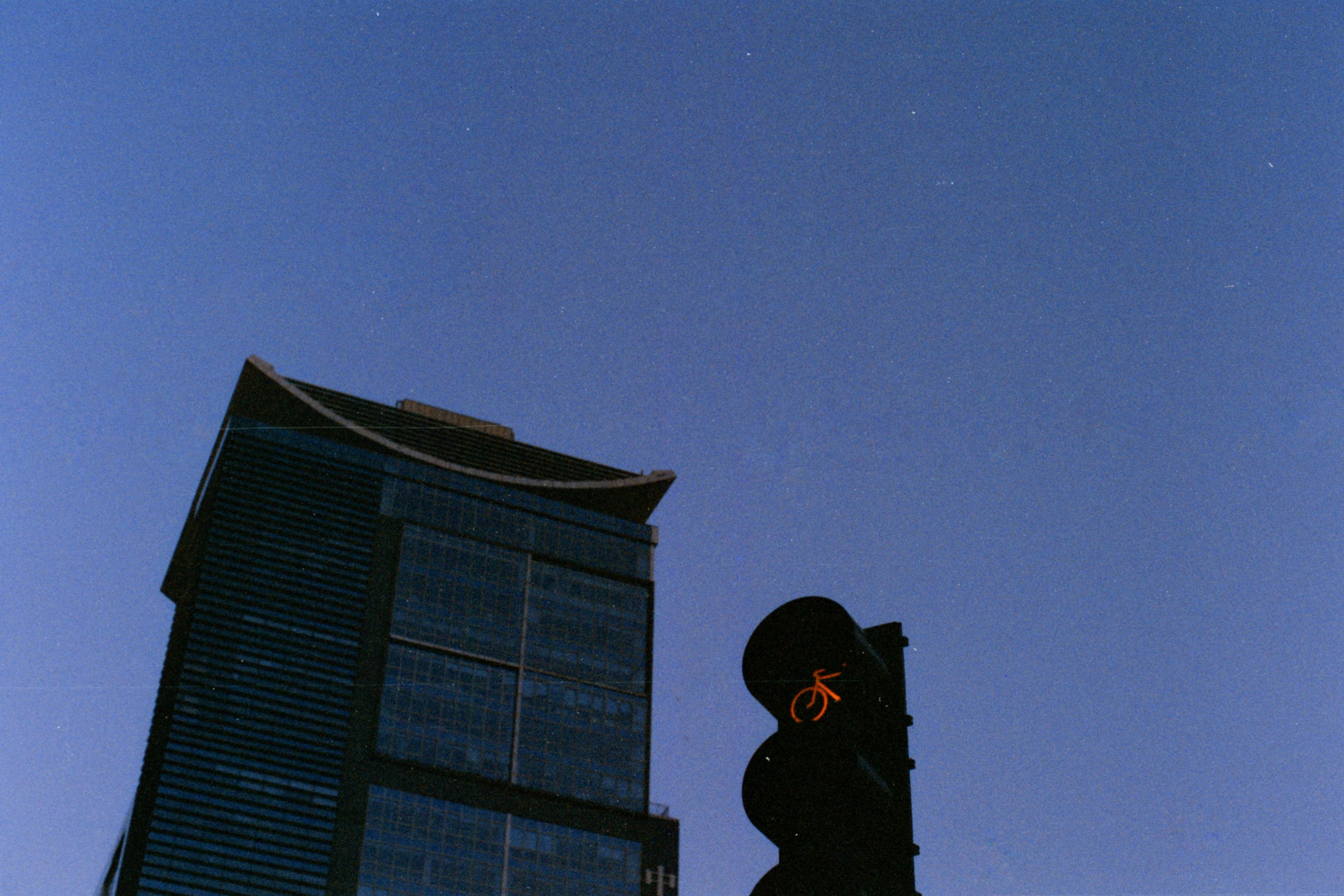 @leftsidestory@mstdn.social
Rare Colours Blues III🔷🔷
稀有的色彩蓝 III🔷🔷
📷 Pentax MX
🎞️ Harman Phoenix 200 II (FF)
#filmphotography #Photography #Art
 @blakes7bot@mas.torpidity.net
Series C, Episode 09 - Sarcophagus
TARRANT: Don't try and bluff your way with me, Avon. I know what's been needling you right from the start. With Blake gone, you thought you'd got it made, didn't you? Thought you'd got control of this ship and a crew of three who'd say, "Yes, Avon. Whatever you want, Avon." [Cally puts the bookscreen down.] But you reckoned without me. [Cally starts toward the artifact.]
AVON: That wouldn't be too difficult…

 @thomasfuchs@hachyderm.io
None of the "code generation" stuff is new by the way.
The tech industry has tried to speed up coding and increase software output for the last 3 to 4 decades, by various means; e.g. Rapid Application Development, Expert Systems, Object-Oriented Programming, thousands of different frameworks all the way to trying to off-shore development and exploit third-world labor.
The problem with this is: there is no software scarcity. Pretending that "we can't make software fast enough" is a red herring to hide the fact that making (good) software is 90% painstaking research, design, planning, marketing and talking to and supporting customers.
And 10% writing the actual code—the C-suite is doing ye olde "trying to find a technical solution to a social problem".
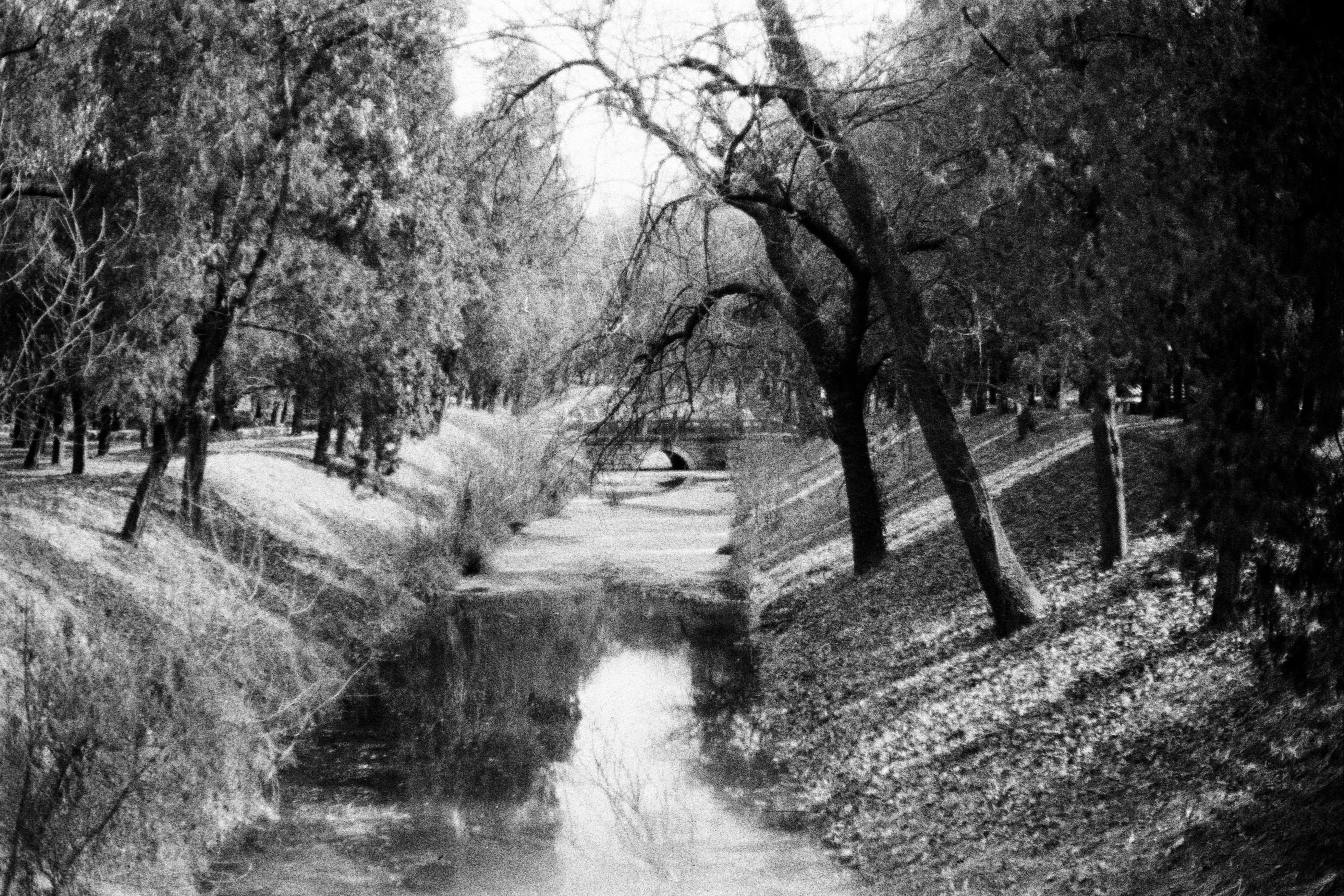
@leftsidestory@mstdn.socialSacred US 😇
神聖的我們 😇
📷 Pentax MX
🎞️ Lucky SHD 400
If you like my work, buy me a coffee or a roll of film from PayPal #filmphotography



 @UP8@mastodon.social
🤚 Handy robot can crawl and pick up objects from multiple angles
#robotics
 @arXiv_csGR_bot@mastoxiv.page
Replaced article(s) found for cs.GR. https://arxiv.org/list/cs.GR/new
[1/1]:
- Locality-Aware Automatic Differentiation on the GPU for Mesh-Based Computations
Ahmed H. Mahmoud, Rahul Goel, Jonathan Ragan-Kelley, Justin Solomon
https://arxiv.org/abs/2509.00406 https://mastoxiv.page/@arXiv_csGR_bot/115139432473803894
- F-scheduler: illuminating the free-lunch design space for fast sampling of diffusion models
Zilai Li, Lujia Bai
https://arxiv.org/abs/2510.02390 https://mastoxiv.page/@arXiv_csGR_bot/115326072853284835
- Mesh Splatting for End-to-end Multiview Surface Reconstruction
Ruiqi Zhang, Jiacheng Wu, Jie Chen
https://arxiv.org/abs/2601.21400 https://mastoxiv.page/@arXiv_csGR_bot/115983057390044475
- InterMimic: Towards Universal Whole-Body Control for Physics-Based Human-Object Interactions
Sirui Xu, Hung Yu Ling, Yu-Xiong Wang, Liang-Yan Gui
https://arxiv.org/abs/2502.20390 https://mastoxiv.page/@arXiv_csCV_bot/114080380833806621
- Attention in Geometry: Scalable Spatial Modeling via Adaptive Density Fields and FAISS-Accelerate...
Zhaowen Fan
https://arxiv.org/abs/2601.06135 https://mastoxiv.page/@arXiv_csLG_bot/115887382327150666
- Under-Canopy Terrain Reconstruction in Dense Forests Using RGB Imaging and Neural 3D Reconstruction
Refael Sheffer, Chen Pinchover, Haim Zisman, Dror Ozeri, Roee Litman
https://arxiv.org/abs/2601.22861 https://mastoxiv.page/@arXiv_csCV_bot/116000605470776021
toXiv_bot_toot
