 @kexpmusicbot@mastodonapp.uk
2026-01-31 21:08:13
 @netzschleuder@social.skewed.de
2026-01-30 12:00:05
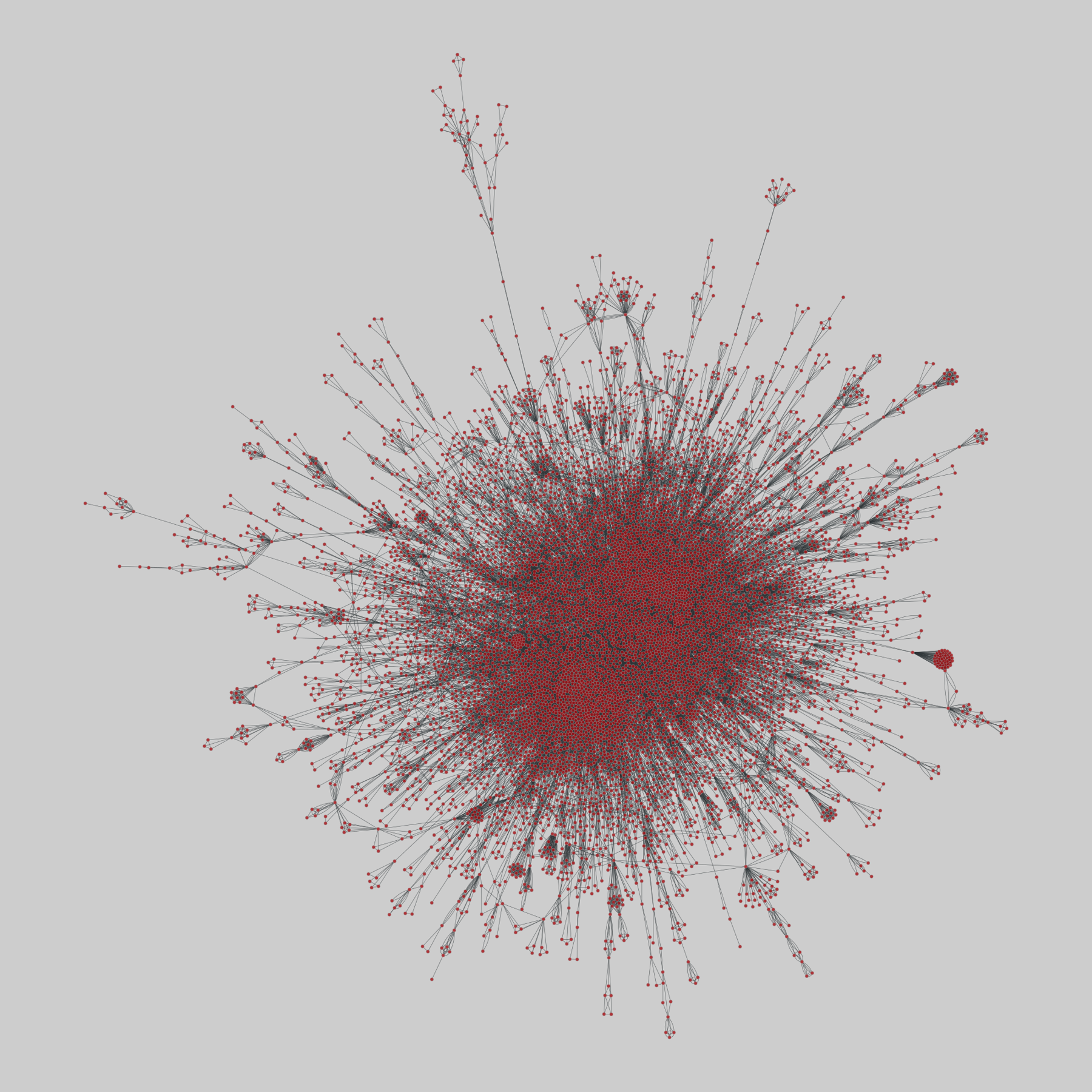
physics_collab: Multilayer physicist collaborations (2015)
Two multiplex networks of coauthorships among the Pierre Auger Collaboration of physicists (2010-2012) and among researchers who have posted preprints on arXiv.org (all papers up to May 2014). Layers represent different categories of publication, and an edge's weight indicates the number of reports written by the authors. These layers are one-mode projections from the underlying author-paper bipartite network.
This n…
 @mgorny@social.treehouse.systems
2026-03-28 11:10:23
While working through another last rites slew, I was thinking that back in the day there were a number of developers who believed they should add a lot of packages to #Gentoo, in the name of giving users a choice. Like, they were projects whose sole purpose of existence seemed to be to find every piece of software that roughly fit a specific topic, get it to build and package it for Gentoo.
Of course, the long-term effect of that is that there's a lot of unmaintained, often broken packages. "The choice" doesn't really work. Sure, users have a lot of packages to choose from — but they have to actually figure out which of these packages are actually useful (if any).
A few years ago attempting to remove packages also faced some verbal opposition. You shouldn't remove unmaintained or outdated packages, because they still work. You shouldn't remove packages that sometimes fail to build, because some flag combinations still work. You shouldn't remove packages that don't build at all, because the user can visit Forums and find some workaround to make them build 🤦. Or they'll have an ebuild handy to start working on it. And anyway, you shouldn't be removing stuff at all, but fixing it instead.
Sometimes the arguments were straight dishonest too: people literally said we need more packages to lure new users in. Like, it didn't matter to them that the packages didn't really work and that the people trying to use them will get a nasty surprise. They wanted people to say "hey, Gentoo has this software we need, let's start using Gentoo".
 @heiseonline@social.heise.de
2026-02-26 17:25:00
 @metacurity@infosec.exchange
2026-01-27 15:02:20
Holy moly, there is a ton of cybersecurity news today so don't miss Metacurity for the most critical developments you should know, including
--Treasury cancels Booz Allen contracts ostensibly over inadequate data security,
--Salt Typhoon hacked senior UK officials for years,
--Pegasus spyware victim awarded $4.1m over Pegasus infection,
--US Marshals are probing alleged theft of $40m in confiscated digital assets,
--Nike is investigating a potential data brea…

 @khalidabuhakmeh@mastodon.social
2026-02-24 19:12:48
With the boom in AI side projects, I would have expected the number of packages created from 2025 to now to be a bit higher. Especially when you consider that #dotnet solutions have package sprawl (e.g., 1 solution has 20 packages).

 @AimeeMaroux@mastodon.social
2026-02-01 02:32:56
#WordWeavers January 29 — Have you ever written a pet into one of your stories?
Several of the Greek gods have pets in Greek #mythology, so yes! Dionysos has pet panthers, for example, Demeter has dragons, and Zeus has fucking Pegasos to carry his thunderbolts, though I have not actually…
@netzschleuder@social.skewed.de2026-02-25 15:00:04
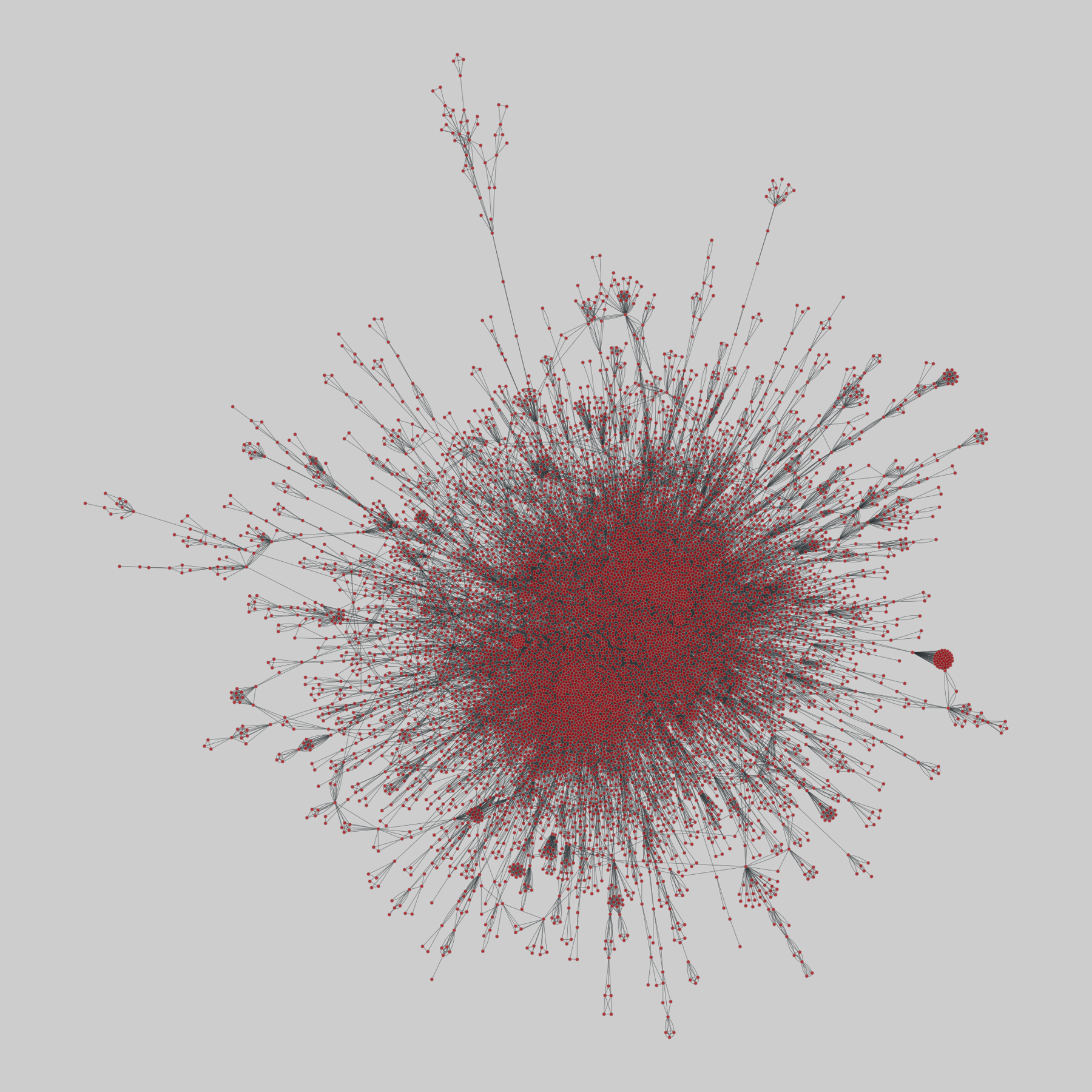
physics_collab: Multilayer physicist collaborations (2015)
Two multiplex networks of coauthorships among the Pierre Auger Collaboration of physicists (2010-2012) and among researchers who have posted preprints on arXiv.org (all papers up to May 2014). Layers represent different categories of publication, and an edge's weight indicates the number of reports written by the authors. These layers are one-mode projections from the underlying author-paper bipartite network.
This n…
 @netzschleuder@social.skewed.de
2026-02-25 20:00:04
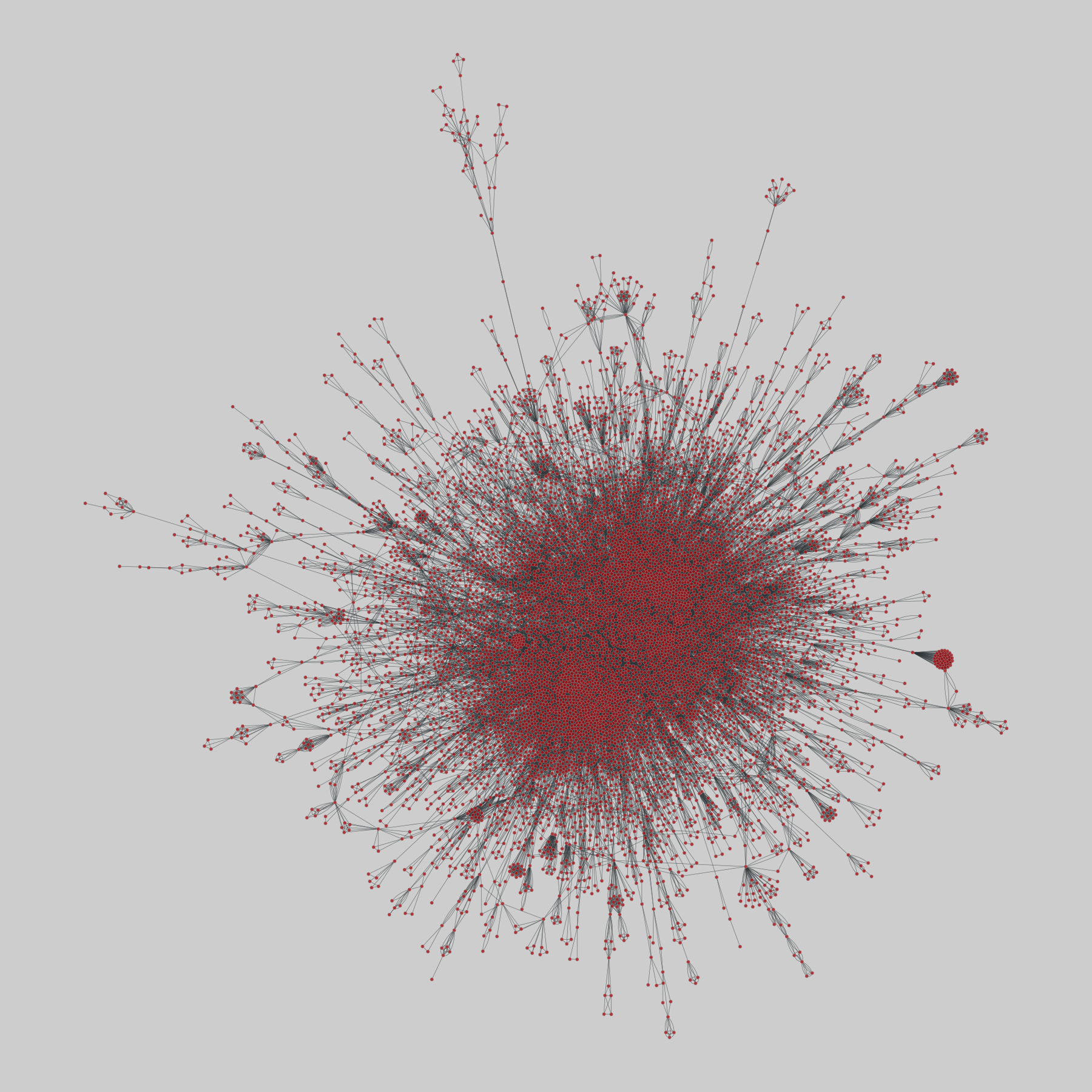
physics_collab: Multilayer physicist collaborations (2015)
Two multiplex networks of coauthorships among the Pierre Auger Collaboration of physicists (2010-2012) and among researchers who have posted preprints on arXiv.org (all papers up to May 2014). Layers represent different categories of publication, and an edge's weight indicates the number of reports written by the authors. These layers are one-mode projections from the underlying author-paper bipartite network.
This n…