 @Mediagazer@mstdn.social
2026-02-09 22:25:44
Dan Bongino returns to Fox News tonight as a contributor following his stint as the deputy director of the FBI, starting with Sean Hannity's show (Sean James/Mediaite)
https://www.mediaite.com/media/just-in-dan-bongino-returning-to-…

 @jamesthebard@social.linux.pizza
2026-02-09 20:19:20
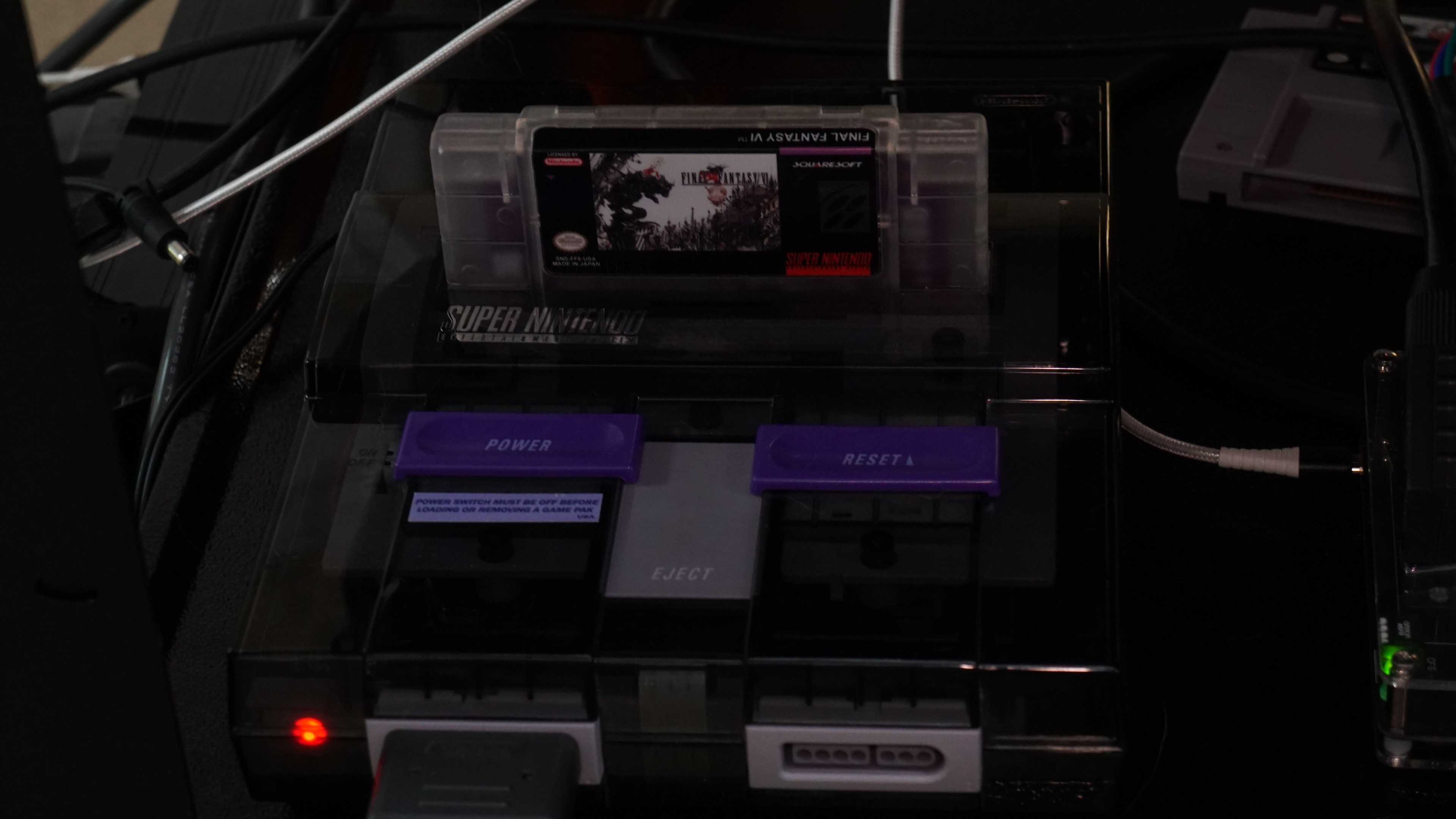
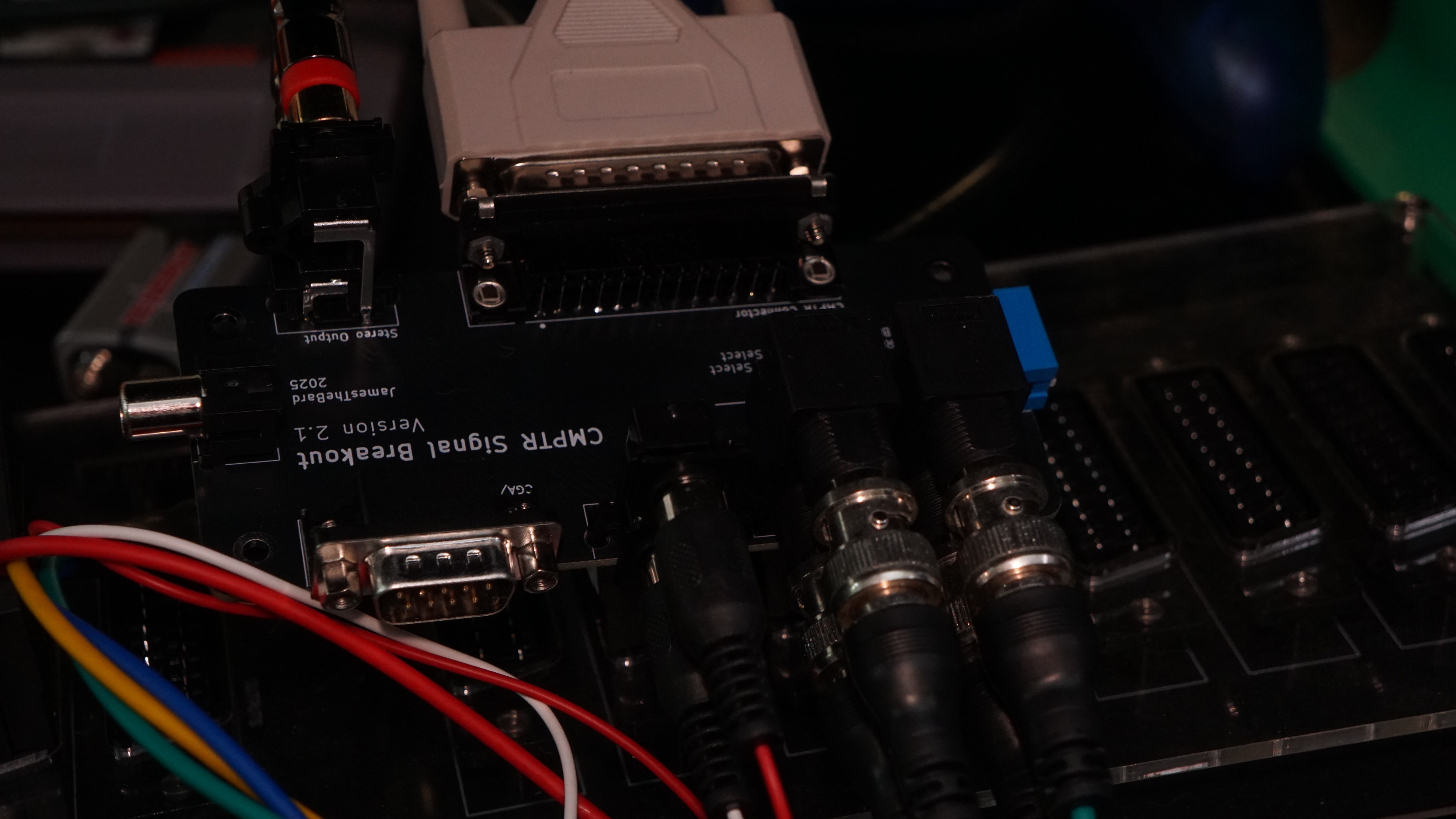
Still not feeling great, but figured today would be a great day to finally test out the entirety of the custom FF6 cart I built so long ago. Broke out the Sony PVM-2530, got everything hooked up, and now it's time to beat all of the things down.
The SNES is modded with Voultar's SNESRGB mod, and the video/audio goes out via a SCART connector into the SCART switch (`gscart`), then into the CMPTR adapter, _then_ into the Sony PVM.
I do have two SCART switches, and if you…

 @servelan@newsie.social
2026-01-30 16:24:01
'Just following orders':
Kristi Noem Blames Her Actions on Trump and Stephen Miller
https://www.mediaite.com/media/news/noem-says-everything-ive-done-has-been-directed-by-trump-and-stephen-miller-report/
 @tinoeberl@mastodon.online
2026-01-28 16:10:30
Heute kommt auf Tele 5 ein Film, wo irgendwelche Leute versuchen, das Leben auf dem #Mars zu retten, aber selbst die #Filmkritik hat die angewendete Methode wohl nicht verstanden.
Also vermutlich eine Lösung ohne
 @markhburton@mstdn.social
2026-02-25 20:07:07
As the "last falangista*" dies, fascism is again on the rise.
Just an example from Manchester.
In the nearby parliamentary constituency, a candidate with connections to race pseudoscience organisations, with Nazi pedigree, could win a crucial by-election.
*Falange= Franco's fascist party.
Muere a los 93 años el golpista Antonio Tejero, brazo ejecutor del 23F

 @UP8@mastodon.social
2026-01-27 22:19:16
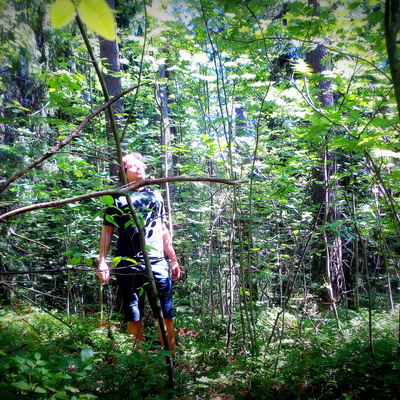
🐬 Climate engineering would alter the oceans, reshaping marine life. Our new study examines each method's risks
https://phys.org/news/2026-01-climate-oceans-reshaping-marine-life.html

 @Dragofix@veganism.social
2026-04-04 22:05:54
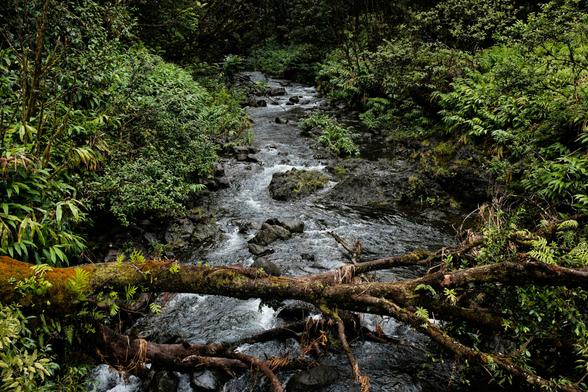
Why forest loss is making our watersheds leak rain #environment
 @karlauerbach@sfba.social
2026-03-29 14:19:15
Oh, I see that news.google.com is now re-writing headlines. Or at least synthesizing them from URLs. Whatever the method, what Google shows in its news is not the same as on the article if actually viewed by a reader.
For instance in the following article the actual headline is:
"Iran Claims It Struck American AWACS Aircraft In Saudi Airbase Strike"
But Google news rewrote that to be (or pulled it from the URL):
"Images Show Crucial American E-3 Sentr…
 @cdarwin@c.im
2026-03-23 15:05:08
Alex Vindman is not a man to hold a grudge.
Ask him about the bullying, intimidation and retribution meted out by Donald Trump and Maga acolytes following his appearance as a key witness in the first of the president’s two first-term impeachments, and he almost shrugs it off.
“I’m an optimist by nature. I’m more focused on the future than the past, and this idea of vindictiveness or grievance is completely opposite of my personality.
-- Now, accountability is essential …”
 @vyskocilm@witter.cz
2026-02-28 07:43:53
That was unexpected. Generic methods accepted for Go
#go