 @Mediagazer@mstdn.social
2026-08-23 01:10:53
Mark Ruffalo says Paramount's framing of his criticism of the WBD deal as "antisemitic" is "appalling and fundamentally dishonest" and deal scrutiny is needed (Zachary Leeman/mediaite.com)
https://www.
@Mediagazer@mstdn.socialMark Ruffalo says Paramount's framing of his criticism of the WBD deal as "antisemitic" is "appalling and fundamentally dishonest" and deal scrutiny is needed (Zachary Leeman/mediaite.com)
https://www.
 @elduvelle@neuromatch.social
I also forgot to post a photo of the magnificent view of a walk I did a few weeks ago next to #Balquhidder, the "Creag-an-tuirc" viewpoint
https://www.walkhighlands.co.uk/lochlomond

 @markhburton@mstdn.social
Britain's leading climate scientist, Kevin Anderson:
"The Government has presented its decision as pragmatic. But pragmatism is a political framing, not a physical property of the climate system. More fossil fuels, when burned, mean more CO₂ in the atmosphere, higher global temperatures, greater climate impacts and increased risks of crossing dangerous tipping points."
Jackdaw: a decision for the last century - Climate Uncensored
 @Techmeme@techhub.social
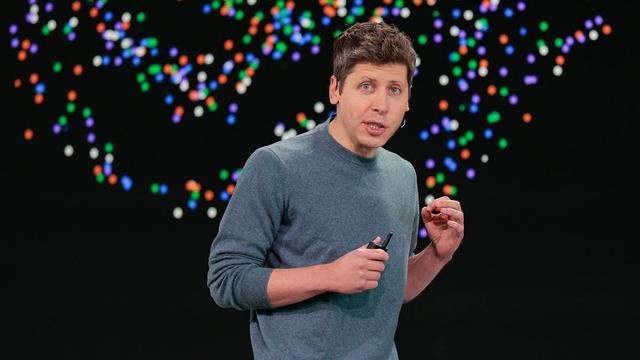
Sources: Sam Altman told OpenAI staff of three AI endgames: an IAEA-style regulator, a CERN-like lab merger, or one lab using RSI to "melt everyone else's GPUs" (The Information)
https://www.theinformation.com/articles/al
 @Cognessence@social.linux.pizza
Forgive these sleep-deprived rantings - they come from a happy, people-appreciating place! :D
It has become freshly amazing to me, the many ways of framing or encountering music. As a child it almost always provoked narrative experience; travel escapades - personalities arriving, things happening, a world generating itself. This disappeared fairly quickly from around ten onwards, and went to abstraction: sound as sound, music as music. In feeling out metaphors to try and give it langua…


 @cosmicray@mastodon.social
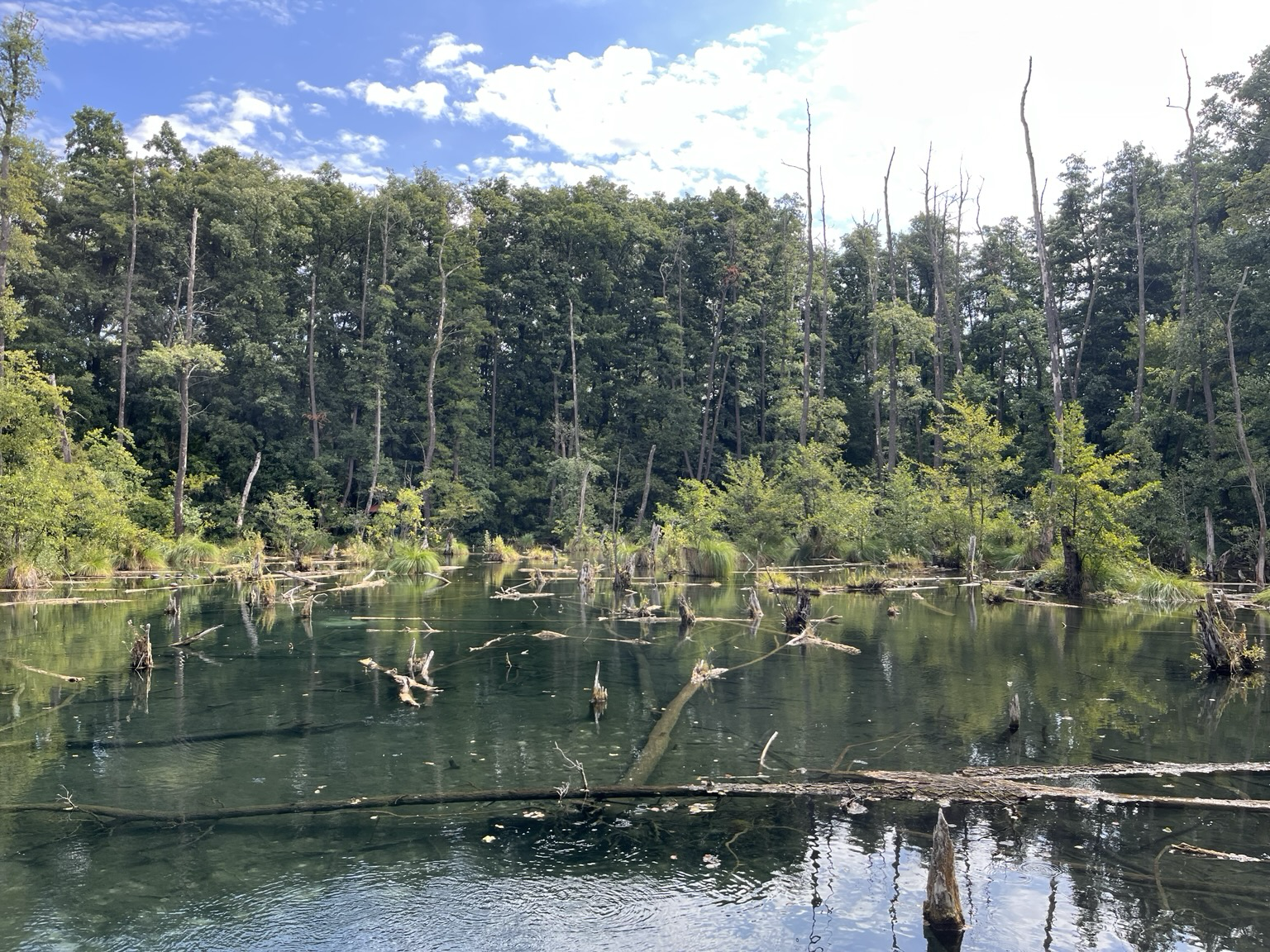
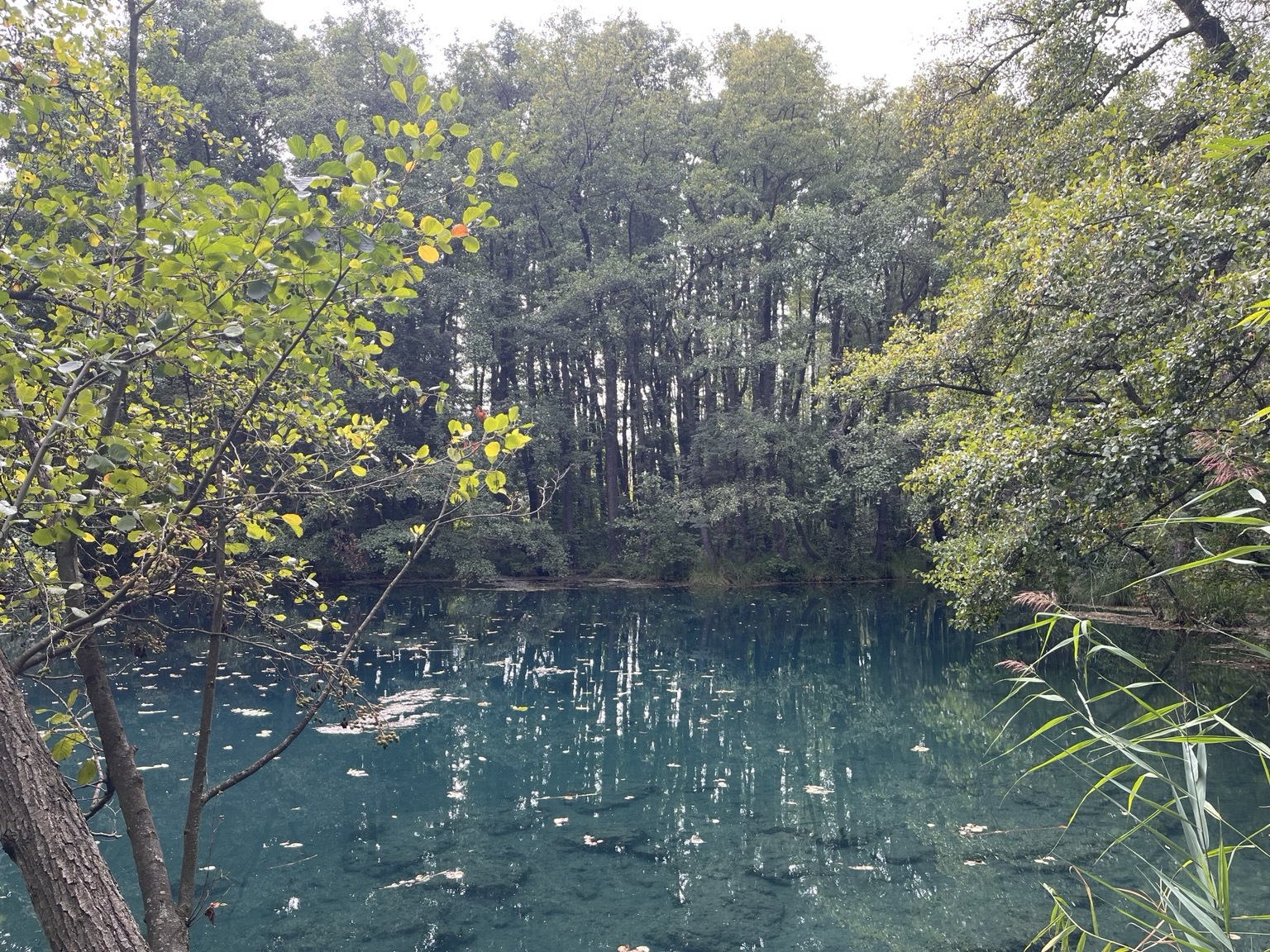
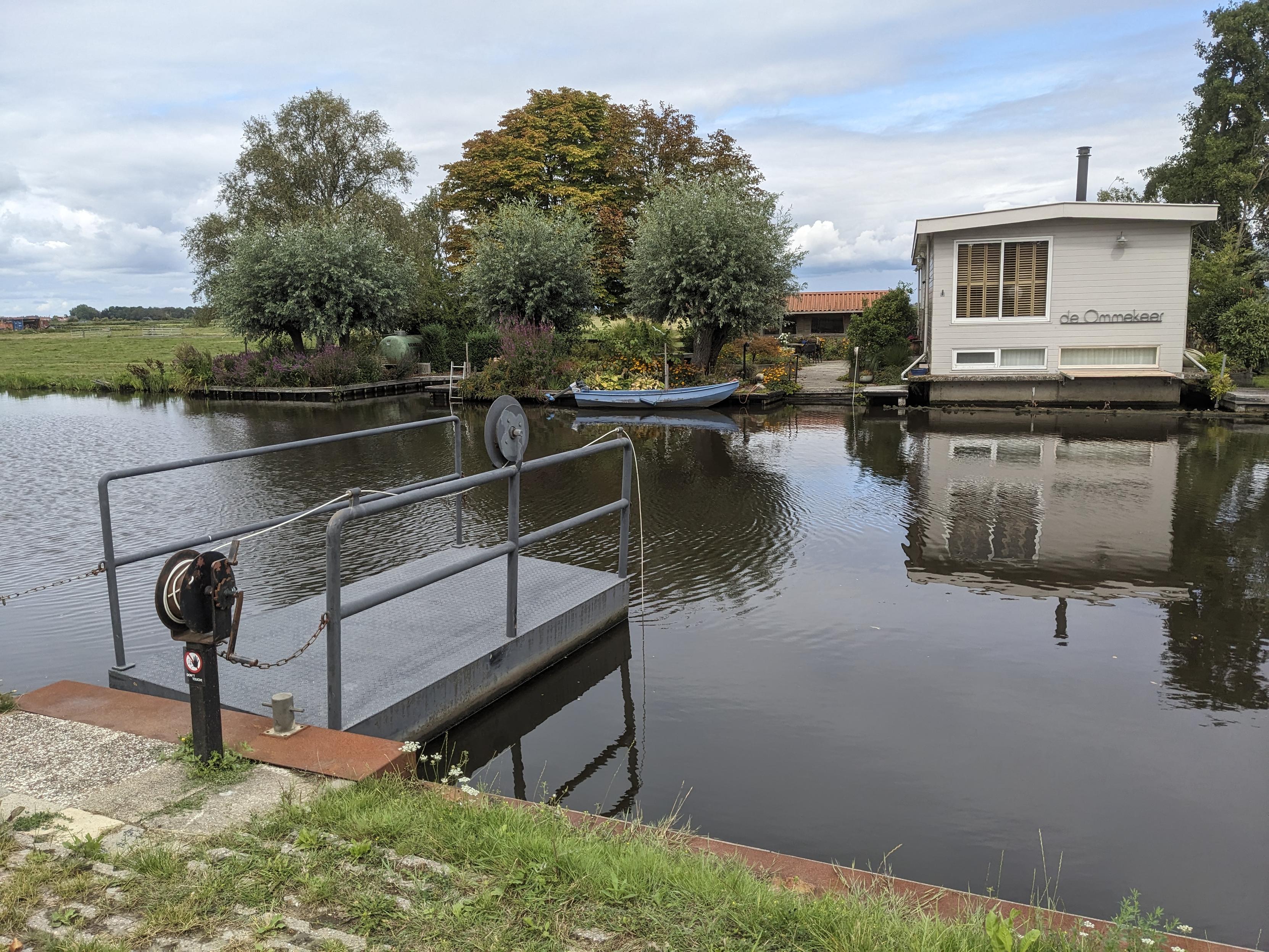
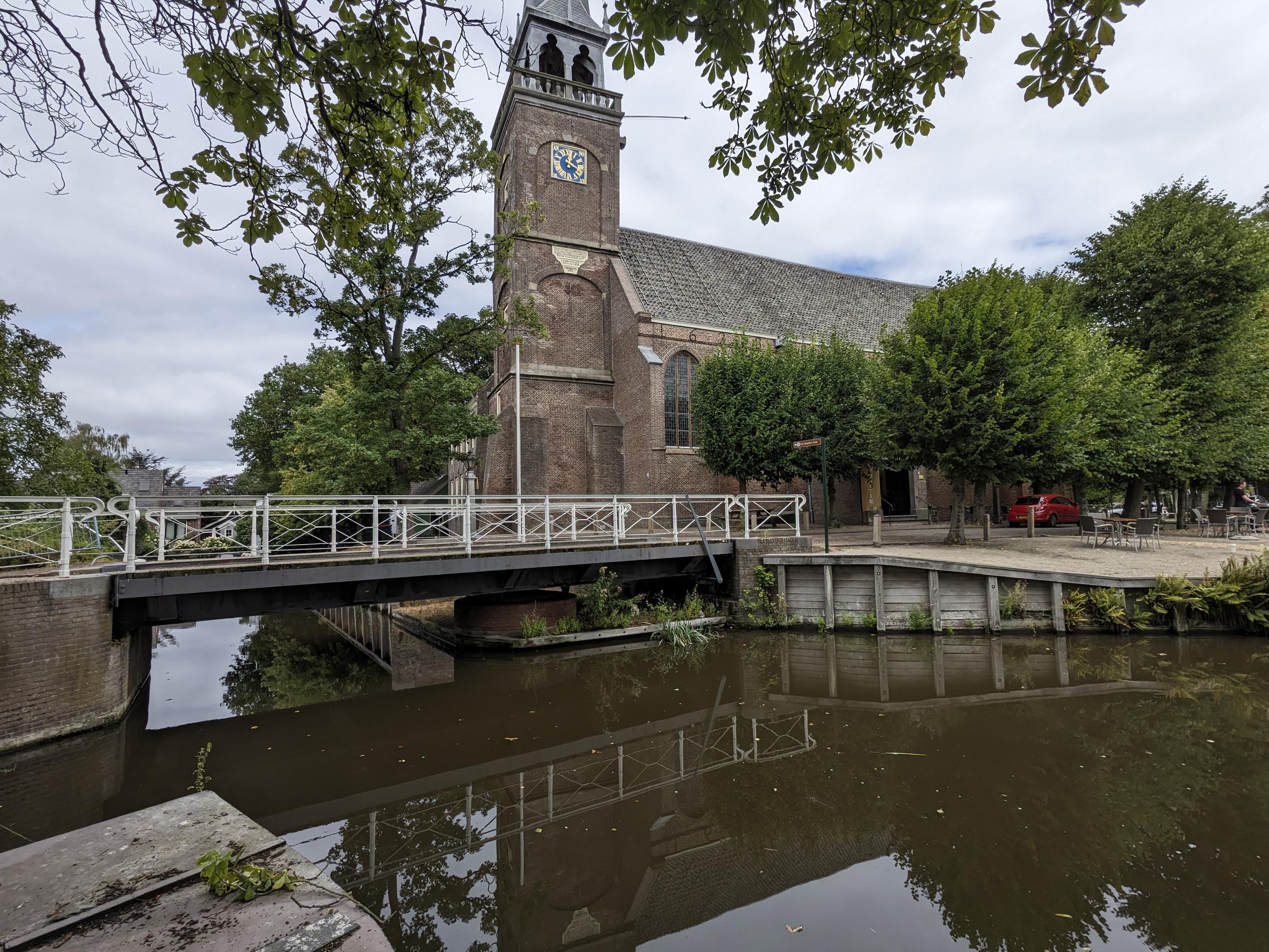
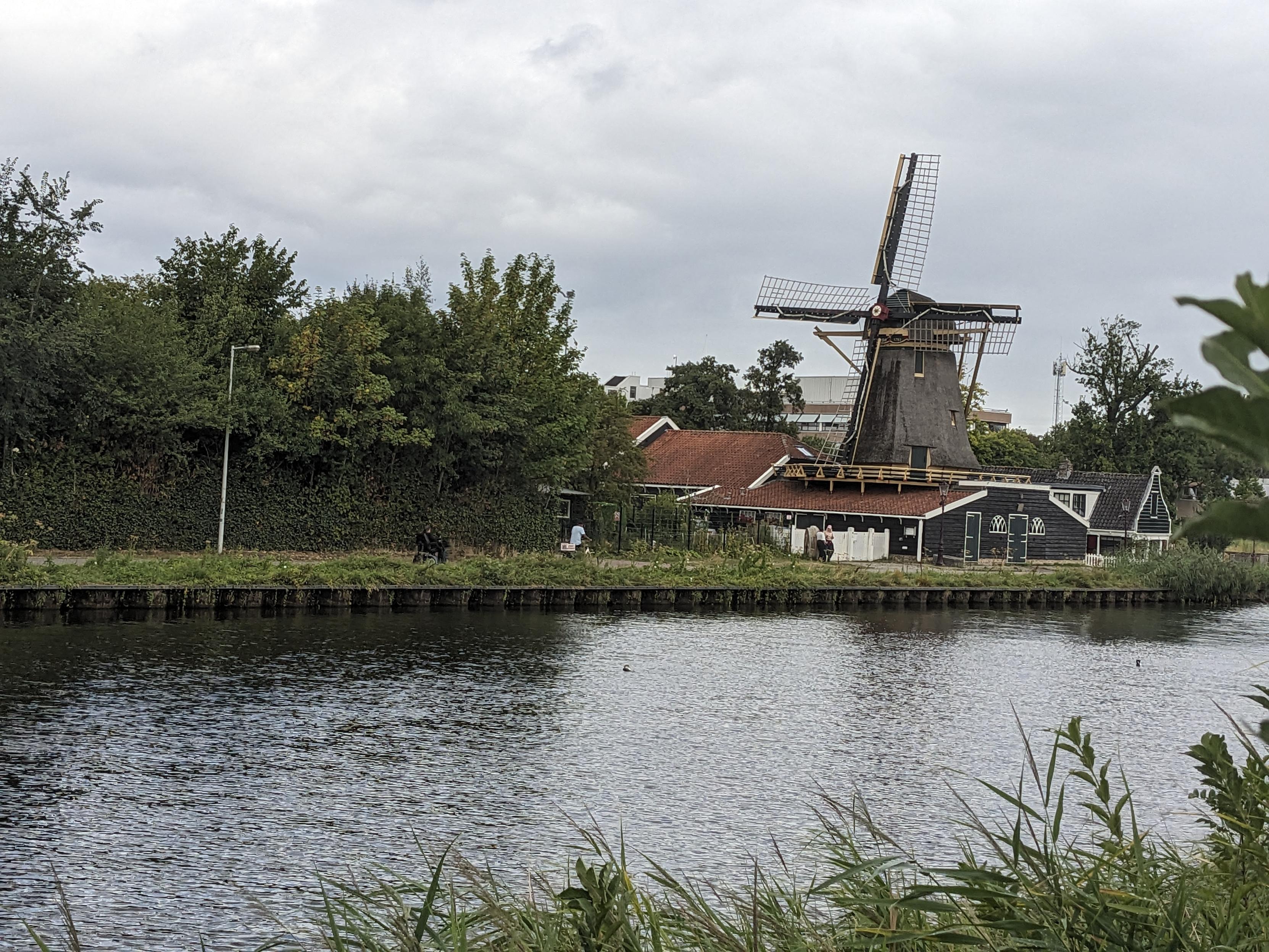
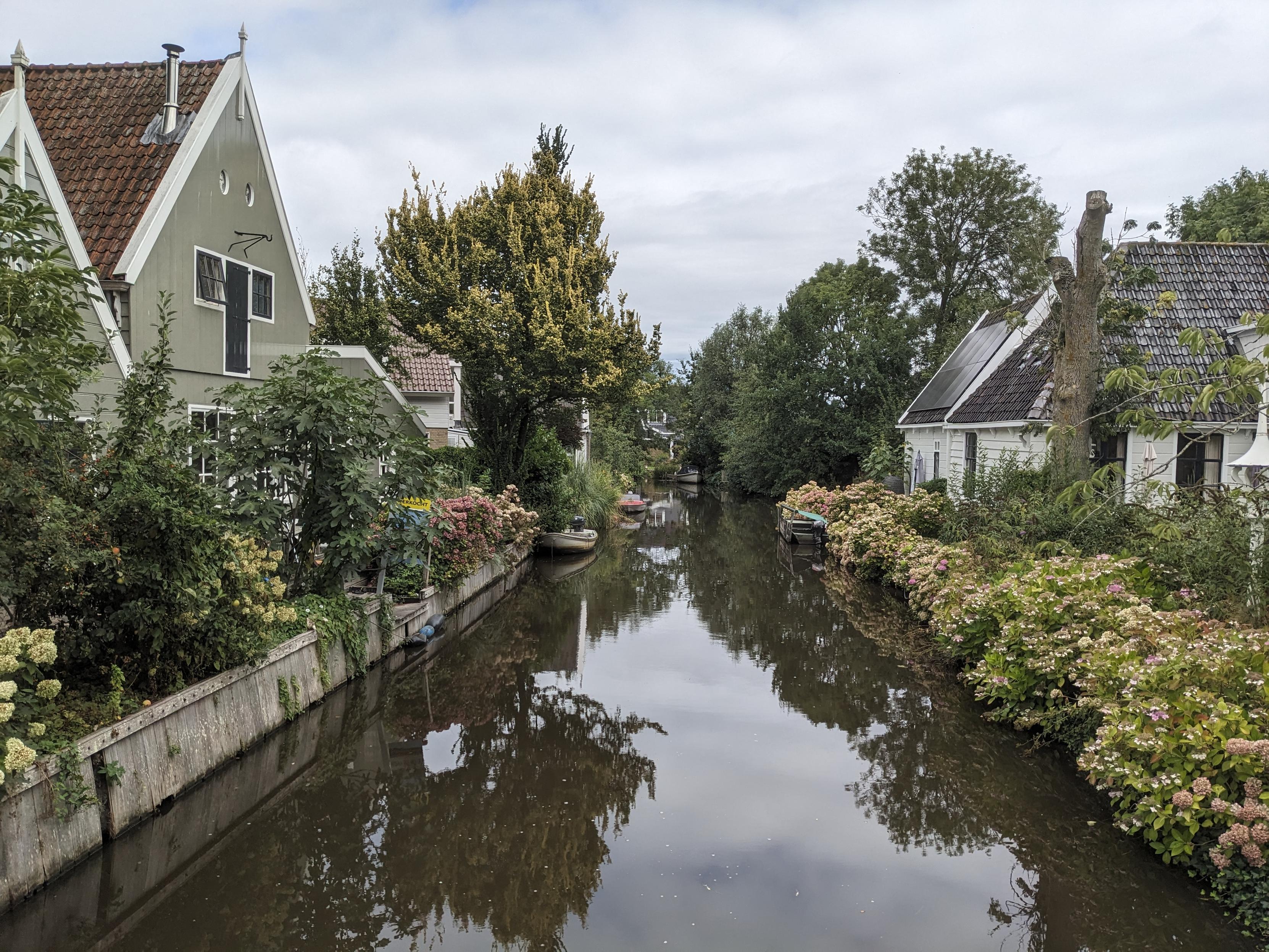
Today I made a little bike tour from Amsterdam out to Broek in Waterland and back.
Not pictured: the goats, sheep, cattle, chickens, cats, ducks and fruit trees along the way. (It's a framing region.)
#Nederland
 @cdarwin@c.im
Age-related restrictions are developing quickly around the world.
While they differ radically across jurisdictions, in the past year, we’ve witnessed a sharp uptick toward mandatory age assurance for social media access
but also for other high-risk digital services.
What happens to people who cannot verify their age?
This is particularly a problem when users are required to prove their age with identity documents.
The Access Problem
Age verification laws…
 @andres4ny@social.ridetrans.it
Of course they're mostly white. An education lawyer costs like $8k per year per kid. That's money you don't get back.
The politico framing here makes me furious, though - "kids benefiting from this public funding". Fuck you. This is a huge pain in the ass and is expensive, for something that the NYC Dept of Education should be providing. No one *wants* to be going through this shit. We wouldn't have to if the DOE could actually handle basic stuff like IEPs.

 @simon_brooke@mastodon.scot
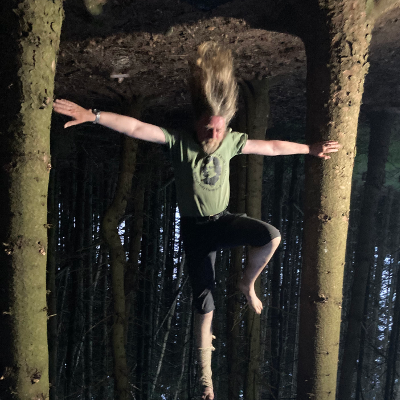
I've been working on the sawmill this morning, cutting 100x50mm timbers for framing the roof of the new workshop.


 @jswright61@ruby.social
Grand wash trail, Capital Reef National Park this was midway through a 4.5 mile hike.
I wished it was a 3.5 mile hike, but I did fine. My left knee is not good 6 months after replacement despite much pt and individual rehab work. This trip was planned with a good result in mind, but I said F it, hurts at home, might as well see some beautiful country.
It’s just Collette and I so the stakes are low if I have to bail on anything. So far, so good.

 @mela@zusammenkunft.net
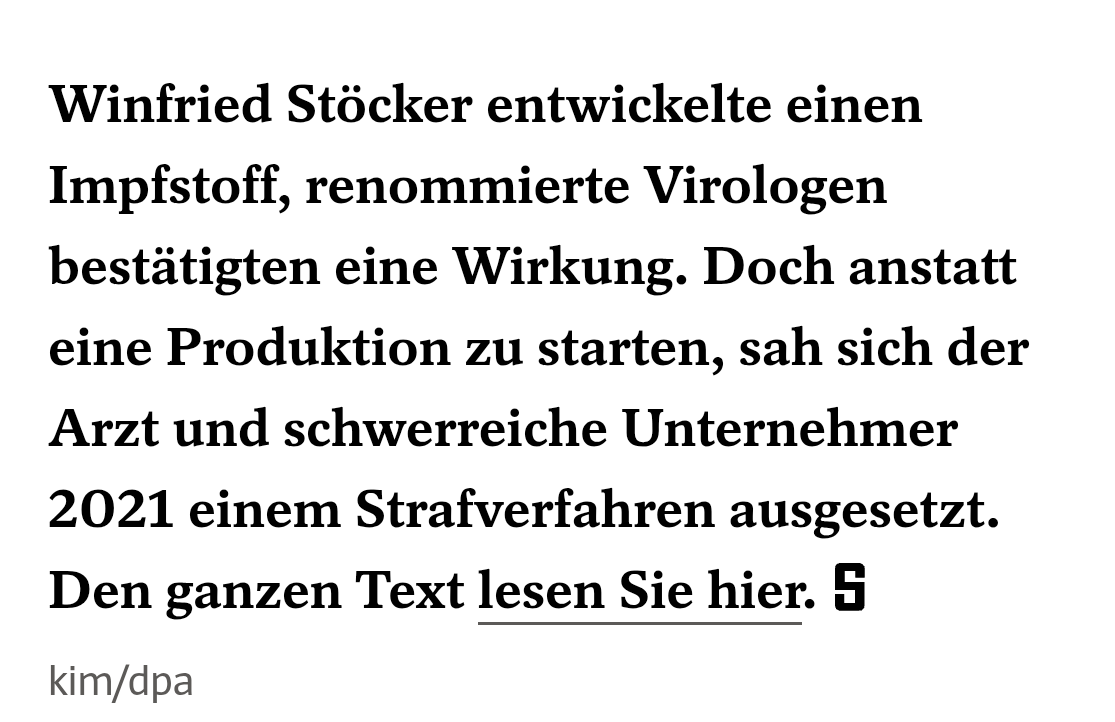
Das ist ermsthaft das Framing des SPIEGEL zur ethisch mehr als fragwürdigen "Entwicklung" von Stöckers "Impfstoff", bei der er bewusst alle seriösen Standards unterlaufen hat.
Wir haben ein Medienproblem.
 @mxp@mastodon.acm.org
Amazon, Google, and Microsoft are “all engaged in a combination of multiple outright price increases and changing their core subscriptions to force AI features on them as a means of boosting revenues and conning the street into believing that ‘AI is paying off’ every time they non-consensually thrust it on their customers, framing higher prices as ‘better value’ in a way that fucks the user to appease Wall Street.”
@mxp@mastodon.acm.orgAmazon, Google, and Microsoft are “all engaged in a combination of multiple outright price increases and changing their core subscriptions to force AI features on them as a means of boosting revenues and conning the street into believing that ‘AI is paying off’ every time they non-consensually thrust it on their customers, framing higher prices as ‘better value’ in a way that fucks the user to appease Wall Street.”
@mxp@mastodon.acm.orgAmazon, Google, and Microsoft are “all engaged in a combination of multiple outright price increases and changing their core subscriptions to force AI features on them as a means of boosting revenues and conning the street into believing that ‘AI is paying off’ every time they non-consensually thrust it on their customers, framing higher prices as ‘better value’ in a way that fucks the user to appease Wall Street.”
 @aardrian@toot.cafe
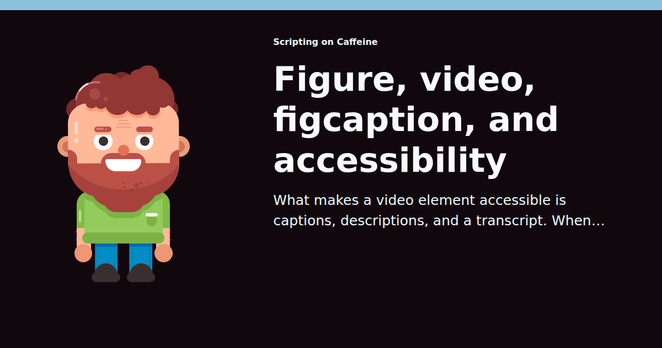
“Figure, video, figcaption, and accessibility”
https://schalkneethling.com/posts/figure-figcaption-video-and-accessibility/
Does a nice job of distilling other sources (some of them mine), testing, and framing.
 @primonatura@mstdn.social
"Factcheck: No, Europe’s heatwaves are not being ‘caused’ by declining air pollution"
#Europe #Heatwave #AirPollution
 @toxi@mastodon.thi.ng
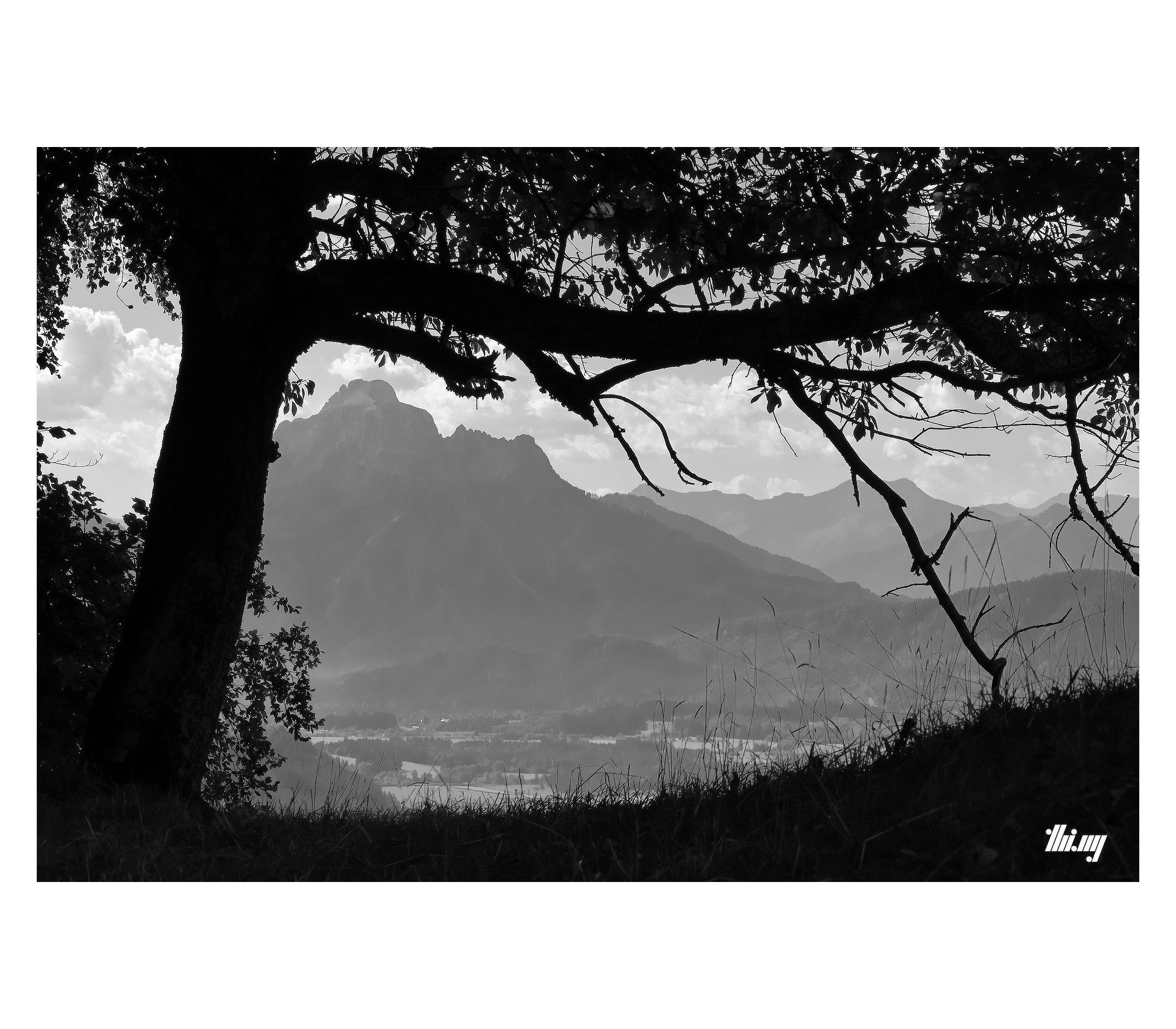
Säuling Scherenschnitt (2026)
#MonochromeMonday #LandscapePhotography #Photography #BlackAndWhite
 @fazalmajid@vivaldi.net
@… @… no, but victory recedes if we accept the specious framing the copyright cartels want to normalize.
 @azonenberg@ioc.exchange
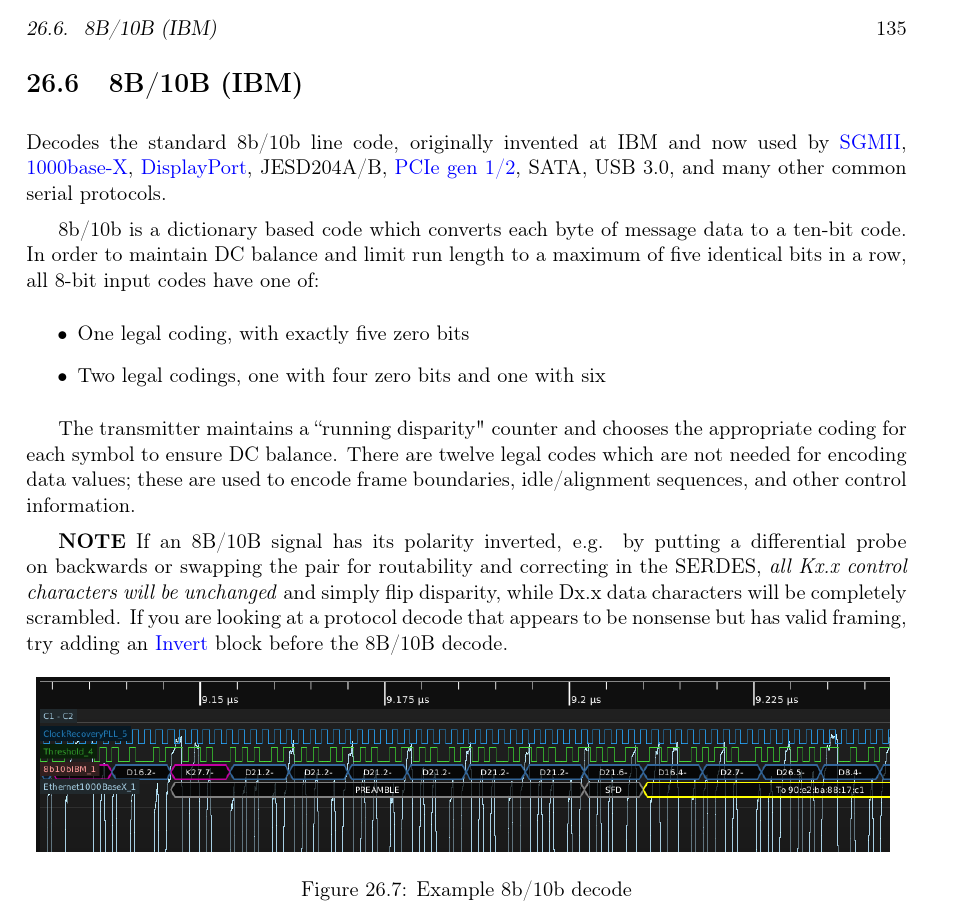
Updating the ngscopeclient manual in advance of the upcoming v0.2 release and decided to add this note in hopes that it will save someone else hours of debugging in the future.
 @inthehands@hachyderm.io
RE: https://eupolicy.social/@jmaris/117461810385145539
Watched it the first time for the highly satisfying “Yeah! Go get him!!” reaction. But I’ll be bookmarking this to study exactly how El-Sayed handled it: his word choices and rhetorical structure, which parts he did and did not choose to engage with, how he did and did not let his interlocutor respond, what he left said and unsaid, how he held control of the framing of the whole conversation. This is a master class.
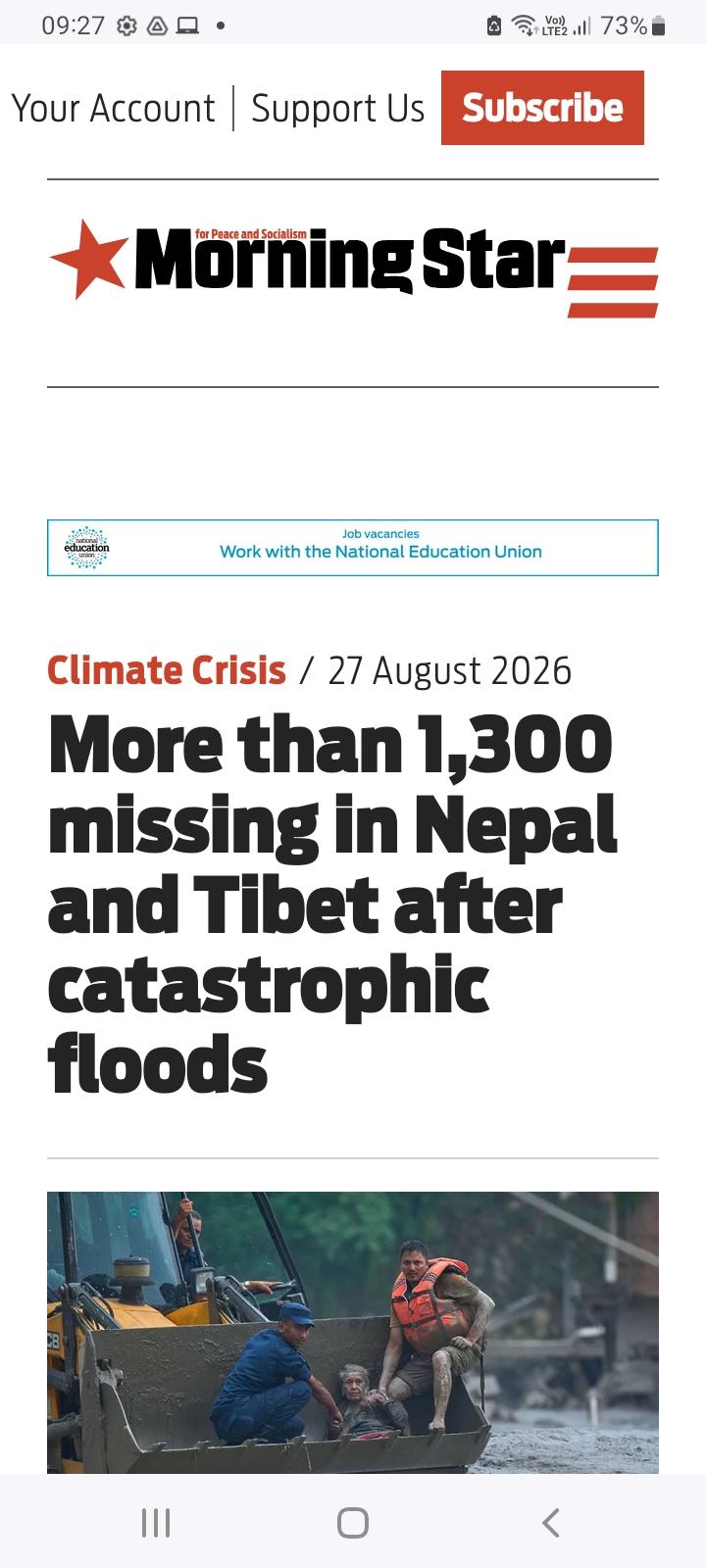
@markhburton@mstdn.socialCorrect framing from the Morning Star.
https://morningstaronline.co.uk/article/nepal-tibet-flash-floods-himalayas-climate-crisis-glacier-mudslides-disaster
 @andres4ny@social.ridetrans.it
There's some pretty weird discourse on here comparing self-hosting to the trad-wife movement. Like, no?
Anyways, self-hosting is entirely the wrong framing. Ownership of your data is what matters, and we need products and apps that respect that. That might look like self-hosting, that might look like p2p (why does a password manager need a *server*??), that might look like free software, that might look like community hosting (eg, riseup), that might look like legislation...
 @burger_jaap@mastodon.social
De denkarmoede straalde altijd al van deze personen af, dat is niet verrassend (en voorheen schreven ook al anderen dit soort teksten voor bewindslieden). Het past bij de tijd: politiek niet als strijd om ideeën maar strijd om schermtijd. Framing en perceptie boven oplossingen.
https://nos.nl/nieuwsuur/artikel/2630516-jetten-deed-het-op-sociale-media-deze-kabinetsleden-schreven-hele-speeches-met-ai
 @PwnieFan@infosec.exchange
RE: https://cyberplace.social/@GossiTheDog/117412657396038851
“Did OpenAI even solve the right Navier-Stokes problem? … It solves a variant of the problem that mathematicians say is disconnected from reality and thus less interesting. In a sense, the LLM found and exploited a loophole in the framing of the question.”
 @Ruhrnalist@mastodon.social
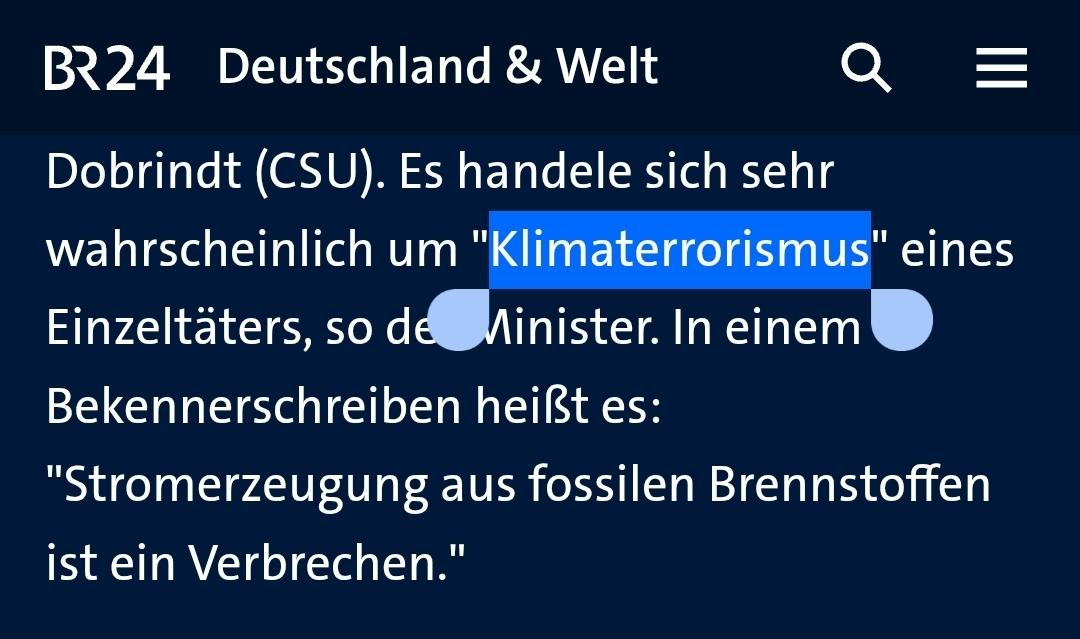
Das Framing "Klima-Extremismus" von Dobrindt verselbständigt sich jetzt. Zahlreiche Medien eskalieren jetzt zum Klimaterrorismus.
Der Begriff "Klimaterroristen" wurde noch 2022 zum Unwort des Jahres gekürt. Die Aktivisten würden damit "kriminalisiert und diffamiert".
 @aardrian@toot.cafe
“Figure, video, figcaption, and accessibility”
https://schalkneethling.com/posts/figure-figcaption-video-and-accessibility/
Does a nice job of distilling other sources (some of them mine), testing, and framing.
 @tiotasram@kolektiva.social
Earth's futures can be divided into two categories: futures which support human life and those that don't.
The IPCC reports have avoided framing things this way, but burn enough fossil fuels quickly enough and you tip over into the later.
Note that this logic applies to any sub-region of the Earth too: some unknown number of years ago, thanks to ExxonMobil's sales of oil and duplicity about the known risks, the tipping point into "unlivable future" was crossed with respect to a segment of the Trishuli river in Nepal, and just this year that future was realized quite suddenly. In individual apartments across North America and Europe this summer thousands of people found themselves in unlivable futures due to heat waves, and millions more avoided that fate narrowly through the use of air conditioning which could well fail in future heat waves...
What the IPCC reports have been detailing for literally more than three decades is what it would take to tip things the other way. They report this in various forms, but usually at the level of how much CO2 emissions can be permitted on what schedule in order to prevent (locally-)unlivable futures (abstracted as a number of degrees of warming relative to a baseline).
The IPCC reports of emissions and mitigations can be translated into actions: what kind of policy would have to be enacted when by which government in order to avoid an unlivable future. In general however, hierarchical nation-states have proven collectively incapable of meeting *any* of these targets, and so indeed, translating emissions targets into policy actions is increasingly impossible, and has always been an improbable path towards survival. The longer nation states fail to meet the necessary emissions goals (or even accelerate oil drilling), the more drastic action is necessary. We can continue to talk about what kind of national policies might avoid unlivable futures, even as those futures are realized for more and more people, but national policies are not the only kinds of actions that can change the future. Fire example, a national policy shutting down an oil pipeline might avert a certain amount of emissions, but the pipeline owner could also shut it down themselves, or an activist could sabotage it, and the effect would be the same. Lots of different actors have different kinds of actions they can take to create similar effects, and it's the effects that are necessary to avoid unlivable futures.
Effectively, assuming that we will not wind up in a totally unlivable future, this leads to a principle of action substitution. We know what effects are necessary, and if nation states refuse to enact those via policies and companies likewise refuse to make any voluntary changes, then the only actions that remain to be taken are drastic direct actions. Simply put: the longer nations and corporations refuse to do anything to create livable futures, the more people will simply take direct action to achieve the needed carbon emissions reductions, because the alternative for them is death and that alternative is becoming clearer with each climate casualty, so it will be increasingly impossible to threaten them into giving up their lives for corporate profits.
#ClimateChange #ClimateEmergency
 @maxheadroom@hub.uckermark.social
 @cosmos4u@scicomm.xyz
Aurora forecasting apps as communicators of space weather - an exploratory perspective: #aurora apps present auroral visibility. [...] Readability varied widely, with explanatory text ranging from secondary school to college level in the subset of apps with sufficient text for assessment. These findings suggest that modest changes in labeling, time framing, provenance metadata, and plain-language explanation could support more consistent interpretation."
 @peribotsarah@babka.social
The Guardian offers a master class in selective framing and victim blaming: take an Israeli water crisis that was already largely over by publication, foreground its worst moment, recenter the story around Gaza, and portray Israelis as suffering the consequences of their own government’s actions. It also states causation much more strongly than its own evidence supports, while padding the piece with Gaza humanitarian details that do little to explain the desalination outages themselves.
An emotional hit piece dressed up as straight news.
https://www.theguardian.com/world/2026/sep/24/israel-water-shortages-destruction-gaza-treatment-plants-pollution-sanitation-crisis
 @teledyn@mstdn.ca
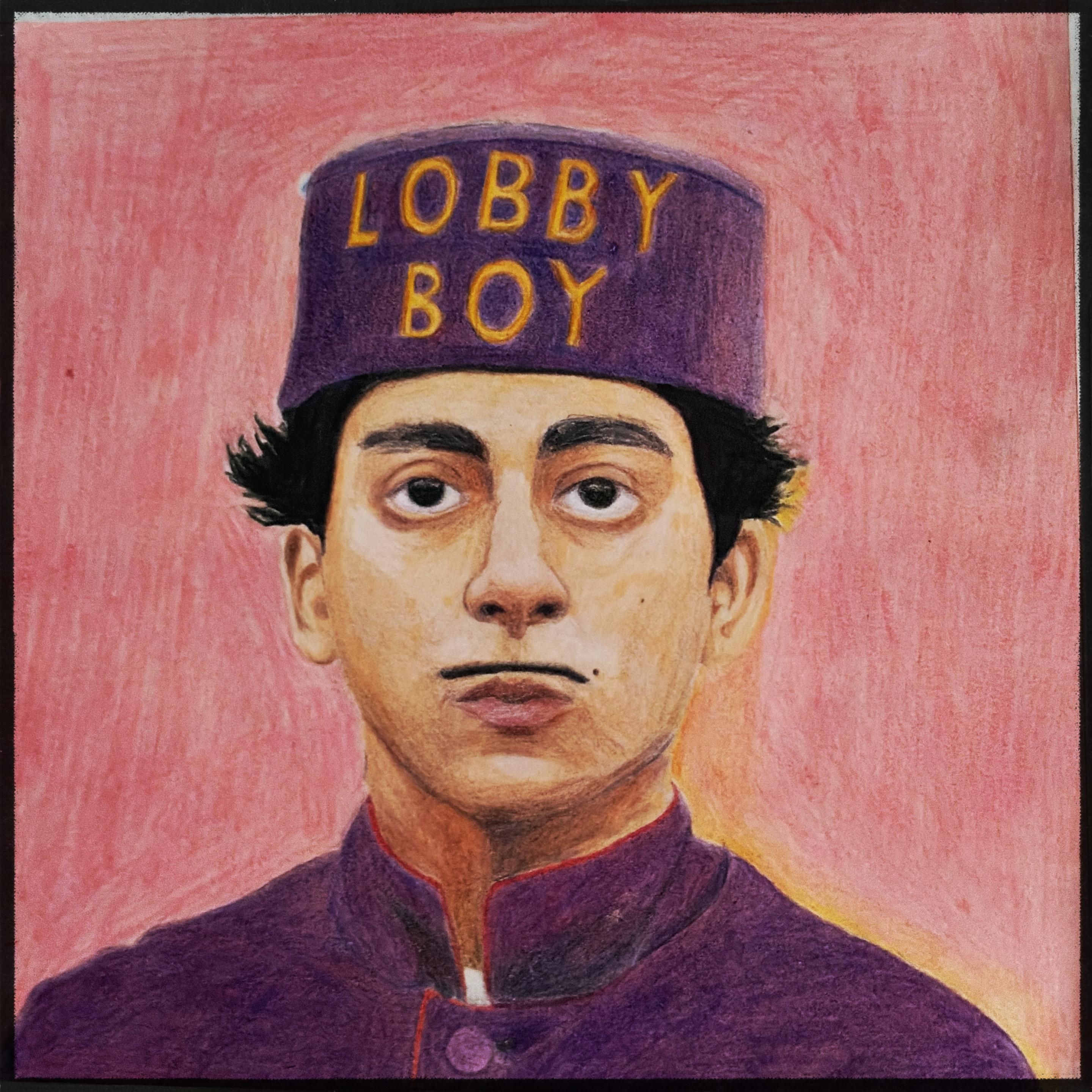
this is everything you need to know about AI
(beautifully typeset and suitable for framing)

 @thomasfuchs@hachyderm.io
Wrt to Codeberg kicking out slop:
“How may the compulsive programmer be distinguished from a merely dedicated, hard-working professional programmer? First, by the fact that the ordinary professional programmer addresses himself to the problem to be solved, whereas the compulsive programmer sees the problem mainly as an opportunity to interact with the computer.
The ordinary computer programmer will usually discuss both his substantive and his technical programming problem with others. He will generally do lengthy preparatory work, [...] He develops his program slowly and systematically. When something doesn't work, he may spend considerable time away from the computer, framing careful hypotheses to account for the malfunction and designing crucial experiments to test them.
[...]
When he has finally composed the program he set out to produce, he is able to complete a sensible description of it and to turn his attention to other things.
The professional regards programming as a means toward an end, not as an end in itself. His satisfaction comes from having solved a substantive problem, not from having bent a computer to his.”
—Joseph Weizenbaum, Computer Power and Human Reason, 1976
@inthehands@hachyderm.ioI rarely link to videos that convey information that could have been a few paragraphs of written text, but this one is good enough that I’m linking to it. Lots of good thoughts in here that add to what I wrote upthread, expressed in a very accessible way.
One worth nothing: the remarks at 4:30 about how the “alignment” framing obscures things we’d normally call “unreliable” or “broken.”
https://sauropods.win/@futurebird/117032480870736138
 @adulau@infosec.exchange
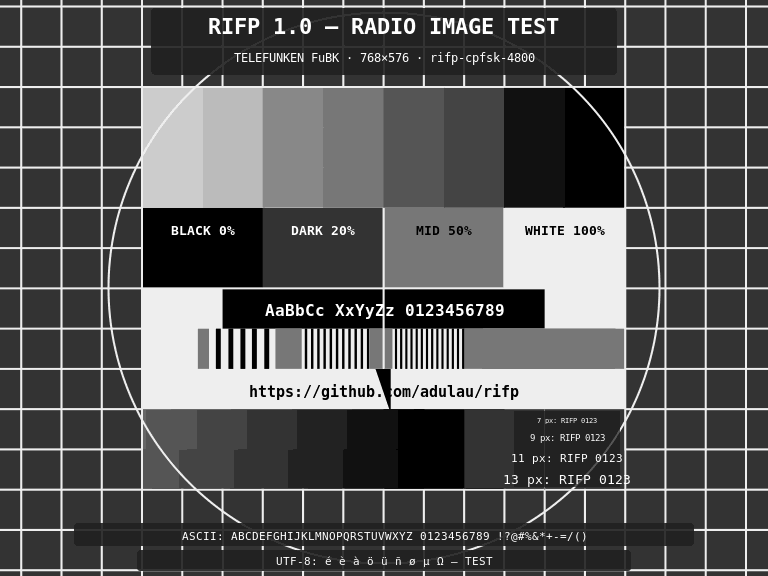
The Radio Image Framing Protocol (RIFP) is an experimental, extensible standard for sending images over low-rate radio links. I did a new version 1.1 with an extension to authenticate the images.
The extension is now published as an Internet-Draft.
#rifp #radio #opensource #openstandard
🔗 RIFP source code https://github.com/adulau/rifp#optional-image-authentication
🔗 RIFP Standard https://datatracker.ietf.org/doc/draft-dulaunoy-rifp/
🔗 RFIP Authentication Extension https://datatracker.ietf.org/doc/draft-dulaunoy-rifp-auth/
 @adulau@infosec.exchange
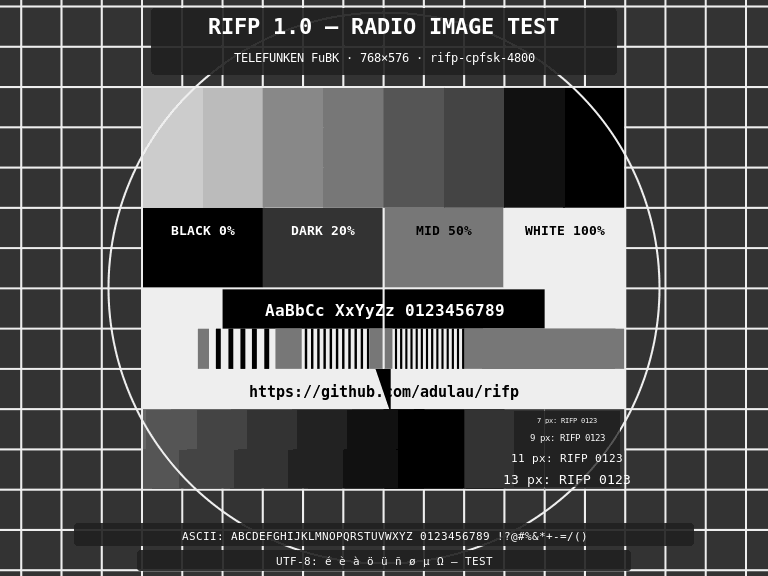
The Radio Image Framing Protocol (RIFP) 1.0 is an experimental, extensible standard for sending images over low-rate radio links.
The default rifp-cpfsk-4800 profile uses binary continuous-phase FSK and can be deployed around 433.92 MHz where local regulation permits it. RIFP itself is not tied to 433 MHz or to FSK and can be used in any frequency bands.
I'm still exploring various low-cost options for a device that can receive and display images on an e-ink screen in emergency areas or similar environments. Python implementation #radio #fax #433mhz #opensource