 @cdarwin@c.im
2025-12-19 02:54:38
The engraving depicts the waveforms of the spoken word "water" in 103 different languages
https://science.nasa.gov/mission/europa-clipper/europa-clipper-vault-plate/
@cdarwin@c.imThe engraving depicts the waveforms of the spoken word "water" in 103 different languages
https://science.nasa.gov/mission/europa-clipper/europa-clipper-vault-plate/
 @NuclearDisorder@mastodon.social
Heute vor 68 Jahren: Am 18. Dezember 1957 speiste das erste zivile #Kernkraftwerk in #Shippingport Strom ins Netz. Zurückzuführen war das KKW auf eine Initiative von Eisenhower Kernenergie friedlich zu nutzen um der Bevölkerung, nach Hiroshima und Nagasaki, die Angst zu nehmen.

 @AimeeMaroux@mastodon.social
Achilles is doing it in the Herakles position like the demigod he is in this piece of classical reception 👌
#Briseis and #Achilles, likely by Jacques Joseph Coiny, 1798 CE
#PhallusThursday

 @ClaireFromClare@h-net.social
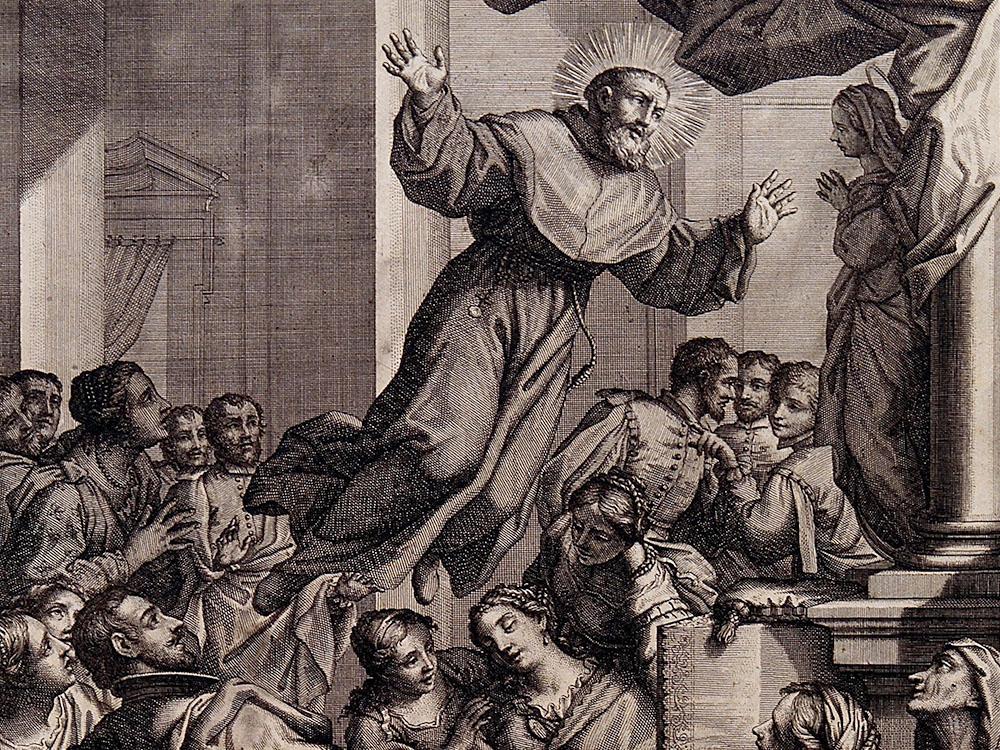
David Loggan spent 12 years sketching & engraving the town & colleges of Cambridge before publishing his book of plates in 1690 as 'Cantabrigia Illustrata'. Background: https://www.museumofcambridge.org.uk/2025/10/david-loggans-views-of-ca…

 @brian_gettler@mas.to
The latest issue of the journal I edit - the Canadian Historical Review - dropped last week. It includes articles on the influence of Indigenous practices on European medicine (it'll help you understand the origins of the term "blowing smoke up your ass" too), First Nations' dispossession and the funding of settlement, early campaigns for the abolition of the death penalty, Trudeau's return to power in 1980, and the UN's World Refugee Year.
Check it out.
 @AimeeMaroux@mastodon.social
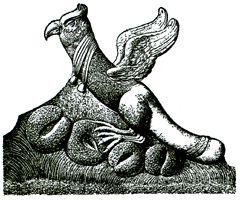
Meet this hoarder of fannies from Nîmes, France 👌
#FannyFriday
#GreekRomanArt #ReliefWednesday
 @steve@s.yelvington.com
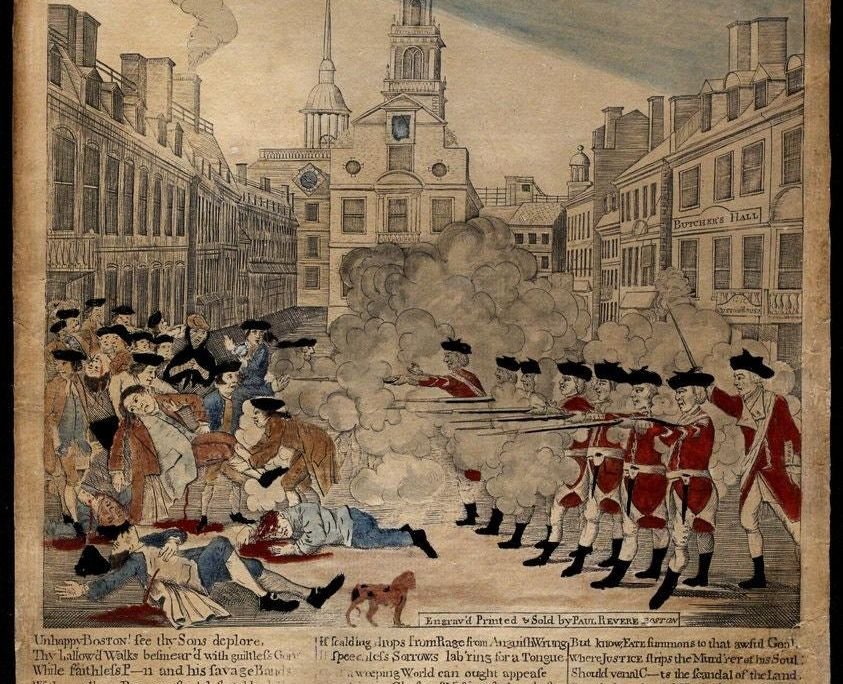
Paul Revere's engraving of the Boston Massacre.
 @YaleDivinitySchool@mstdn.social
"We are rediscovering Pennington because he made a difference during his lifetime. He changed hearts, minds, laws, and social practices through his speeches, sermons, writings, organizing, acts of civil disobedience, tireless movement work—his life in and beyond institutions. Perhaps we can too."
—YDS ethics professor Jennifer Herdt in her new article in Comment magazine, focused on James Pennington '23 M.A.H. and his lifelong struggle with institutions
 @brian_gettler@mas.to
Watch out for the next issue of the journal I edit, a staid, sober, scholarly publication - the front cover will feature an 18th-century engraving of someone getting (and so someone else giving - the greatest gift of all) an enema.
@YaleDivinitySchool@mstdn.social @brian_gettler@mas.toWe forget at our peril the craze for drawing curly cues around chickens of the mid-18th century.
Source: https://archive.org/details/bim_eighteenth-century_the-pennsylvania-sic-a_bickham-george_1750/page/n11/mode/2up