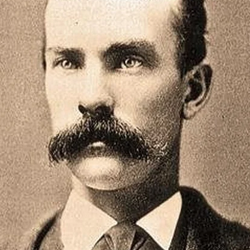
Who was Edmonia Lewis, a 19th-century sculptor of Black and Indigenous ancestry who was acclaimed in her day, then overlooked? The exhibition "Edmonia Lewis: Said in Stone" opened last night at #PeabodyEssexMuseum and opens in August at the #GeorgiaMuseumOfArt. Read
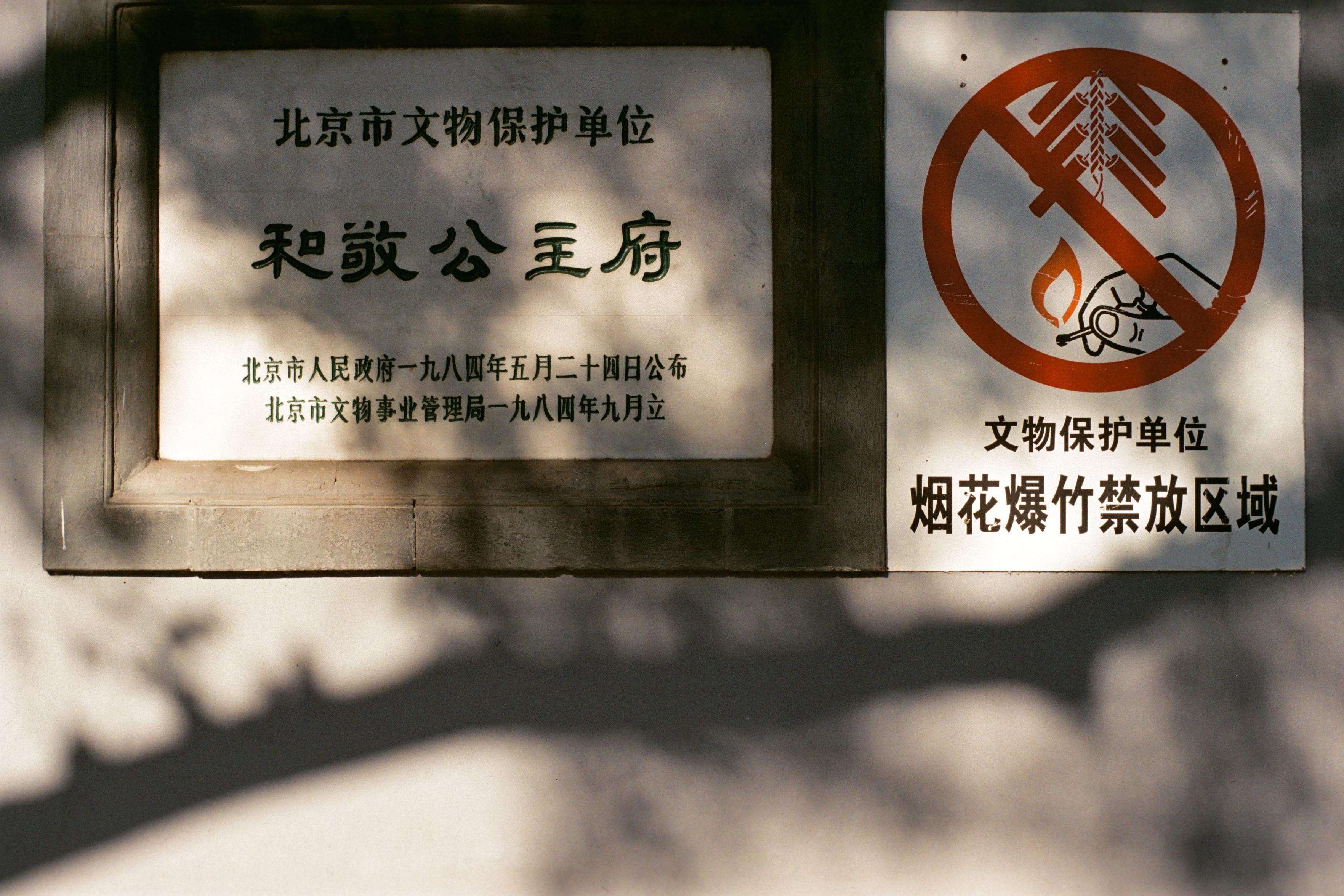
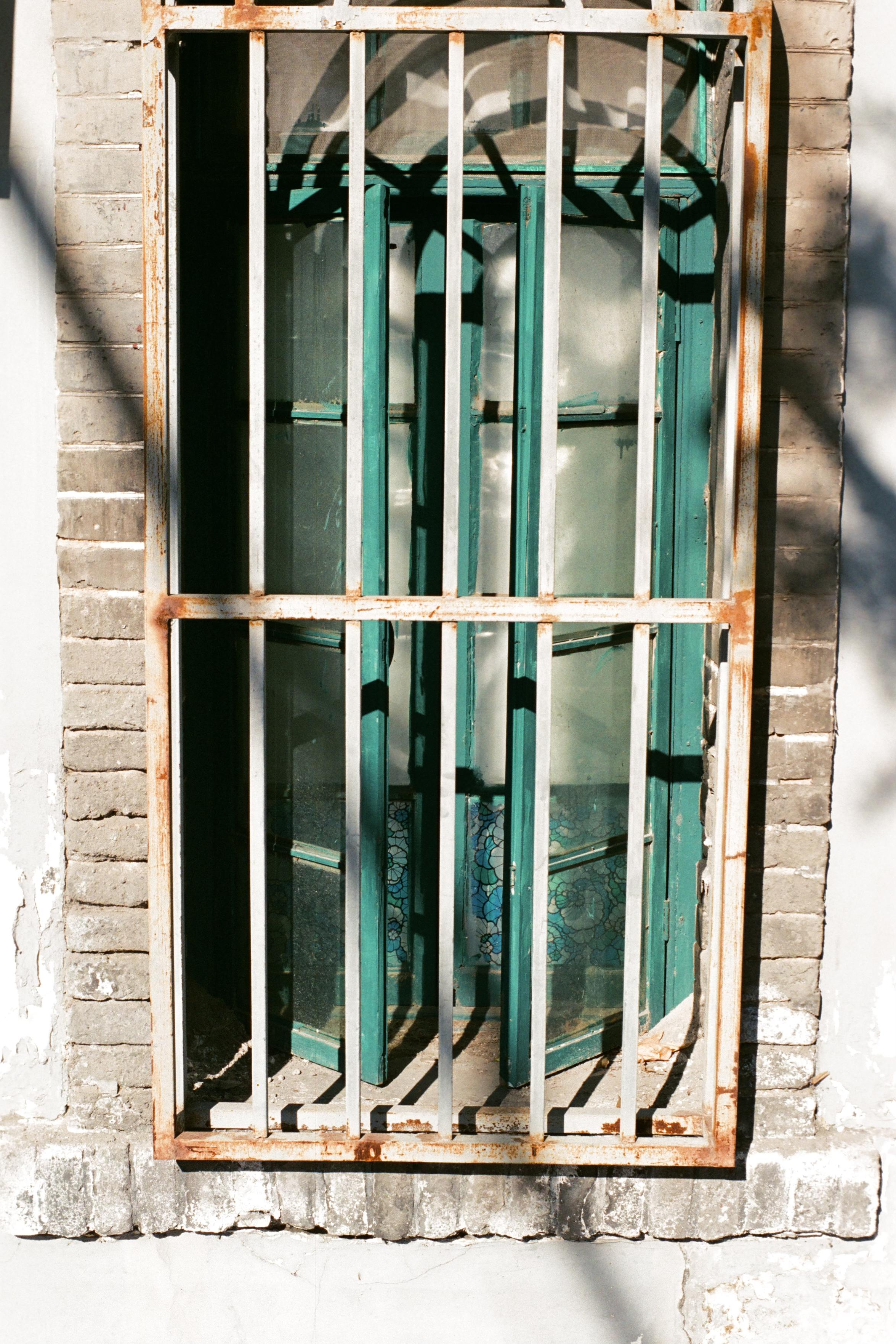
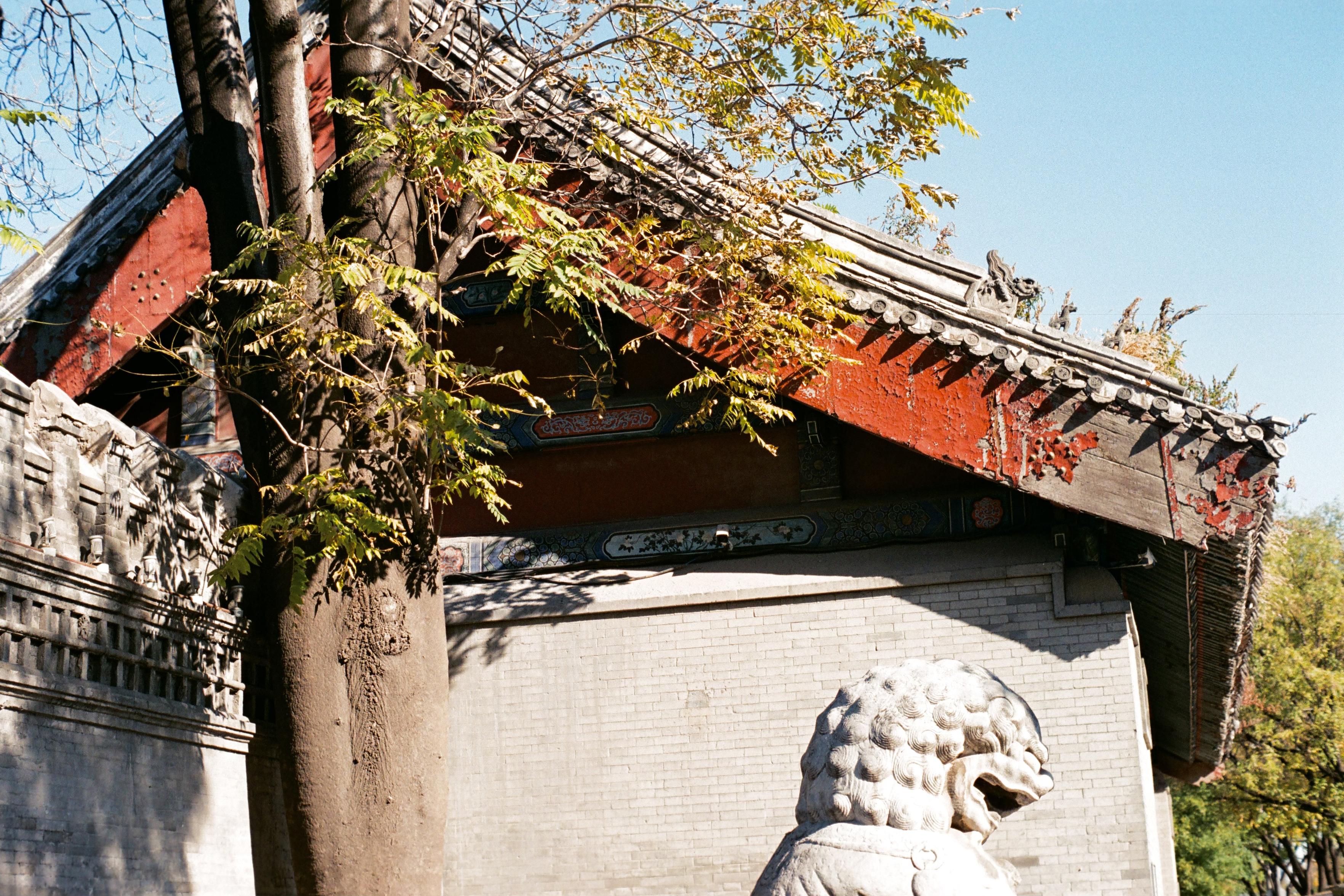
Cross To The Other Side V ❎
去向另一边 V ❎
📷 Nikon FE
🎞️ Lucky C200
If you like my work, buy me a coffee from PayPal #filmphotography
Unless hours were cups of sack, and minutes capons, and clocks the tongues
of bawds, and dials the signs of leaping houses, and the blessed sun himself
a fair, hot wench in flame-colored taffeta, I see no reason why thou shouldst
be so superfluous to demand the time of the day. I wasted time and now doth
time waste me.
-- William Shakespeare
Large eddy simulation of turbulent swirl-stabilized flames using the front propagation formulation: impact of the resolved flame thickness
Ruochen Guo, Yunde Su, Yuewen Jiang
https://arxiv.org/abs/2602.21940 https://arxiv.org/pdf/2602.21940 https://arxiv.org/html/2602.21940
arXiv:2602.21940v1 Announce Type: new
Abstract: This work extends the front propagation formulation (FPF) combustion model to large eddy simulation (LES) of swirl-stabilized turbulent premixed flames and investigates the effects of resolved flame thickness on the predicted flame dynamics. The FPF method is designed to mitigate the spurious propagation of under-resolved flames while preserving the reaction characteristics of filtered flame fronts. In this study, the model is extended to account for non-adiabatic effects and is coupled with an improved sub-filter flame speed estimation that resolves the inconsistency arising from heat-release effects on local sub-filter turbulence. The performance of the extended FPF method is validated by LES of the TECFLAM swirl-stabilized burner, where the results agree well with experimental measurements. The simulations reveal that the stretching of vortical structures in the outer shear layer leads to the formation of trapped flame pockets, which are identified as the physical mechanism responsible for the secondary temperature peaks observed in the experiment. The prediction of this phenomenon is shown to be strongly dependent on the resolved flame thickness, when the filter size is used for modeling sub-filter flame wrinklings. Without proper modeling of the chemical steepening effects, the thickness of the resolved flame brush is over-predicted, causing the flame consumption rate to be under-estimated. Consequently, the flame brush detaches from the outer shear layer, resulting in a failure to capture the flame pockets and the associated secondary temperature peaks.
toXiv_bot_toot
I cannot tell you what to do, watching the US president and his horrific regime trying to plunge the world into flame and darkness. I can’t tell you because I have no idea either.
All I can tell you is this:
You have to know, with total and completely clarity, that nobody is coming to save us.
And knowing that, you will feel lost — but strangely clear.
And suddenly the work will be on you.
And you will do it, because that is •just what you do•, because you •know• that nobody else is coming.
And you will still have no idea what to do, even as you are already doing it.
11/
some pals & i went through all the circulating tapes of the grateful dead sessions at ace's in 1975, fixed dates & track names & tape speeds, & boiled it into a collection of wild music. big ups to @…, @…, …
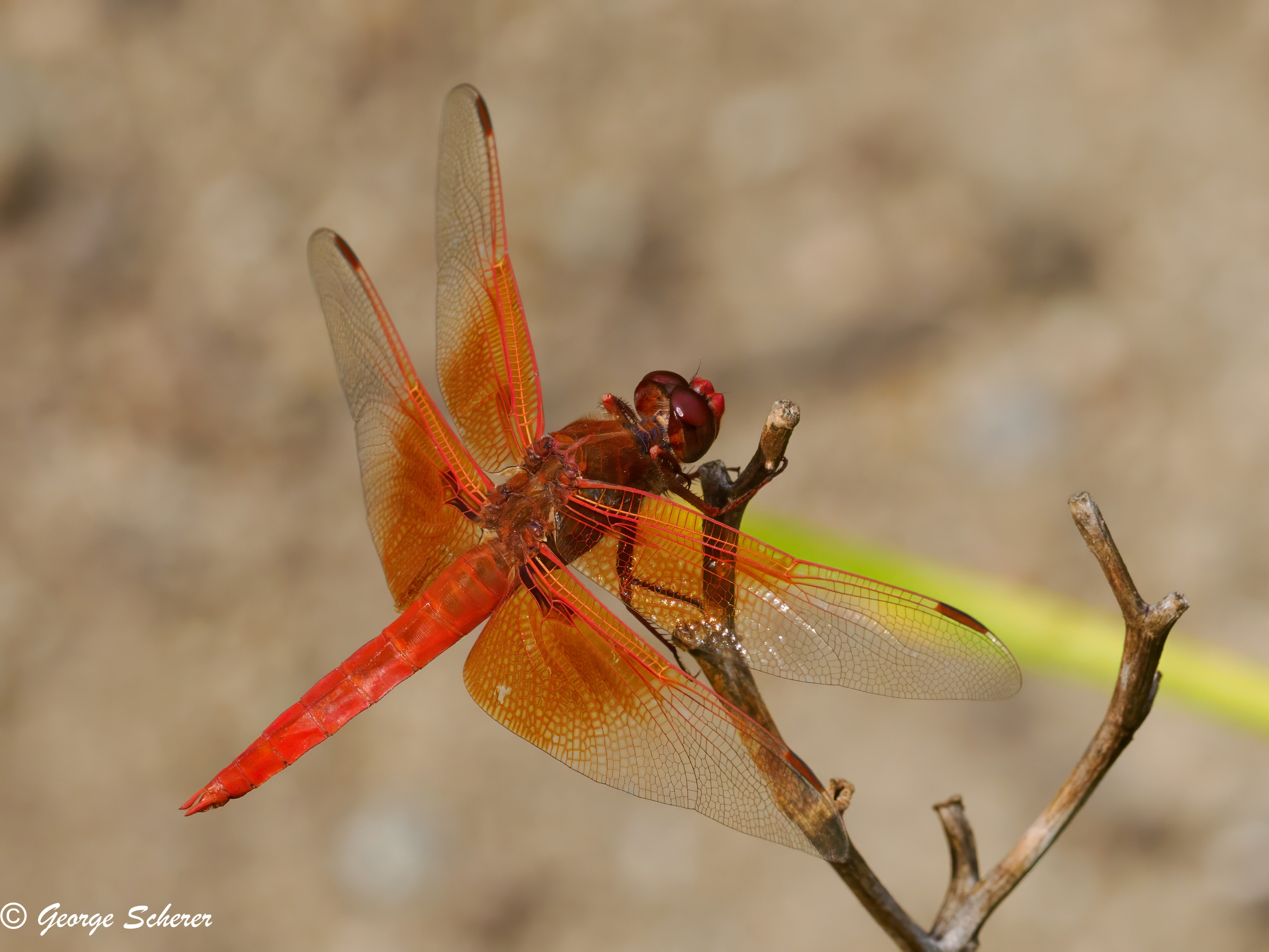
Flame Skimmer dragonfly hanging out on a branch. LA Arboretum, Arcadia, California, USA. October, 2025. OM System OM-1 M.Zuiko 300mm F4. #laarboretum #dragonfly #insect
On the spatial structure and intermittency of soot in a lab-scale gas turbine combustor: Insights from large-eddy simulations
Leonardo Pachano, Daniel Mira, Abhijit Kalbhor, Jeroen van Oijen
https://arxiv.org/abs/2602.23155 https://arxiv.org/pdf/2602.23155 https://arxiv.org/html/2602.23155
arXiv:2602.23155v1 Announce Type: new
Abstract: This work presents a numerical investigation of soot formation in the Cambridge lab-scale gas turbine combustor. Large-eddy simulations (LES) of a swirl-stabilized ethylene flame are performed using the flamelet generated manifold method coupled with a discrete sectional model to account for soot formation, growth, and oxidation. The study aims to elucidate the mechanism governing the spatial structure and intermittency of soot, supported by comparisons with experimental data. The predicted soot distribution agrees well with measurements, with peak concentrations near the bluff body. Flow recirculation is identified as the key mechanism driving soot accumulation in fuel-rich regions, where surface reactions dominate soot mass growth. Soot intermittency arises from fluctuations in the flow field driven by interactions between the flame front and the recirculation vortex. Two soot modeling approaches are evaluated, differing in their treatment of soot model quantities: the first approach employs on-the-fly computation of source terms (FGM-C), while the second uses fully pre-tabulated source terms (FGM-T). Their predictive performance and computational cost are compared in the context of unsteady, sooting flames in swirl-stabilized combustors.
toXiv_bot_toot
Large eddy simulation of turbulent swirl-stabilized flames using the front propagation formulation: impact of the resolved flame thickness
Ruochen Guo, Yunde Su, Yuewen Jiang
https://arxiv.org/abs/2602.21940
 @georgiamuseum@glammr.us