The ESO VLT has four Unit Telescopes (UT).
Yet at present only one of them, UT4, has an adaptive optics facility, which includes a deformable mirror.
Adaptive mirrors play a crucial role in adaptive optics facilities that correct observations for the atmosphere's blurring effect.
Because of this and its highly demanded instruments,
UT4 is one of the most oversubscribed telescopes on Earth.
Today we signed a contract with AdOptica for the design & produc…
A Window for Water-hydrogen Demixing on Warm Metal-rich Sub-Neptunes: #exoplanets may be hiding water beyond Webb Telescope's reach, study finds: https://news.uchicago.edu/story/distant-exoplanets-may-be-hiding-water-beyond-webb-telescopes-reach-study-finds - UChicago scientists offer new way to read atmospheric data on a vast class of 'sub-Neptune' worlds.
This month on All Space Considered, Griffith Observatory welcomed Dr. Joel Leja, Associate Professor of astronomy & astrophysics at The Pennsylvania State University, to discuss his research on the processes of galaxy formation derived from a combination of statistics, machine learning, and deep galaxy surveys with telescopes like the James Webb Space Telescope: #LittleRedDots
Molecular gas hidden in plain sight in the early Universe
Pasquier Noterdaeme, Jens-Kristian Krogager, Sergei Balashev
https://arxiv.org/abs/2607.18974 https://arxiv.org/pdf/2607.18974 https://arxiv.org/html/2607.18974
arXiv:2607.18974v1 Announce Type: new
Abstract: We report the discovery of an extreme intervening molecular absorber at zabs = 4.1 towards the z = 4.7 quasar SDSS J080023.02 305101.22 revealed through strong H2 absorption that had remained unnoticed in archival data for about two decades. The system, which we analysed with new VLT/X-shooter observations, has a metallicity of about one-fifth the solar value, in line with the moderate dust reddening AV~0.06 mag. More strikingly, it exhibits the highest molecular fraction, fH2 = 2N(H2)/(2N(H2) N(HI))~=60%, measured at z>0 from direct determinations of both atomic and molecular hydrogen column densities. Notably, this fraction is comparable to the very highest values in the Local Group. The inferred fH2 still represents a conservative lower limit to the local molecular fraction since the H i absorption very likely includes atomic gas unrelated to the actual molecular component, as indicated by the wide (Delta v~500 km/s) multi-component low-ionisation metal profile.
The detection of such a system at early cosmic times is remarkable given the limited number of quasar spectra probing z>4. It suggests an unexpectedly high incidence of H2, with important implications for the evolution of molecular gas. This high incidence may be driven by high average densities and enhanced turbulence at those redshifts. At the same time, our results also highlight possible observational biases, both in quasar selection and in recognising strong H2 absorption, suggesting that a significant fraction of molecular gas may remain undetected, in particular near the peak of star formation. The present system offers a unique benchmark for developing efficient detection algorithms. Further progress will benefit from colour-independent quasar surveys, while constraining the physical conditions and environments of such extreme absorbers will require observations on future extremely large telescopes.
toXiv_bot_toot
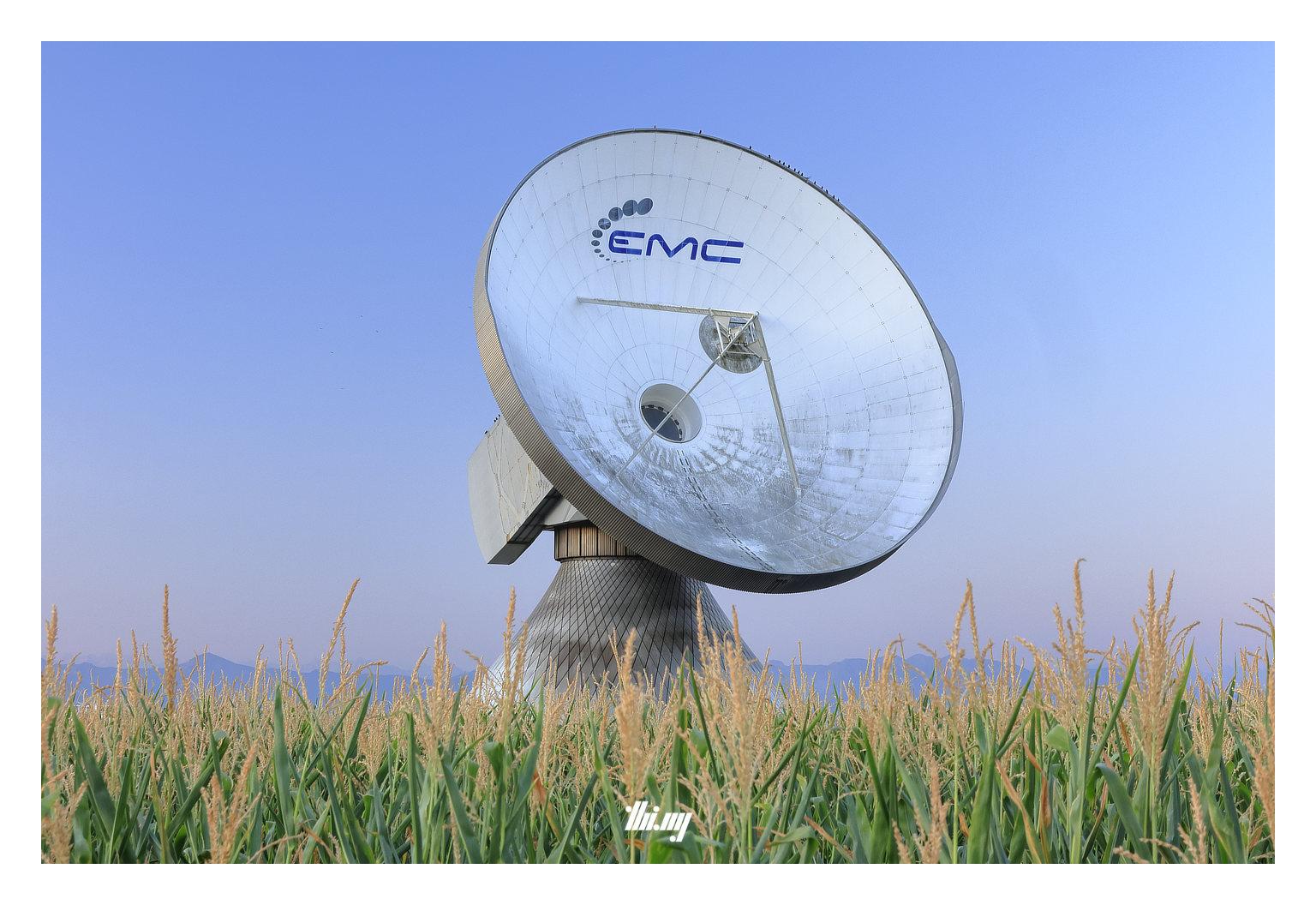
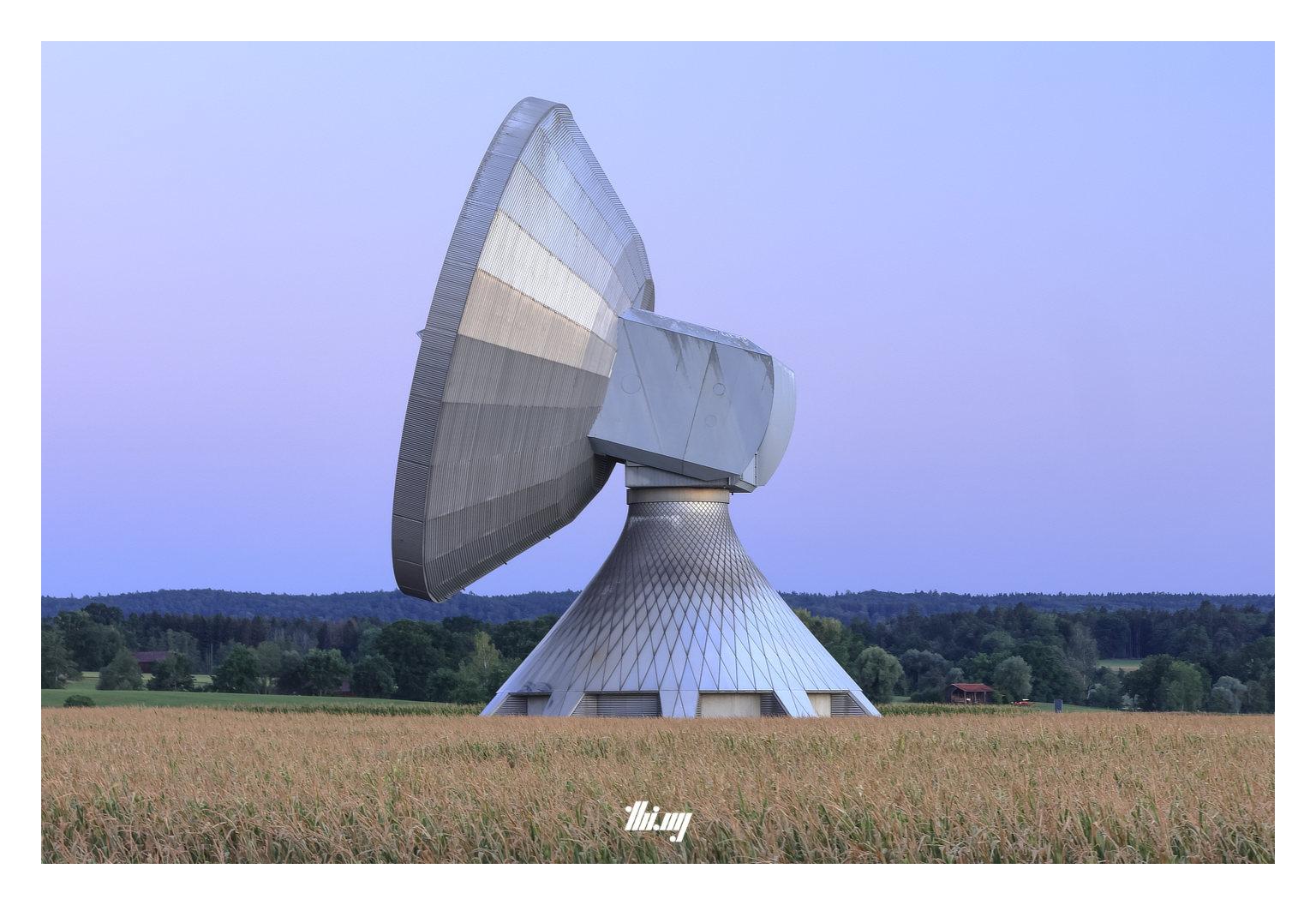
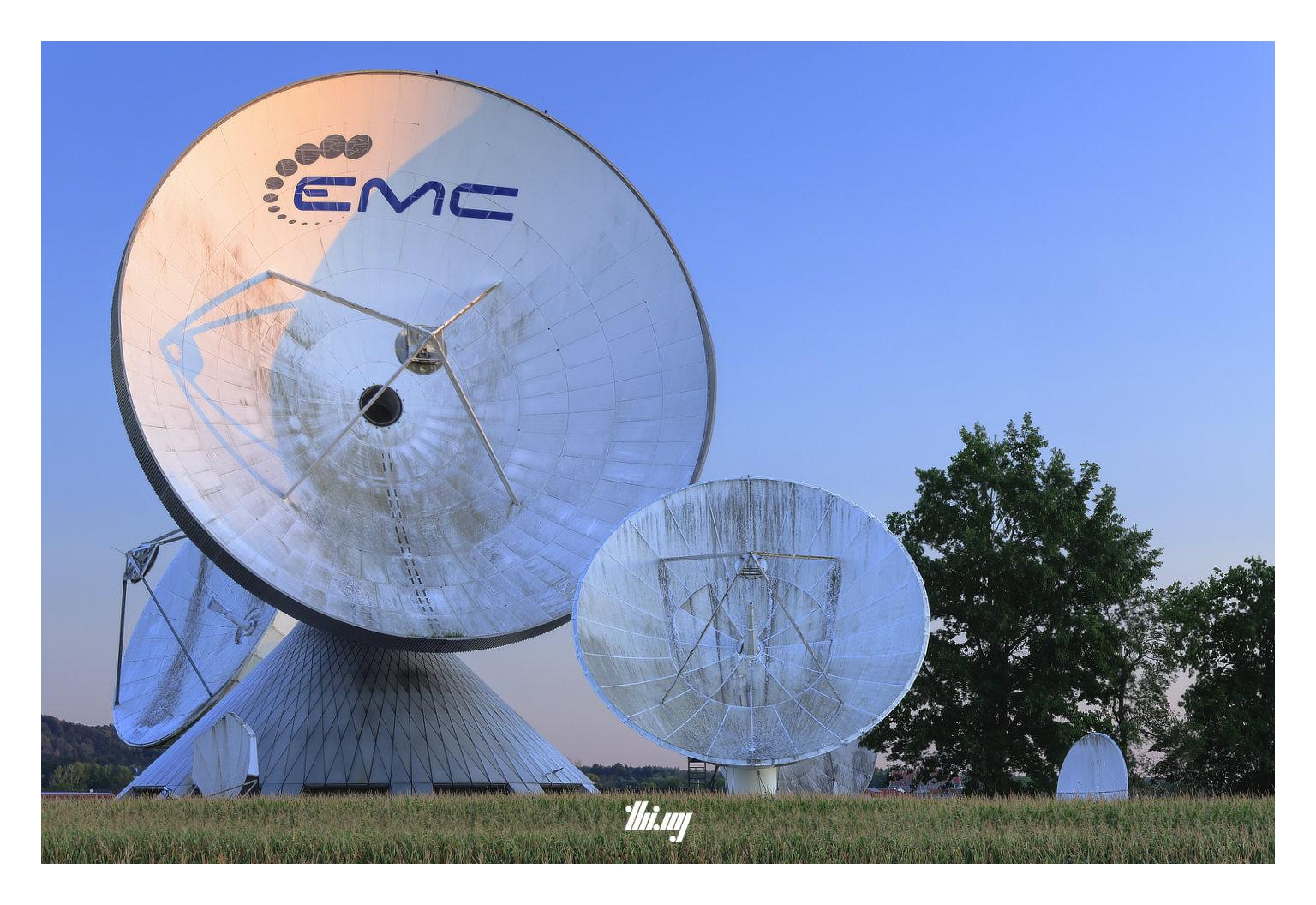
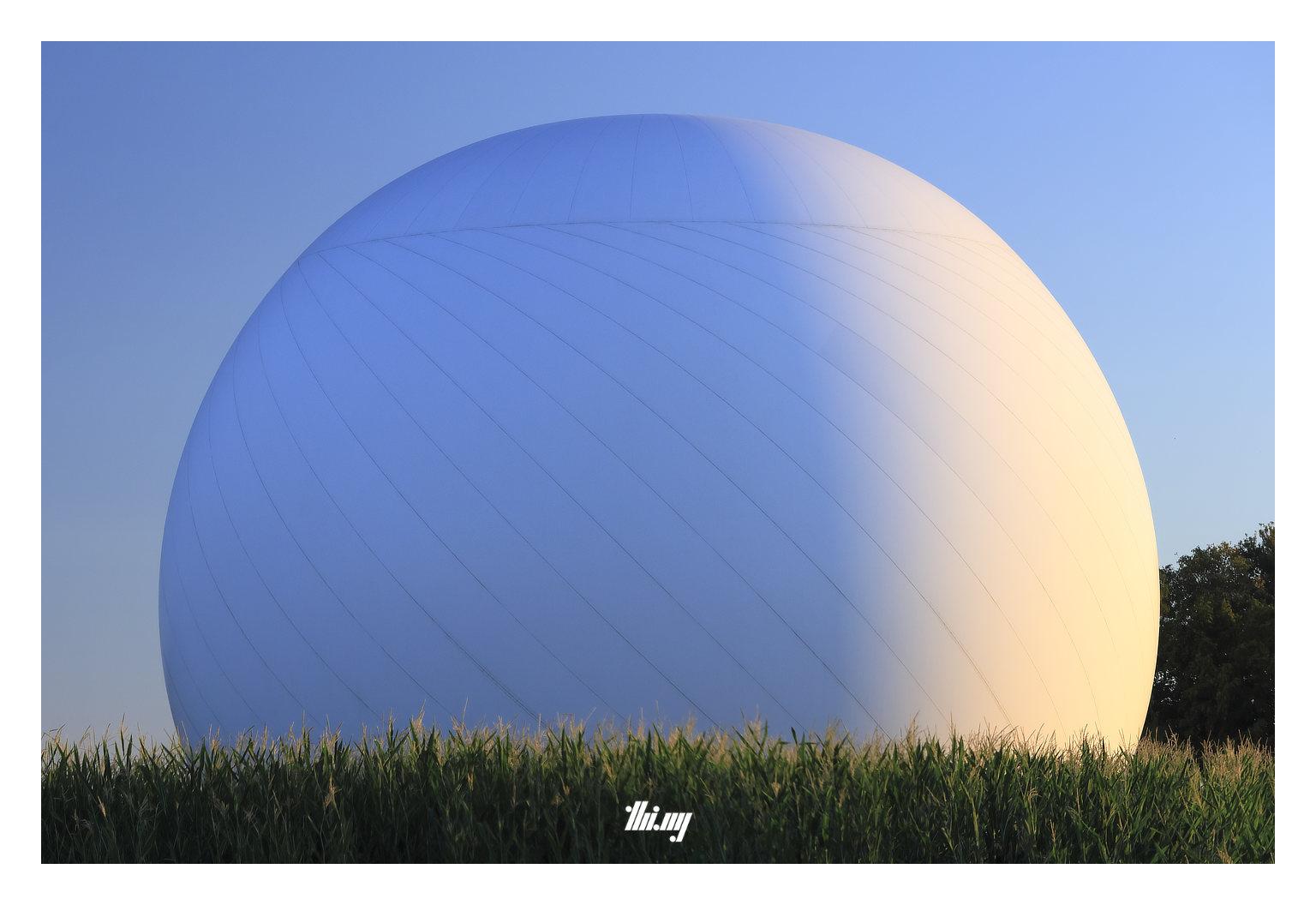
Post-Perseids Sunrise At Raisting Earth Station (2026)
(Pictures from between 5-6AM this morning... I still need to process the meteor shower images from the hour before, but not holding my breath...)
#LandscapePhotography #RadioTelescope
World-leading radio telescopes give space for stunning wildflowers: #Murchison Radio-astronomy Observatory.
NASA’s Neil Gehrels Swift Observatory
is a satellite that studies gamma-ray bursts,
the most powerful explosions in the universe,
and other cosmic objects and events.
Swift houses three multiwavelength telescopes, collecting data in visible, ultraviolet, X-ray, and gamma-ray light.
All spacecraft in low Earth orbit experience slight drag from our planet’s atmosphere.
If they don’t have propulsion systems to maintain their orbits,
the drag gradually…
The Nancy Grace Roman space telescope survived two rounds of proposed White House budget cuts,
and began a million-mile journey into deep space from a launchpad at the Kennedy Space Center on Sunday morning.
Searching chiefly for exoplanets and clues about planetary formation,
it is set to join the Hubble and James Webb space telescopes in the annals of Nasa’s storied history of space exploration.
But as next-generation equipment almost 10 years in the making,
…
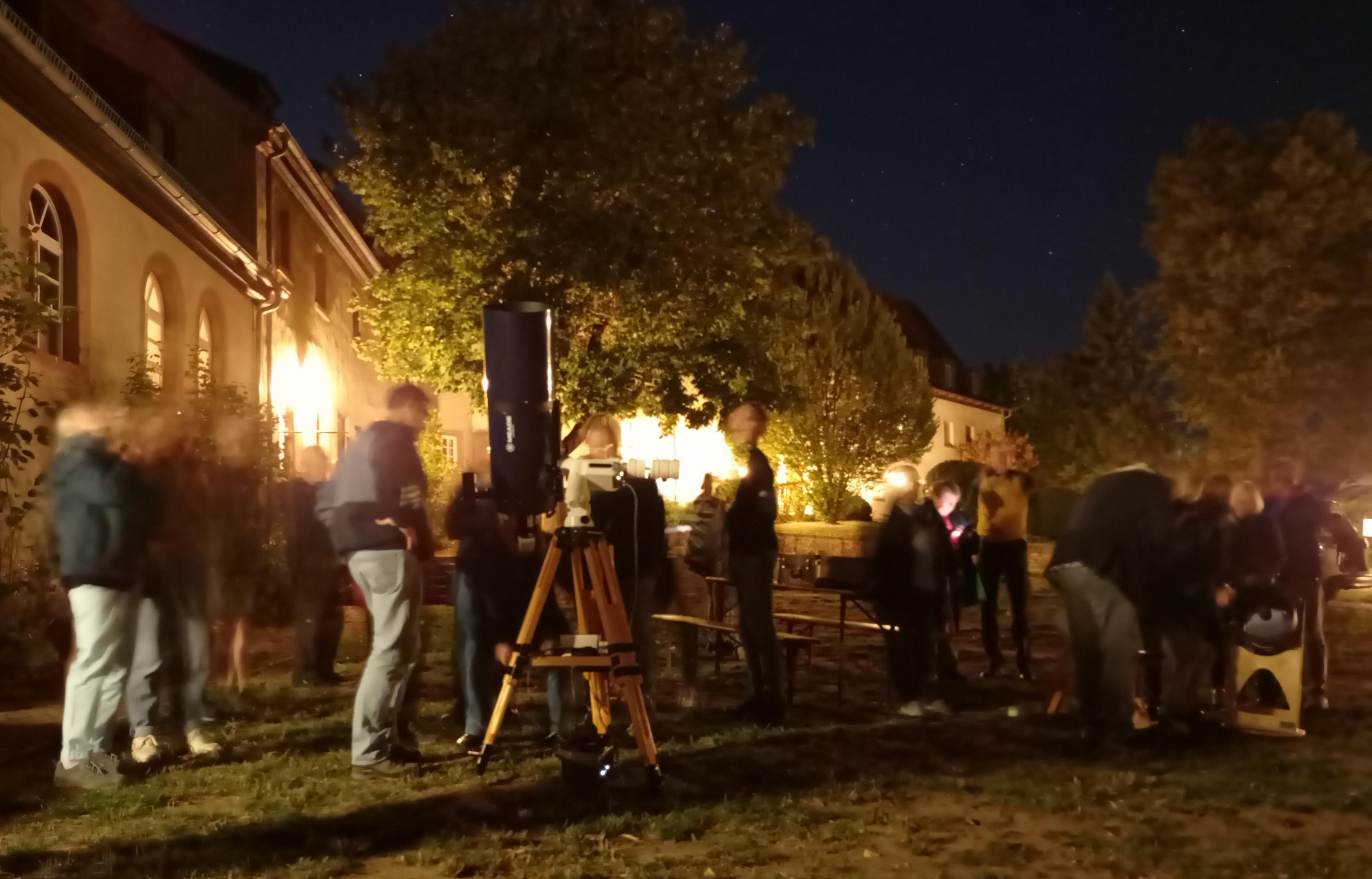
Star party at #BurgRothenfels in Franconia, Germany, tonight at the beginning of the Rothenfelser Astronomietage - https://app.seminarmanagercloud.de/burg-rothenfels/buchungsportal/rothenfelser-astronomietage-zukunftsperspektiven-der-astronomie-80d5b4f2f8304b32afd6e711fb9f8d1c - of which I'm one of the presenters. In spite of the local lights exquisite views of many deep sky objects: good telescopes and high-end eyepieces FTW.
☀️🌗🌍 Upcoming solar eclipse in parts of Europe, so it’s time to post this again ☀️👁️🔥
SOLAR OBSERVING SAFETY
1. Use high-quality (e.g. not from Amazon) eclipse glasses any time even the tiniest part of the sun is visible
2. Never look though DSLRs, binoculars or telescopes with only eclipse glasses
3. Always inspect eclipse glasses for punctures and scratches before use
Have fun!
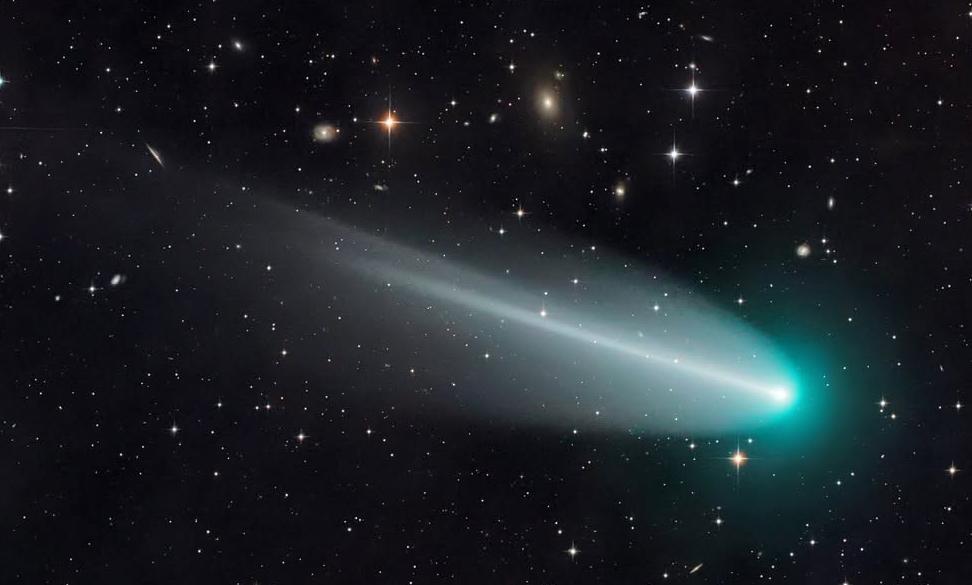
#Comet 220P/McNaught continues to look fabulous - to large instruments - following its outburst: https://www.facebook.com/photo/?fbid=2517447492105401 = the combined view a 16-inch and 8-inch telescopes on the morning of 16 August, by Michael Jäger and Gerald Rhemann.
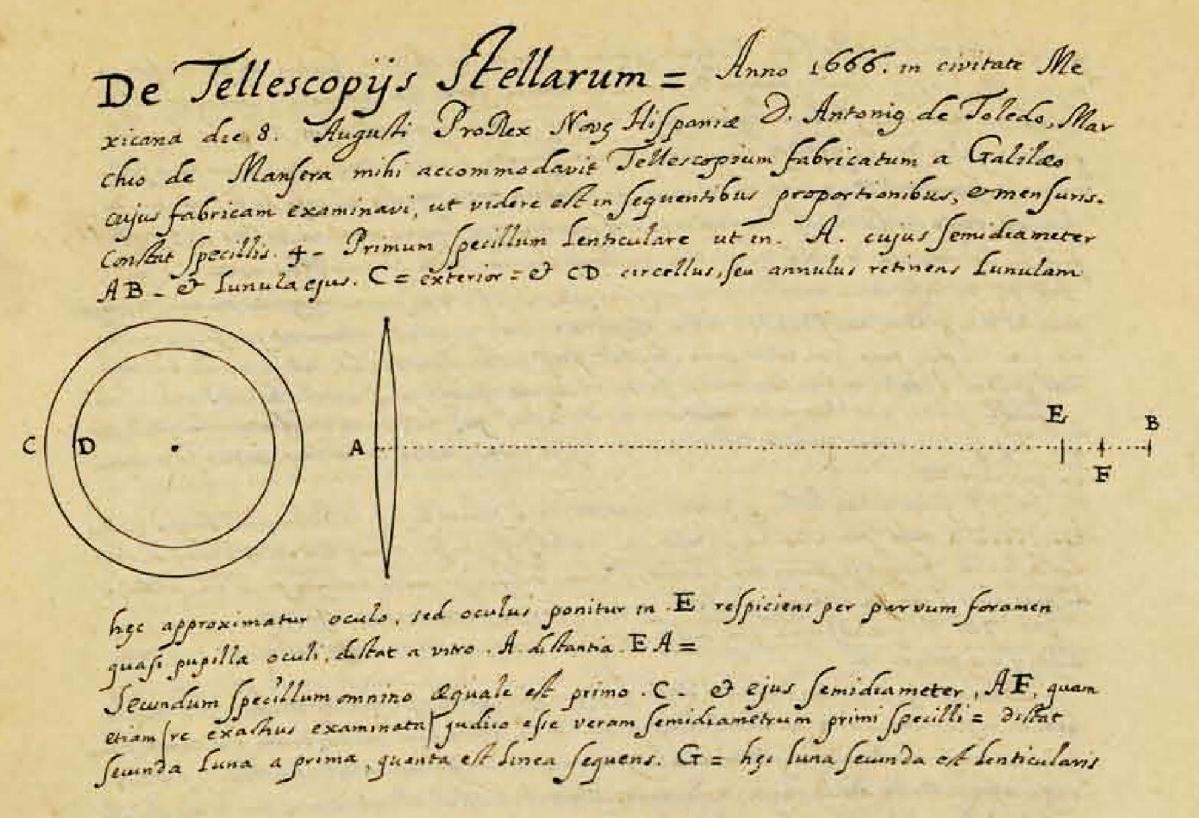
De Tellescopiis Stellarum (1666) - was #Galileo experimenting with four-lens terrestrial telescopes by 1630? https://www.tandfonline.com/doi/full/10.1080/00033790.2026.2661195 -> UL researcher’s discovery may alter history with the ‘most detailed technical analysis’ yet of a Galileo telescope: https://www.ul.ie/news/ul-researchers-discovery-may-alter-history-with-the-most-detailed-technical-analysis-yet-of-a-galileo-telescope
 @cdarwin@c.im