 @crell@phpc.social
2026-10-22 22:11:01
Using #PHP arrays as pseudo-objects is almost never the right answer. They're less self-documenting, slower, worse on memory, and more bug prone.
https://www.garfieldtech.com/blog/php-list-ben…

 @simplicator@federate.social
2026-10-21 00:08:47
I was somewhat baffled why a commenter was so mad when I called him out on posting #AISlop in response to someone’s question. It dawned on me that it was fulfilling a physiological need to seem smart, without either having to either actually be smart or do the legwork to have a knowably good answer.
 @Yogi77@hessen.social
2026-10-16 21:33:22

 @cosmos4u@scicomm.xyz
2026-10-21 01:26:33
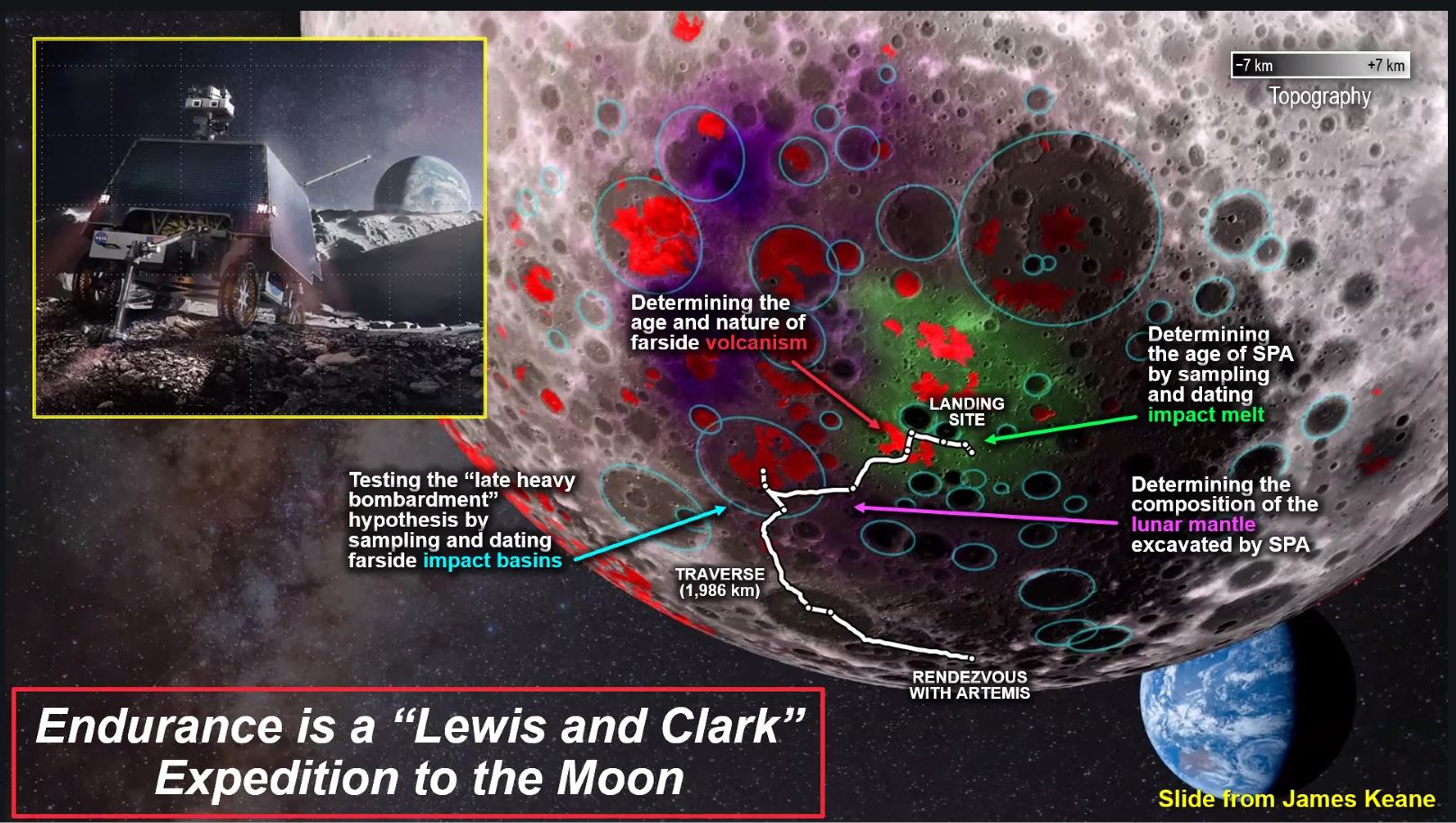
How a rover sampling the South Pole - Aitken Basin on the #Moon - and delivering its haul to some #Artemis astronauts near the pole eventually - would answer many of the open questions of #selenology: the final slide of a talk by Bill Bottke right now (a recording of which will appear on https://sservi.nasa.gov/seminars/moon-joy soon) advertising the Endurance proposal https://science.nasa.gov/wp-content/uploads/2023/11/endurance-spa-traverse-and-sample-return.pdf
 @inthehands@hachyderm.io
2026-10-20 21:57:12
❝[This is] about who the economy is working for. In a general sense, it’s probably a safe bet at any time that the economy is largely working for people with capital. But in an economy driven by consumption, that at least ties back significantly to things people want. The simple reality here is that the AI boom is making huge amounts of money for people at the top of the economic ladder…while choking off investment in everything else.
…
We have this running debate about why people are so down on the economy when economic indicators either aren’t that bad or are really good. This is pretty clearly the answer. ❞
https://hachyderm.io/@jalefkowit/117474615137864061
@inthehands@hachyderm.io2026-10-20 21:57:12
❝[This is] about who the economy is working for. In a general sense, it’s probably a safe bet at any time that the economy is largely working for people with capital. But in an economy driven by consumption, that at least ties back significantly to things people want. The simple reality here is that the AI boom is making huge amounts of money for people at the top of the economic ladder…while choking off investment in everything else.
…
We have this running debate about why people are so down on the economy when economic indicators either aren’t that bad or are really good. This is pretty clearly the answer. ❞
https://hachyderm.io/@jalefkowit/117474615137864061