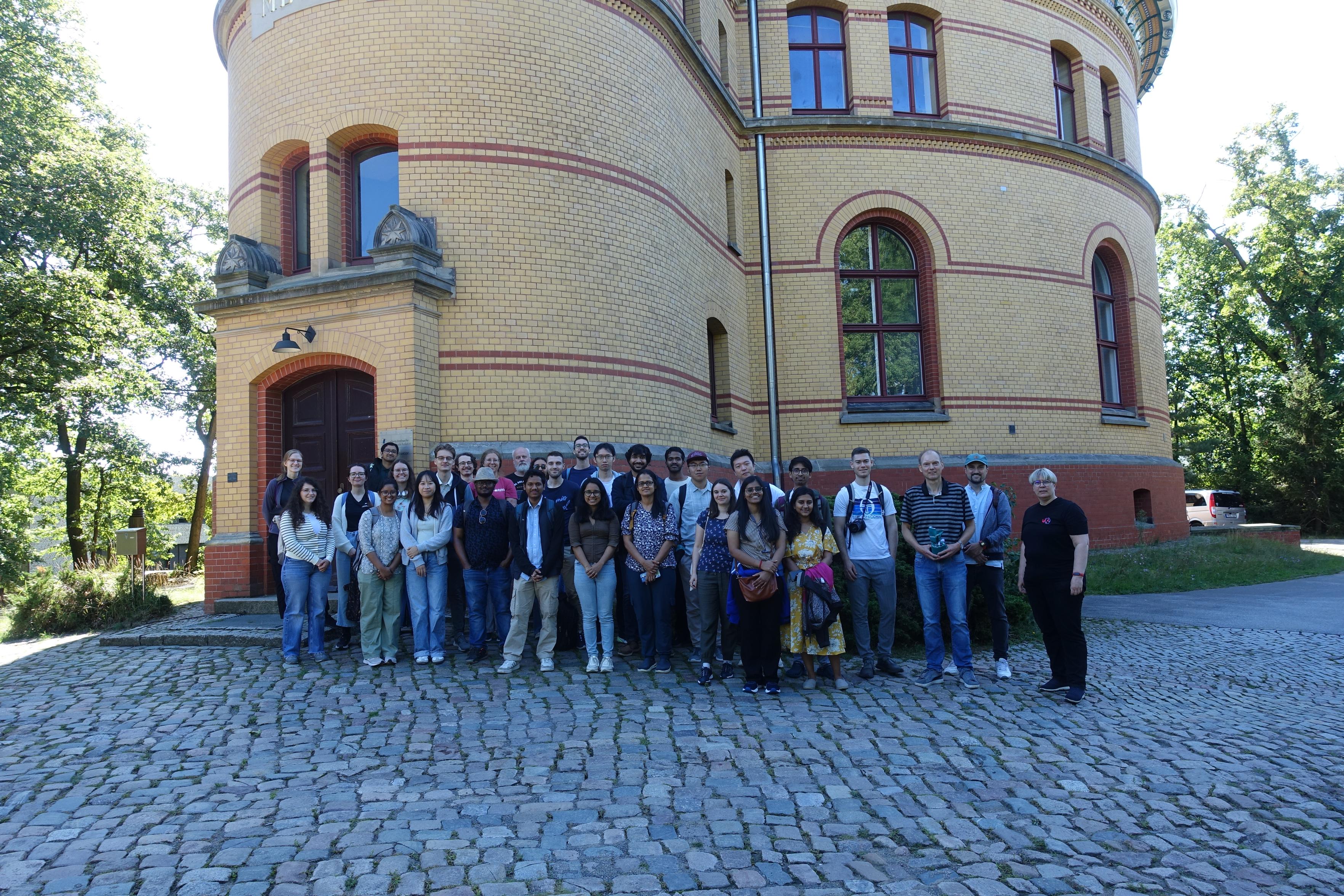
Tower of Sage Hall between Upson Hall (left) and Phillips Hall (right) which is currently under reconstruction -- as soon as the new Computer Science building opened they moved offices out of Phillips into my building
#photo #photography
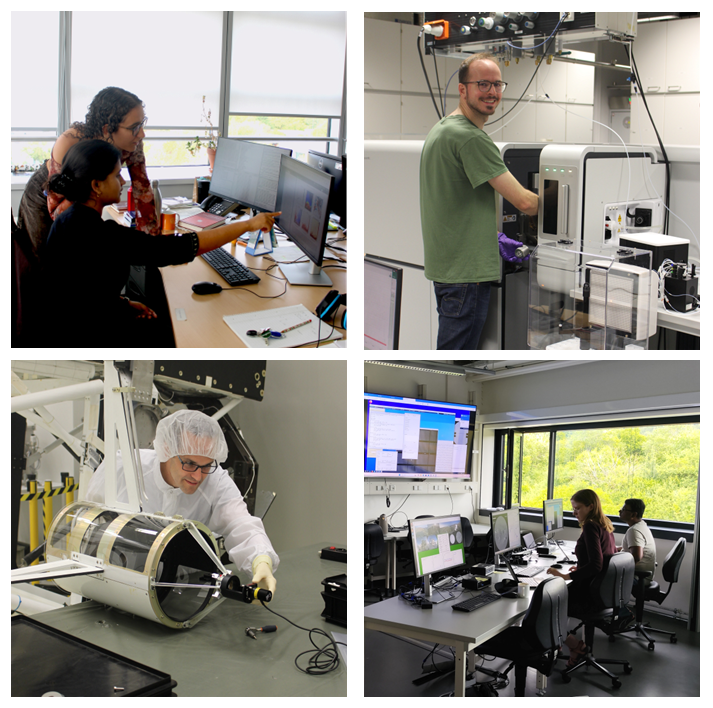
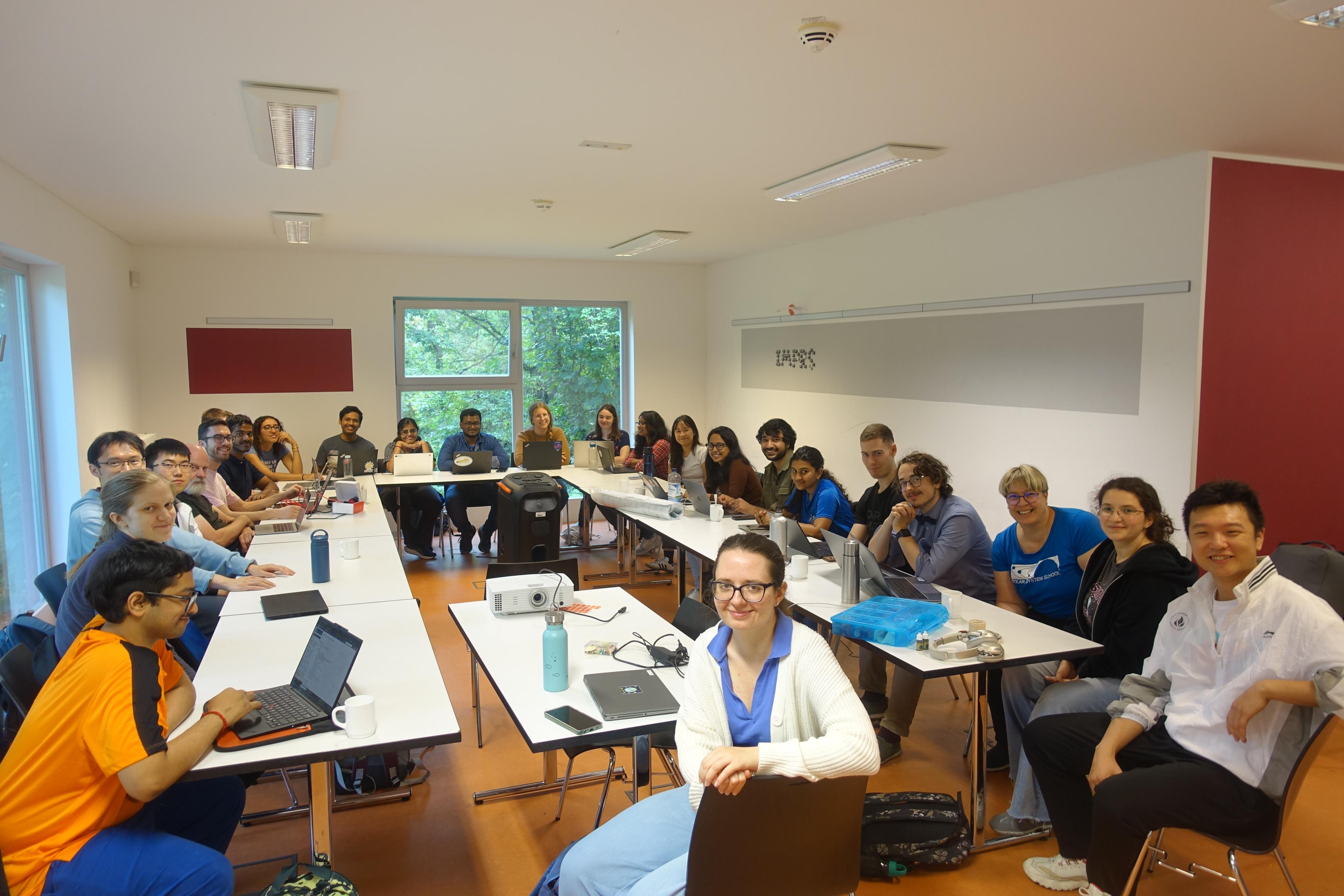
The Solar System School is now permanent! 🥳🥳
The unique graduate program offers students from all over the world the opportunity to obtain a doctorate in solar system research. 🛰️☀️🔭
Joint PR @…
Lots of great lines in this post by @bf.wtf
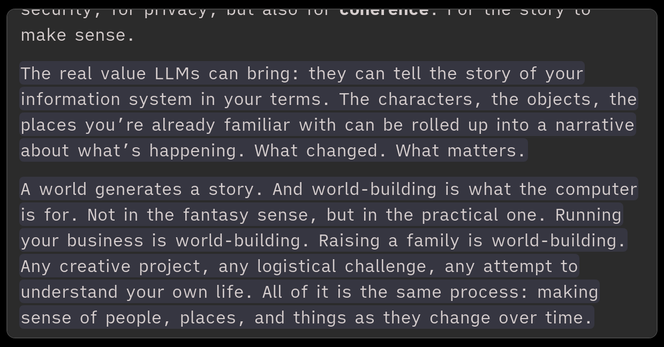
“A world generates a story. And world-building is what the computer is for. Not in the fantasy sense, but in the practical one. Running your business is world-building. Raising a family is world-building.”
https://shimmeringvoid.leaflet.pub/3m7
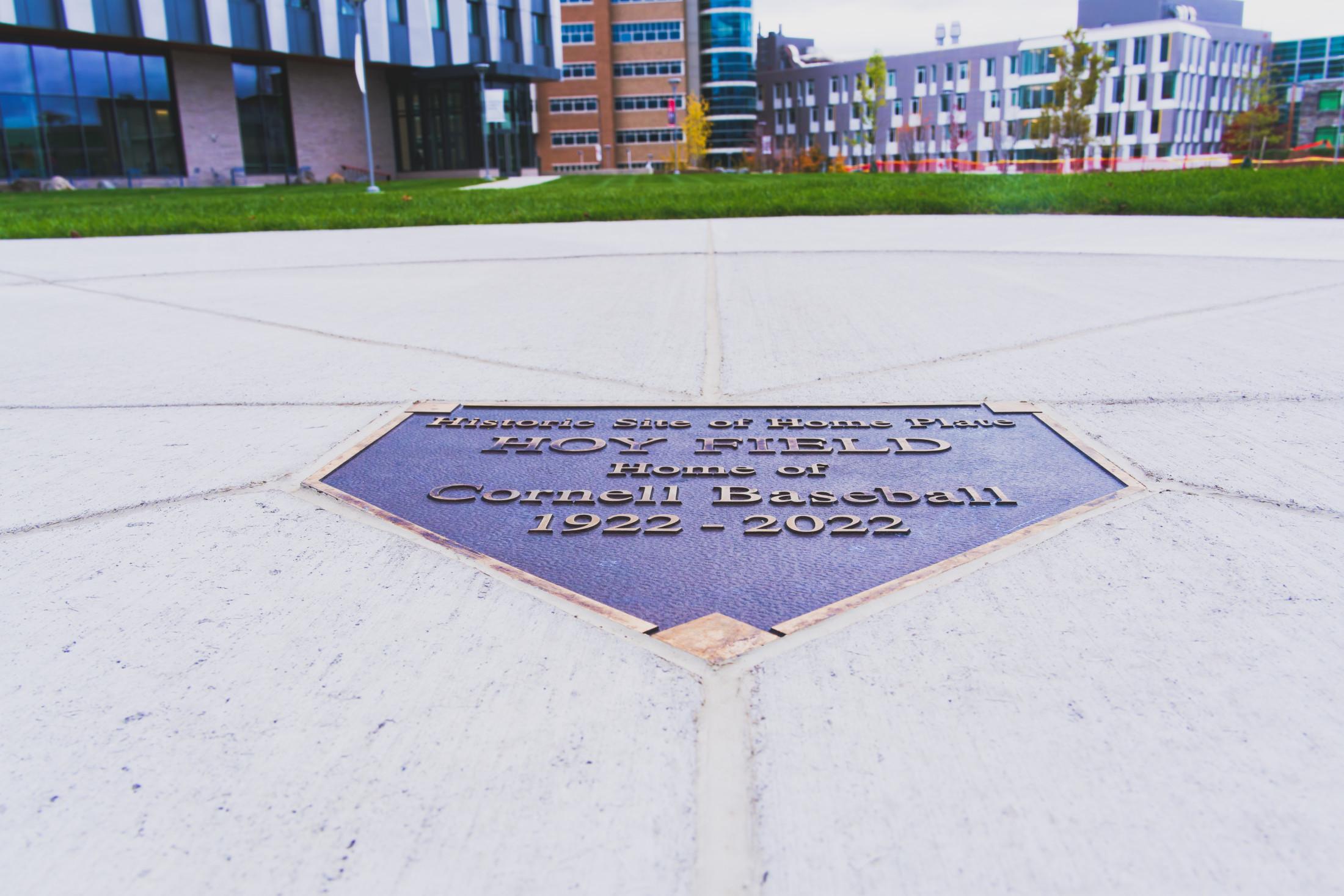
Plaque by the new computer and information science building commemorating the old baseball field that used to be at the site
#photo #photography #cornell
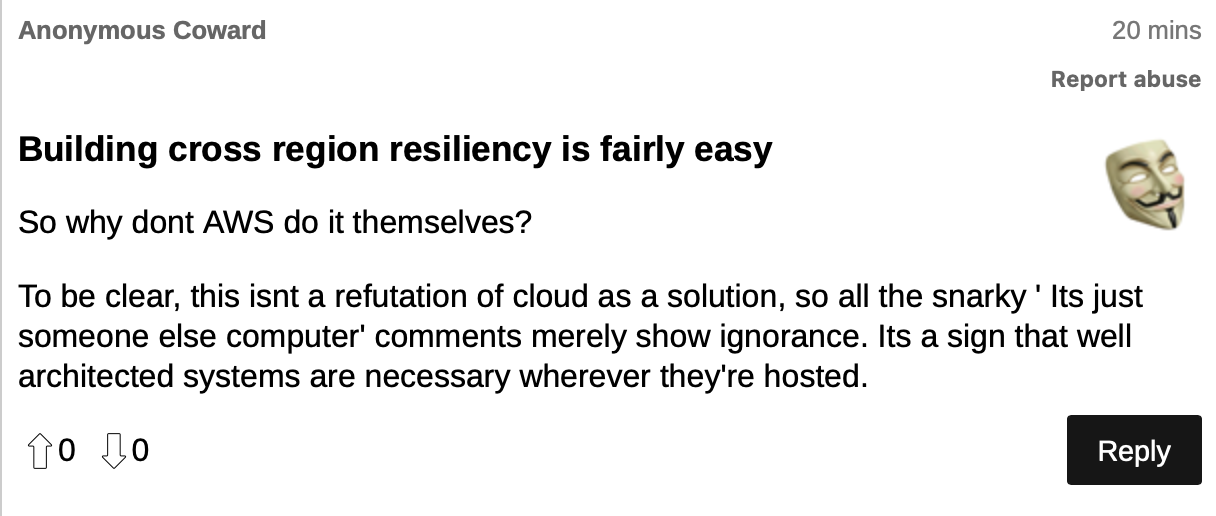
I like to check the Register comments for something that usually boils down to "I did this thing on my own without a problem, so why can't a massive organisation do something I consider to be analogous?"
A new classic of the genre:
NeuroSketch: An Effective Framework for Neural Decoding via Systematic Architectural Optimization
Gaorui Zhang, Zhizhang Yuan, Jialan Yang, Junru Chen, Li Meng, Yang Yang
https://arxiv.org/abs/2512.09524 https://arxiv.org/pdf/2512.09524 https://arxiv.org/html/2512.09524
arXiv:2512.09524v1 Announce Type: new
Abstract: Neural decoding, a critical component of Brain-Computer Interface (BCI), has recently attracted increasing research interest. Previous research has focused on leveraging signal processing and deep learning methods to enhance neural decoding performance. However, the in-depth exploration of model architectures remains underexplored, despite its proven effectiveness in other tasks such as energy forecasting and image classification. In this study, we propose NeuroSketch, an effective framework for neural decoding via systematic architecture optimization. Starting with the basic architecture study, we find that CNN-2D outperforms other architectures in neural decoding tasks and explore its effectiveness from temporal and spatial perspectives. Building on this, we optimize the architecture from macro- to micro-level, achieving improvements in performance at each step. The exploration process and model validations take over 5,000 experiments spanning three distinct modalities (visual, auditory, and speech), three types of brain signals (EEG, SEEG, and ECoG), and eight diverse decoding tasks. Experimental results indicate that NeuroSketch achieves state-of-the-art (SOTA) performance across all evaluated datasets, positioning it as a powerful tool for neural decoding. Our code and scripts are available at https://github.com/Galaxy-Dawn/NeuroSketch.
toXiv_bot_toot
Characterizing Superconducting Qubits using Averaged Circuit Eigenvalue Sampling
Tauno Palomaki, Shu Xin Wu, Noah Huffman, Samuel D. Park, James Shackford, Ben DalFavero, Leigh Norris, Ryan Sitler, Paraj Titum, Kevin Schultz
https://arxiv.org/abs/2510.02454
AI and Crypto data centres are killing the consumer computer building industry.
“A typical 32GB DDR5 RAM kit that cost around $82 in August now sells for about $310, and higher-capacity kits have seen even steeper increases.”
#micron #crucial #ai #crypto #datacentre #waste #inflation #bubble
https://arstechnica.com/gadgets/2025/12/after-nearly-30-years-crucial-will-stop-selling-ram-to-consumers/
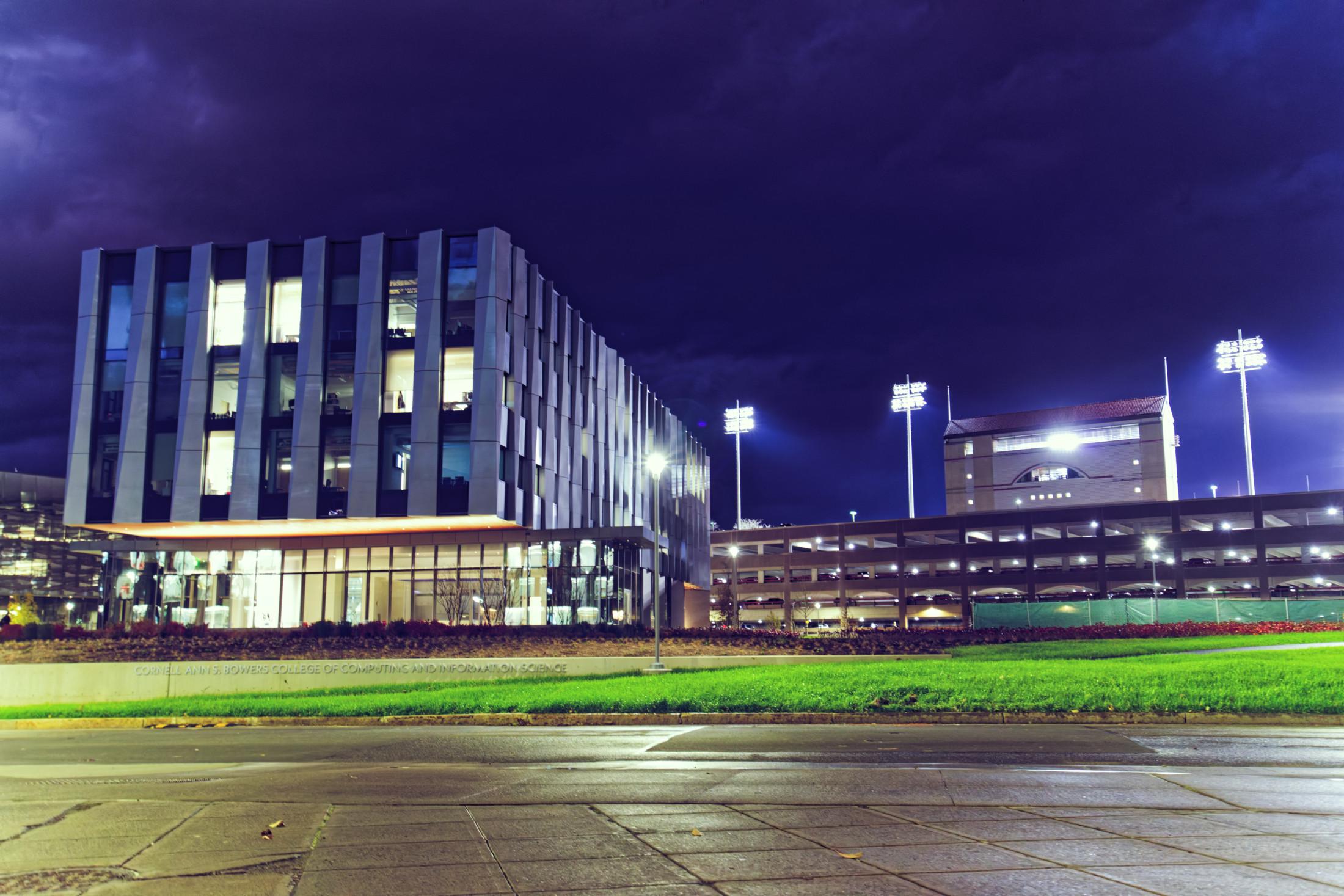
New Computer Science Building at night
#photo #photography #cornell #buildings
 @UP8@mastodon.social