 @NFL@darktundra.xyz
2026-08-21 11:29:37
Tristan H. Cockcroft's deep sleepers: Carson Beck, Tre' Harris and 12 more to watch https://www.espn.com/fantasy/football/story/_/id/49652186/2026-fantasy-football-sleepers-nfl-deep-leagues
@NFL@darktundra.xyz2026-09-18 17:30:36
Week 2 fantasy sleepers: 49ers RB Kaelon Black, WR Deebo Samuel offer upside vs. lowly Dolphins https://www.nfl.com/news/week-2-fantasy-sleepers-49ers-rb-kaelon-black-wr-deebo-samuel-offer-upside-vs-lowly-dolphins
 @primonatura@mstdn.social
2026-09-20 16:00:07
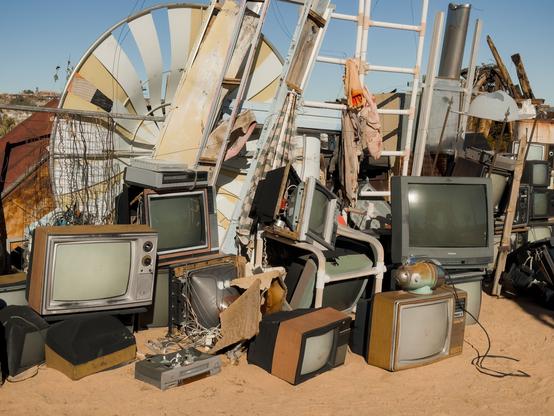
"Europe's e‑waste is a valuable resource—let's not throw it away"
#Europe #EWaste #Technology
 @toxi@mastodon.thi.ng
2026-07-18 16:56:00
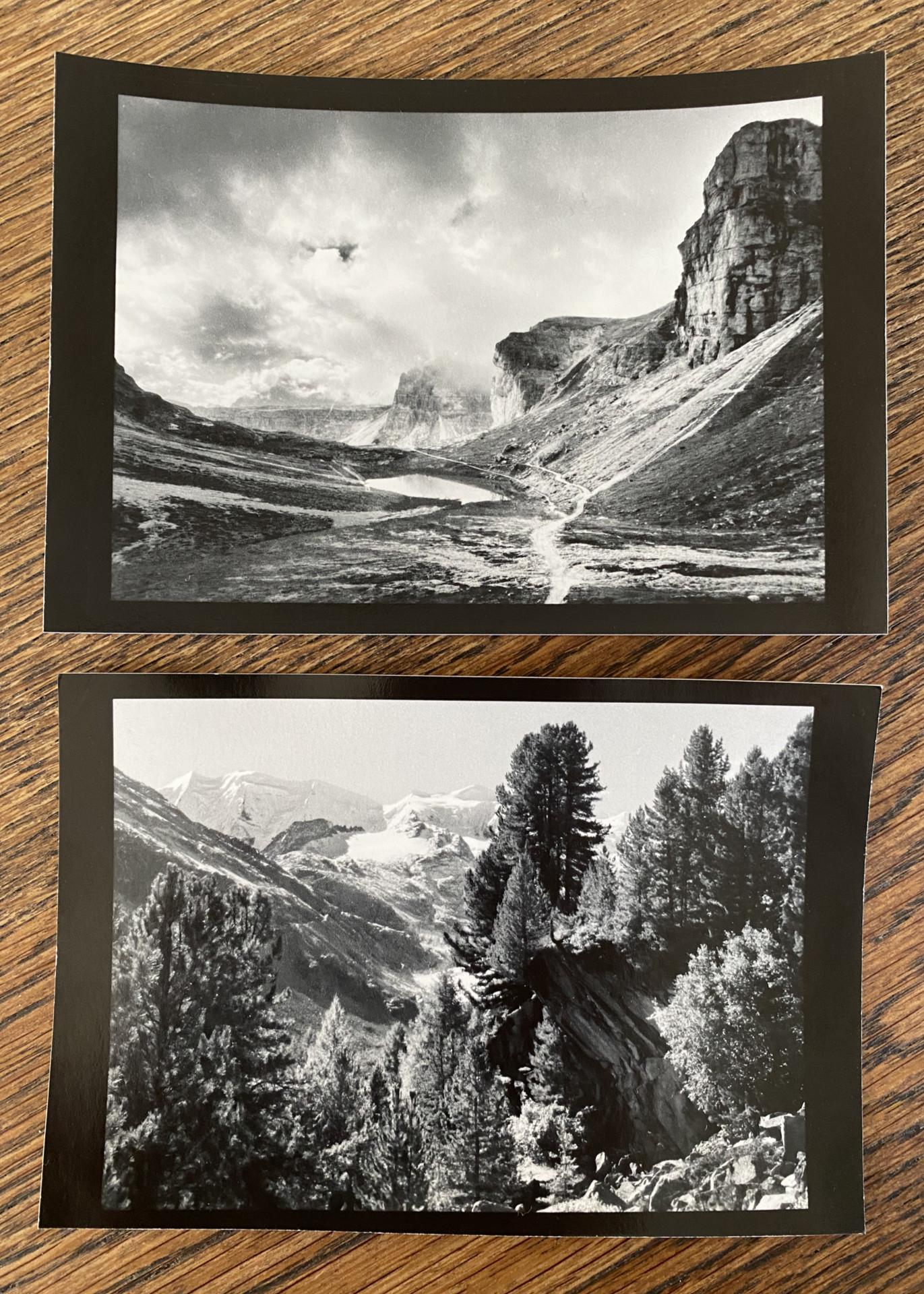
Two small new prints from this afternoon, this time not Kallitype but contact printing on silver chloride FB paper, developed with Adox MCC. The increase in depth and detail is just wonderful and the feel of the final results an instant throwback to my early darkroom adventures ~40 years ago... 😍
The pictures are of two of my favorite places in recent years. Larger prints will be available for purchase in September.
 @cark@social.tchncs.de
2026-08-12 18:39:27
Dieser Beitrag [1] von @…
simuliert Klimaschutz-Aktivismus und ist dabei selber Teil des Problems.
Begründung:
1. Er reißt das Zitat völlig aus dem Zusammenhang, denn sie spricht im Interview [2] dort selber das strategische Dilemma der #KlimaUnion

 @arXiv_csGR_bot@mastoxiv.page
2026-07-21 07:34:31
Text2Villa: Hierarchical Generation of 3D Indoor Environments with Physics-Aware Analysis-by-Synthesis
Xiang Tang, Ruotong Li, Xiaopeng Fan
https://arxiv.org/abs/2607.17145 https://arxiv.org/pdf/2607.17145 https://arxiv.org/html/2607.17145
arXiv:2607.17145v1 Announce Type: new
Abstract: Generating 3D indoor scenes from natural language holds tremendous potential, yet existing methods predominantly fail to generate multi-room structures with vertical connectivity and arbitrary polygonal boundaries. Furthermore, they lack a deep grounding in continuous 3D physical laws, leading to severe geometric penetrations and floating artifacts. In this work, we propose Text2Villa, a novel hierarchical generative framework. At the macro level, we construct a multi-story dataset to fine-tune an autoregressive layout generator, ensuring the direct parsing of text into 3D building foundations featuring polygonal boundaries and multi-story connectivity. To enforce physical laws during micro-level asset arrangement, we introduce the Affordance-driven Physical-Semantic Scene Graph (A-PSSG) to explicitly abstract physical affordances (such as support surfaces and containment cavities) into node attributes, establishing strict geometric and semantic edge constraints. Guided by the A-PSSG, we formulate scene instantiation as a constrained closed-loop optimization problem following the analysis-by-synthesis paradigm. By integrating an underlying geometric collision detection engine with the high-level semantic reasoning of multimodal large language models (MLLMs), our heuristic solver dynamically executes physics-aware actions under the observation-evaluation-modification mechanism to effectively resolve mesh collisions, floating artifacts, and fine-grained cavity containment failures. Extensive experiments demonstrate that Text2Villa outperforms previous methods across various metrics, robustly generating high-fidelity and physically plausible villa-level 3D environments from text, thereby providing a reliable and interactive 3D content foundation for downstream applications.
toXiv_bot_toot
 @bourgwick@heads.social
2026-07-12 01:09:21
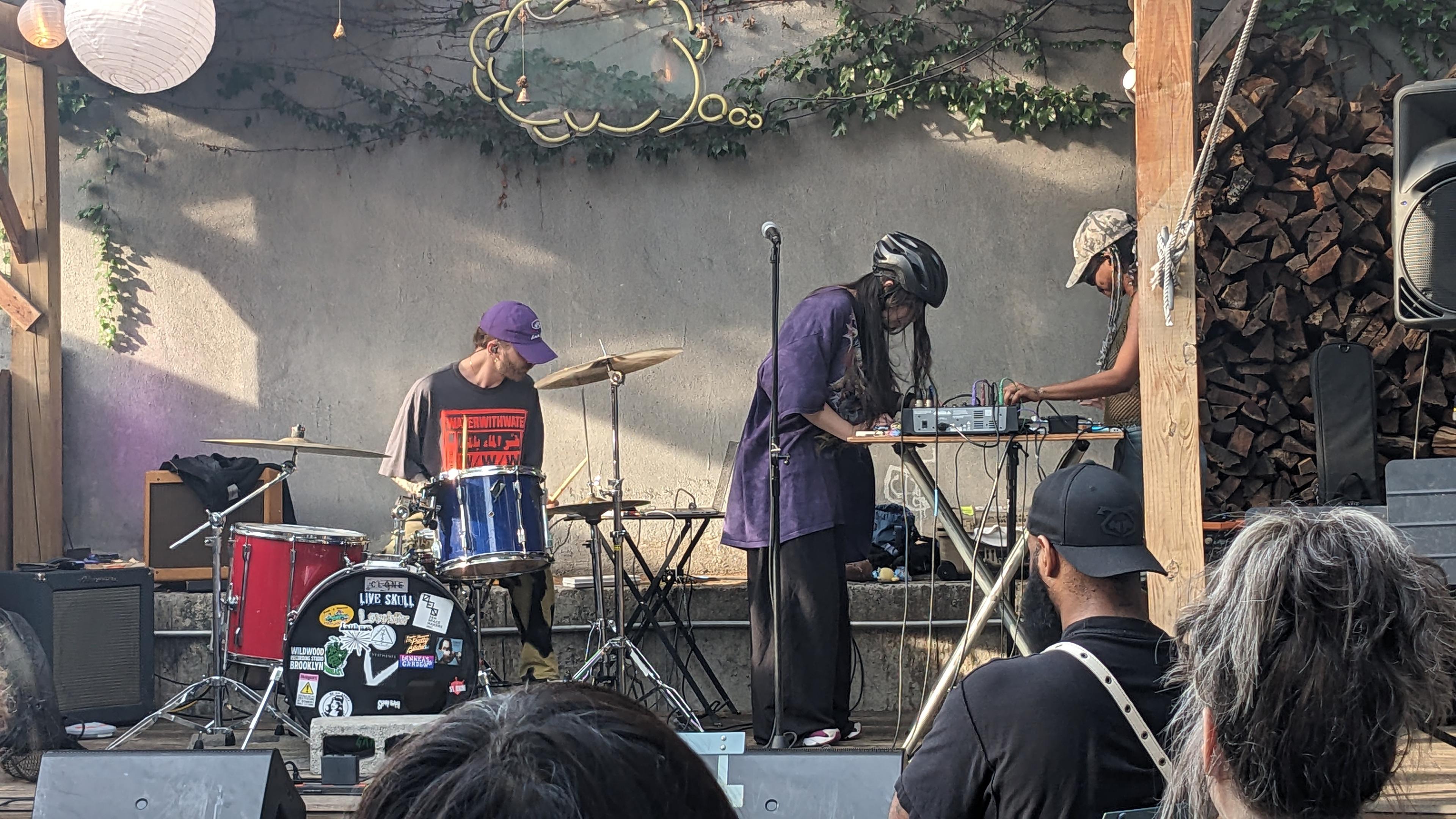
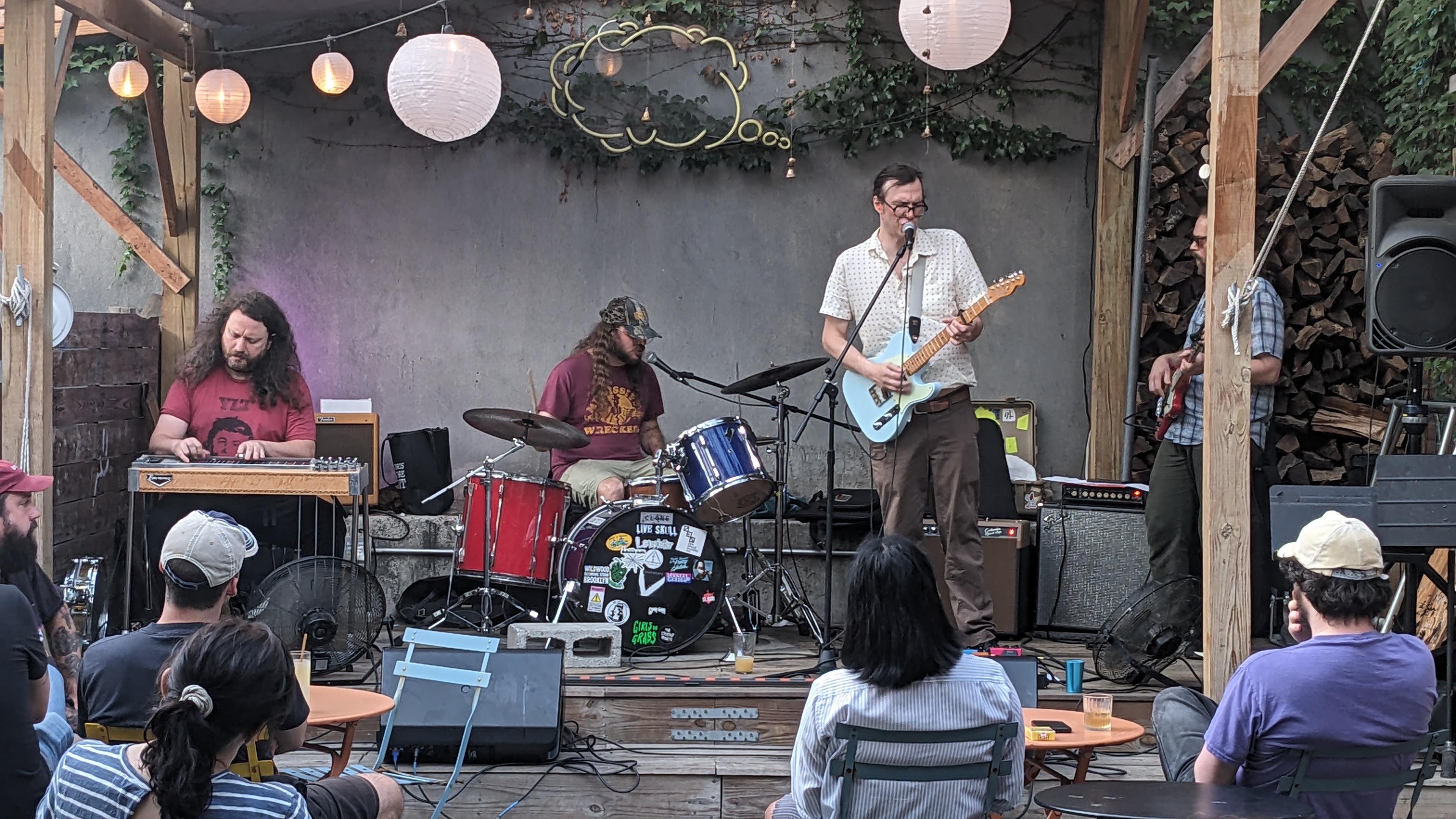
sweet & noisy matinee at mama tried. greg fox's new project, wadari, drums & noise table & slippery dubby beat chaos. and then still minders, electri-fried #bluegrass zones with tunes by buzz busby & moby grape & more (feat. jr bohannon on pedal steel). #nyc
 @Techmeme@techhub.social
2026-09-09 17:22:34
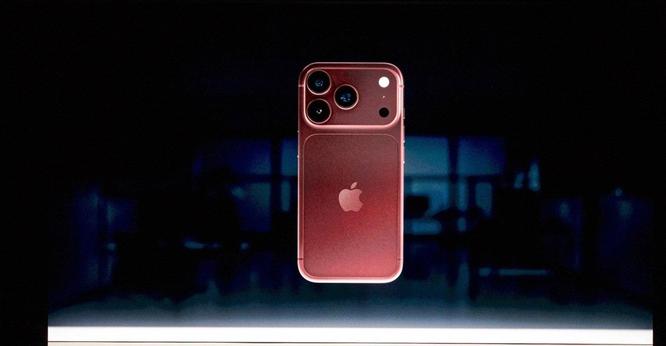
Apple announces the iPhone 18 Pro and iPhone 18 Pro Max, with a similar design to 17 Pro and a new A20 Pro chip, in deep black, silver, glacier, and burgundy (Jay Peters/The Verge)
https://www.theverge.com/tech/986331/apple-iphone-18-pro-max-september-2026-e…
 @mmuenzl@sueden.social
2026-07-14 10:05:21
5 Jahre Tesla neigen sich dem Ende zu. Mein neues Elektrofahrzeug steht bereit 😎
Braucht etwas weniger Strom, dafür muss ich eben etwas mehr fahren um den Eigenverbrauch der PV zu erhöhen 🛵
#Elektroroller #elektroauto
 @NFL@darktundra.xyz
2026-08-13 18:31:21
NFL futures betting: Aaron Donald expert's pick for NFL Comeback Player of the Year, plus a deep CPOY sleeper
https://www.cbssports.com/betting/ne…