 @totientfunction@mathstodon.xyz
2026-09-07 20:28:13
@totientfunction@mathstodon.xyz @ayn@trunk.lol
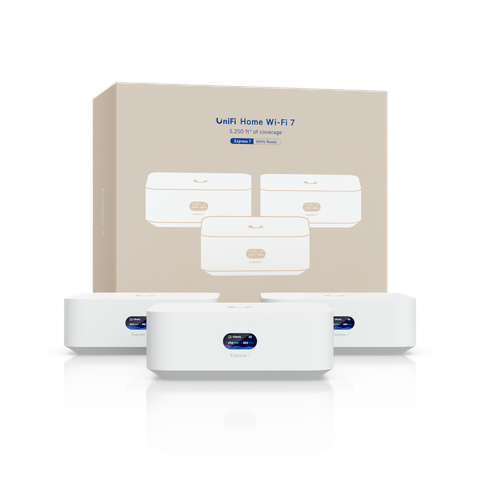
This looks super promising. I’ll switch out my MIL and parents Eeros with this eventually.
https://store.ui.com/us/en/products/ux7
@ayn@trunk.lolHate it when this happens
 @LillyHerself@Mastodon.social
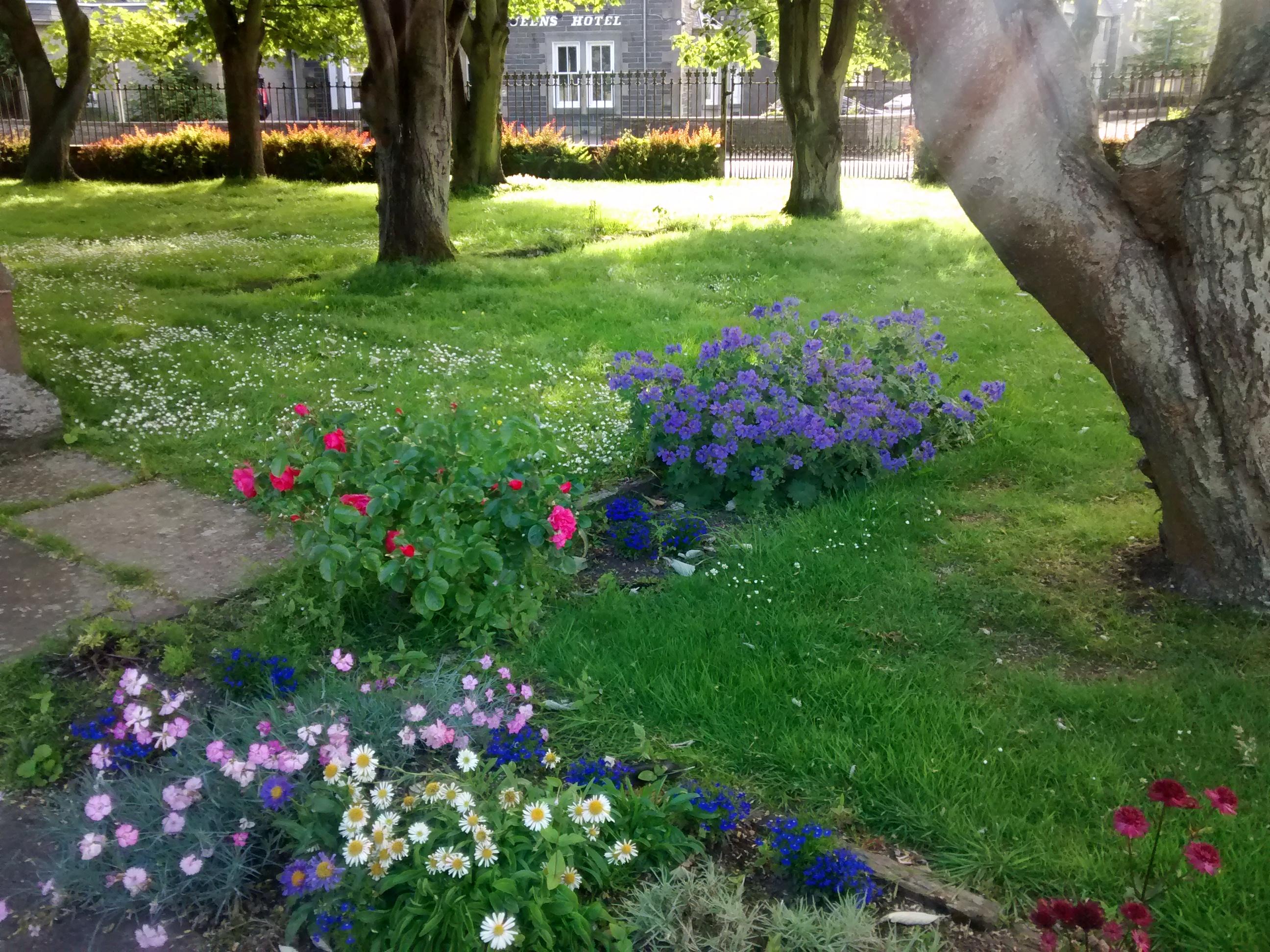
Actual 🔆 sunbeams in a local park in Wick, Scotland.
#SilentSunday
 @detondev@social.linux.pizza
will and idea
 @cowboys@darktundra.xyz
Cowboys $19M moves reek of Maxximizing cap space as trade precursor https://cowboyswire.usatoday.com/story/sports/nfl/cowboys/2026/09/03/timing-of-cowboys-19m-cap-space-creation-reeks-of-trade-precu…
 @cdarwin@c.im
Kidnapper executes victim in front of sheriff’s deputies in Chino Hills
A kidnapper fatally shot a victim in a car trunk during a Chino Hills traffic stop Wednesday night,
moments before deputies opened fire, authorities said.
Deputies were responding to reports of gunfire and cries for help when they stopped the vehicle,
initially unaware the shooting was part of an ongoing kidnapping.
The driver and victim died at the scene, while a passenger surrendered.
@ayn@trunk.lolSpent way too long debugging why iCloud Calendar invites from my son’s iCloud Custom Domain account never reached my Google Workspace inbox or Google Calendar.
Turns out my email address is also my Apple Account, so iCloud appears to route invitations internally instead of sending an email. Inviting a separate alias that isn’t associated with an Apple Account worked immediately.
Is there a way to force iCloud Calendar to send invitations via email instead?
 @scott@carfree.city
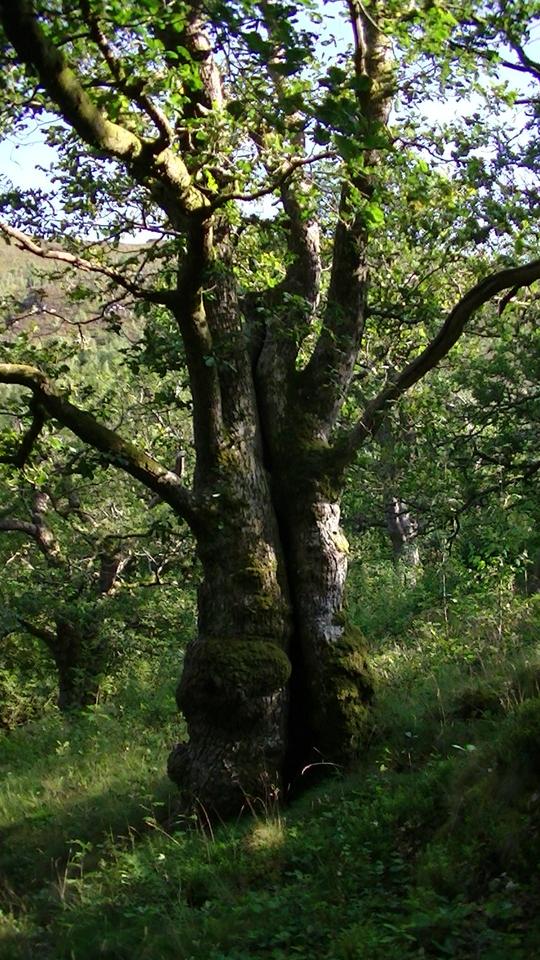
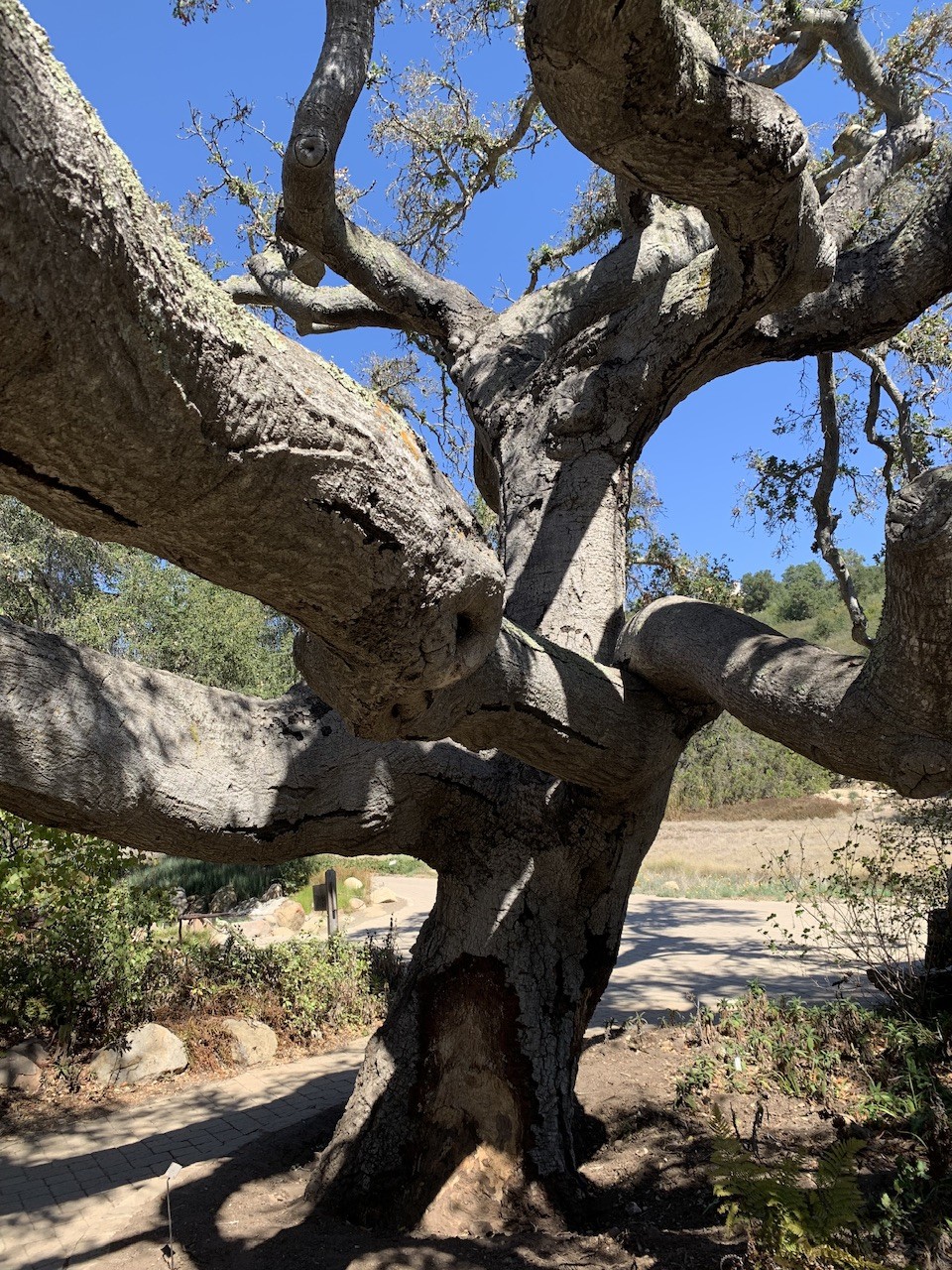
I was surprised to see from the label that this is a coast live oak because it’s so much bigger than the ones I see in San Francisco in Golden Gate Park and Buena Vista Park. Seen in the Santa Barbara Botanic Garden. #thickTrunkTuesday
 @hikingdude@mastodon.social
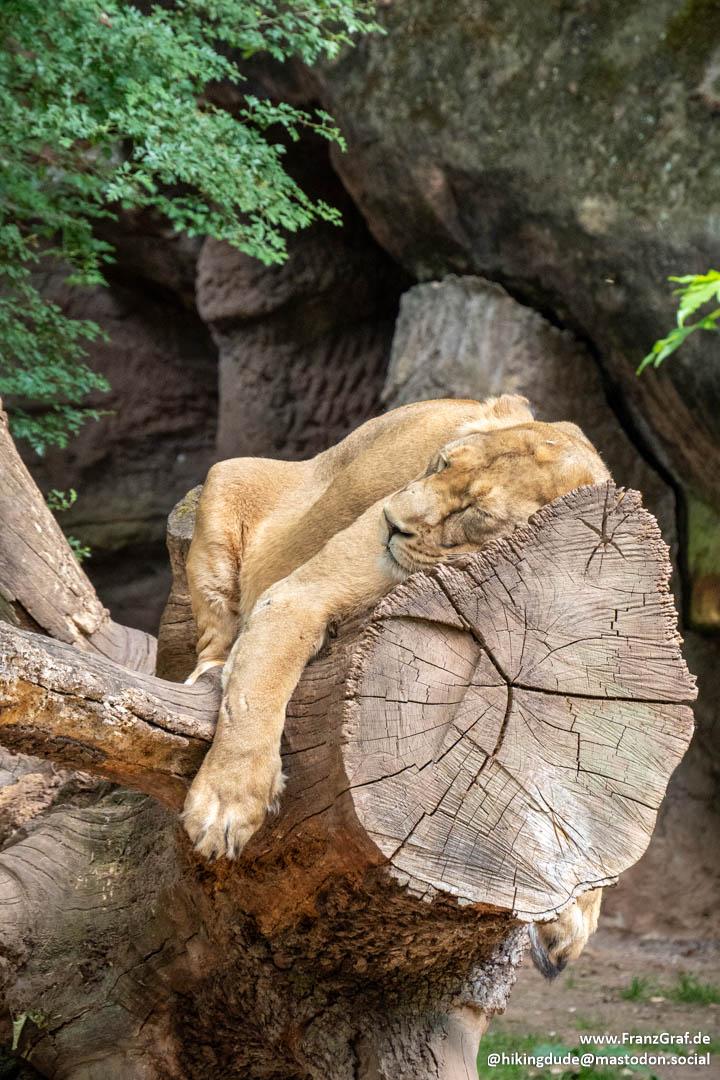
I don't take photos of animals often, but every now and then we are visiting the #TiergartenNürnberg and I bring the camera to see if I can capture a scene that's worth taking a photo.
#nürnberg
 @ayn@trunk.lol
Risk factors: our technology could pose existential risks to humanity
Business plan: anyway, here are our $518 billion in compute commitments
 @harrysentonbury@social.linux.pizza
 @kexpmusicbot@mastodonapp.uk
🇺🇦 #NowPlaying on KEXP's #AfternoonShow
Too $hort:
🎵 In the Trunk
#Too$hort
https://macmodhi2ndpage.bandcamp.com/track/in-the-trunk-ii-rm
https://open.spotify.com/track/2JaGw7dXV7yo4Pl1ZQvf2e
 @UP8@mastodon.social
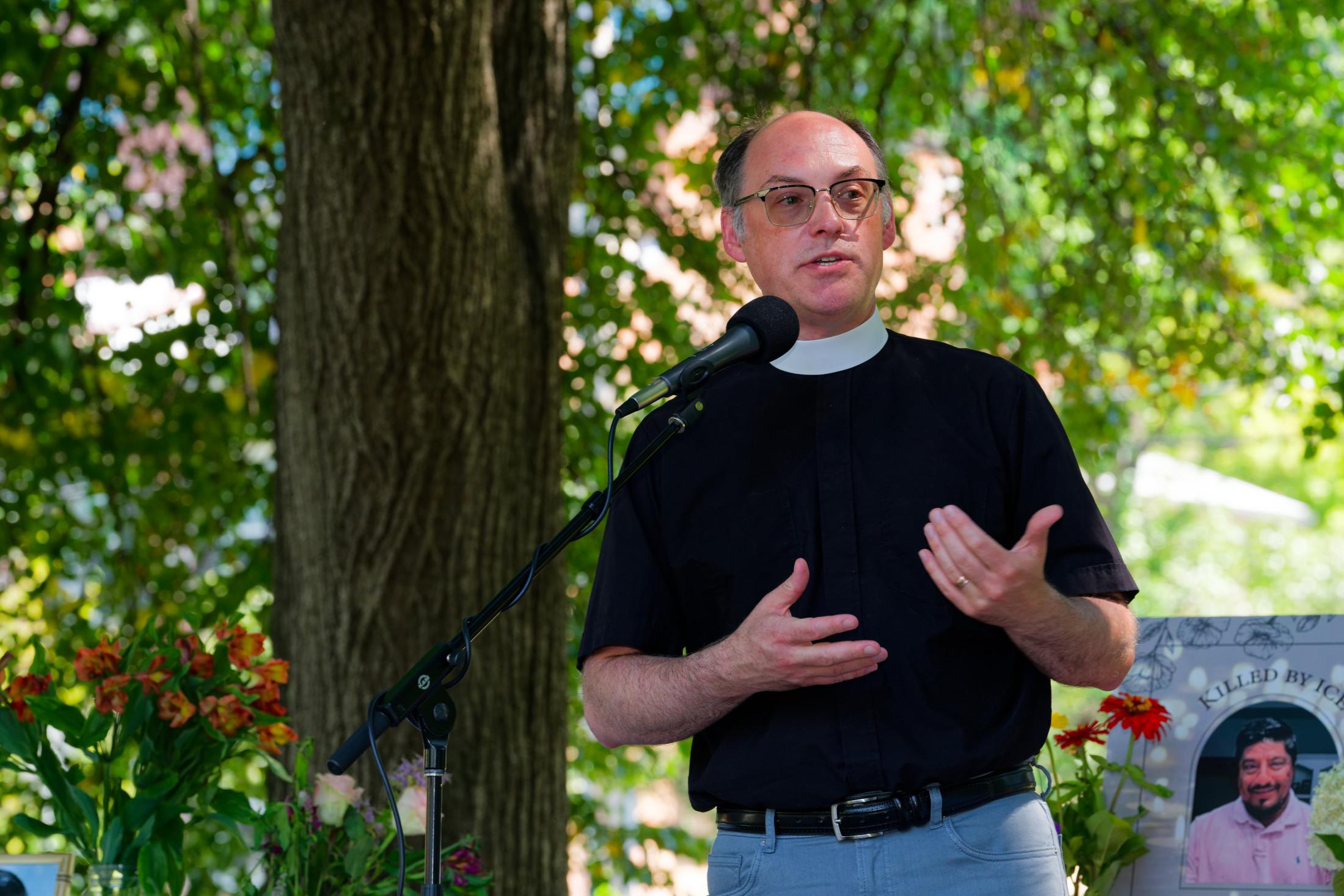
Rev Jason Churchill of St.Luke Lutheran Church speaks at Ithaca rally against I.C.E. yesterday
#photo #photography #portrait
 @finlaydag33k@social.linux.pizza
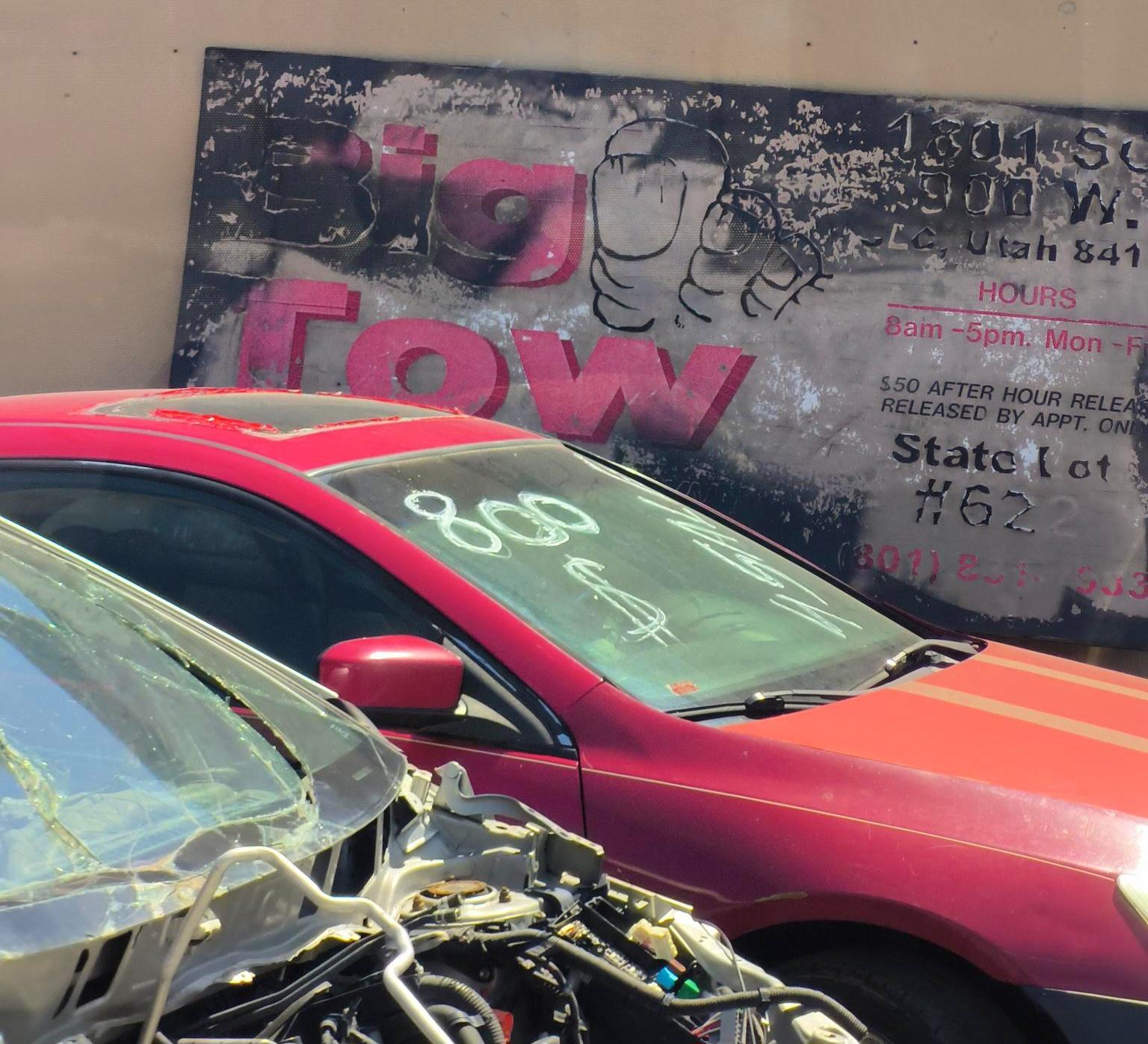
World of "environmentalism", "sustainability" and "recycling"...
I may have to send a perfectly fine car to the scrapyard cus of a tiny piece of metal. : D
(Trunk won't lock, the replacement part is unobtainable and without it, the car will be rejected by APK and no longer street legal)
 @djghettoredneck@mastodon.djghettoredneck.com
I'm watching Law & Order: Criminal Intent 2x11 "Baggage" #LawOrderCriminalIntent
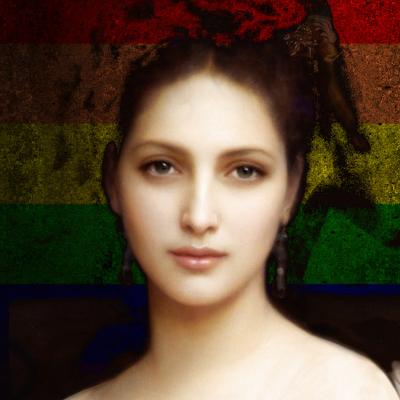 @AimeeMaroux@mastodon.social
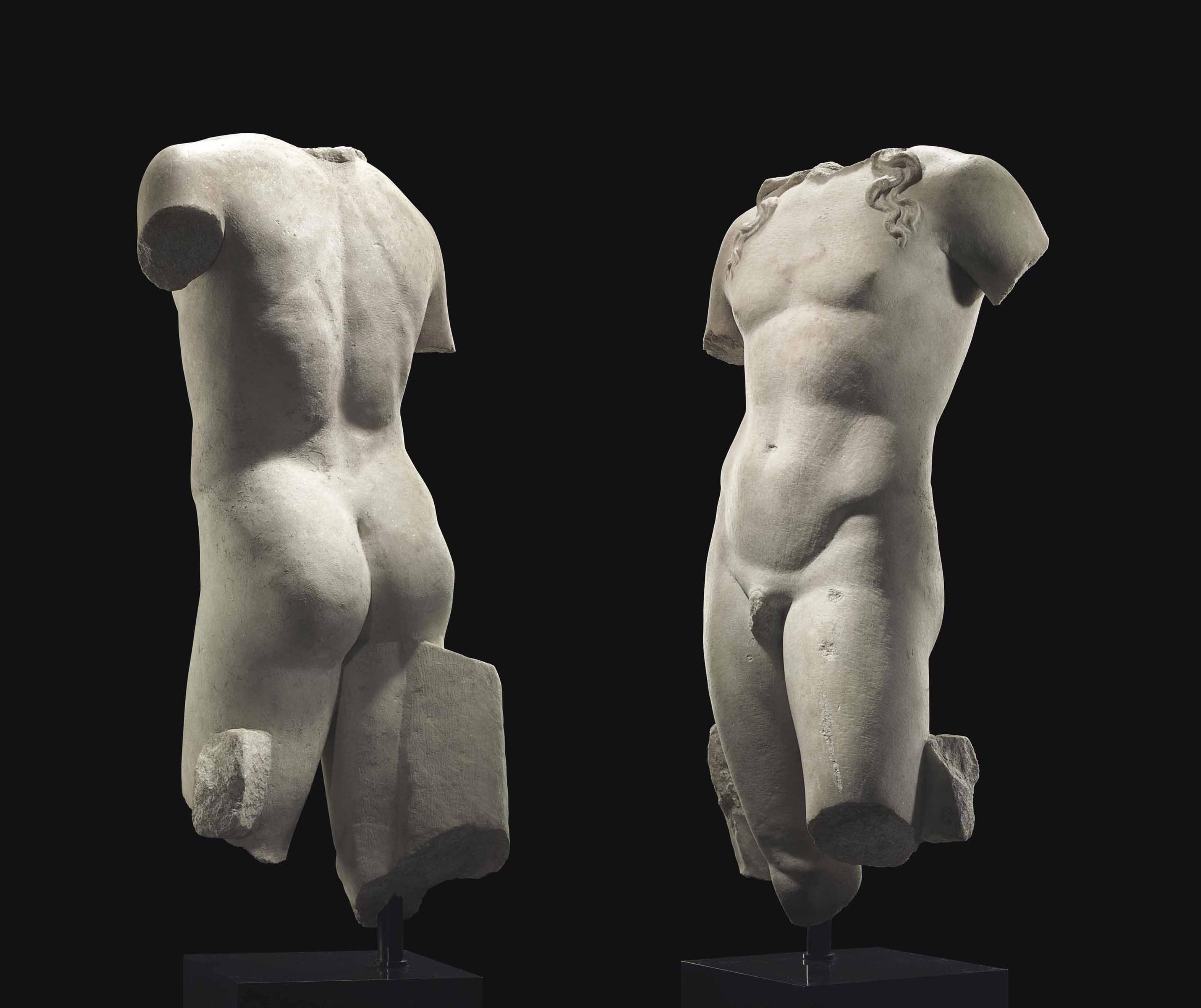
A late #BumDayMonday today. This one is missing a head, but his bum makes all but up for it 😉
#GreekRomanArt
 @leftsidestory@mstdn.social
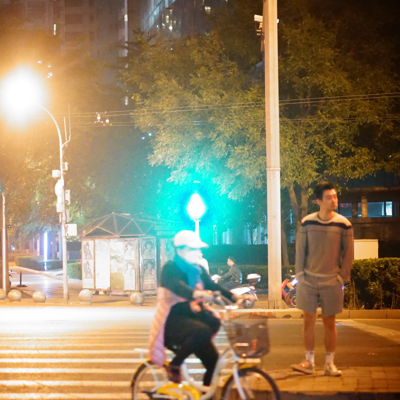
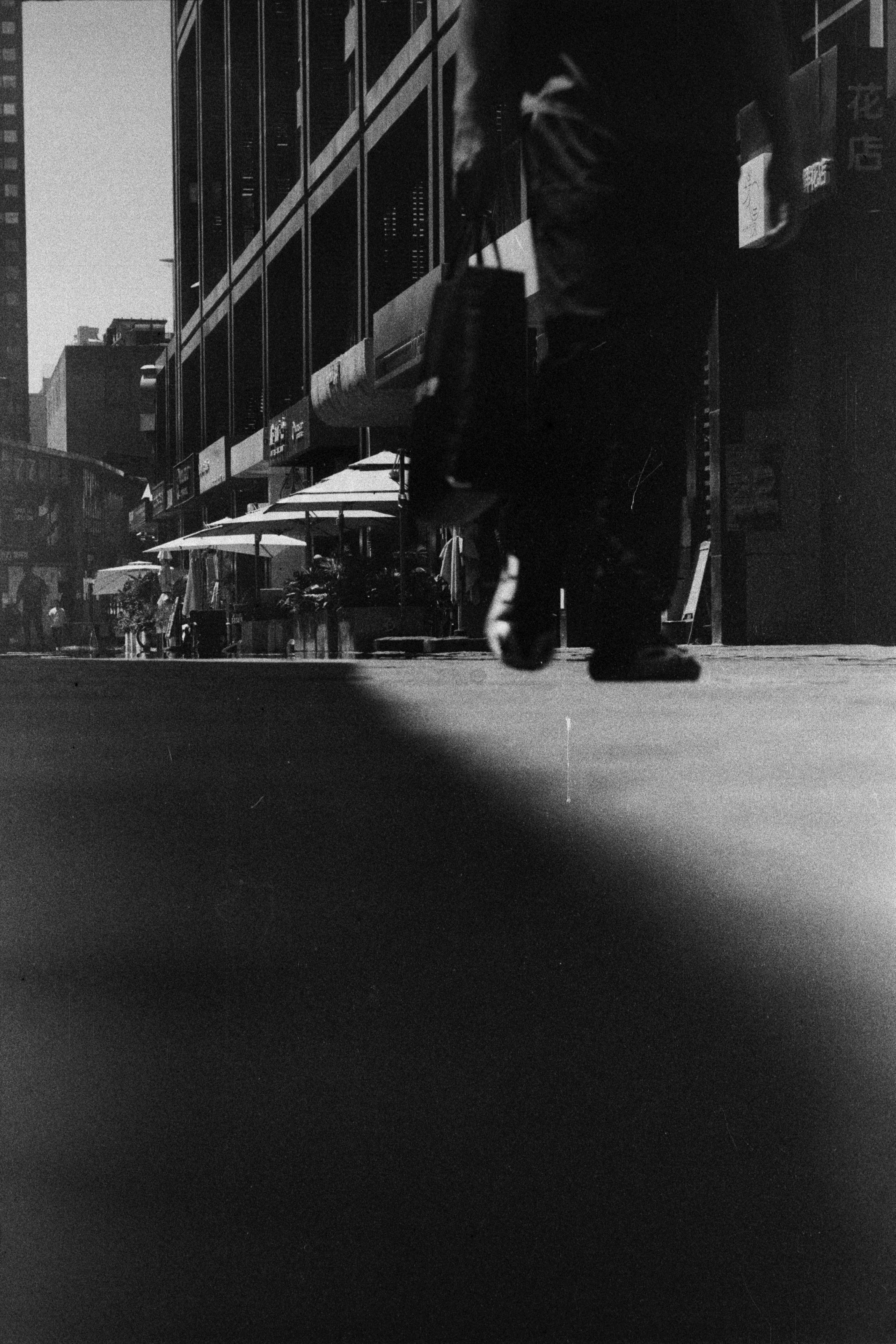
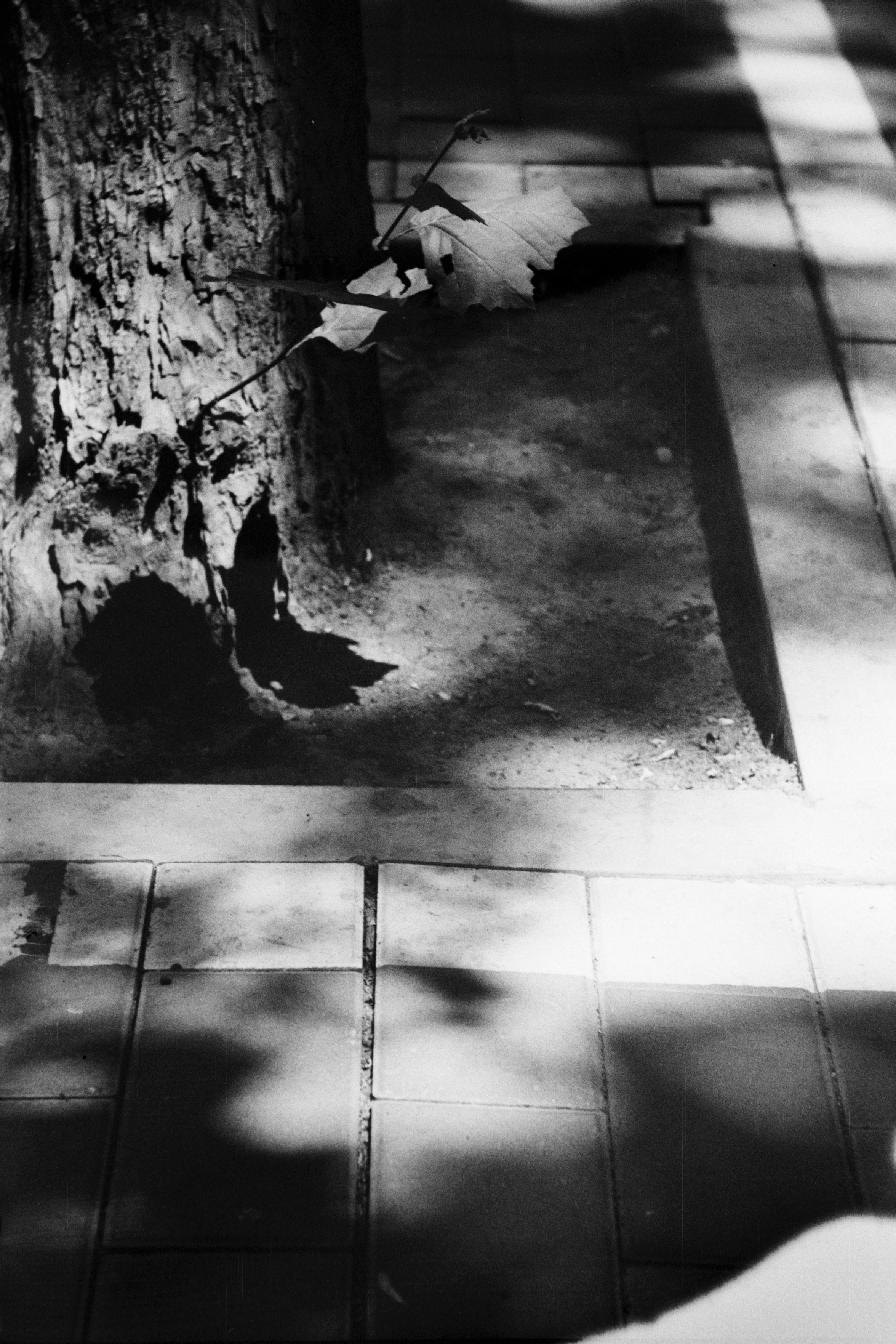
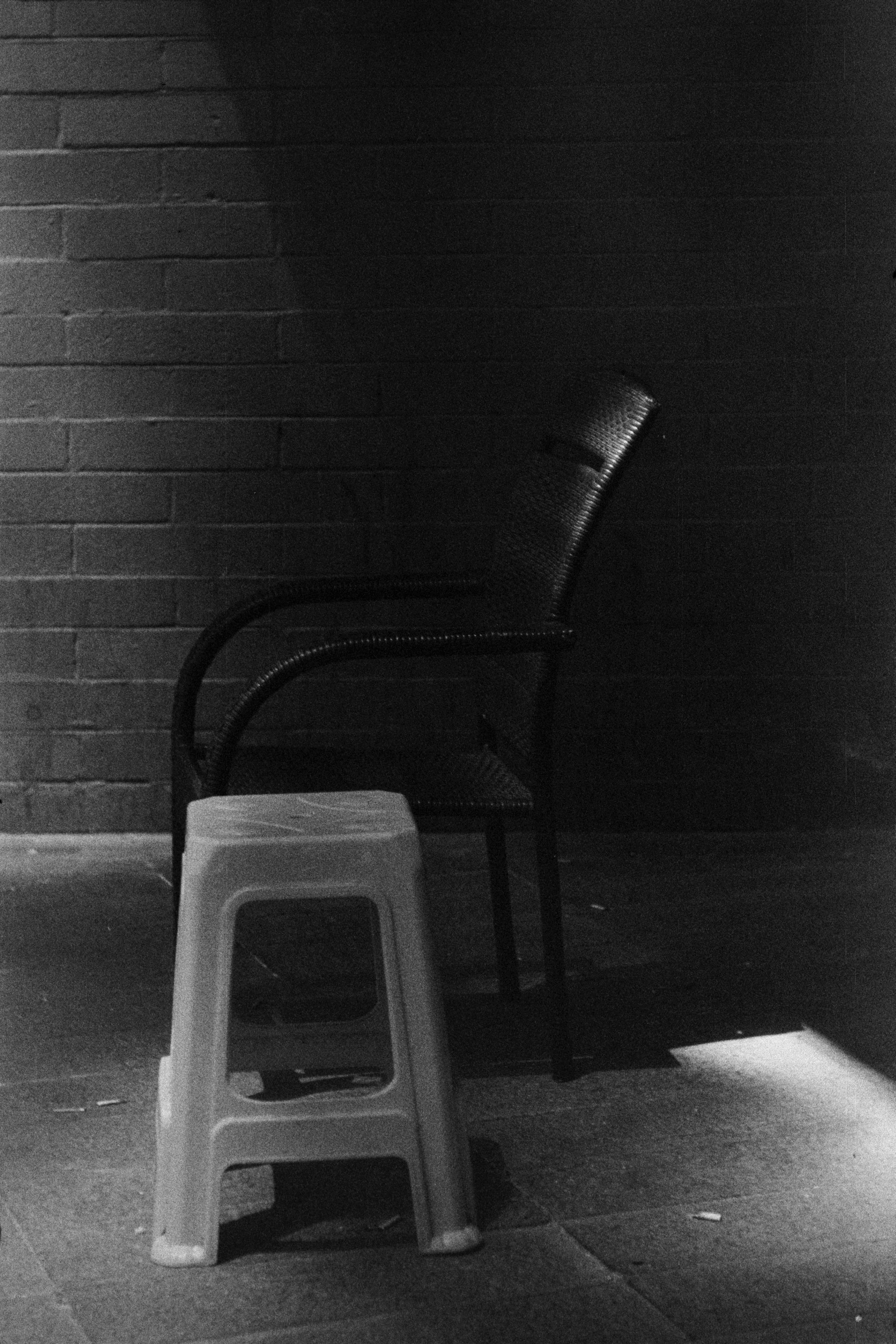
Parts VIII ⚙️
部分 VIII ⚙️
📷 Yashica 635
🎞️ ERA 100 (FF), expired 1993
If you like my work, Support by buying me a coffee or a roll of film from
PayPal https://www.paypal.com/paypalme/ydcdingsite
Wise

 @gscherer2@social.linux.pizza
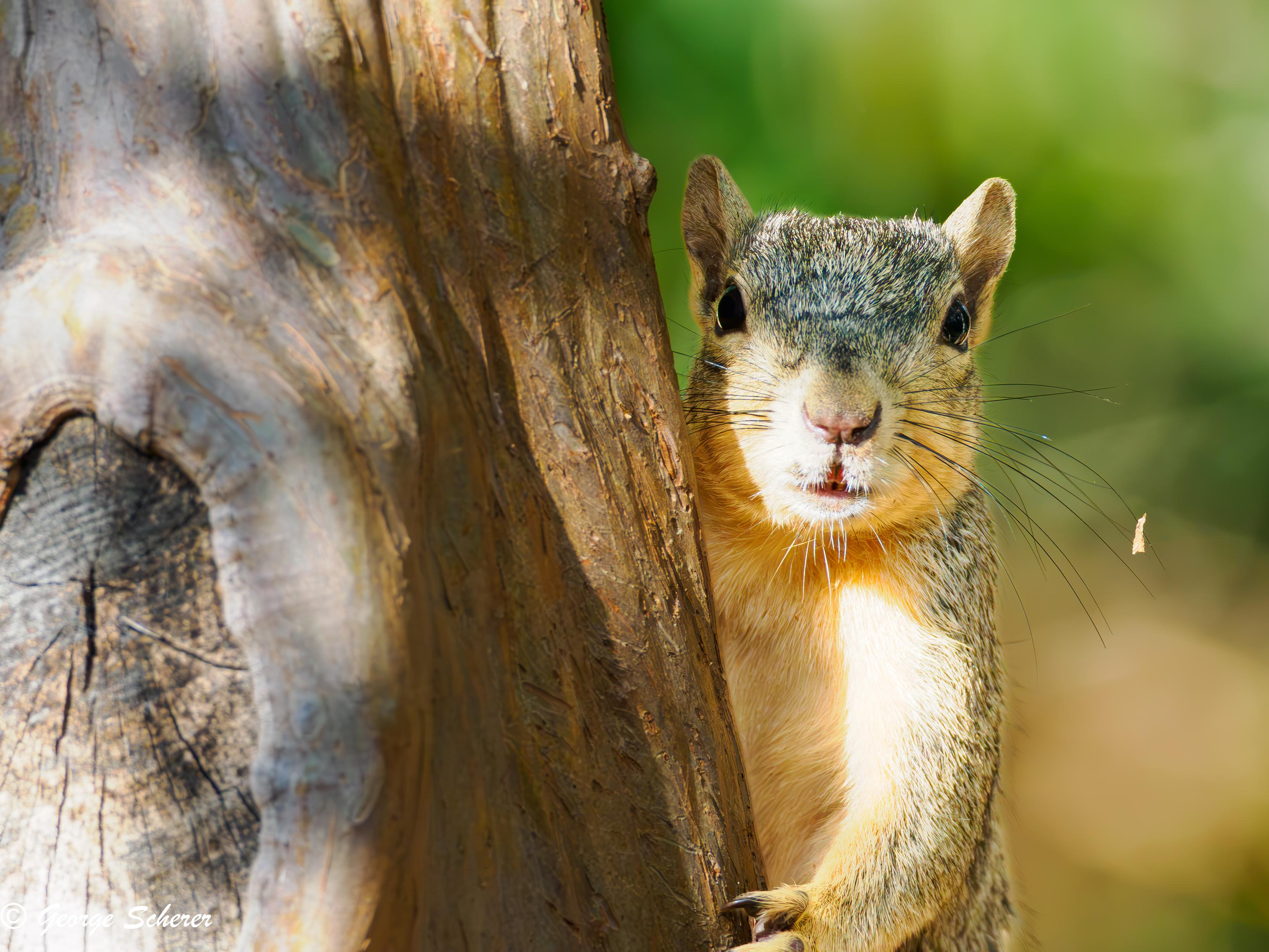
A very shy squirrel. LA Arboretum, Arcadia, California, USA. July, 2026. OM System OM-1 M.Zuiko 300mm MC14. #laarboretum #squirrels #animal
 @toxi@mastodon.thi.ng
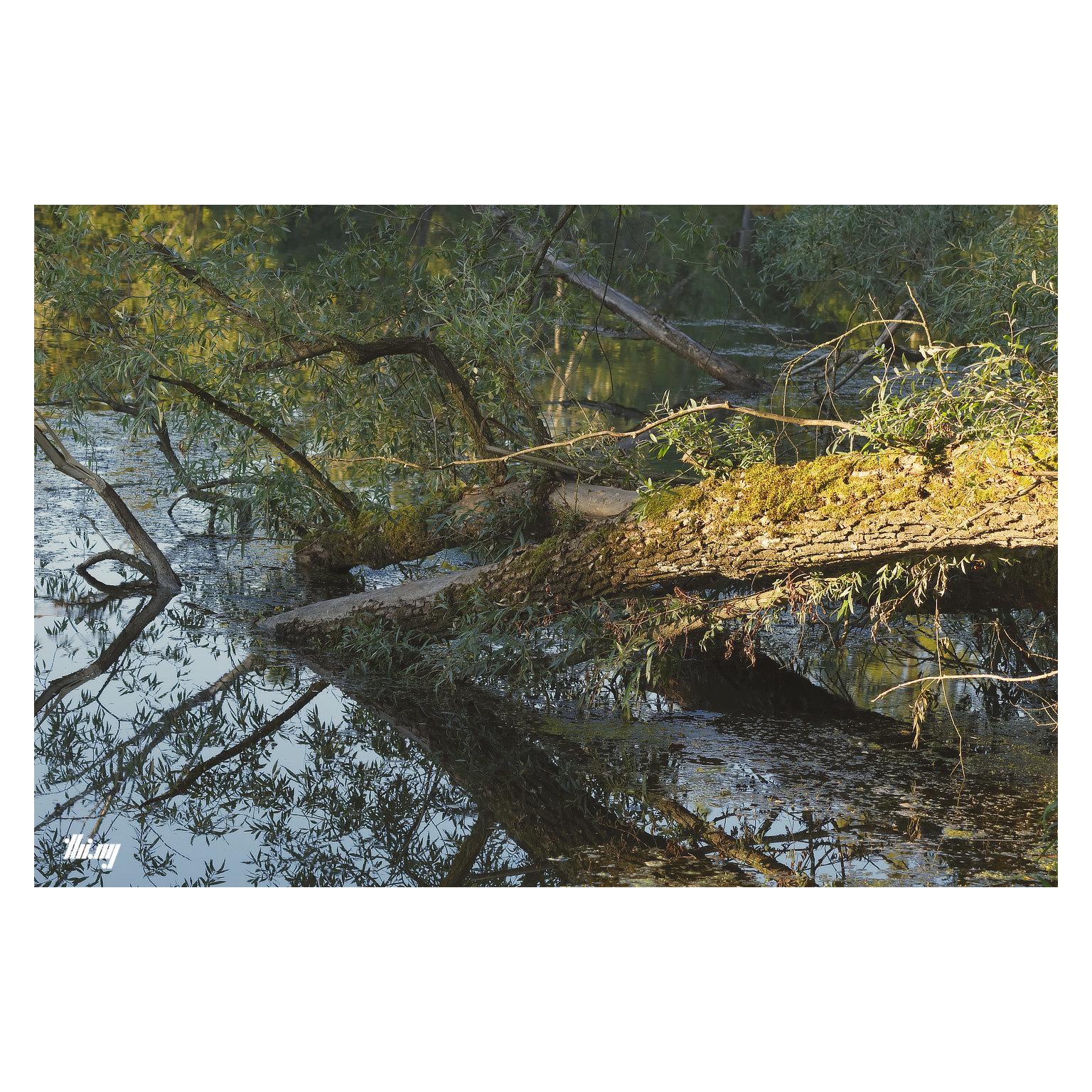
Eve Of Dusk Ⅰ (2026)
(Evening walk in the local wetlands)
#SilentSunday #EveningWalk #NaturePhotography
 @ayn@trunk.lol @harrysentonbury@social.linux.pizza
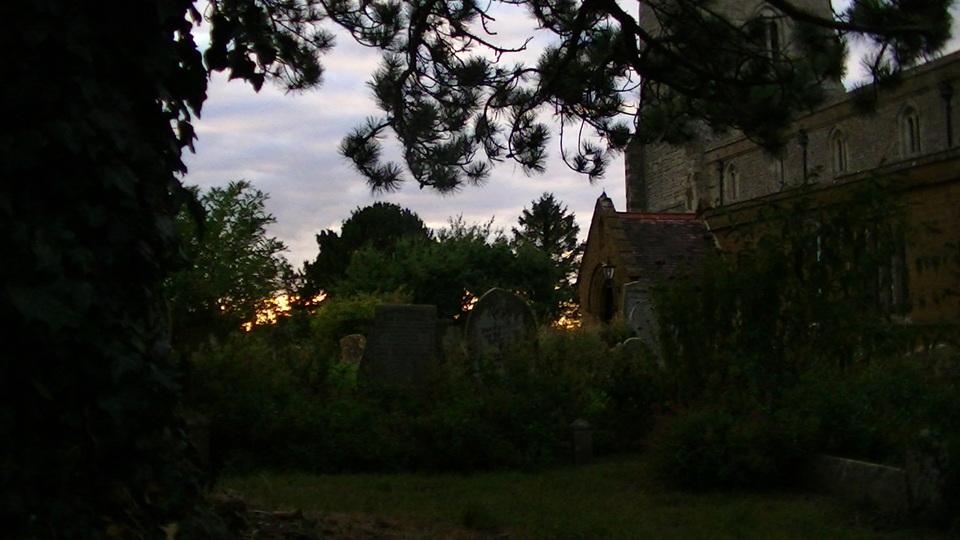
goodnight
#dusk #church #graveyard
 @sherold@mastodon.online
My fellow Mastodonians, can we all give this idea a little bit of praise, please?
 @ayn@trunk.lol
the 18 is definitely an “S” rev of the 17 Pro, everything is slightly nicer. migrating to a new phone is still a huge pain though. I haven’t been able to get all my cards back into Apple Pay yet — need to call Fubon TW, and while Venture X is a great card, it’s always annoying to add to Apple Pay when I’m outside the US. the NFC card verification in the Cap One app also seems broken, though maybe my new physical card just isn’t working.
@ayn@trunk.lollol
 @ayn@trunk.lol
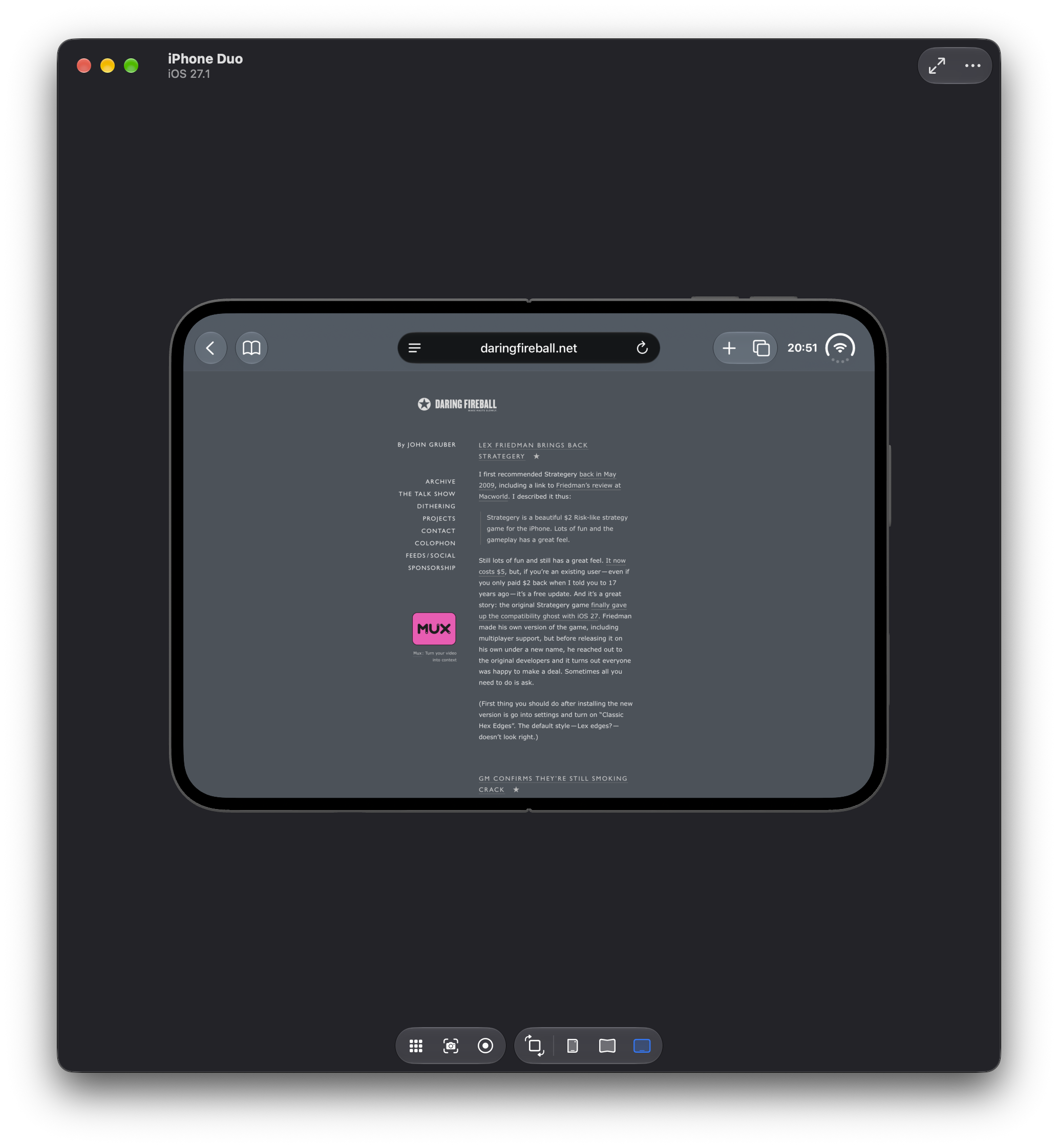
Switched from Ice to Thaw, it actually works, been dealing with non-working menubar manager for too long.
@harrysentonbury@social.linux.pizza @ayn@trunk.lolwas trying to remember some weird avant-garde dance company i saw in taipei ~2013. chatgpt searched my old foursquare checkins calendar and found me checking into the national theater 12 min before an Ultima Vez performance lol
this is why i still use swarm
 @rasterweb@mastodon.social
I weighted my bike panniers and trunk bag today after I got home and I was carrying about 28 extra pounds of cargo! Sometimes I feel like I’m pedaling extra hard and I should probably remember that I haul a lot between home and work on a regular basis.
@kexpmusicbot@mastodonapp.uk🇺🇦 #NowPlaying on #KEXP's #StreetSounds
Seiji Oda, Trunk Boiz:
🎵 GO DUMB
#SeijiOda #TrunkBoiz
https://open.spotify.com/track/5eS0osV4ztBNZ6kd2wUP74
 @memeorandum@universeodon.com
Meet Natalie Harp, the aide so close to Trump she once rode in an SUV trunk to accompany him (CNN)
https://www.cnn.com/2026/08/18/politics/natalie-harp-trump-aide
http://www.memeorandum.com/260818/p141#a260818p141
 @chris@mstdn.chrisalemany.ca
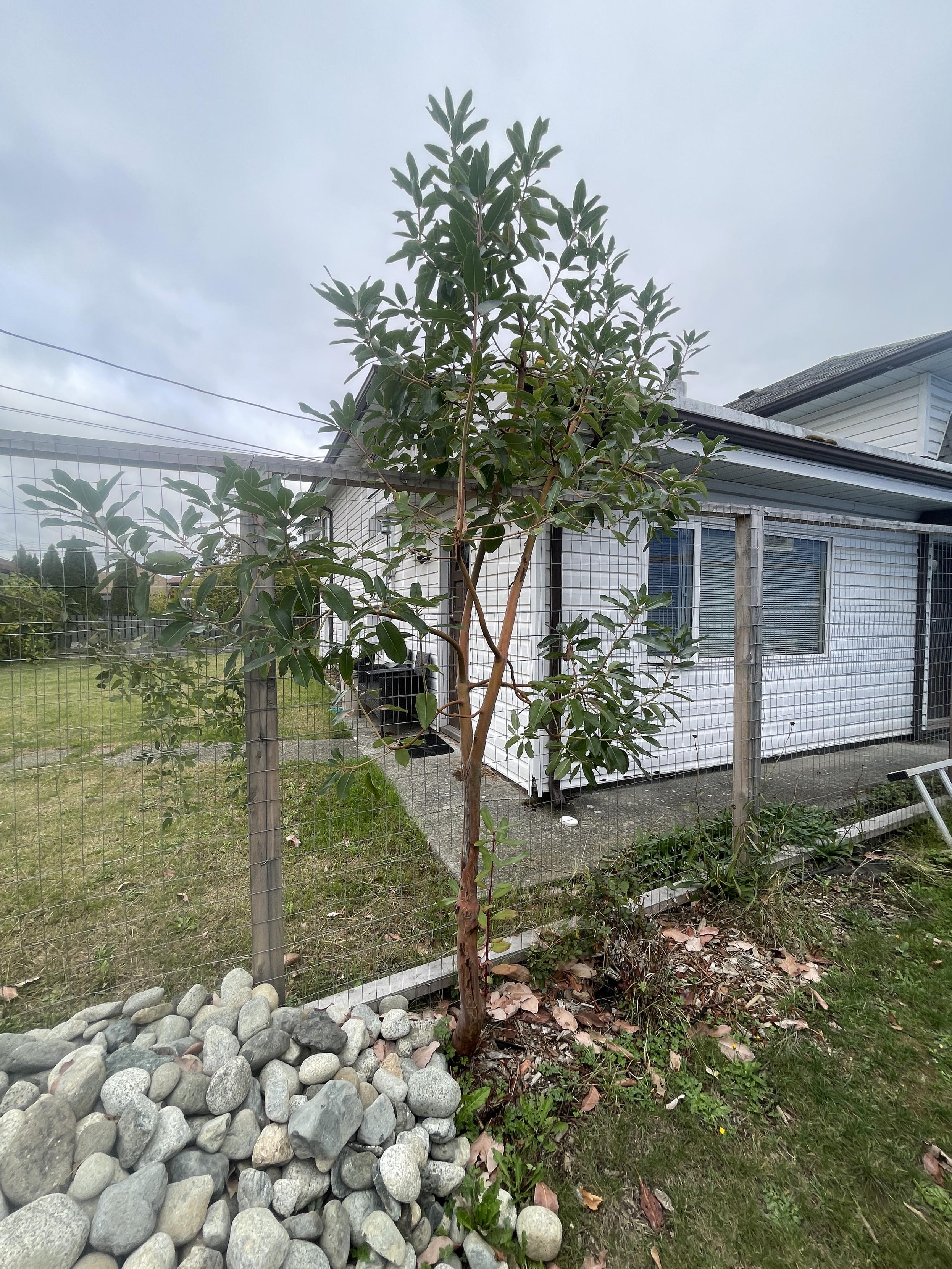
remember our little arbutus tree? It is not little! It is probably 12ft tall now and I am managing it so it can have a long trunk up beside the fence and then leaf and branch out above it! It is such a beast but so beautiful. I love arbutus trees!!
Today's main chore is to pick all of the grapes. 🍇 Mainly purple concord grapes that I will juice tomorrow! They can't sit picked for more than a day or they start to go bad, especially with how late we are picking them!
And I would be remiss if I did not mention the biggest tree we have! The hazelnut has come through all the disturbance in the backyard really well. It was and is absolutely pakced with nuts. The birds and squirrels and raccoons and humans have all had a go.
I am really looking forward to next year when all of these trees get much less disturbance and much more love and attention! ❤️
never really thought of myself as a gardener, but the pandemic, and my age, has helped that along i guess. :)
#poolpond #greenhouse #apple #gardening #bloomscroll #diy #harvest
 @smurthys@hachyderm.io
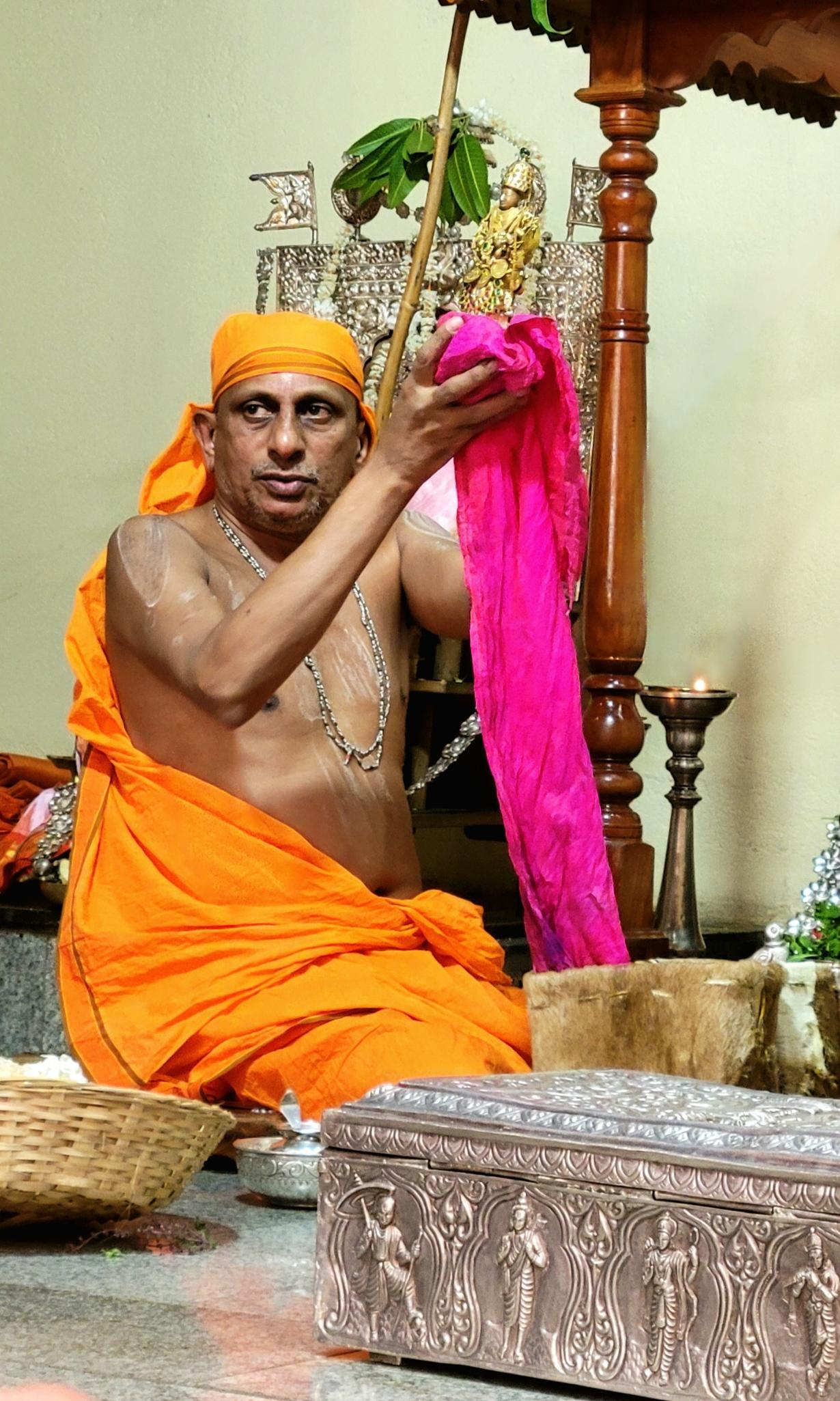
At end of service:
1. The Swamiji holds up each idol for all to see (as someone announces the idol),
2. wraps the idol in silk cloth,
3. appreciates the idol and places it in a wooden box covered in deer skin [such a box is on the floor, in front of the Swamiji].
4. An assistant puts the boxes in a silver trunk.
#photography #amateur #photoMontag #FotoMonday #Hindu #ritual