 @hikingdude@mastodon.social
2026-08-18 19:59:01
 @harrysentonbury@social.linux.pizza
2026-08-18 13:38:13
 @pixelcode@social.tchncs.de
2026-08-14 06:01:04
This Kremlin-aligned propagandist would like to be #fediblocked: https://social.anoxinon.de/@tobler

 @padraig@mastodon.ie
2026-07-24 15:05:29


 @kurtsh@mastodon.social
2026-07-31 02:21:42

 @gscherer2@social.linux.pizza
2026-06-19 18:04:28
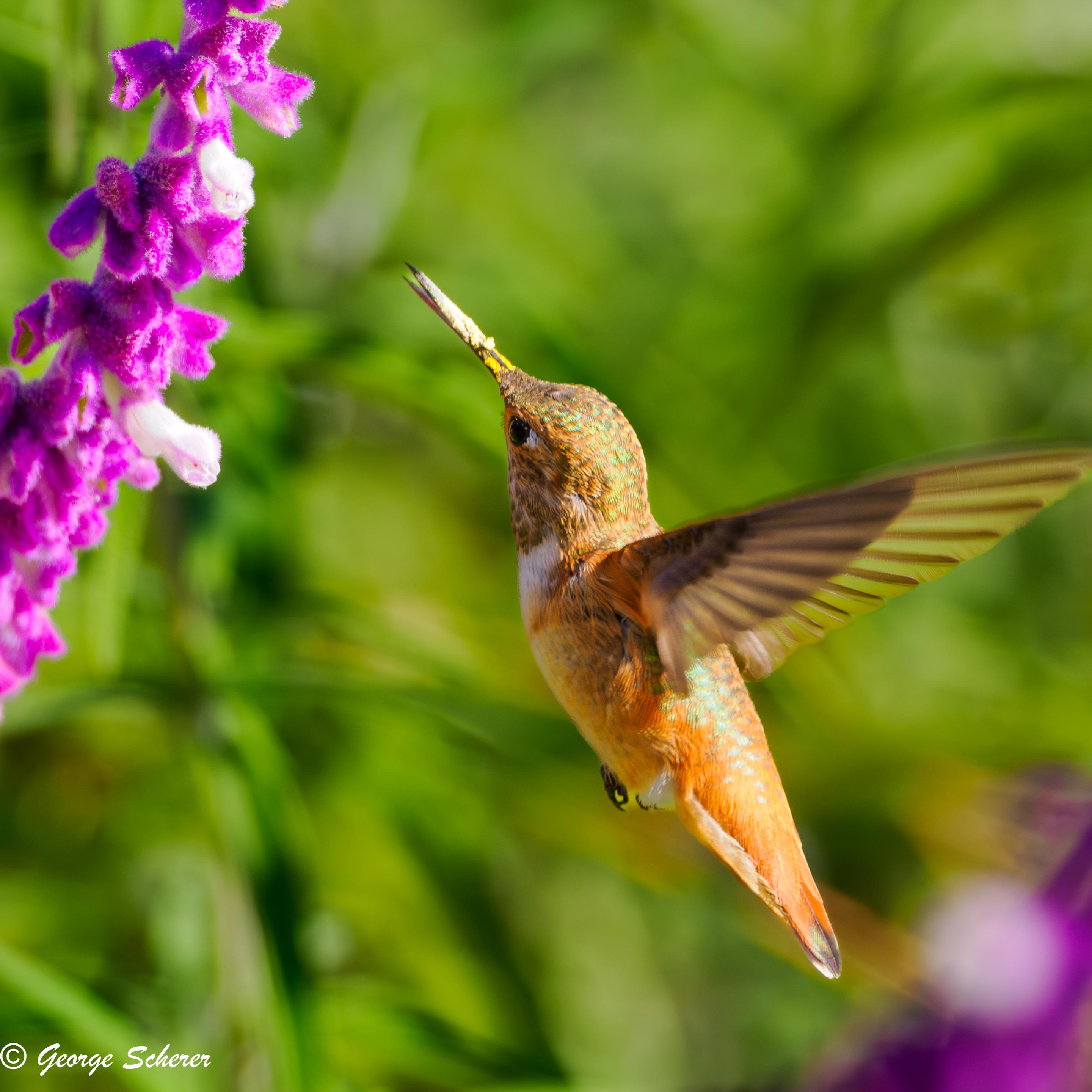
Hummingbird approaching Mexican Sage flowers. LA Arboretum, Arcadia, California, USA. May, 2026. OM System OM-1 M.Zuiko 300mm F4 MC14. #laarboretum #hummingbird #bird
 @UP8@mastodon.social
2026-07-09 11:35:00
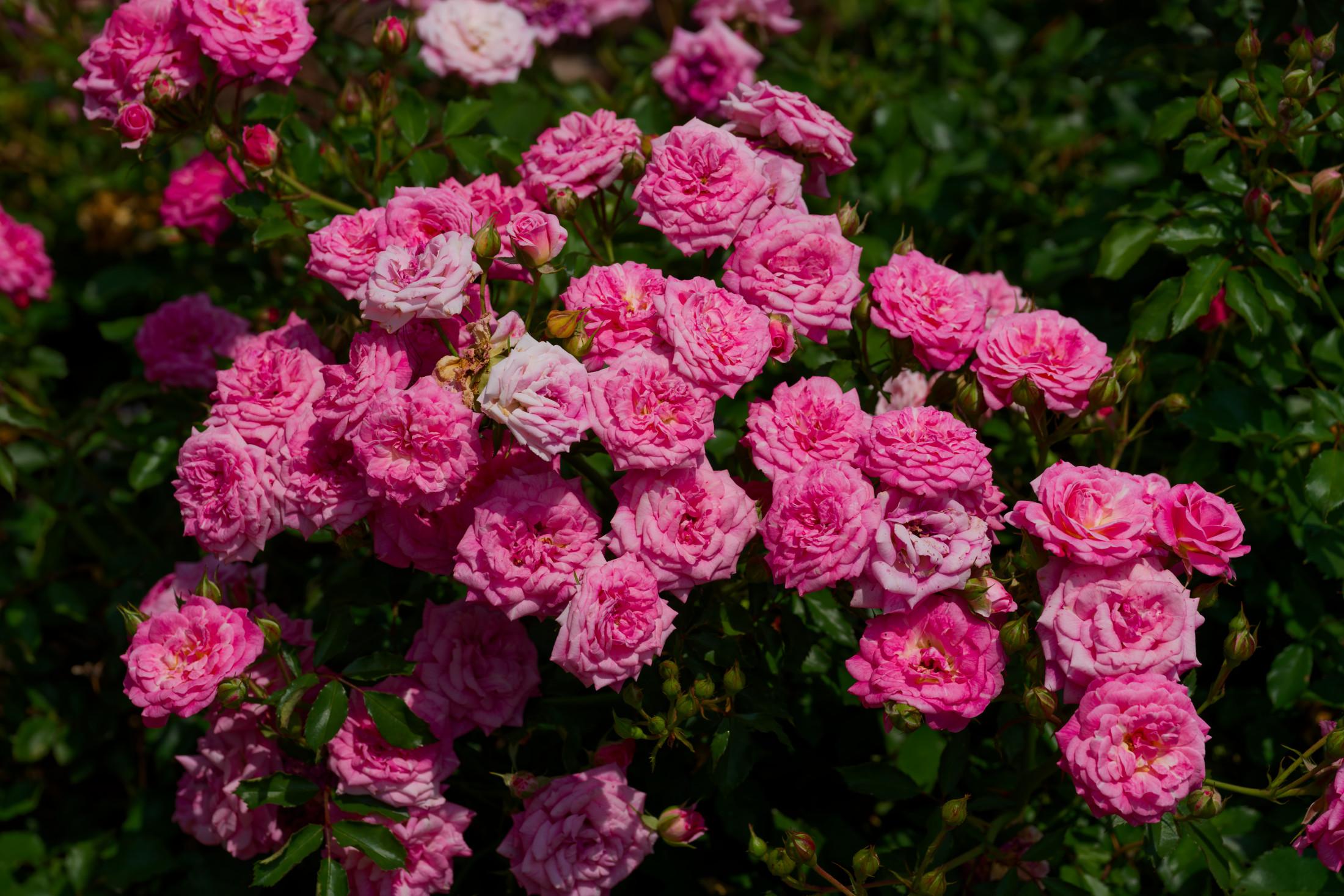
I wish I could share the smell of these little pink roses with you!
#photo #photography #roses #flowers
 @tiotasram@kolektiva.social
2026-08-12 22:05:28
I'm not big on the whole Christian "natural/artificial" binary, or the settler-colonialist concept of "wilderness" which erases indigenous stewardship in a bid to claim mid territory (see, e.g., tribes forced out of what are now national parks in the US). But I do enjoy getting out of urban/suburban environments and into places where the human impact on the land is minimal and/or synergistic with non-human flourishing.
I was thinking about why I enjoy this so much today while out on a stroller hike with my younger child, and came to the conclusion that it may be less about being in a "natural" space and more about being in a space whose flourishing is not tied to the capitalist necropolitical "growth" spiral.
Like, there's the baseline intrinsic beauty of flowers, trees, flowing water, etc. Then there's the pleasure of considering how these things fit together into an ecosystem and mutually support each other (and also compete/predate, etc.). But on top of all that, there's the sense that these things are part of a self-sustaining pattern that's capable of continuing without outside inputs and without creating external waste over vast, geologic timescales. The things I see when I look around in a city aren't like that. 100 or 1000 or 10000 years from now they'll be ruins, not necessarily because of human extinction or anything like that, but because the resource flows that create them are inseparable from a fundamentally unsustainable economy built around a paradoxical assumption of infinite exponential growth.
There *are* of course some human-built or -stewarded things in the world that are sustainably maintained, and ruins can have their own kind of beauty. But to me part of the joy of being on a hiking trail is to look around and see beautiful systems that will persist regardless of (most) human political outcomes that I spend a lot of energy worrying about.
Even in the extreme cases of climate change these things will eventually come back, albeit in an altered form. I don't want to ignore the incredibly destructive impact of humans on the environment, of course, but still, it's comforting to me to think about how the problems and brokenness of currently-dominant human cultures might change and scar but will not actually destroy the many systems on this planet that just don't depend on humans for their propagation.
 @hynek@mastodon.social
2026-09-14 12:19:16
The other day I was shocked that my favorite purveyor of hot sauces and OctoPrint maintainer extraordinaire @… was gone from my following list. Turns out her server had a bug and leisurely stripped her of a large swath of her mastodon.social followers. So if you think you follow her, double-check!
https://chaos.social/@foosel/116251218119152008
 @UP8@mastodon.social
2026-08-04 14:16:30
Runners jump over hurdles at Trackapalooza 2026
#photo #photography #running #flrc