 @UP8@mastodon.social
2025-12-31 20:29:01
Concrete sculpture in Cornell's Arboretum with a spectacular fall color tree behind it
#photo #photography #trees #fall
 @UP8@mastodon.social
Concrete sculpture in Cornell's Arboretum with a spectacular fall color tree behind it
#photo #photography #trees #fall
 @relcfp@mastodon.social
Extended Call for Papers: Religion and Peak TV
https://ift.tt/B8x6qVL
Extended Call for Papers: Religion and Peak TV Volume Editor: George Tsakiridis, PhD Abstract and CV…
via Input 4 RELCFP
 @seeingwithsound@mas.to
Evaluation of lipid nanoparticles as vehicles for optogenetic delivery in primary cortical neurons #optogenetics, gene therapy without viruses;

 @leftsidestory@mstdn.social
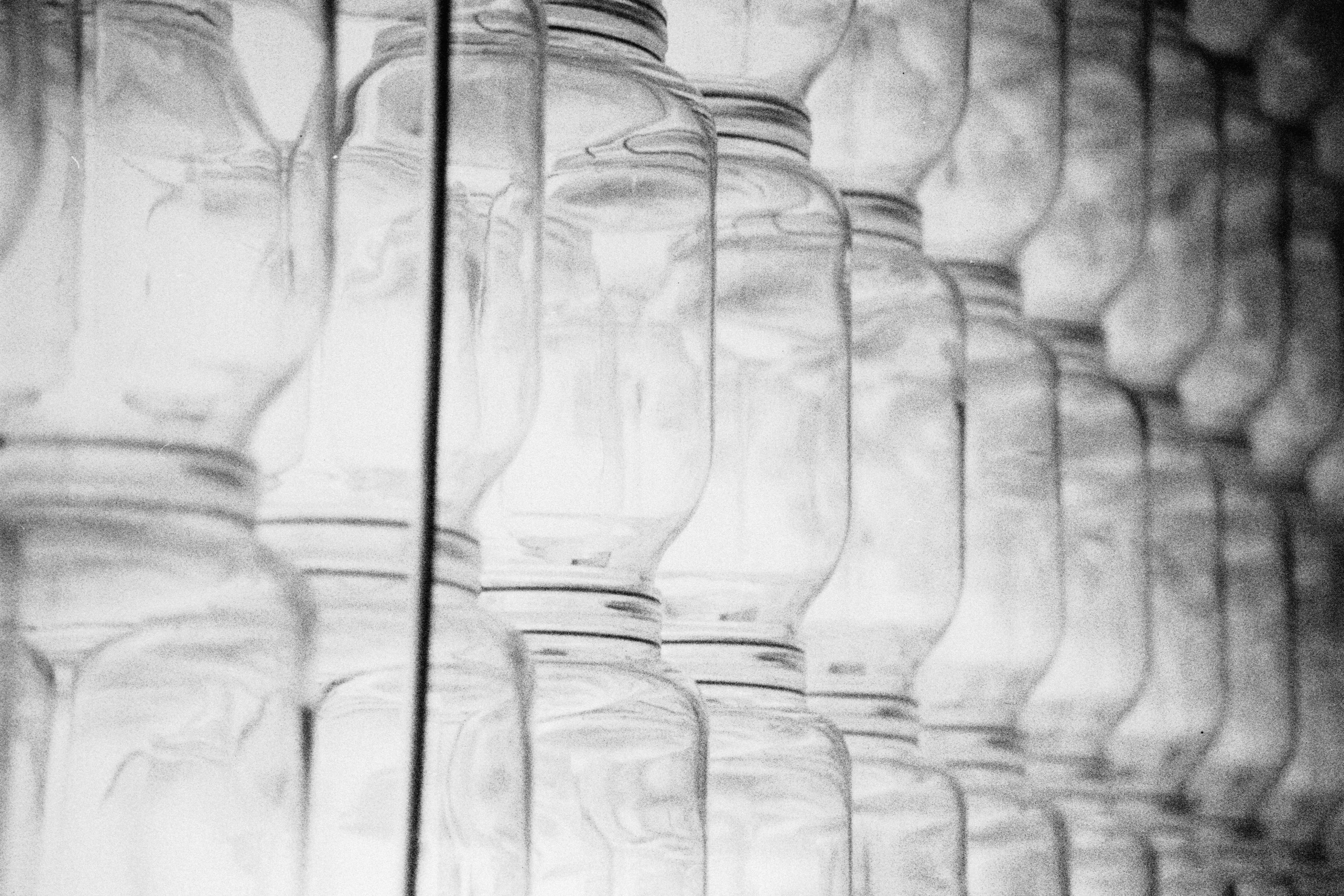
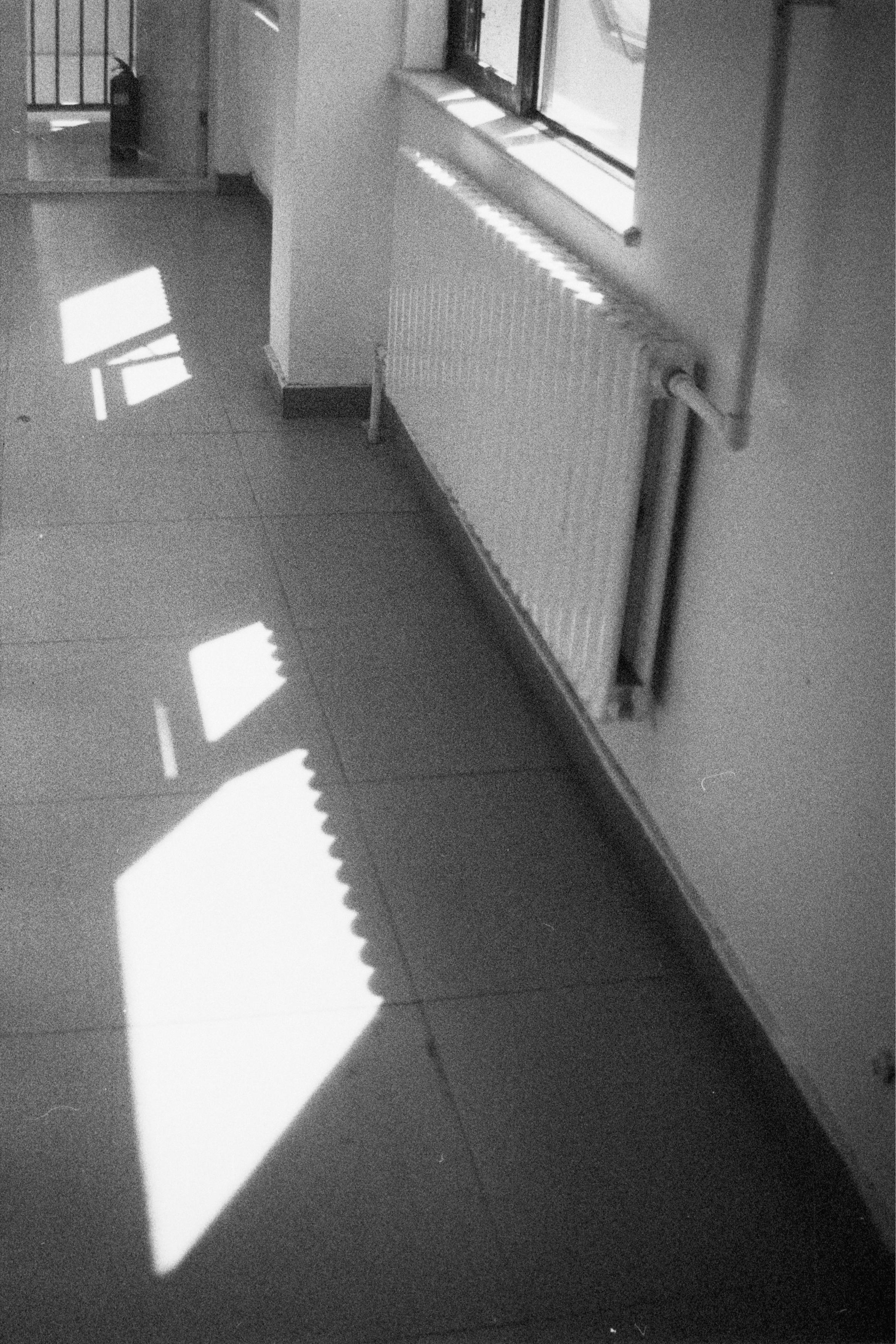
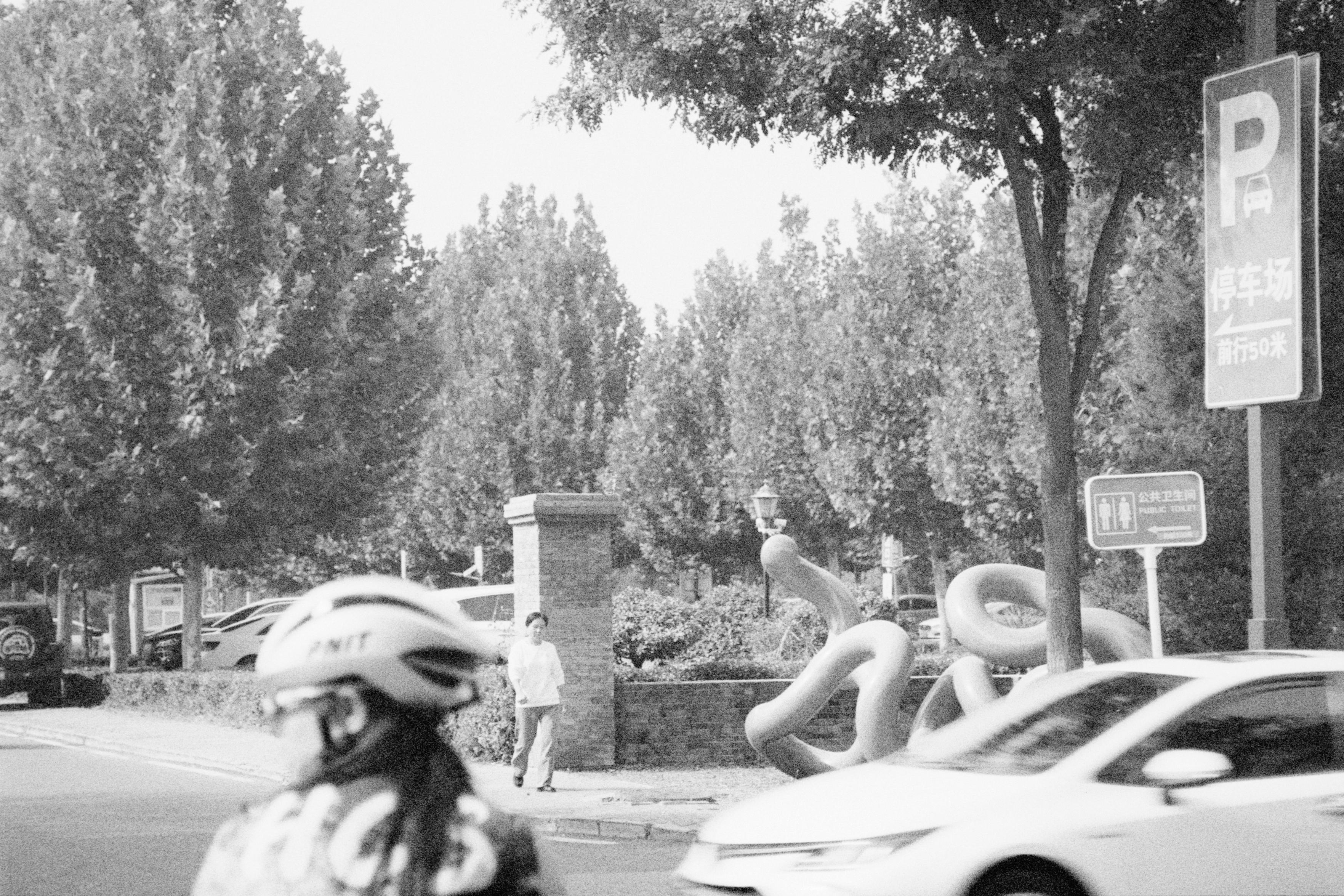
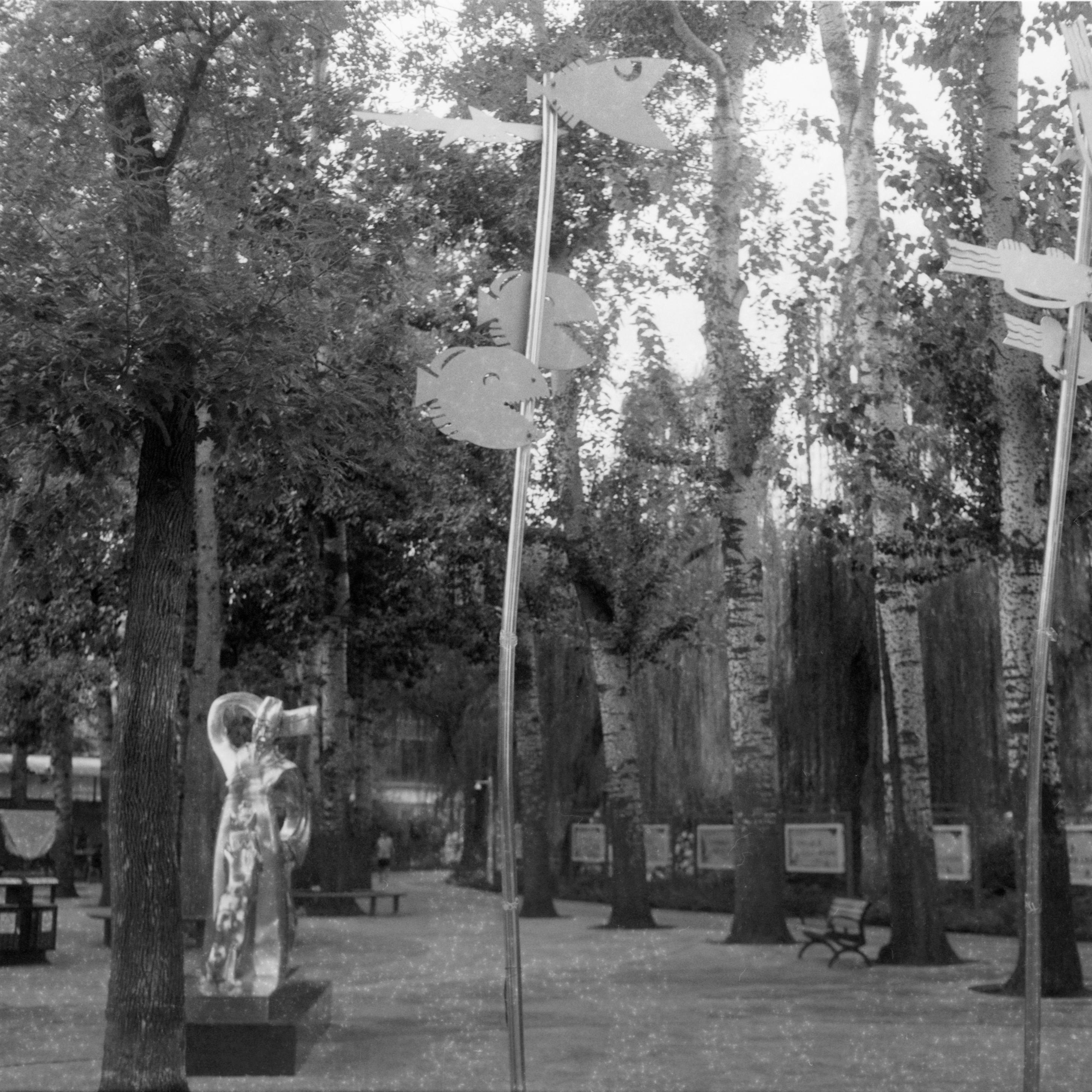
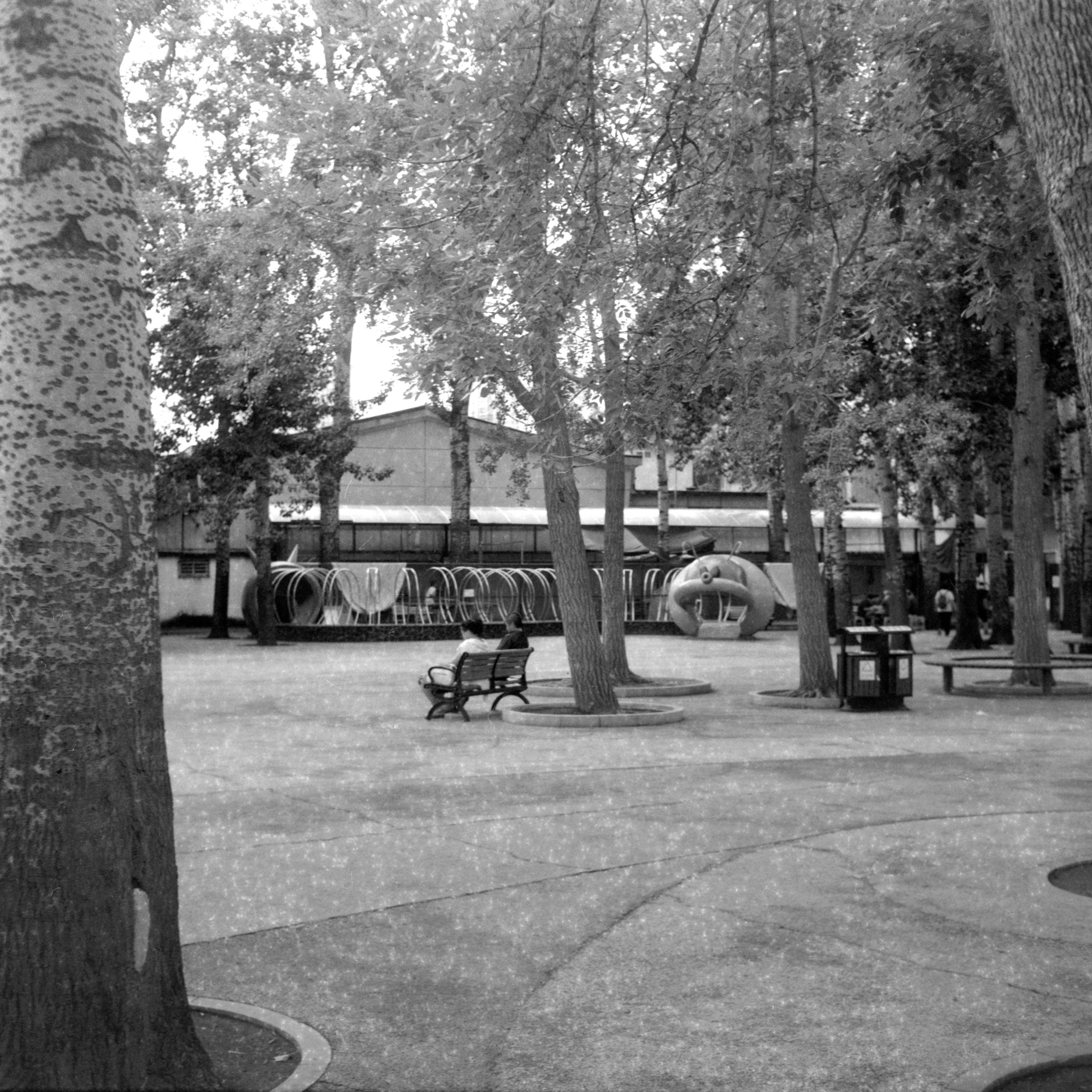
Moody Urbanity - Old & New III 🔆
情绪化城市 - 新与旧 III 🔆
📷 Nikon FE
🎞️ Ilford HP5 Plus 400, expired 1993
#filmphotography #Photography #blackandwhite


 @cosmos4u@scicomm.xyz
Warm Inflation with the Standard Model: #cosmology
@UP8@mastodon.socialI never got far from the wood stove today but a few days ago I spotted this snag covered with fungi near the high spot in Shindagin Hollow State Forest
#photo #photography #forest
 @relcfp@mastodon.social
Extended Call for Papers: Religion and Peak TV https://popularcultureandtheology.com/2025/10/31/extended-call-for-papers-religion-and-peak-tv/
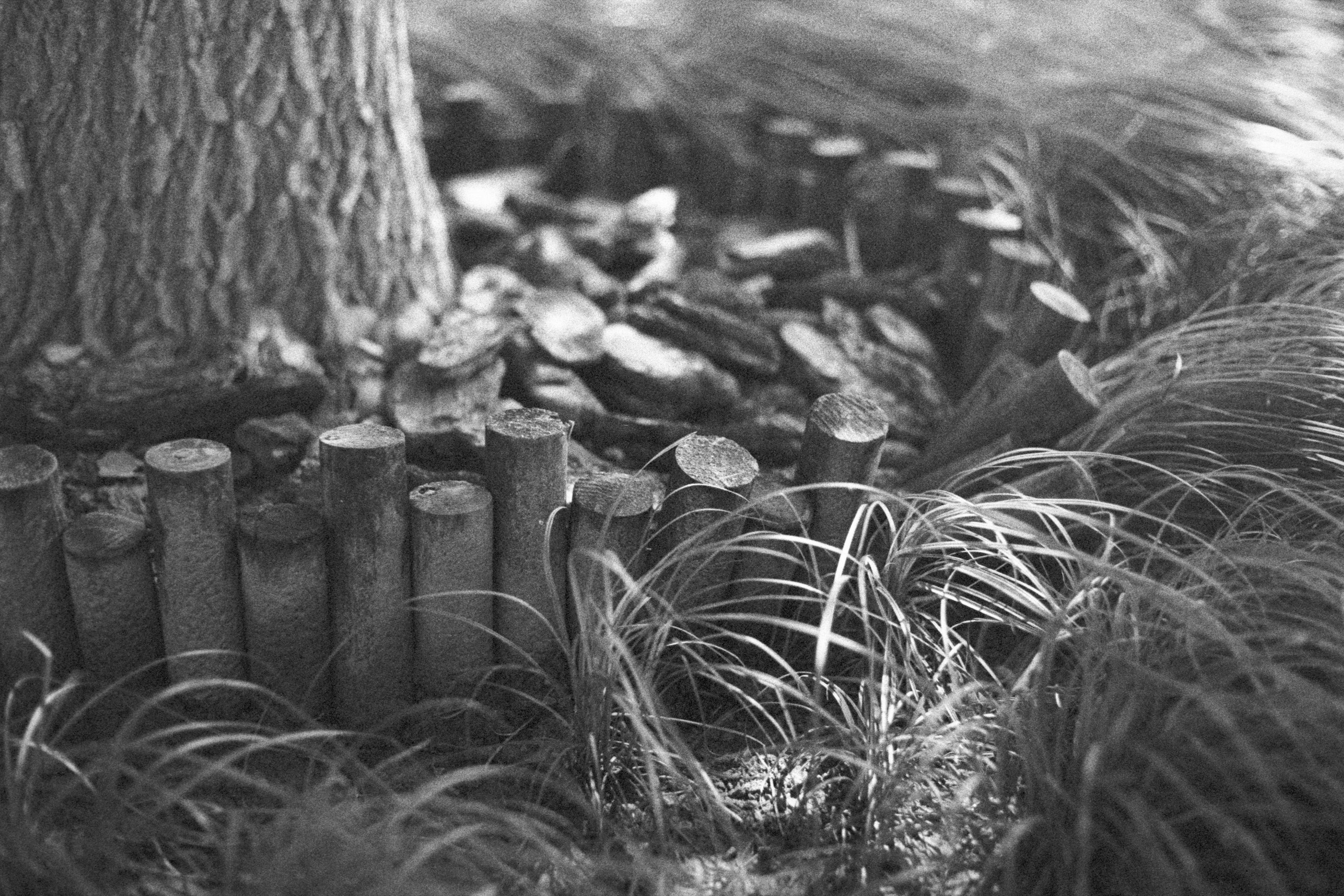
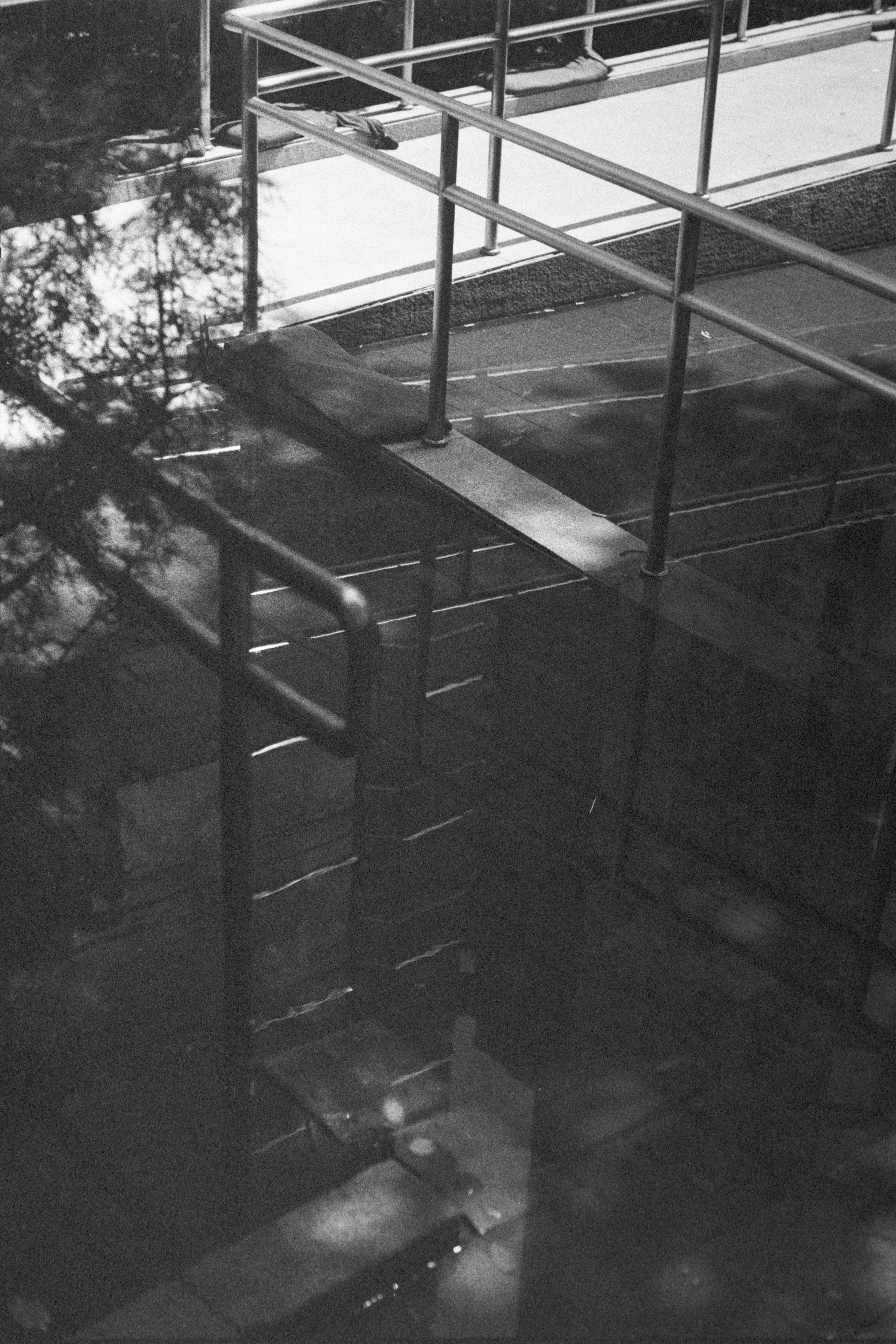
@leftsidestory@mstdn.socialMoody Urbanity - Ups & Downs ⬆️⬇️
情绪化城市 - 上上下下 ⬆️⬇️
📷 Pentax MX
🎞️ Ilford HP5 Plus 400, expired 1993
#filmphotography #Photography #blackandwhite

 @arXiv_physicsoptics_bot@mastoxiv.page
Scattering in Time-Varying Drude-Lorentz Models
Bryce Dixon, Calvin M. Hooper, Ian R. Hooper, Simon A. R. Horsley
https://arxiv.org/abs/2511.19322 https://arxiv.org/pdf/2511.19322 https://arxiv.org/html/2511.19322
arXiv:2511.19322v1 Announce Type: new
Abstract: Motivated by recent experiments, the theoretical study of wave propagation in time varying materials is of current interest. Although significant in nearly all such experiments, material dispersion is commonly neglected in theoretical studies. Yet, as we show here, understanding the precise microscopic model for the material dispersion is crucial for predicting experimental outcomes. Here we study the temporal scattering coefficients of four different time-varying Drude-Lorentz models, exploring how an incident continuous wave splits into forward and backward waves due to an abrupt change in plasma frequency. The differences in the predicted scattering are unique to time-varying media, and arise from the exact way in which the time variation appears in the various model parameters. We verify our results using a custom finite difference time domain algorithm, concluding with a discussion of the limitations that arise from using these models with an abrupt change in plasma frequency.
toXiv_bot_toot
 @benb@osintua.eu
Not an abstract peace, but protection! Are Europe and the US preparing tough guarantees for Ukraine?: https://benborges.xyz/2025/12/16/not-an-abstract-peace-but.html
 @midtsveen@social.linux.pizza
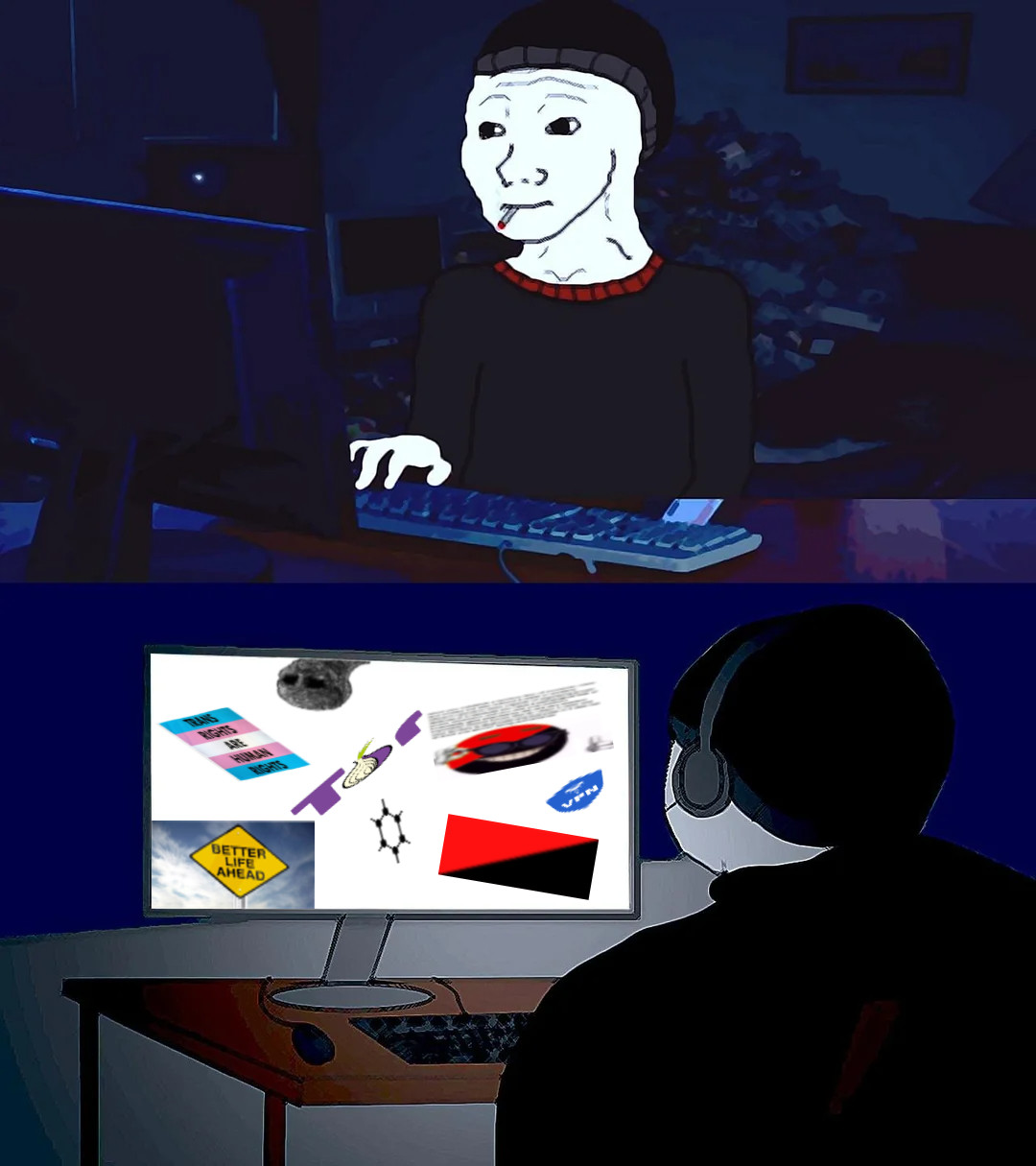
I want to throw away all my computers, maybe even my ThinkPad. But who really holds the right to judge how I live? Authority itself is a chain meant to be shattered.
#Anarchism #Syndicalism
 @toxi@mastodon.thi.ng
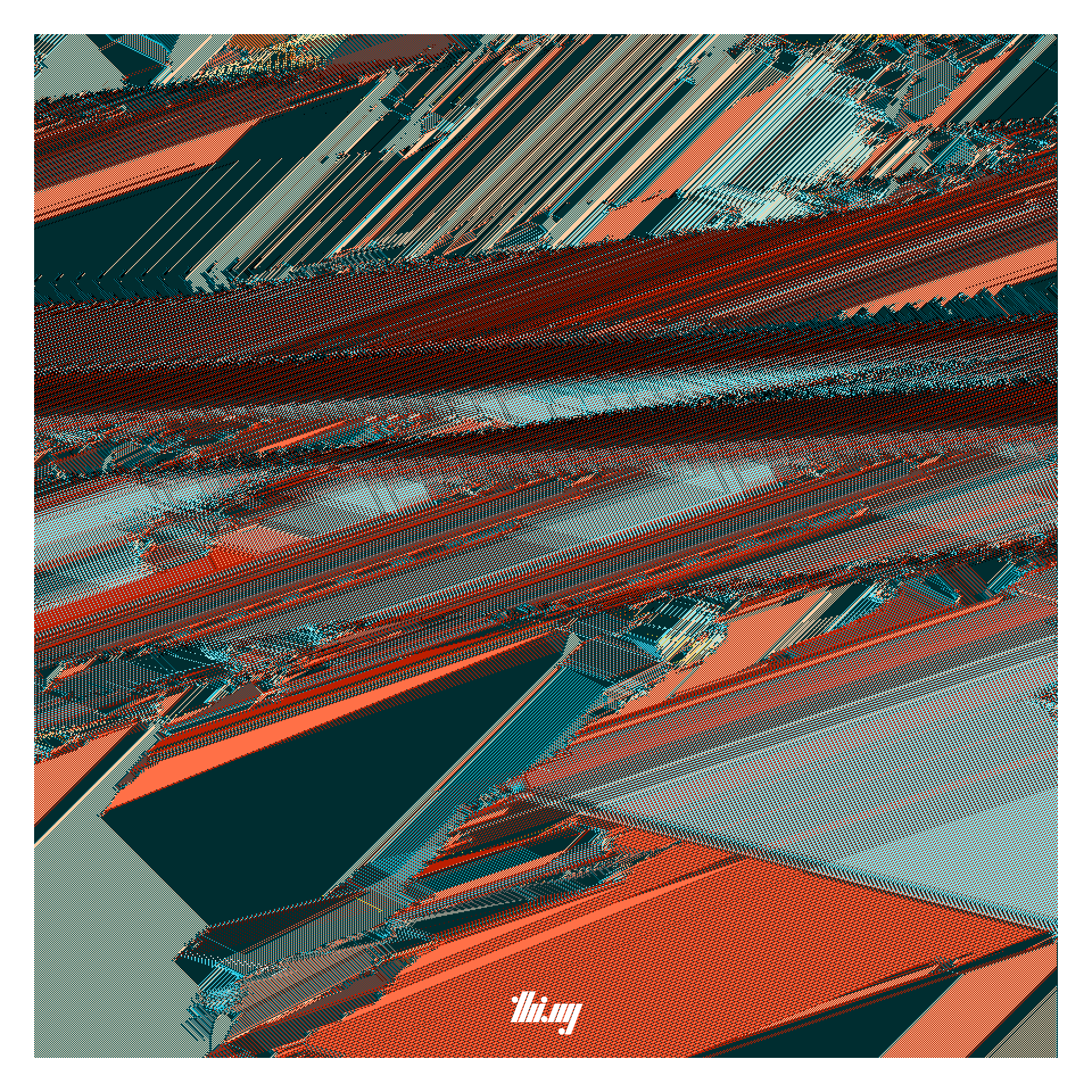
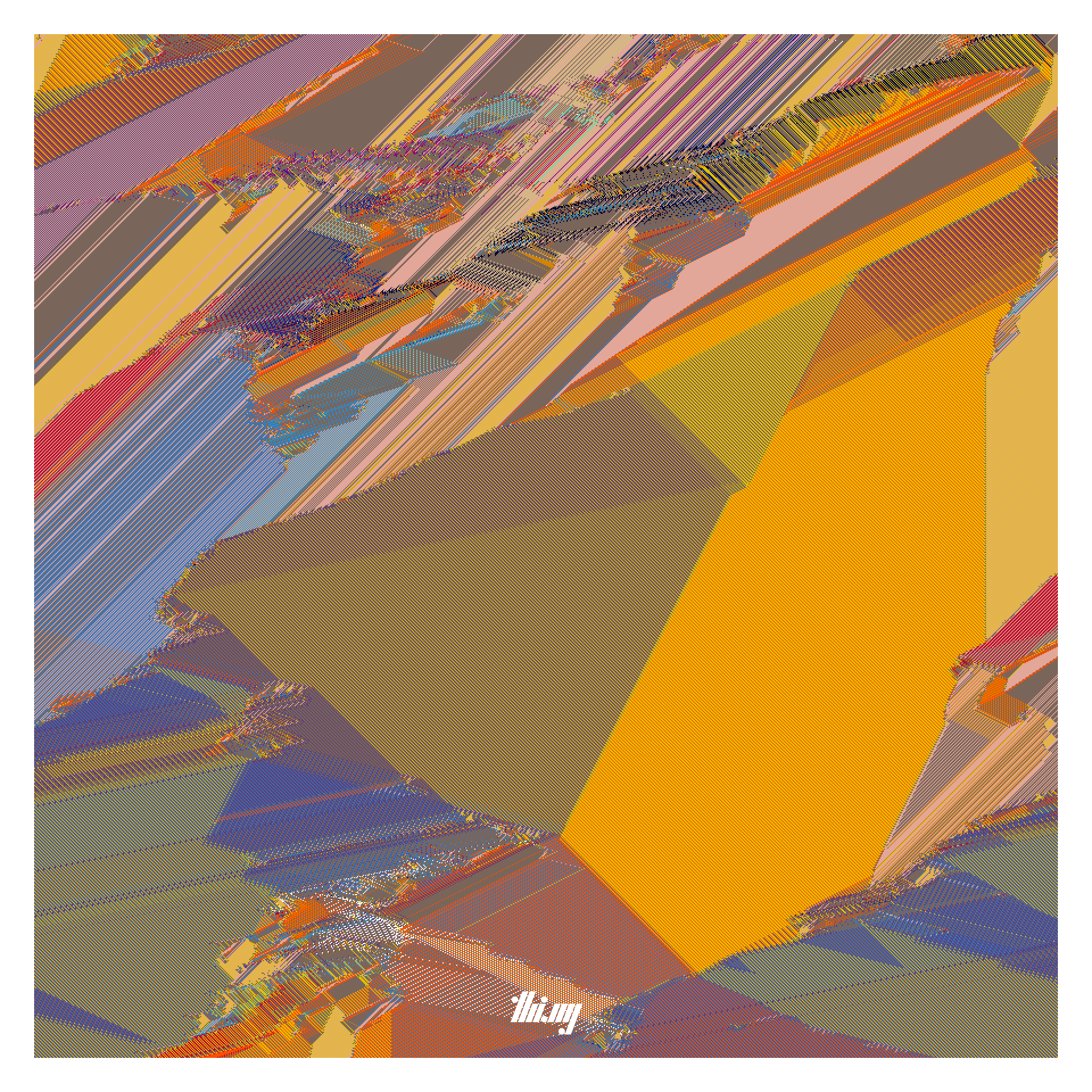
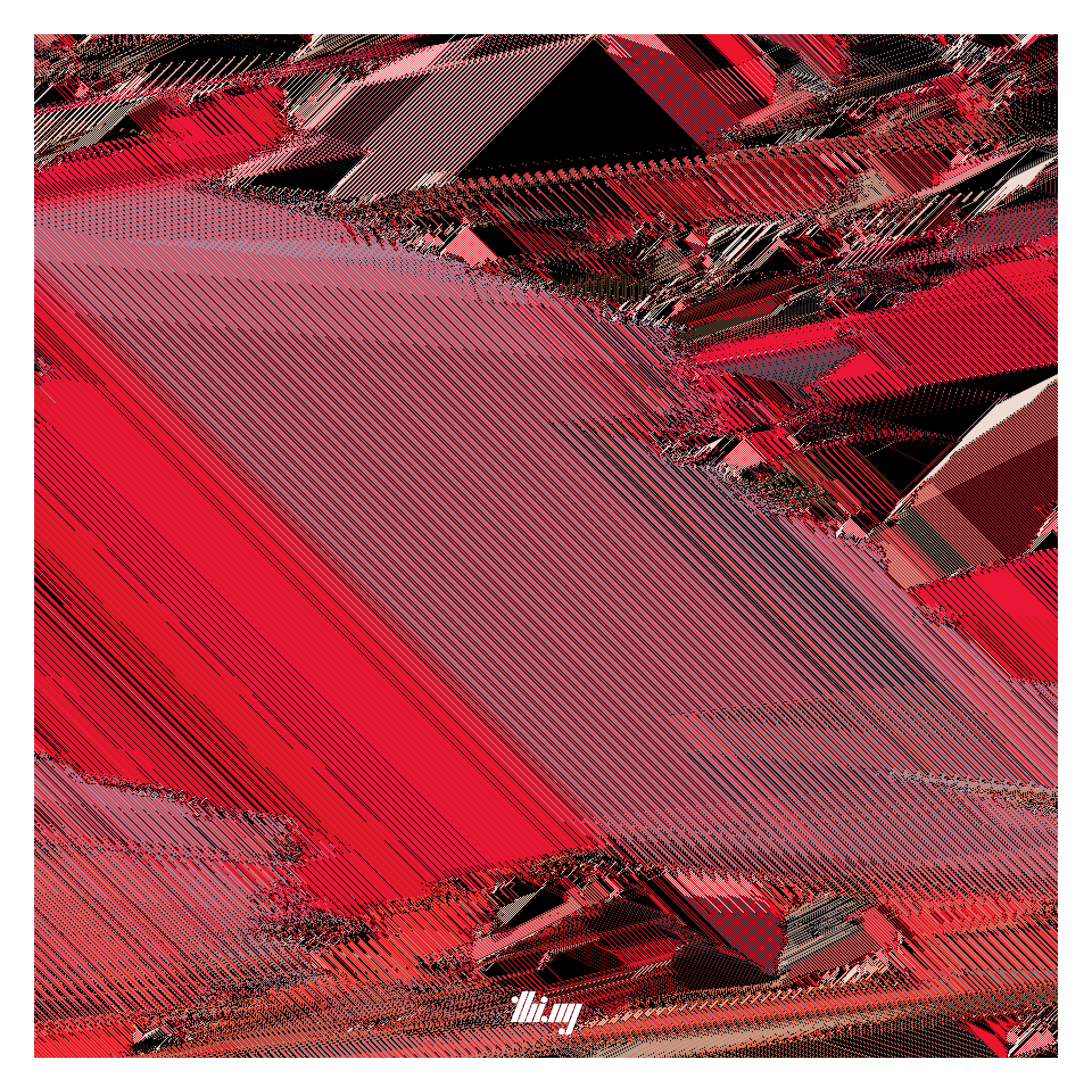
For #TextureTuesday some more WIP snapshots of STRATA, a generative system I've been on/off working on since 2014 (in Clojure/TypeScript/Zig, originally for the cover design of HOLO magazine), loosely based on 1950s research/experiments by Barricelli, somewhat related to cellular automata and extended to use a different and much larger set of "reproduction/collision rules" f…

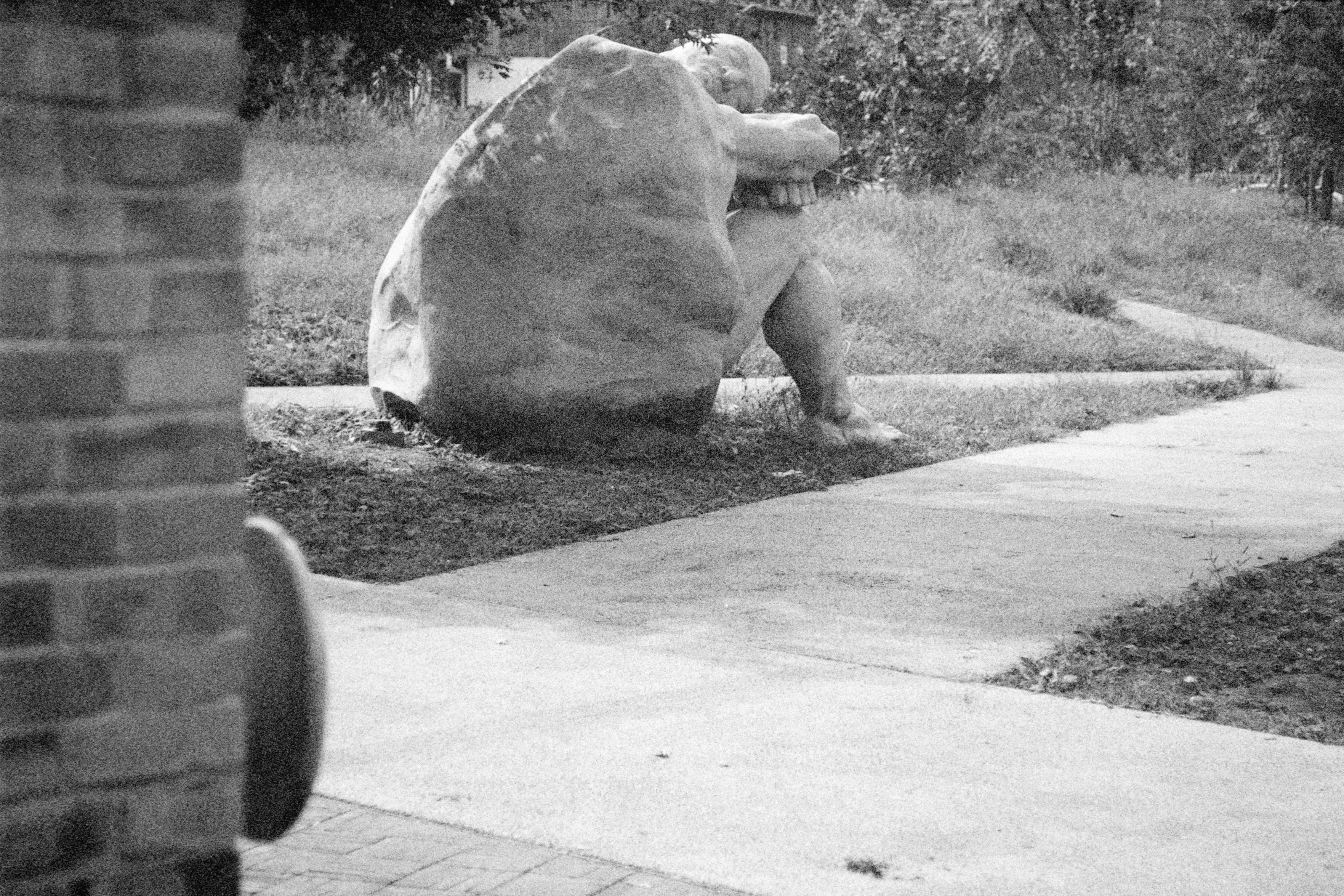
 @leftsidestory@mstdn.social
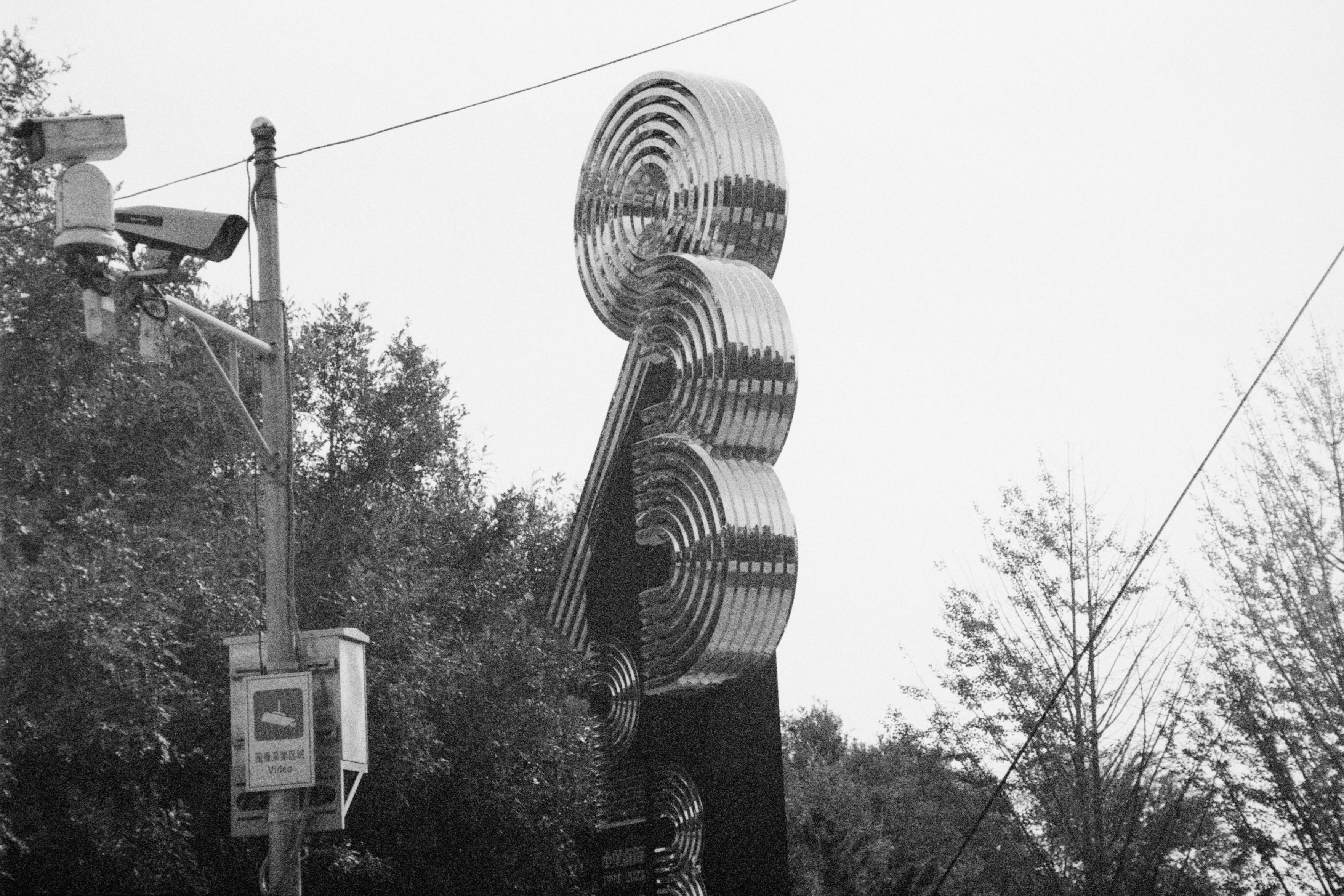
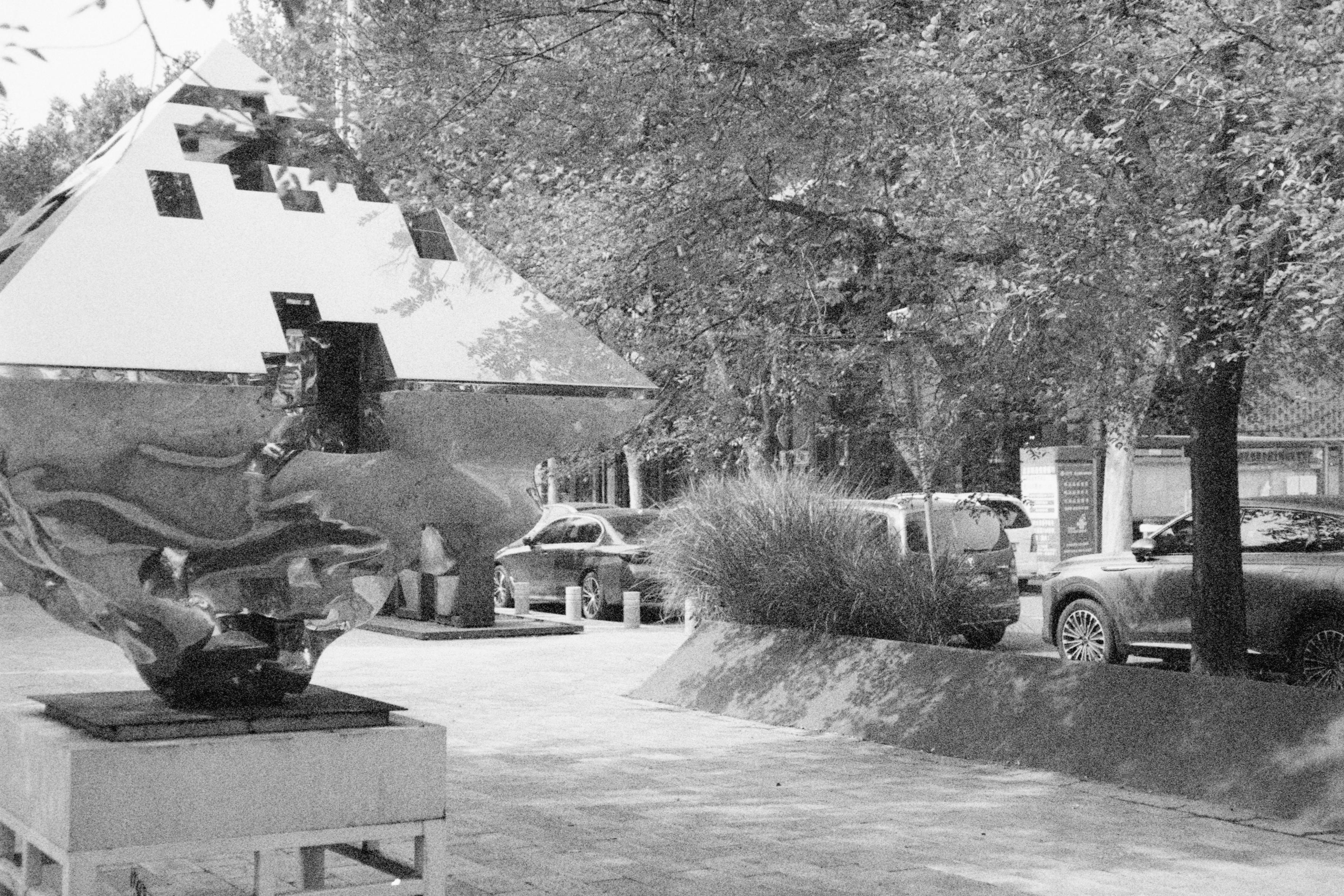
Monumental III 🪦
纪念 III 🪦
📷 Nikon F4E
🎞️ Ilford HP5 Plus 400, expired 1993
#filmphotography #Photography #blackandwhite
 @arXiv_csLG_bot@mastoxiv.page
Polyharmonic Cascade
Yuriy N. Bakhvalov
https://arxiv.org/abs/2512.17671 https://arxiv.org/pdf/2512.17671 https://arxiv.org/html/2512.17671
arXiv:2512.17671v1 Announce Type: new
Abstract: This paper presents a deep machine learning architecture, the "polyharmonic cascade" -- a sequence of packages of polyharmonic splines, where each layer is rigorously derived from the theory of random functions and the principles of indifference. This makes it possible to approximate nonlinear functions of arbitrary complexity while preserving global smoothness and a probabilistic interpretation. For the polyharmonic cascade, a training method alternative to gradient descent is proposed: instead of directly optimizing the coefficients, one solves a single global linear system on each batch with respect to the function values at fixed "constellations" of nodes. This yields synchronized updates of all layers, preserves the probabilistic interpretation of individual layers and theoretical consistency with the original model, and scales well: all computations reduce to 2D matrix operations efficiently executed on a GPU. Fast learning without overfitting on MNIST is demonstrated.
toXiv_bot_toot
 @theodric@social.linux.pizza
Disappointing to see that even Electric Sheep has a slop angle now https://electricsheep.org/
@cosmos4u@scicomm.xyzSignals of Bursts from the Very Early Universe / Positron signal from the early Univere [sic!]: #universe.
 @pre@boing.world
Nostrshire panel talking about Adam Curry's podcast2.0 , more tags in your podcast rss for payments, in the hope it can fund producers. Did you know besos takes 75 percent of all Audible money? Actors and writers sharing scraps from Amazon's table.
Hot news is that keysend tags are out of fashion and the bolt11 lnurl invoices are taking over.
Podcast platforms can be bridged through nostr to enable cross platform comments and discovery but making users create key pairs is to complex the fountainfm guy reckons. Wants to hide and shatter l abstract away that complexity.
#nostr #nostrshire #podcasting2.0
 @arXiv_physicsoptics_bot@mastoxiv.page
Topological interface modes in aperiodic subwavelength resonator chains
Habib Ammari, Jiayu Qiu, Alexander Uhlmann
https://arxiv.org/abs/2511.18363 https://arxiv.org/pdf/2511.18363 https://arxiv.org/html/2511.18363
arXiv:2511.18363v1 Announce Type: new
Abstract: We consider interface modes in block disordered subwavelength resonator chains in one dimension. Based on the capacitance operator formulation, which provides a first-order approximation of the spectral properties of dimer-type block resonator systems in the subwavelength regime, we show that a two-fold topological characterization of a block disordered resonator chain is available if it is of dominated type. The topological index used for the characterization is a generalization of the Zak phase associated with one-dimensional chiral-symmetric Hamiltonians. As a manifestation of the bulk-edge correspondence principle, we prove that a localized interface mode occurs whenever the system consists of two semi-infinite chains with different topological characters. We also illustrate our results from a dynamic perspective, which provides an explicit geometric picture of the interface modes, and finally present a variety of numerical results to complement the theoretical results.
toXiv_bot_toot
 @arXiv_csPL_bot@mastoxiv.page
Operational methods in semantics
Roberto M. Amadio
https://arxiv.org/abs/2510.12295 https://arxiv.org/pdf/2510.12295
 @arXiv_mathGN_bot@mastoxiv.page
Totally paracompact spaces and the Menger covering property
Davide Giacopello, Maddalena Bonanzinga, Piotr Szewczak
https://arxiv.org/abs/2511.10252 https://arxiv.org/pdf/2511.10252 https://arxiv.org/html/2511.10252
arXiv:2511.10252v1 Announce Type: new
Abstract: A topological space is totally paracompact if any base of this space contains a locally finite subcover. We focus on a problem of Curtis whether in the class of regular Lindel\"of spaces total paracompactness is equivalent to the Menger covering property. To this end we consider topological spaces with certain dense subsets. It follows from our results that the above equivalence holds in the class of Lindel\"of GO-spaces defined on subsets of reals. We also provide a game-theoretical proof that any regular Menger space is totally paracompact and show that in the class of first-countable spaces the Menger game and a partial open neighborhood assignment game of Aurichi are equivalent. We also show that if $\mathfrak{b}=\omega_1$, then there is an uncountable subspace of the Sorgenfrey line whose all finite powers are Lindel\"of, which is a strengthening of a famous result due to Michael.
toXiv_bot_toot
 @clongclongmoo@social.bau-ha.us
Substak – The Corroded Self
#abstract

 @arXiv_mathOC_bot@mastoxiv.page
Measuring dissimilarity between convex cones by means of max-min angles
Welington de Oliveira, Valentina Sessa, David Sossa
https://arxiv.org/abs/2511.10483 https://arxiv.org/pdf/2511.10483 https://arxiv.org/html/2511.10483
arXiv:2511.10483v1 Announce Type: new
Abstract: This work introduces a novel dissimilarity measure between two convex cones, based on the max-min angle between them. We demonstrate that this measure is closely related to the Pompeiu-Hausdorff distance, a well-established metric for comparing compact sets. Furthermore, we examine cone configurations where the measure admits simplified or analytic forms. For the specific case of polyhedral cones, a nonconvex cutting-plane method is deployed to compute, at least approximately, the measure between them. Our approach builds on a tailored version of Kelley's cutting-plane algorithm, which involves solving a challenging master program per iteration. When this master program is solved locally, our method yields an angle that satisfies certain necessary optimality conditions of the underlying nonconvex optimization problem yielding the dissimilarity measure between the cones. As an application of the proposed mathematical and algorithmic framework, we address the image-set classification task under limited data conditions, a task that falls within the scope of the \emph{Few-Shot Learning} paradigm. In this context, image sets belonging to the same class are modeled as polyhedral cones, and our dissimilarity measure proves useful for understanding whether two image sets belong to the same class.
toXiv_bot_toot
 @mariyadelano@hachyderm.io
2/2 Reflection on #citizenship:
I do not treat the concept of “#democracy" lightly. I was born into the aftermath of centuries of totalitarian oppression that ended suddenly, leaving the nascent Ukrainian state of the late 90s and early 2000s floundering in the turbulent whirlpool of hopes and fears felt by millions of people who were finally allowed to ponder: how to build a free democratic state in the place of Soviet and imperial ruins?
I was taught the words "democracy", "citizen", "freedom", "voting", “liberty" (and more) by people who, less than two decades prior, weren't allowed to leave the borders of their country. I was told about self-determination by people whose political choices were ridiculed, punished, and eviscerated form most of their lives. The duty of governing ourselves felt to us ephemeral - a nice fantasy, akin to a fairytale or a utopia from fictional works.
And then I saw those same people fight with their bodies and souls once the previously unfathomable democracy was threatened. Protests in 2004, then again in 2014, then the unthinkable war against foreign invasion in 2022. Democracy no longer felt abstract or silly. It became as tangible as saying "I love you".
I write of Ukraine as I reflect on becoming a citizen of another country because the history and values of my adopted United States feel as real as the skin on my legs, the significance of its legacy lays as heavy as the weight of my waist-long hair, and the desire to uphold the freedoms of its Constitution burns my throat as harshly as dehydration after a long day in the sun.
People have asked me why I even want to join this country, when the present moment is shrouded in impenetrable darkness. And I answer: because I've felt the warmth of a newly lit fire of freedom breaking through shadows that for centuries looked like solid walls. I have seen kindness, and solidarity heal the fear and hate of oppression. I've seen liberty emerge from nothing but the human soul.
I am not a religious person, but I have faith. Faith in the ideals at the foundation of the American project. Faint but powerful recognition that "we the people" now includes me.
I love #America. And I hope to keep loving my home for the rest of my life.

 @arXiv_mathSG_bot@mastoxiv.page
Natural transformations between braiding functors in the Fukaya category
Yujin Tong
https://arxiv.org/abs/2511.10462 https://arxiv.org/pdf/2511.10462 https://arxiv.org/html/2511.10462
arXiv:2511.10462v1 Announce Type: new
Abstract: We study the space of $A_\infty$-natural transformations between braiding functors acting on the Fukaya category associated to the Coulomb branch $\mathcal{M}(\bullet,1)$ of the $\mathfrak{sl}_2$ quiver gauge theory. We compute all cohomologically distinct $A_\infty$-natural transformations $\mathrm{Nat}(\mathrm{id}, \mathrm{id})$ and $\mathrm{Nat}(\mathrm{id}, \beta_i^-)$, where $\beta_i^-$ denotes the negative braiding functor. Our computation is carried out in a diagrammatic framework compatible with the established embedding of the KLRW category into this Fukaya category. We then compute the Hochschild cohomology of the Fukaya category using an explicit projective resolution of the diagonal bimodule obtained via the Chouhy-Solotar reduction system, and use this to classify all cohomologically distinct natural transformations. These results determine the higher $A_\infty$-data encoded in the braiding functors and their natural transformations, and provide the first step toward a categorical formulation of braid cobordism actions on Fukaya categories.
toXiv_bot_toot
 @arXiv_qbioNC_bot@mastoxiv.page
NeuroSketch: An Effective Framework for Neural Decoding via Systematic Architectural Optimization
Gaorui Zhang, Zhizhang Yuan, Jialan Yang, Junru Chen, Li Meng, Yang Yang
https://arxiv.org/abs/2512.09524 https://arxiv.org/pdf/2512.09524 https://arxiv.org/html/2512.09524
arXiv:2512.09524v1 Announce Type: new
Abstract: Neural decoding, a critical component of Brain-Computer Interface (BCI), has recently attracted increasing research interest. Previous research has focused on leveraging signal processing and deep learning methods to enhance neural decoding performance. However, the in-depth exploration of model architectures remains underexplored, despite its proven effectiveness in other tasks such as energy forecasting and image classification. In this study, we propose NeuroSketch, an effective framework for neural decoding via systematic architecture optimization. Starting with the basic architecture study, we find that CNN-2D outperforms other architectures in neural decoding tasks and explore its effectiveness from temporal and spatial perspectives. Building on this, we optimize the architecture from macro- to micro-level, achieving improvements in performance at each step. The exploration process and model validations take over 5,000 experiments spanning three distinct modalities (visual, auditory, and speech), three types of brain signals (EEG, SEEG, and ECoG), and eight diverse decoding tasks. Experimental results indicate that NeuroSketch achieves state-of-the-art (SOTA) performance across all evaluated datasets, positioning it as a powerful tool for neural decoding. Our code and scripts are available at https://github.com/Galaxy-Dawn/NeuroSketch.
toXiv_bot_toot
 @kubikpixel@chaos.social
HTTP/1.1 must die: the desync endgame
Upstream HTTP/1.1 is inherently insecure and regularly exposes millions of websites to hostile takeover. Six years of attempted mitigations have hidden the issue, but failed to fix it.
🌐 https://portswigger.net/research/http1-must-die
 @arXiv_physicsgenph_bot@mastoxiv.page
The chanciness of time
John M. Myers, Hadi Madjid
https://arxiv.org/abs/2511.08611 https://arxiv.org/pdf/2511.08611 https://arxiv.org/html/2511.08611
arXiv:2511.08611v1 Announce Type: new
Abstract: Digital network failures stemming from instabilities in measurements of temporal order motivate attention to concurrent events. A century of attempts to resolve the instabilities have never eliminated them. Do concurrent events occur at indeterminate times, or are they better seen as events to which the very concept of temporal order cannot apply? Logical dependencies of messages propagating through digital networks can be represented by marked graphs on which tokens are moved in formal token games. However, available mathematical formulations of these token games invoke "markings"-- global snapshots of the locations of tokens on the graph. The formulation in terms of global snapshots is misleading, because distributed networks are never still: they exhibit concurrent events inexpressible by global snapshots. We reformulate token games used to represent digital networks so as to express concurrency. The trick is to replace global snapshots with "local snapshots." Detached from any central clock, a local snapshot records an action at a node during a play of a token game. Assemblages of local records define acyclic directed graphs that we call history graphs. We show how history graphs represent plays of token games with concurrent motions, and, importantly, how history graphs can represent the history of a network operating while undergoing unpredictable changes.
toXiv_bot_toot
@cosmos4u@scicomm.xyzCarbonated ultramafic igneous rocks in #Jezero crater, Mars: #Perseverance #Mars Rover Ready to Roll for Miles in Years Ahead: https://www.jpl.nasa.gov/news/nasas-perseverance-mars-rover-ready-to-roll-for-miles-in-years-ahead/
 @arXiv_csCV_bot@mastoxiv.page
Concept Retrieval -- What and How?
Ori nizan, Oren Shrout, Ayellet Tal
https://arxiv.org/abs/2510.07058 https://arxiv.org/pdf/2510.07058
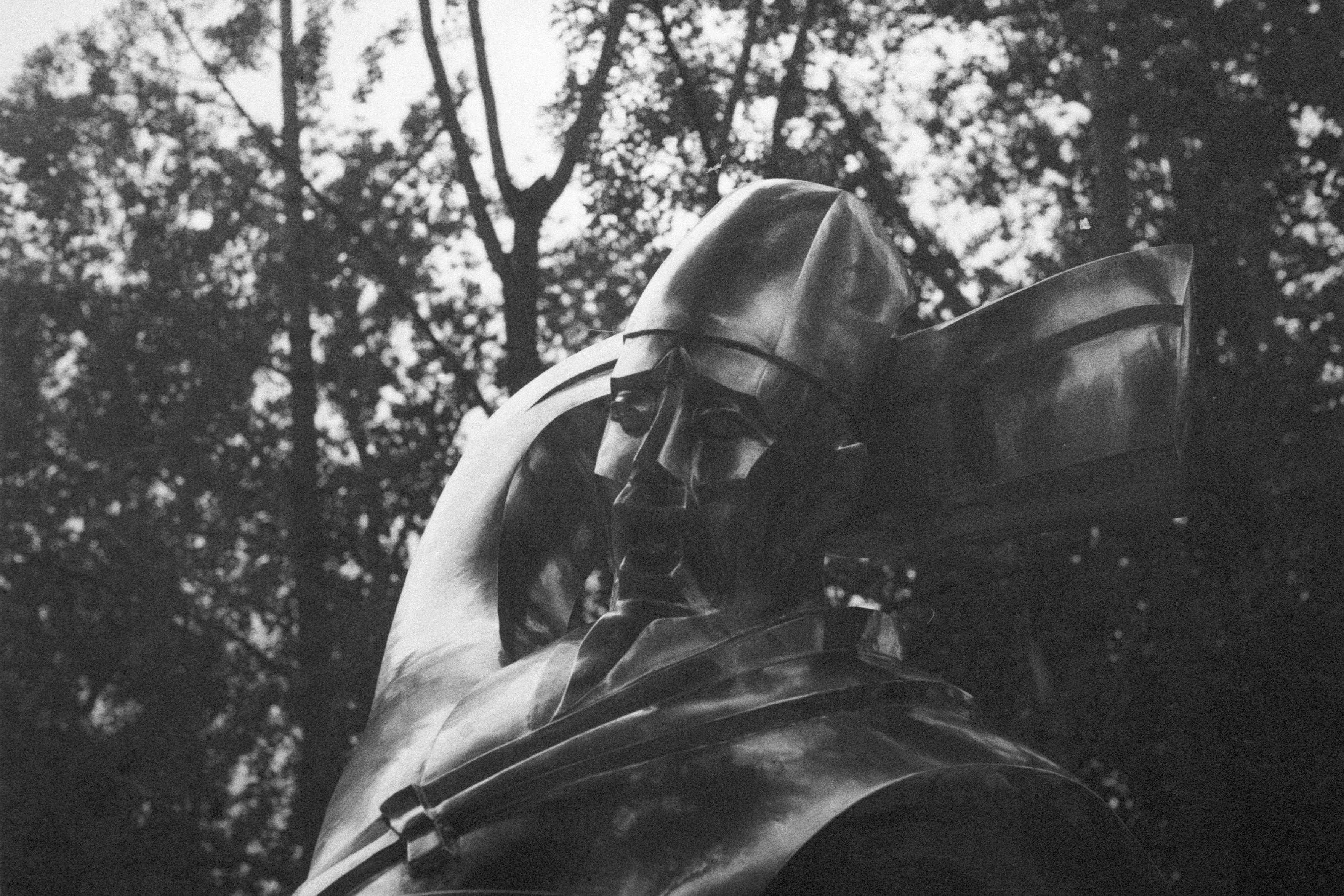
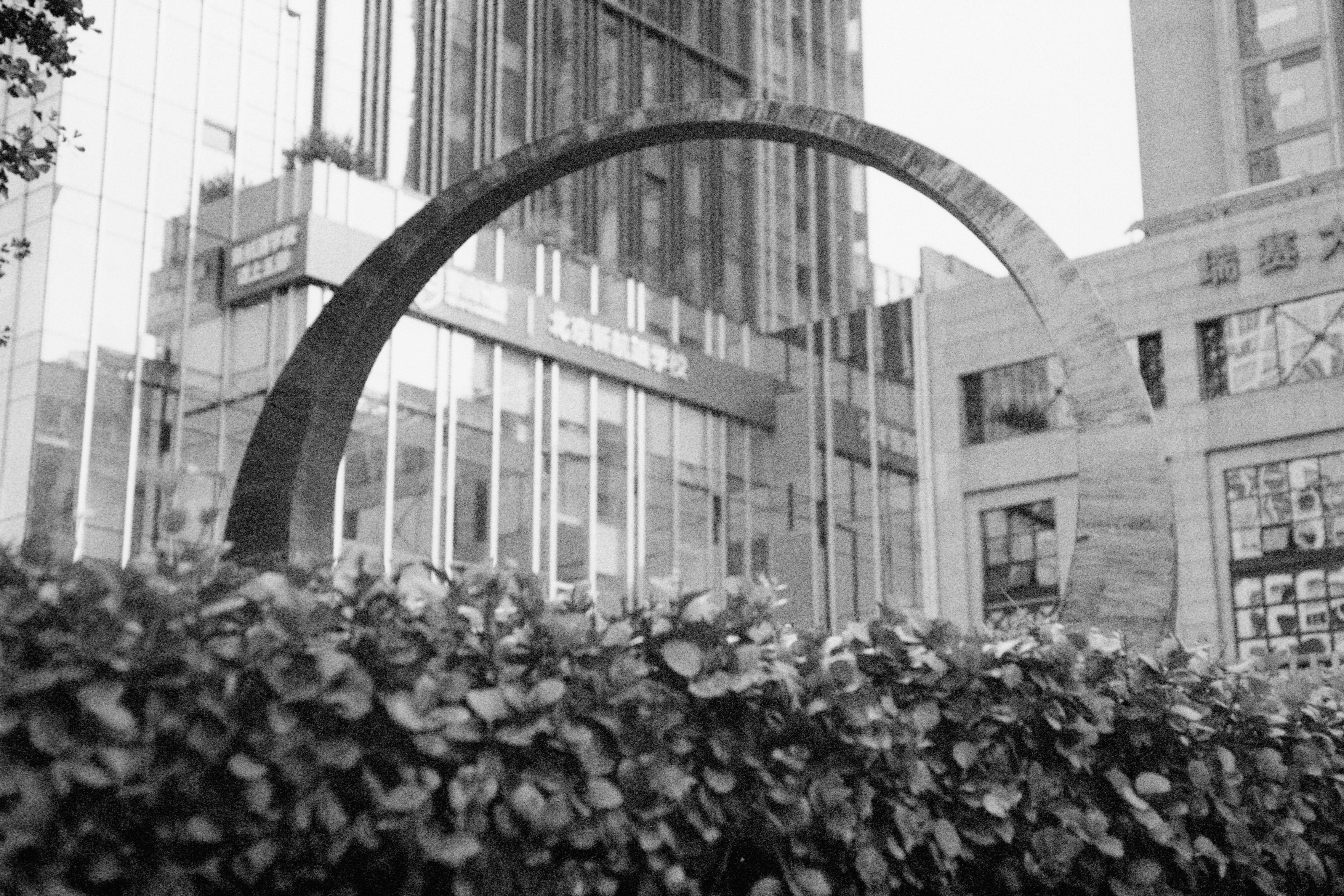
@leftsidestory@mstdn.socialMonumental 🪦
纪念 🪦
📷 Nikon F4E
🎞️ Ilford HP5 Plus 400, expired 1993
#filmphotography #Photography #blackandwhite

 @arXiv_physicsoptics_bot@mastoxiv.page
Optical kernel machine with programmable nonlinearity
SeungYun Han, Fei Xia, Sylvain Gigan, Bruno Loureiro, Hui Cao
https://arxiv.org/abs/2511.17880 https://arxiv.org/pdf/2511.17880 https://arxiv.org/html/2511.17880
arXiv:2511.17880v1 Announce Type: new
Abstract: Optical kernel machines offer high throughput and low latency. A nonlinear optical kernel can handle complex nonlinear data, but power consumption is typically high with the conventional nonlinear optical approach. To overcome this issue, we present an optical kernel with structural nonlinearity that can be continuously tuned at low power. It is implemented in a linear optical scattering cavity with a reconfigurable micro-mirror array. By tuning the degree of nonlinearity with multiple scattering, we vary the kernel sensitivity and information capacity. We further optimize the kernel nonlinearity to best approximate the parity functions from first order to fifth order for binary inputs. Our scheme offers potential applicability across photonic platforms, providing programmable kernels with high performance and low power consumption.
toXiv_bot_toot
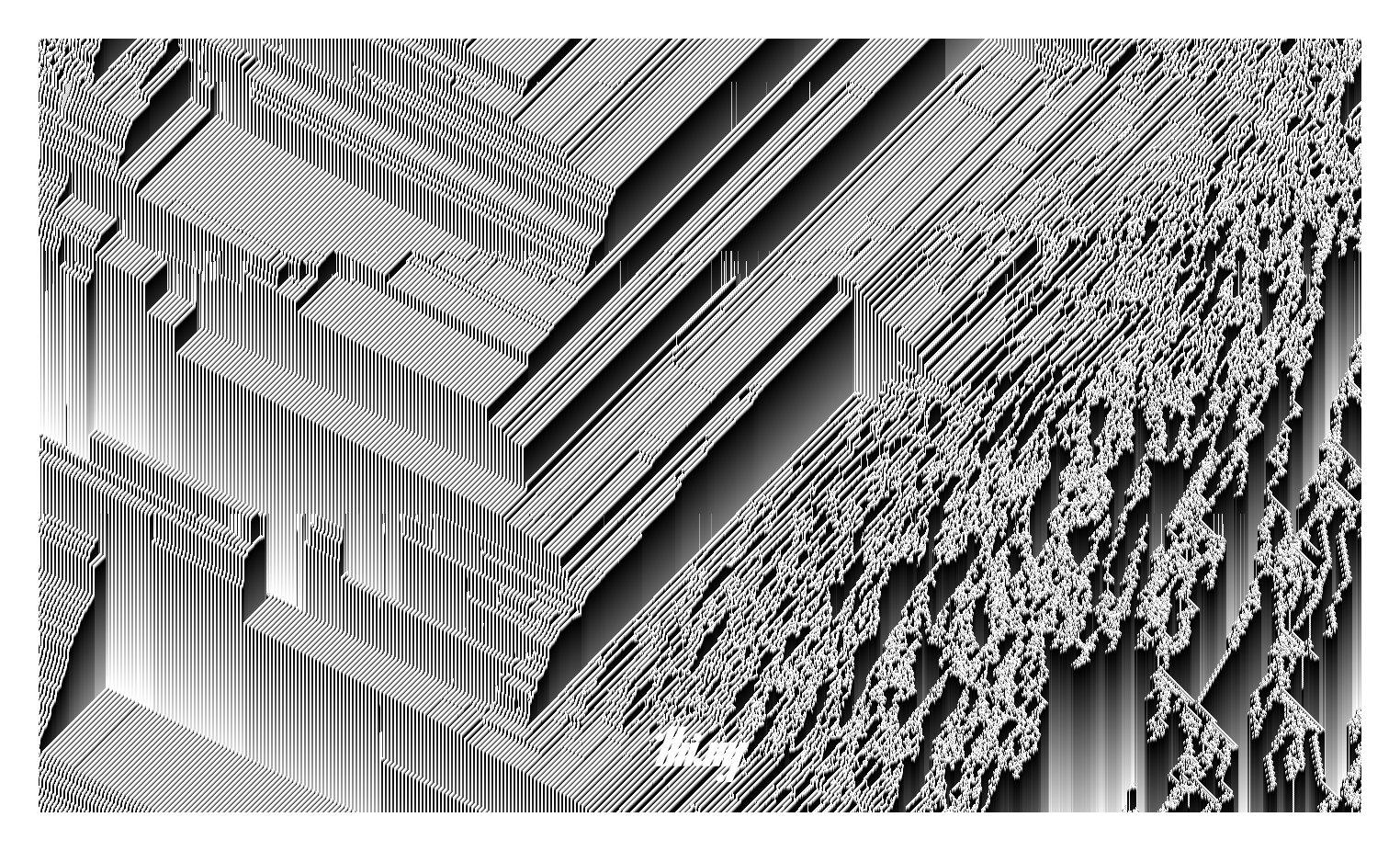
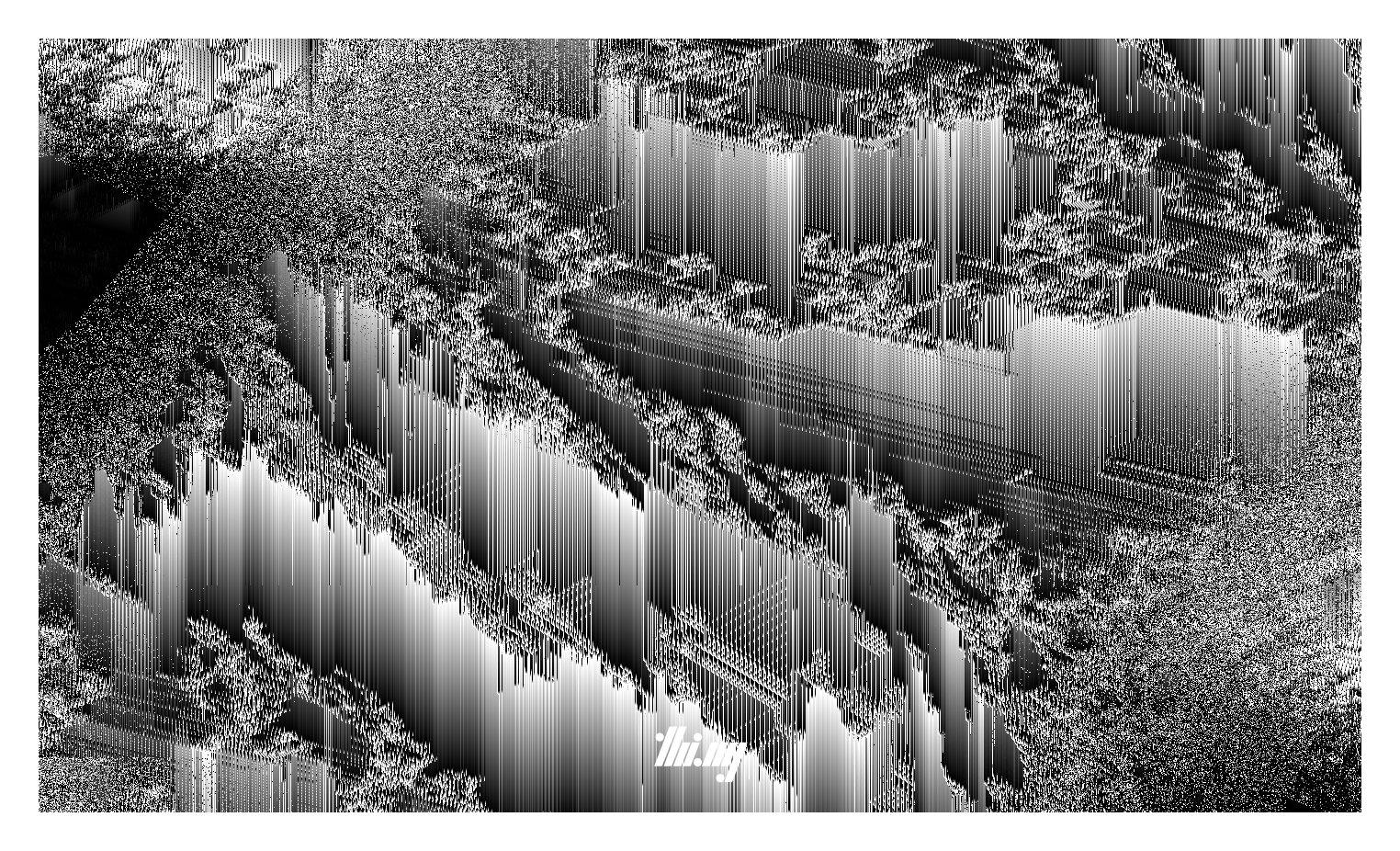
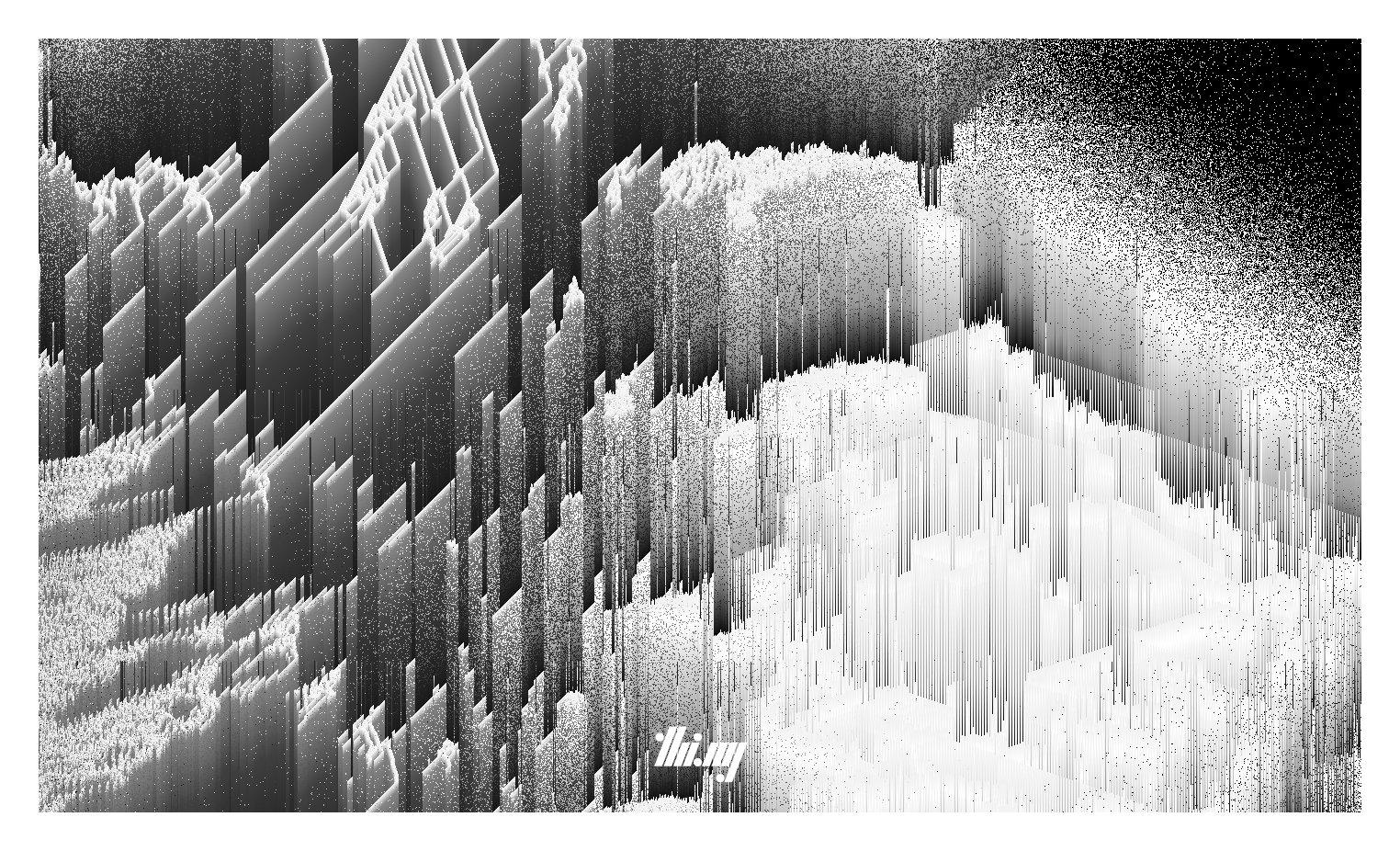
@toxi@mastodon.thi.ngMonochromeEvolutionaryBioDigitalMultiCellularSymbiosisStruggle
(Selected stills from my infinitely evolving C-SCAPE project, 2022 - made with #MonochromeMonday

 @arXiv_csLO_bot@mastoxiv.page
On Equivalent Characterizations of NP in Abstract Models of Computation
Jeremy C. Kirn, Lucas Meijer, Tillmann Miltzow, Hans L. Bodlaender
https://arxiv.org/abs/2510.05894 https…
@arXiv_csLG_bot@mastoxiv.pageWeighted Stochastic Differential Equation to Implement Wasserstein-Fisher-Rao Gradient Flow
Herlock Rahimi
https://arxiv.org/abs/2512.17878 https://arxiv.org/pdf/2512.17878 https://arxiv.org/html/2512.17878
arXiv:2512.17878v1 Announce Type: new
Abstract: Score-based diffusion models currently constitute the state of the art in continuous generative modeling. These methods are typically formulated via overdamped or underdamped Ornstein--Uhlenbeck-type stochastic differential equations, in which sampling is driven by a combination of deterministic drift and Brownian diffusion, resulting in continuous particle trajectories in the ambient space. While such dynamics enjoy exponential convergence guarantees for strongly log-concave target distributions, it is well known that their mixing rates deteriorate exponentially in the presence of nonconvex or multimodal landscapes, such as double-well potentials. Since many practical generative modeling tasks involve highly non-log-concave target distributions, considerable recent effort has been devoted to developing sampling schemes that improve exploration beyond classical diffusion dynamics.
A promising line of work leverages tools from information geometry to augment diffusion-based samplers with controlled mass reweighting mechanisms. This perspective leads naturally to Wasserstein--Fisher--Rao (WFR) geometries, which couple transport in the sample space with vertical (reaction) dynamics on the space of probability measures. In this work, we formulate such reweighting mechanisms through the introduction of explicit correction terms and show how they can be implemented via weighted stochastic differential equations using the Feynman--Kac representation. Our study provides a preliminary but rigorous investigation of WFR-based sampling dynamics, and aims to clarify their geometric and operator-theoretic structure as a foundation for future theoretical and algorithmic developments.
toXiv_bot_toot
@arXiv_physicsoptics_bot@mastoxiv.pageDispersion-Aware Modeling Framework for Parallel Optical Computing
Ziqi Wei, Yuanjian Wan, Yuhu Cheng, Xiao Yu, Peng Xie
https://arxiv.org/abs/2511.18897 https://arxiv.org/pdf/2511.18897 https://arxiv.org/html/2511.18897
arXiv:2511.18897v1 Announce Type: new
Abstract: Optical computing represents a groundbreaking technology that leverages the unique properties of photons, with innate parallelism standing as its most compelling advantage. Parallel optical computing like cascaded Mach-Zehnder interferometers (MZIs) based offers powerful computational capabilities but also introduces new challenges, particularly concerning dispersion due to the introduction of new frequencies. In this work, we extend existing theories of cascaded MZI systems to develop a generalized model tailored for wavelength-multiplexed parallel optical computing. Our comprehensive model incorporates component dispersion characteristics into a wavelength-dependent transfer matrix framework and is experimentally validated. We propose a computationally efficient compensation strategy that reduces global dispersion error within a 40 nm range from 0.22 to 0.039 using edge-spectrum calibration. This work establishes a fundamental framework for dispersion-aware model and error correction in MZI-based parallel optical computing chips, advancing the reliability of multi-wavelength photonic processors.
toXiv_bot_toot
@cosmos4u@scicomm.xyzFirst Evidence of Solar #Neutrino Interactions on 13C: https://journals.aps.org/prl/abstract/10.1103/1frl-95gj -> New breakthrough in detecting ‘ghost particles’ from the Sun: https://www.snolab.ca/news/new-breakthrough-in-detecting-ghost-particles-from-the-sun/ -> Researchers observe Sun’s ‘ghost particles’ for the first time in breakthrough using SNOLAB detector: https://spaceq.ca/researchers-observe-suns-ghost-particles-for-the-first-time-in-breakthrough-using-snolab-detector/
@arXiv_csLG_bot@mastoxiv.pageMitigating Forgetting in Low Rank Adaptation
Joanna Sliwa, Frank Schneider, Philipp Hennig, Jose Miguel Hernandez-Lobato
https://arxiv.org/abs/2512.17720 https://arxiv.org/pdf/2512.17720 https://arxiv.org/html/2512.17720
arXiv:2512.17720v1 Announce Type: new
Abstract: Parameter-efficient fine-tuning methods, such as Low-Rank Adaptation (LoRA), enable fast specialization of large pre-trained models to different downstream applications. However, this process often leads to catastrophic forgetting of the model's prior domain knowledge. We address this issue with LaLoRA, a weight-space regularization technique that applies a Laplace approximation to Low-Rank Adaptation. Our approach estimates the model's confidence in each parameter and constrains updates in high-curvature directions, preserving prior knowledge while enabling efficient target-domain learning. By applying the Laplace approximation only to the LoRA weights, the method remains lightweight. We evaluate LaLoRA by fine-tuning a Llama model for mathematical reasoning and demonstrate an improved learning-forgetting trade-off, which can be directly controlled via the method's regularization strength. We further explore different loss landscape curvature approximations for estimating parameter confidence, analyze the effect of the data used for the Laplace approximation, and study robustness across hyperparameters.
toXiv_bot_toot
@arXiv_physicsoptics_bot@mastoxiv.pageHigh-precision luminescence cryothermometry strategy by using hyperfine structure
Marina N. Popova, Mosab Diab, Boris Z. Malkin
https://arxiv.org/abs/2511.19088 https://arxiv.org/pdf/2511.19088 https://arxiv.org/html/2511.19088
arXiv:2511.19088v1 Announce Type: new
Abstract: A novel, to the best of our knowledge, ultralow-temperature luminescence thermometry strategy is proposed, based on a measurement of relative intensities of hyperfine components in the spectra of Ho$^{3 }$ ions doped into a crystal. A $^{7}$LiYF$_4$:Ho$^{3 }$ crystal is chosen as an example. First, we show that temperatures in the range 10-35 K can be measured using the Boltzmann behavior of the populations of crystal-field levels separated by an energy interval of 23 cm$^{-1}$. Then we select the 6089 cm$^{-1}$ line of the holmium $^5I_5 \rightarrow ^5I_7$ transition, which has a well-resolved hyperfine structure and falls within the transparency window of optical fibers (telecommunication S band), to demonstrate the possibility of measuring temperatures below 3 K. The temperature $T$ is determined by a least-squares fit to the measured intensities of all eight hyperfine components using the dependence $I(\nu) = I_1 \exp(-b\nu)$, where $I_1$ and $b = a\nu \frac{\nu}{kT}$ are fitting parameters and a accounts for intensity variations due to mixing of wave functions of different crystal-field levels by the hyperfine interaction. In this method, the absolute and relative thermal sensitivities grow at $T$ approaching zero as $\frac{1}{T^2}$.and $\frac{1}{T}$, respectively. We theoretically considered the intensity distributions within hyperfine manifolds and compared the results with experimental data. Application of the method to experimentally measured relative intensities of hyperfine components of the 6089 cm$^{-1}$ PL line yielded $T = 3.7 \pm 0.2$ K. For a temperature of 1 K, an order of magnitude better accuracy is expected.
toXiv_bot_toot
@arXiv_mathOC_bot@mastoxiv.pageConvergence analysis of inexact MBA method for constrained upper-$\mathcal{C}^2$ optimization problems
Ruyu Liu, Shaohua Pan
https://arxiv.org/abs/2511.09940 https://arxiv.org/pdf/2511.09940 https://arxiv.org/html/2511.09940
arXiv:2511.09940v1 Announce Type: new
Abstract: This paper concerns a class of constrained optimization problems in which, the objective and constraint functions are both upper-$\mathcal{C}^2$. For such nonconvex and nonsmooth optimization problems, we develop an inexact moving balls approximation (MBA) method by a workable inexactness criterion for the solving of subproblems. By leveraging a global error bound for the strongly convex program associated with parametric optimization problems, we establish the full convergence of the iterate sequence under the partial bounded multiplier property (BMP) and the Kurdyka-{\L}ojasiewicz (KL) property of the constructed potential function, and achieve the local convergence rate of the iterate and objective value sequences if the potential function satisfies the KL property of exponent $q\in[1/2,1)$. A verifiable condition is also provided to check whether the potential function satisfies the KL property of exponent $q\in[1/2,1)$ at the given critical point. To the best of our knowledge, this is the first implementable inexact MBA method with a full convergence certificate for the constrained nonconvex and nonsmooth optimization problem.
toXiv_bot_toot
@seeingwithsound@mas.toLack of cross modal plasticity potentially linked to ongoing activation of visual cortex and superior colliculus in the rd10 mouse model of retinitis pigmentosa https://academic.oup.com/cercor/article-abstract/35/10/bhaf273/8285020
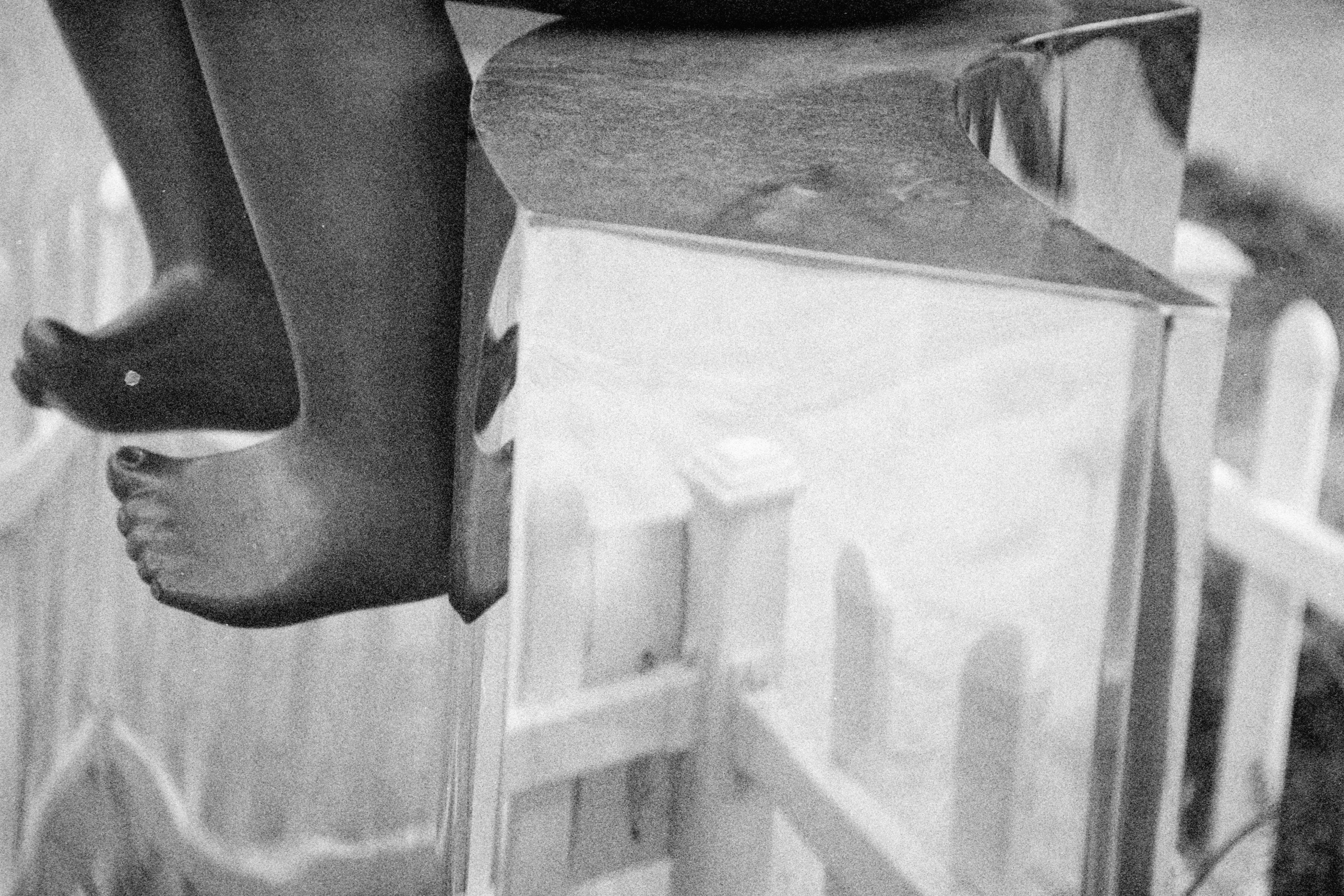
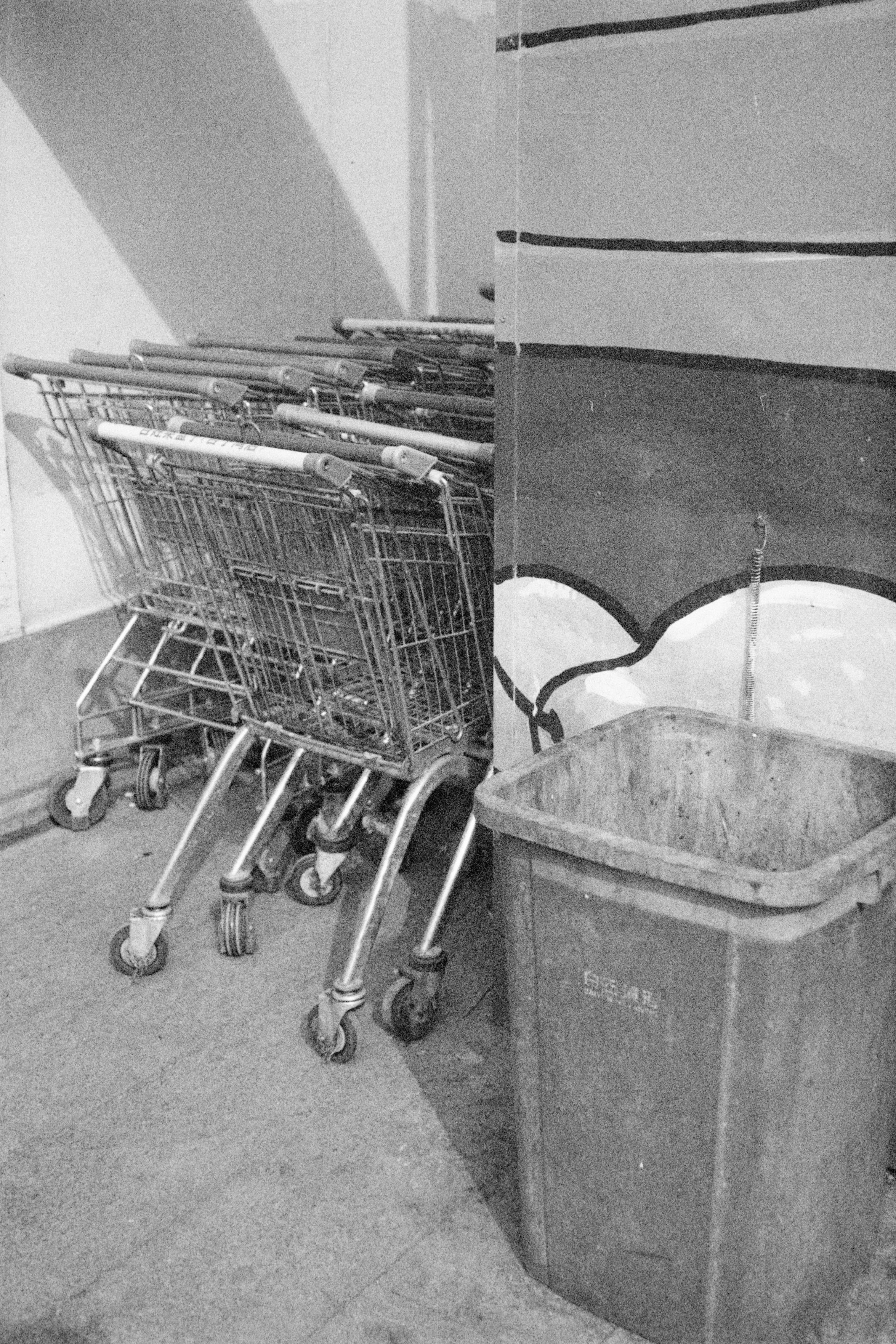
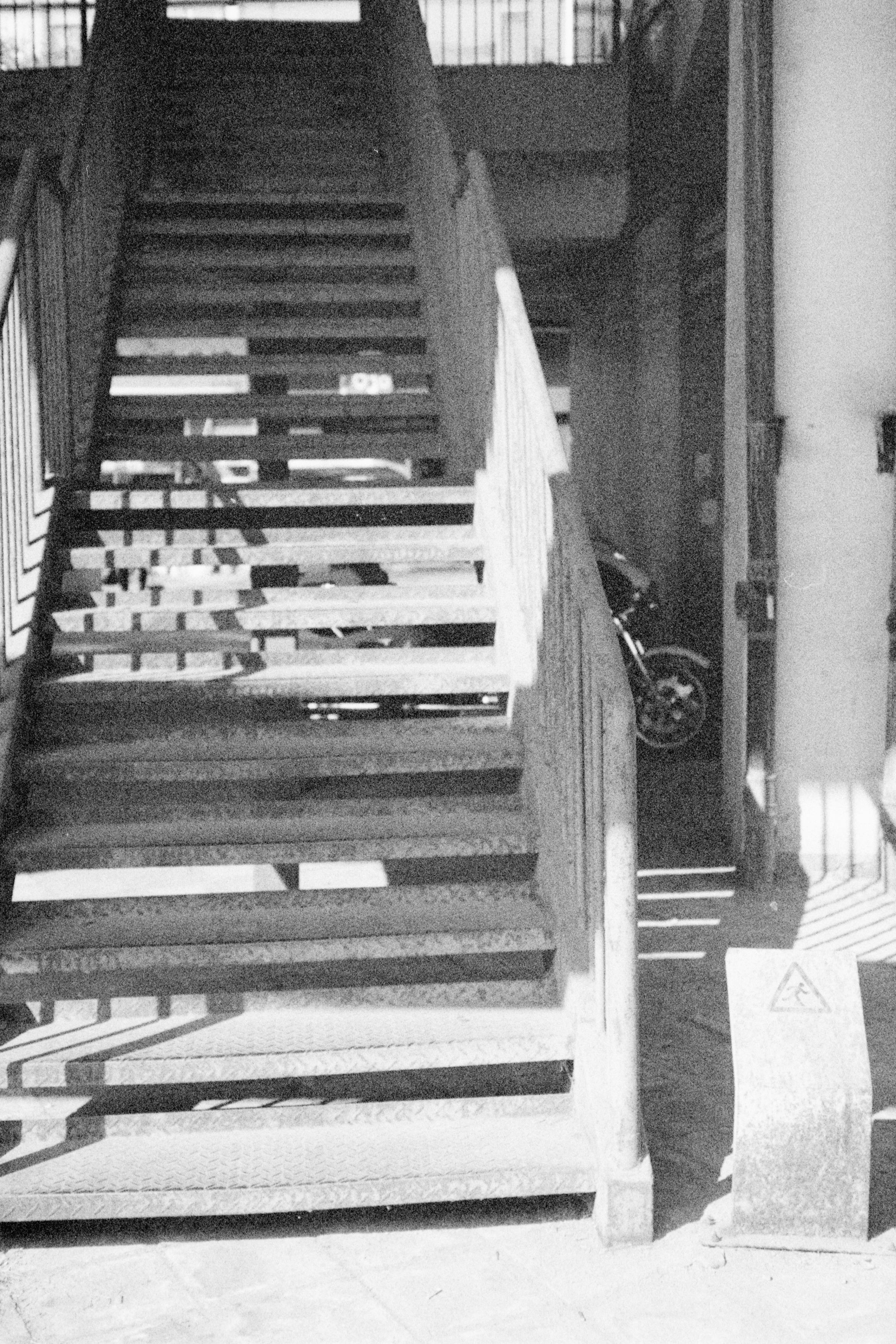
@leftsidestory@mstdn.socialOn the Side II 🆓
在边缘 II 🆓
📷 Nikon F4E
🎞️ Ilford HP5 Plus 400, expired 1993
#filmphotography #Photography #blackandwhite


 @midtsveen@social.linux.pizza @arXiv_mathSG_bot@mastoxiv.page
Homotopy rigidity of nearby Lagrangian cocores
Johan Asplund, Yash Deshmukh, Alex Pieloch
https://arxiv.org/abs/2511.09548 https://arxiv.org/pdf/2511.09548 https://arxiv.org/html/2511.09548
arXiv:2511.09548v1 Announce Type: new
Abstract: An exact Lagrangian submanifold $L \subset X^{2n}$ in a Weinstein sector is called a nearby Lagrangian cocore if it avoids all Lagrangian cocores and is equal to a shifted Lagrangian cocore at infinity. Let $k$ be the dimension of the core of the subcritical part of $X$. For $n \geq 2k 2$ we prove that that the inclusion of $L$ followed by the retract to the Lagrangian core of $X$ and the quotient by the $(n-k-1)$-skeleton of the core, is null-homotopic. As a consequence, in many examples, a nearby Lagrangian cocore is smoothly isotopic (rel boundary) to a Lagrangian cocore in the complement of the missed Lagrangian cocores. The proof uses the spectral wrapped Donaldson-Fukaya category with coefficients in the ring spectrum representing the bordism group of higher connective covers of the orthogonal group.
toXiv_bot_toot
@arXiv_mathGN_bot@mastoxiv.pageConcentrated sets and the Hurewicz property
Valentin Haberl, Piotr Szewczak, Lyubomyr Zdomskyy
https://arxiv.org/abs/2511.09320 https://arxiv.org/pdf/2511.09320 https://arxiv.org/html/2511.09320
arXiv:2511.09320v1 Announce Type: new
Abstract: A set of reals $X$ is $\mathfrak{b}$-concentrated if it has cardinality at least $\mathfrak{b}$ and it contains a countable set $D\subseteq X$ such that each closed subset of $X$ disjoint with $D$ has size smaller than $\mathfrak{b}$. We present ZFC results about structures of $\mathfrak{b}$-concentrated sets with the Hurewicz covering property using semifilters. Then we show that assuming that the semifilter trichotomy holds, then each $\mathfrak{b}$-concentrated set is Hurewicz and even productively Hurewicz. We also show that the appearance of Hurewicz $\mathfrak{b}$-concentrated sets under the semifilter trichotomy is somewhat specific and the situation in the Laver model for the consitency of the Borel Conjecture is different.
toXiv_bot_toot
@arXiv_physicsoptics_bot@mastoxiv.pageHyperbolic Dispersion and Low-Frequency Plasmons in Electrides
Qi-Dong Hao, Hao Wang, Hong-Xing Song, Xiang-Rong Chen, Hua Y. Geng
https://arxiv.org/abs/2511.17859 https://arxiv.org/pdf/2511.17859 https://arxiv.org/html/2511.17859
arXiv:2511.17859v1 Announce Type: new
Abstract: Natural hyperbolic materials have attracted significant interest in the field of photonics due to their unique optical properties. Based on the initial successful explorations on layered crystalline materials, hyperbolic dispersion was associated with extreme structural anisotropy, despite the rarity of natural materials exhibiting this property. Here we show that non cubic electrides are generally promising natural hyperbolic materials owing to charge localization in interstitial sites. This includes elemental and binary electrides, as well as some two-dimensional materials that show prominent in-plane hyperbolic dispersion. They exhibit low plasma frequencies and a broad hyperbolic window spanning the infrared to the ultraviolet. In semiconductor electrides, anisotropic interband transitions provide an additional mechanism for hyperbolic behaviour. These findings remove the previously held prerequisite of structural anisotropy for natural hyperbolic materials, and open up new opportunities, which might change the current strategy for searching and design photonic materials.
toXiv_bot_toot
@arXiv_csPL_bot@mastoxiv.pageAbstract String Domain Defined with Word Equations as a Reduced Product (Extended Version)
Antonina Nepeivoda, Ilya Afanasyev
https://arxiv.org/abs/2510.11007 https://
@arXiv_physicsgenph_bot@mastoxiv.pageTopological Structure of Infrared QCD
J. Gamboa
https://arxiv.org/abs/2511.07455 https://arxiv.org/pdf/2511.07455 https://arxiv.org/html/2511.07455
arXiv:2511.07455v1 Announce Type: new
Abstract: We investigate the infrared structure of QCD within the adiabatic approximation, where soft gluon configurations evolve slowly compared to the fermionic modes. In this formulation, the functional space of gauge connections replaces spacetime as the natural arena for the theory, and the long-distance behavior is encoded in quantized Berry phases associated with the infrared clouds. Our results suggest that the infrared sector of QCD exhibits features reminiscent of a \emph{topological phase}, similar to those encountered in condensed-matter systems, where topological protection replaces dynamical confinement at low energies. In this geometric framework, color-neutral composites such as quark--gluon and gluon--gluon clouds arise as topological bound states described by functional holonomies. Illustrative applications to hadronic excitations are discussed within this approach, including mesonic and baryonic examples. This perspective provides a unified picture of infrared dressing and topological quantization, establishing a natural bridge between non-Abelian gauge theory, adiabatic Berry phases, and the topology of the space of gauge configurations.
toXiv_bot_toot
@cosmos4u@scicomm.xyzOverdispersed Radio Source Counts and Excess Radio #Dipole Detection: https://journals.aps.org/prl/abstract/10.1103/6z32-3zf4 -> Our Solar System Is Moving Faster Than Expected: https://nachrichten.idw-online.de/2025/11/13/our-solar-system-is-moving-faster-than-expected?groupcolor=4
@arXiv_csLG_bot@mastoxiv.pageCan You Hear Me Now? A Benchmark for Long-Range Graph Propagation
Luca Miglior, Matteo Tolloso, Alessio Gravina, Davide Bacciu
https://arxiv.org/abs/2512.17762 https://arxiv.org/pdf/2512.17762 https://arxiv.org/html/2512.17762
arXiv:2512.17762v1 Announce Type: new
Abstract: Effectively capturing long-range interactions remains a fundamental yet unresolved challenge in graph neural network (GNN) research, critical for applications across diverse fields of science. To systematically address this, we introduce ECHO (Evaluating Communication over long HOps), a novel benchmark specifically designed to rigorously assess the capabilities of GNNs in handling very long-range graph propagation. ECHO includes three synthetic graph tasks, namely single-source shortest paths, node eccentricity, and graph diameter, each constructed over diverse and structurally challenging topologies intentionally designed to introduce significant information bottlenecks. ECHO also includes two real-world datasets, ECHO-Charge and ECHO-Energy, which define chemically grounded benchmarks for predicting atomic partial charges and molecular total energies, respectively, with reference computations obtained at the density functional theory (DFT) level. Both tasks inherently depend on capturing complex long-range molecular interactions. Our extensive benchmarking of popular GNN architectures reveals clear performance gaps, emphasizing the difficulty of true long-range propagation and highlighting design choices capable of overcoming inherent limitations. ECHO thereby sets a new standard for evaluating long-range information propagation, also providing a compelling example for its need in AI for science.
toXiv_bot_toot
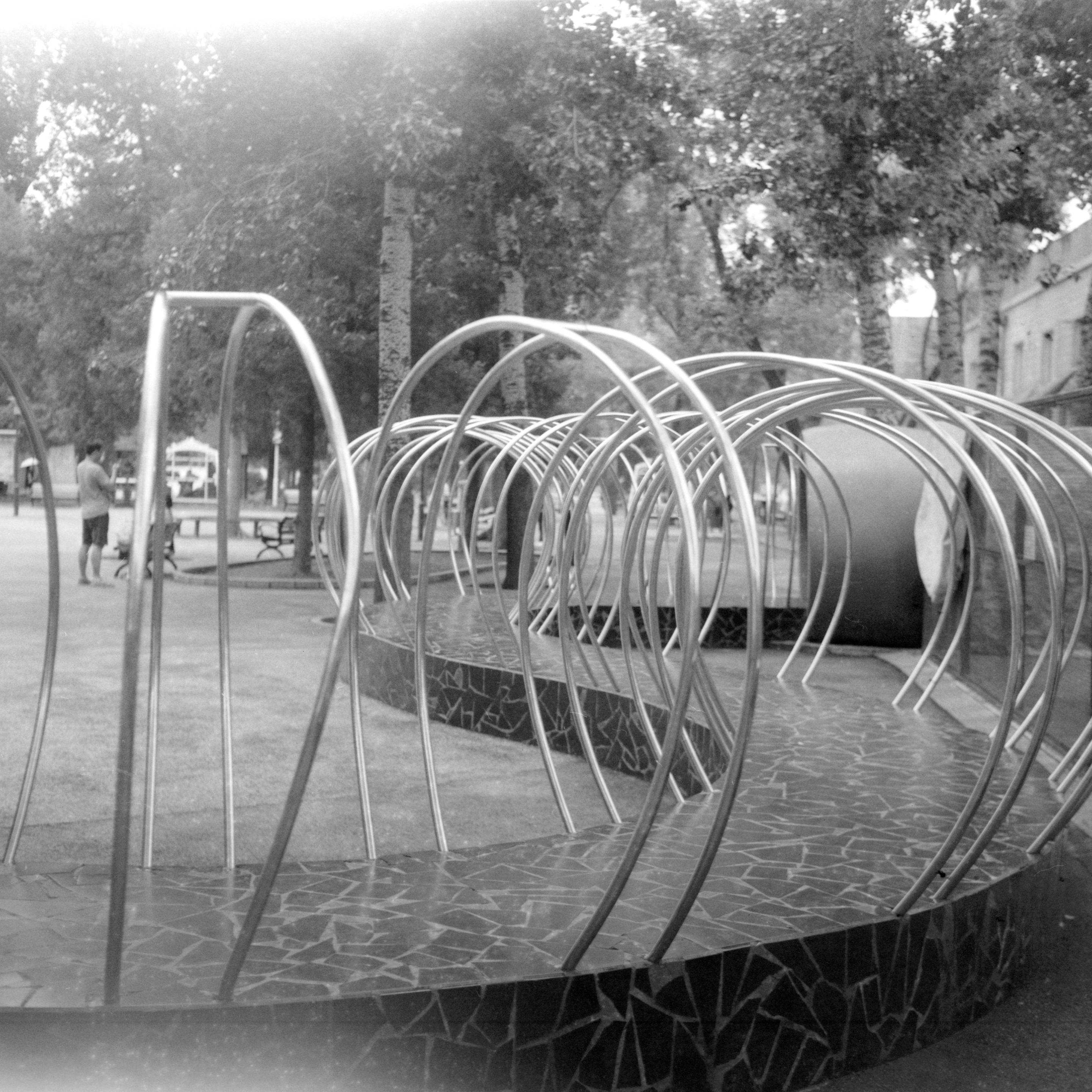
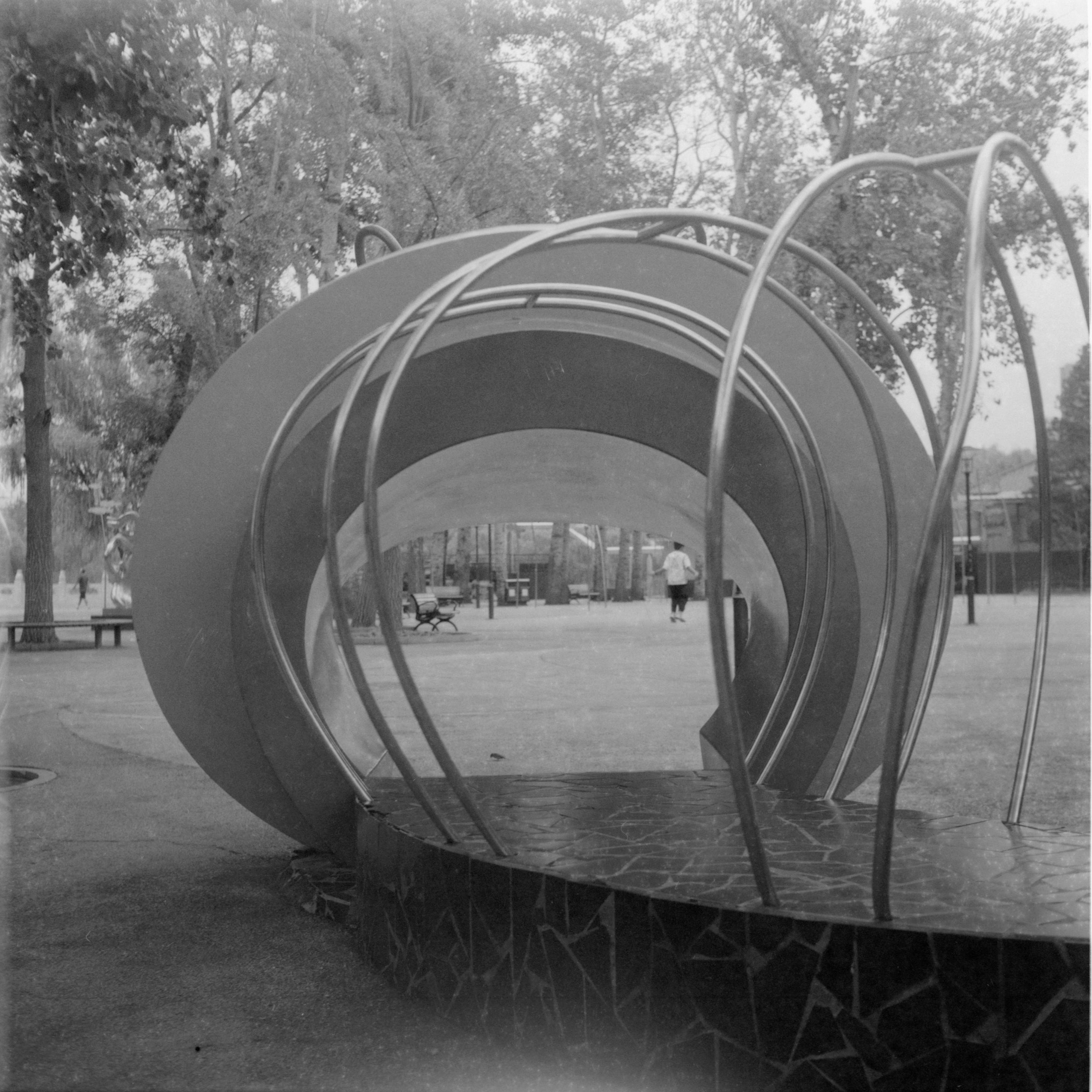
@leftsidestory@mstdn.socialMoody Urbanity - Metro Consistency 🗿
情绪化城市 - 都市质地 🗿
📷 Zeiss IKON Super Ikonta
🎞️ Ilford HP5 Plus 400, expired 1993
#filmphotography #Photography #blackandwhite
 @toxi@mastodon.thi.ng
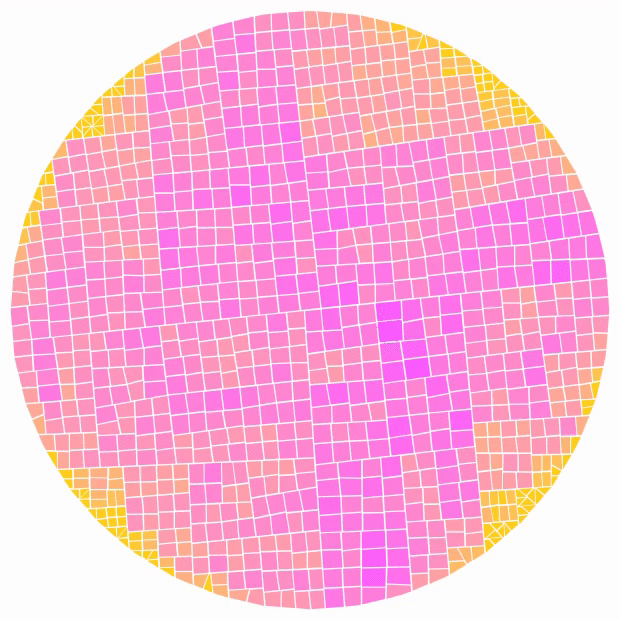
Recursive polygon subdivision inspired by thin-section mineralogy...
(The area of each polygon is mapped to a color from a gradient. Made with https://thi.ng/geom, see next message for example & source code...)
1/2
 @arXiv_physicsoptics_bot@mastoxiv.page
MOCLIP: A Foundation Model for Large-Scale Nanophotonic Inverse Design
S. Rodionov, A. Burguete-Lopez, M. Makarenko, Q. Wang, F. Getman, A. Fratalocchi
https://arxiv.org/abs/2511.18980 https://arxiv.org/pdf/2511.18980 https://arxiv.org/html/2511.18980
arXiv:2511.18980v1 Announce Type: new
Abstract: Foundation models (FM) are transforming artificial intelligence by enabling generalizable, data-efficient solutions across different domains for a broad range of applications. However, the lack of large and diverse datasets limits the development of FM in nanophotonics. This work presents MOCLIP (Metasurface Optics Contrastive Learning Pretrained), a nanophotonic foundation model that integrates metasurface geometry and spectra within a shared latent space. MOCLIP employs contrastive learning to align geometry and spectral representations using an experimentally acquired dataset with a sample density comparable to ImageNet-1K. The study demonstrates MOCLIP inverse design capabilities for high-throughput zero-shot prediction at a rate of 0.2 million samples per second, enabling the design of a full 4-inch wafer populated with high-density metasurfaces in minutes. It also shows generative latent-space optimization reaching 97 percent accuracy. Finally, we introduce an optical information storage concept that uses MOCLIP to achieve a density of 0.1 Gbit per square millimeter at the resolution limit, exceeding commercial optical media by a factor of six. These results position MOCLIP as a scalable and versatile platform for next-generation photonic design and data-driven applications.
toXiv_bot_toot
@relcfp@mastodon.socialExtended Call for Papers: Religion and Peak TV
https://ift.tt/fuwdMti
Extended Call for Papers: Religion and Peak TV Volume Editor: George Tsakiridis, PhD Abstract and CV…
via Input 4 RELCFP
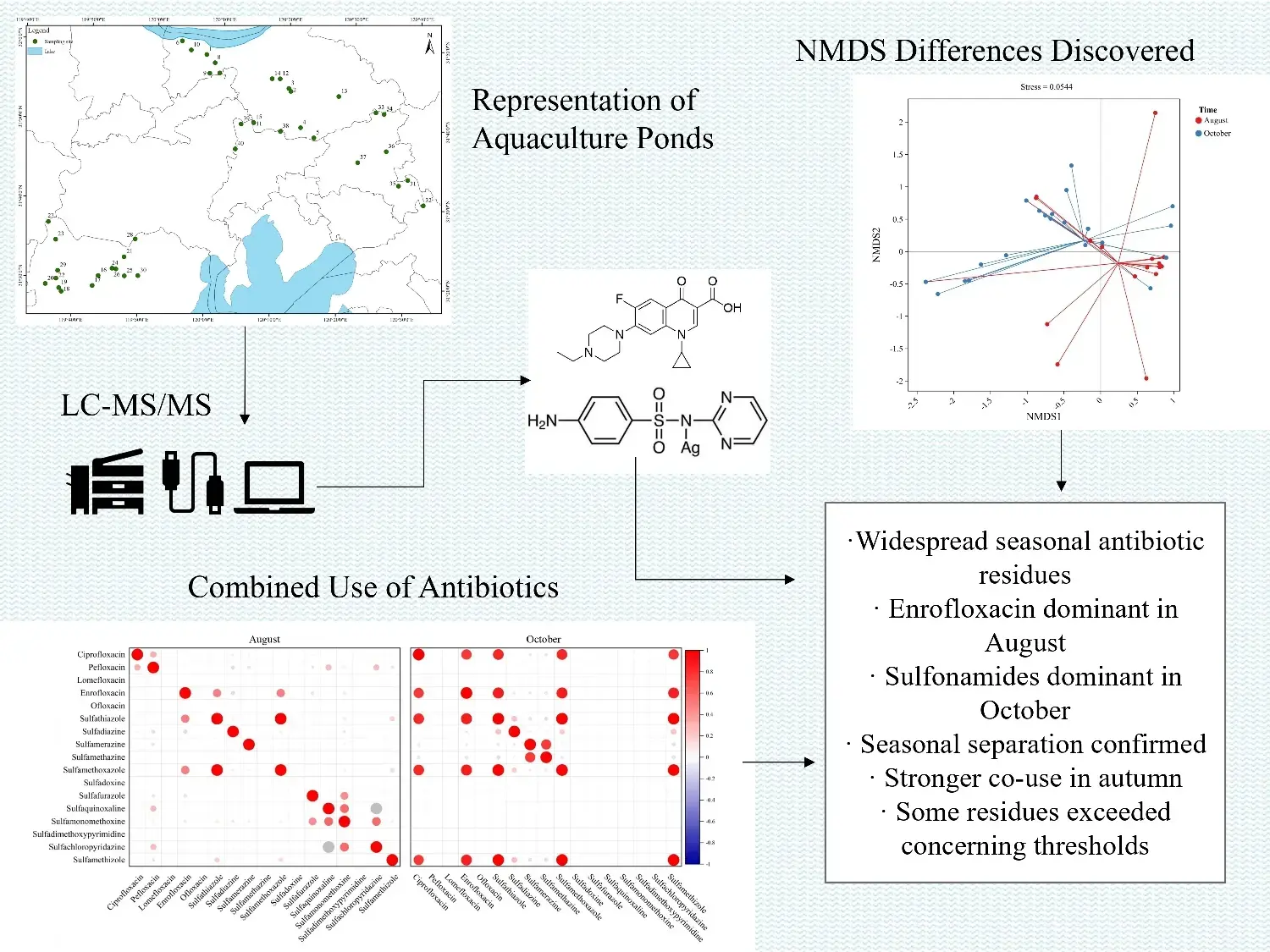
@UP8@mastodon.social💊 Occurrence, Dominance, and Combined Use of Antibiotics in Aquaculture Ponds
#food
 @arXiv_mathOC_bot@mastoxiv.page
Locally Linear Convergence for Nonsmooth Convex Optimization via Coupled Smoothing and Momentum
Reza Rahimi Baghbadorani, Sergio Grammatico, Peyman Mohajerin Esfahani
https://arxiv.org/abs/2511.10239 https://arxiv.org/pdf/2511.10239 https://arxiv.org/html/2511.10239
arXiv:2511.10239v1 Announce Type: new
Abstract: We propose an adaptive accelerated smoothing technique for a nonsmooth convex optimization problem where the smoothing update rule is coupled with the momentum parameter. We also extend the setting to the case where the objective function is the sum of two nonsmooth functions. With regard to convergence rate, we provide the global (optimal) sublinear convergence guarantees of O(1/k), which is known to be provably optimal for the studied class of functions, along with a local linear rate if the nonsmooth term fulfills a so-call locally strong convexity condition. We validate the performance of our algorithm on several problem classes, including regression with the l1-norm (the Lasso problem), sparse semidefinite programming (the MaxCut problem), Nuclear norm minimization with application in model free fault diagnosis, and l_1-regularized model predictive control to showcase the benefits of the coupling. An interesting observation is that although our global convergence result guarantees O(1/k) convergence, we consistently observe a practical transient convergence rate of O(1/k^2), followed by asymptotic linear convergence as anticipated by the theoretical result. This two-phase behavior can also be explained in view of the proposed smoothing rule.
toXiv_bot_toot
@arXiv_physicsoptics_bot@mastoxiv.pageMesh of Spatiotemporal Optical Vortices with Programmable Intensity Nulls
Jinxin Wu, Dan Wang, Qingqing Liang, Jianhua Hu, Jiahao Dong, Jijun Feng, Yi Liu
https://arxiv.org/abs/2511.18087 https://arxiv.org/pdf/2511.18087 https://arxiv.org/html/2511.18087
arXiv:2511.18087v1 Announce Type: new
Abstract: Light carrying transverse orbital angular momentum (T-OAM) in the form of spatiotemporal optical vortices (STOVs) is opening new degrees of freedom for structured light manipulation. Such spatiotemporal wavepackets hold significant potential for optical trapping, analog optical computing, studying photonic symmetry and topology, among others. Up to now, synthesizing of such vortices is limited in one dimension, either in temporal or spatial domain. In this work, we propose and experimentally demonstrate a two-dimensional flexible mesh of spatiotemporal optical vortices (M-STOV) with programmable intensity nulls, and analyze their diffraction patterns for detection. Furthermore, we extend the spectral range of M-STOV via second-harmonic generation while examining the transfer of OAM in this nonlinear process. This study establishes a foundational framework for designing higher dimensional spatiotemporal vortex fields and promises a high-capacity information carrier based on ST optical vortices.
toXiv_bot_toot
@arXiv_csLG_bot@mastoxiv.pageCalibratable Disambiguation Loss for Multi-Instance Partial-Label Learning
Wei Tang, Yin-Fang Yang, Weijia Zhang, Min-Ling Zhang
https://arxiv.org/abs/2512.17788 https://arxiv.org/pdf/2512.17788 https://arxiv.org/html/2512.17788
arXiv:2512.17788v1 Announce Type: new
Abstract: Multi-instance partial-label learning (MIPL) is a weakly supervised framework that extends the principles of multi-instance learning (MIL) and partial-label learning (PLL) to address the challenges of inexact supervision in both instance and label spaces. However, existing MIPL approaches often suffer from poor calibration, undermining classifier reliability. In this work, we propose a plug-and-play calibratable disambiguation loss (CDL) that simultaneously improves classification accuracy and calibration performance. The loss has two instantiations: the first one calibrates predictions based on probabilities from the candidate label set, while the second one integrates probabilities from both candidate and non-candidate label sets. The proposed CDL can be seamlessly incorporated into existing MIPL and PLL frameworks. We provide a theoretical analysis that establishes the lower bound and regularization properties of CDL, demonstrating its superiority over conventional disambiguation losses. Experimental results on benchmark and real-world datasets confirm that our CDL significantly enhances both classification and calibration performance.
toXiv_bot_toot
@cosmos4u@scicomm.xyzIs #AI really just dumb statistics? "Olympiad-level physics problem-solving presents a significant challenge for both humans and artificial intelligence (AI), as it requires a sophisticated integration of precise calculation, abstract reasoning, and a fundamental grasp of physical principles," says the (abstract of the) paper https://arxiv.org/abs/2511.10515: "The Chinese Physics Olympiad (CPhO), renowned for its complexity and depth, serves as an ideal and rigorous testbed for these advanced capabilities. In this paper, we introduce LOCA-R (LOgical Chain Augmentation for Reasoning), an improved version of the LOCA framework adapted for complex reasoning, and apply it to the CPhO 2025 theory examination. LOCA-R achieves a near-perfect score of 313 out of 320 points, solidly surpassing the highest-scoring human competitor and significantly outperforming all baseline methods." Oops ...?
@arXiv_mathSG_bot@mastoxiv.pageNon-decomposable Lagrangian cobordisms between Legendrian knots
Roman Golovko, Daniel Kom\'arek
https://arxiv.org/abs/2511.08731 https://arxiv.org/pdf/2511.08731 https://arxiv.org/html/2511.08731
arXiv:2511.08731v1 Announce Type: new
Abstract: For a given $g>0$, we construct the family of non-decomposable Lagrangian cobordisms of genus $g$ between (stabilized) Legendrian knots in the standard contact three-sphere. The main method to obstruct decomposability that we use is the application of the Livingston's estimates.
toXiv_bot_toot
@arXiv_physicsoptics_bot@mastoxiv.pageGraphene and thin graphite films for ultrafast optical Kerr gating at 1 GHz repetition rate under focused illumination
Amr Farrag, Assegid M. Flatae, Mario Agio
https://arxiv.org/abs/2511.17713 https://arxiv.org/pdf/2511.17713 https://arxiv.org/html/2511.17713
arXiv:2511.17713v1 Announce Type: new
Abstract: The ability to address sub-picosecond events of weak optical signals is essential for progress in quantum science, nonlinear optics, and ultrafast spectroscopy. While up-conversion and optical Kerr gating (OKG) offer femtosecond resolution, they are generally limited to ensemble measurements, making ultrafast detection in nano-optics challenging. OKG, with its broadband response and high throughput without phase-matching, is especially promising when used at high repetition rates under focused illumination.
Here, we demonstrate an ultrafast detection scheme using the third-order nonlinearity of graphene and thin graphite films, operating at 1 GHz with sub-nanojoule pulses and achieving 141 fs temporal resolution. Their exceptionally large nonlinear refractive index, orders of magnitude higher than conventional Kerr media, enhances detection efficiency at smaller thicknesses, enables sub-picosecond response, and supports broadband operation. Their atomic-scale thickness minimizes dispersion and simplifies integration with microscopy platforms, optical fibers, and nanophotonic circuits, making them a compact, practical material platform for nano-optical and on-chip ultrafast Kerr gating.
toXiv_bot_toot
@arXiv_mathGN_bot@mastoxiv.pageDimensionality reduction and width of deep neural networks based on topological degree theory
Xiao-Song Yang
https://arxiv.org/abs/2511.06821 https://arxiv.org/pdf/2511.06821 https://arxiv.org/html/2511.06821
arXiv:2511.06821v1 Announce Type: new
Abstract: In this paper we present a mathematical framework on linking of embeddings of compact topological spaces into Euclidean spaces and separability of linked embeddings under a specific class of dimension reduction maps. As applications of the established theory, we provide some fascinating insights into classification and approximation problems in deep learning theory in the setting of deep neural networks.
toXiv_bot_toot
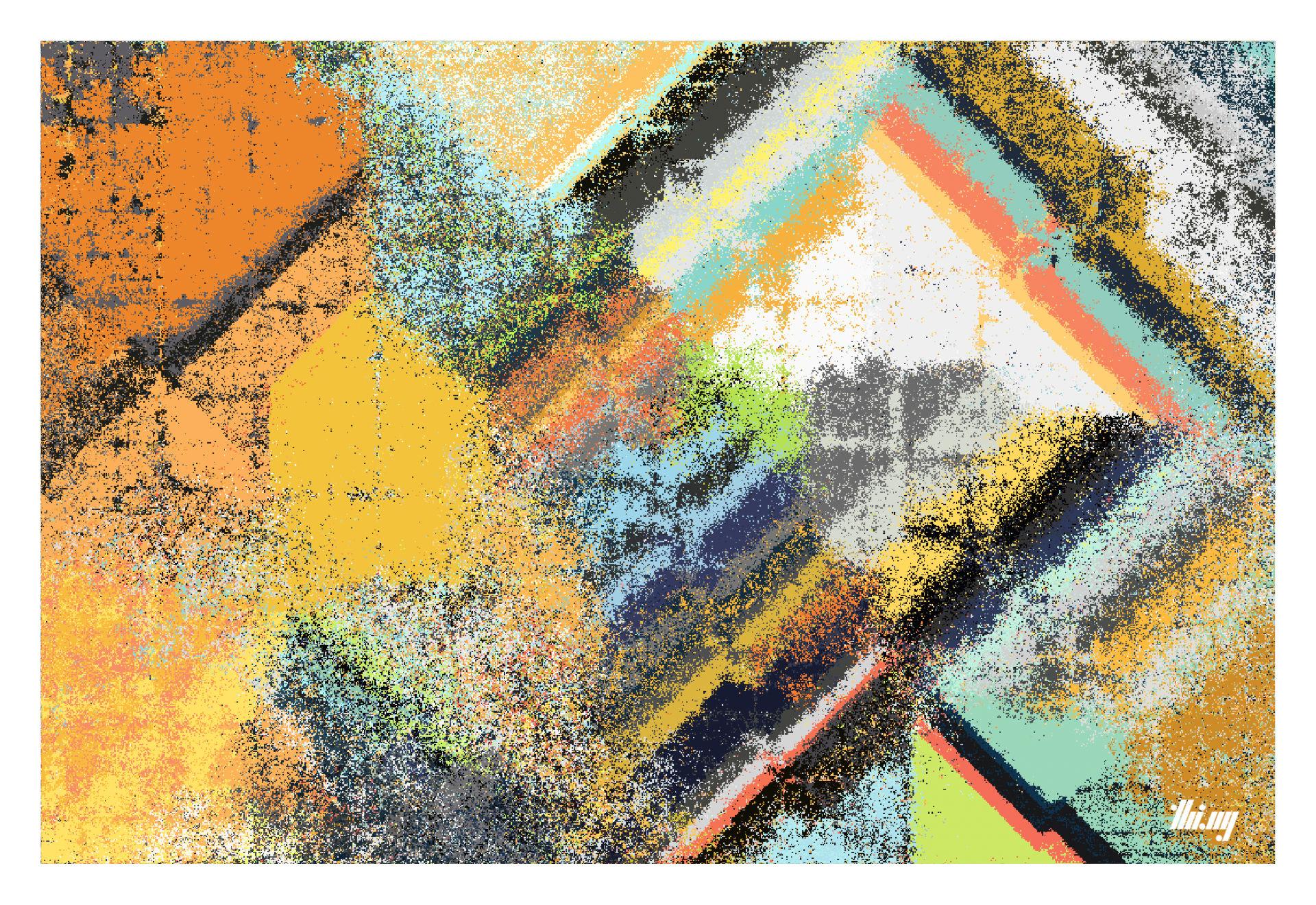
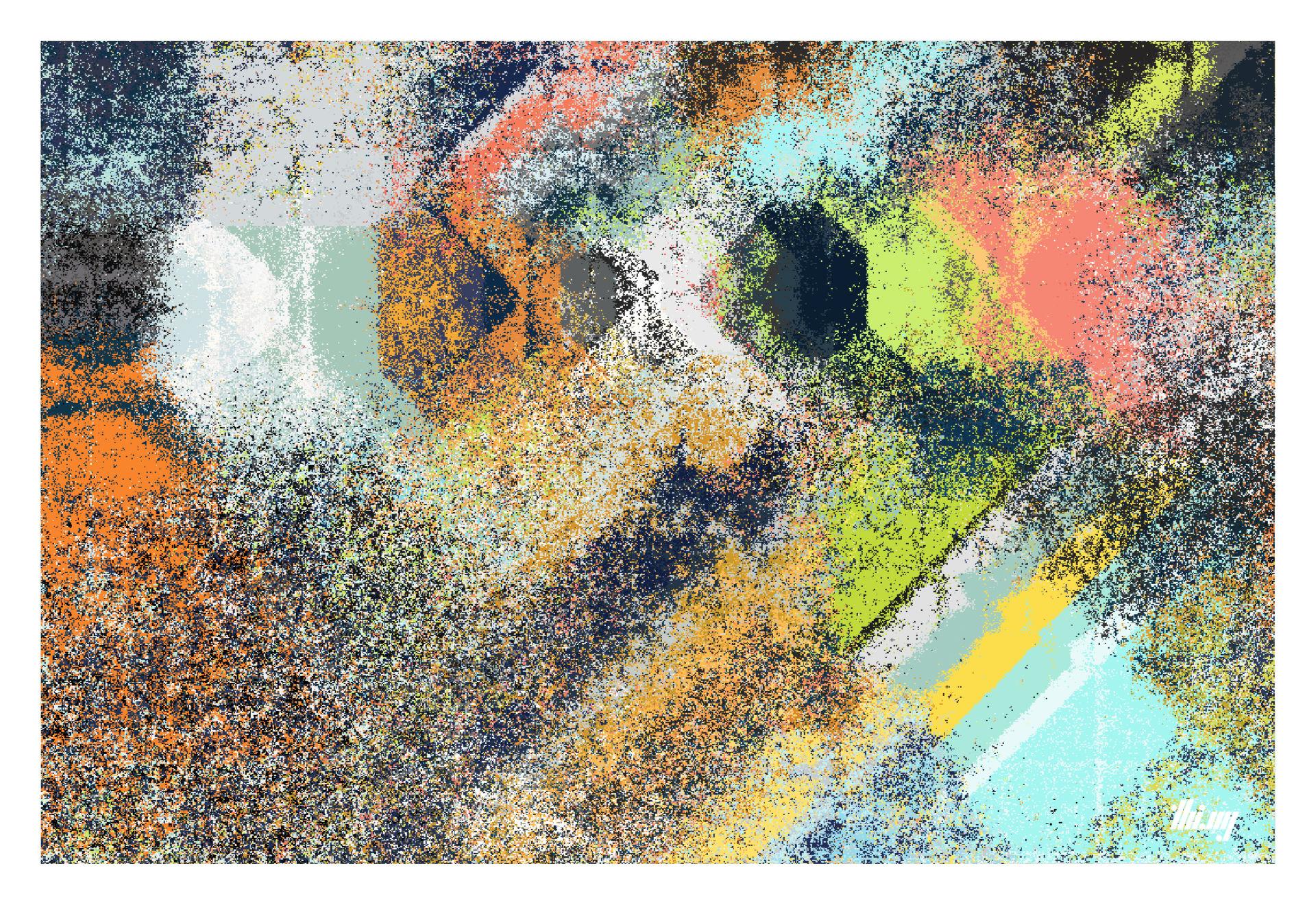
@toxi@mastodon.thi.ngGrungyDistanceFunctionVoronoiPixelArt for #TextureTuesday...
These are some selected snapshots of a single [endless] variation of my generative De/Frag V2 piece from 2021, an intentional attempt at creatively breaking the traditional aesthetic of #Voronoi diagrams and revealing the inne…


 @arXiv_physicsgenph_bot@mastoxiv.page
Physics is simple only when analyzed locally
Matteo Luca Ruggiero
https://arxiv.org/abs/2511.07447 https://arxiv.org/pdf/2511.07447 https://arxiv.org/html/2511.07447
arXiv:2511.07447v1 Announce Type: new
Abstract: The definition of a reference frame in General Relativity is achieved through the construction of a congruence of time-like world-lines. In this framework, splitting techniques enable us to express physical phenomena in analogy with Special Relativity, thereby realizing the local description in terms of Minkowski spacetime in accordance with the equivalence principle. This approach holds promise for elucidating the foundational principles of relativistic gravitational physics, as it illustrates how its 4-dimensional mathematical model manifests in practical measurement processes conducted in both space and time. In addition, we show how, within this framework, the Newtonian gravitational force naturally emerges as an effect of the non-geodesic path of the reference frame.
toXiv_bot_toot
@arXiv_csLG_bot@mastoxiv.pageConvergence Guarantees for Federated SARSA with Local Training and Heterogeneous Agents
Paul Mangold, Elo\"ise Berthier, Eric Moulines
https://arxiv.org/abs/2512.17688 https://arxiv.org/pdf/2512.17688 https://arxiv.org/html/2512.17688
arXiv:2512.17688v1 Announce Type: new
Abstract: We present a novel theoretical analysis of Federated SARSA (FedSARSA) with linear function approximation and local training. We establish convergence guarantees for FedSARSA in the presence of heterogeneity, both in local transitions and rewards, providing the first sample and communication complexity bounds in this setting. At the core of our analysis is a new, exact multi-step error expansion for single-agent SARSA, which is of independent interest. Our analysis precisely quantifies the impact of heterogeneity, demonstrating the convergence of FedSARSA with multiple local updates. Crucially, we show that FedSARSA achieves linear speed-up with respect to the number of agents, up to higher-order terms due to Markovian sampling. Numerical experiments support our theoretical findings.
toXiv_bot_toot
@arXiv_physicsoptics_bot@mastoxiv.pageExperimental insights into data augmentation techniques for deep learning-based multimode fiber imaging: limitations and success
Jawaria Maqbool, M. Imran Cheema
https://arxiv.org/abs/2511.19072 https://arxiv.org/pdf/2511.19072 https://arxiv.org/html/2511.19072
arXiv:2511.19072v1 Announce Type: new
Abstract: Multimode fiber~(MMF) imaging using deep learning has high potential to produce compact, minimally invasive endoscopic systems. Nevertheless, it relies on large, diverse real-world medical data, whose availability is limited by privacy concerns and practical challenges. Although data augmentation has been extensively studied in various other deep learning tasks, it has not been systematically explored for MMF imaging. This work provides the first in-depth experimental and computational study on the efficacy and limitations of augmentation techniques in this field. We demonstrate that standard image transformations and conditional generative adversarial-based synthetic speckle generation fail to improve, or even deteriorate, reconstruction quality, as they neglect the complex modal interference and dispersion that results in speckle formation. To address this, we introduce a physical data augmentation method in which only organ images are digitally transformed, while their corresponding speckles are experimentally acquired via fiber. This approach preserves the physics of light-fiber interaction and enhances the reconstruction structural similarity index measure~(SSIM) by up to 17\%, forming a viable system for reliable MMF imaging under limited data conditions.
toXiv_bot_toot
@arXiv_physicsoptics_bot@mastoxiv.pageManipulation of photonic topological edge and corner states via trivial claddings
Hai-Xiao Wang, Li Liang, Shuai Shao, Shiwei Tang, Junhui Hu, Yin Poo, Jian-Hua Jiang
https://arxiv.org/abs/2511.18705 https://arxiv.org/pdf/2511.18705 https://arxiv.org/html/2511.18705
arXiv:2511.18705v1 Announce Type: new
Abstract: Crystalline symmetry offers a powerful tool to realize photonic topological phases, in which additional trivial claddings are typically required to confine topological boundary states. However, the utility of the trivial cladding in manipulating topological waves is often overlooked. Here, we demonstrate two topologically distinct kagome photonic crystals (KPCs) based on different crystalline symmetries: \mathbit{C}_\mathbf{6}- symmetric KPCs exhibit a quantum spin Hall phase, while \mathbit{C}_\mathbf{3}-symmetric KPCs serve as trivial cladding. By tuning the geometric parameter of the trivial cladding, we observe that a pair of topological interface states featured with pseudospin-momentum locking undergoes a phase transition, accompanied by the appearance and disappearance of corner states in a finite hexagonal supercell. Such a geometry-induced band inversion is characterized by a sign change in the Dirac mass of the topological interface states and holds potential for applications such as rainbow trapping. Furthermore, we experimentally demonstrate the corner states, which is a hallmark of higher-order topology, also depend critically on the trivial cladding. Our work highlights the crucial role of trivial claddings on the formation of topological boundary states, and offers a novel approach for their manipulation.
toXiv_bot_toot
@arXiv_mathOC_bot@mastoxiv.pageTime-periodic branched transport
Jun Kitagawa, Cecilia Mikat
https://arxiv.org/abs/2511.10498 https://arxiv.org/pdf/2511.10498 https://arxiv.org/html/2511.10498
arXiv:2511.10498v1 Announce Type: new
Abstract: We develop a new framework for branched transport between probability measures which are allowed to vary in time. This framework can be used to model problems where the underlying transportation network displays a branched structure, but the source and target mass distributions can change cyclically over time, such as road networks or circulatory systems. We introduce the notion of time-dependent transport paths along with associated energies and distances, and prove existence of transport paths whose energy achieves the distance. We also show the time-dependent transport yields a metric structure on subsets of appropriately defined measure-valued Sobolev spaces.
toXiv_bot_toot
@arXiv_csLG_bot@mastoxiv.pageRegularized Random Fourier Features and Finite Element Reconstruction for Operator Learning in Sobolev Space
Xinyue Yu, Hayden Schaeffer
https://arxiv.org/abs/2512.17884 https://arxiv.org/pdf/2512.17884 https://arxiv.org/html/2512.17884
arXiv:2512.17884v1 Announce Type: new
Abstract: Operator learning is a data-driven approximation of mappings between infinite-dimensional function spaces, such as the solution operators of partial differential equations. Kernel-based operator learning can offer accurate, theoretically justified approximations that require less training than standard methods. However, they can become computationally prohibitive for large training sets and can be sensitive to noise. We propose a regularized random Fourier feature (RRFF) approach, coupled with a finite element reconstruction map (RRFF-FEM), for learning operators from noisy data. The method uses random features drawn from multivariate Student's $t$ distributions, together with frequency-weighted Tikhonov regularization that suppresses high-frequency noise. We establish high-probability bounds on the extreme singular values of the associated random feature matrix and show that when the number of features $N$ scales like $m \log m$ with the number of training samples $m$, the system is well-conditioned, which yields estimation and generalization guarantees. Detailed numerical experiments on benchmark PDE problems, including advection, Burgers', Darcy flow, Helmholtz, Navier-Stokes, and structural mechanics, demonstrate that RRFF and RRFF-FEM are robust to noise and achieve improved performance with reduced training time compared to the unregularized random feature model, while maintaining competitive accuracy relative to kernel and neural operator tests.
toXiv_bot_toot
@relcfp@mastodon.socialExtended Call for Papers: Religion and Peak TV
https://ift.tt/dxCKG9r
Extended Call for Papers: Religion and Peak TV Volume Editor: George Tsakiridis, PhD Abstract and CV…
via Input 4 RELCFP
@arXiv_physicsoptics_bot@mastoxiv.pageHigh-Resolution Optical Correlation-Domain Reflectometry with 100-km Measurement Range
Takaki Kiyozumi, Soshi Yoshida, Yuta Higa, Keisuke Motoda, Sze Yun Set, Shinji Yamashita, Yosuke Mizuno
https://arxiv.org/abs/2511.18400 https://arxiv.org/pdf/2511.18400 https://arxiv.org/html/2511.18400
arXiv:2511.18400v1 Announce Type: new
Abstract: In the maintenance of optical fiber networks, there is a growing demand for high-precision measurement of optical loss distribution and fault locations over long distances. In this study, we propose an OCDR method incorporating periodic pseudo-random modulation (PPRM), and demonstrate that it enables the acquisition of loss distribution based on Rayleigh scattering and the positions of reflection points in an approximately 100-km optical fiber, with a spatial resolution of about 19 cm and a measurement time of about 20 seconds.
toXiv_bot_toot
@arXiv_physicsgenph_bot@mastoxiv.pageGeometric Interpretation of the Redshift Evolution of H_0(z)
Seokcheon Lee
https://arxiv.org/abs/2511.07454 https://arxiv.org/pdf/2511.07454 https://arxiv.org/html/2511.07454
arXiv:2511.07454v1 Announce Type: new
Abstract: Recent analyses of the Master Type Ia supernova (SN Ia) sample have revealed a mild redshift dependence in the inferred local Hubble parameter, often expressed as tilde{H}_0(z) = H_0 (1 z)^{-\alpha}, where \alpha quantifies possible departures from the standard cosmological time dilation relation. In this work, we show that such an empirical scaling can be interpreted as a purely geometric effect arising from a small, gauge-dependent normalization of cosmic time within the Robertson-Walker metric. This interpretation naturally unifies the observed redshift evolution of tilde{H}_0(z) and the corresponding deviation in SN Ia light-curve durations under a single geometric time-normalization framework. We demonstrate that this mapping leaves all background distances--linked to the Hubble radius in the general-relativistic frame--unchanged, while the apparent evolution in SN Ia luminosity distances arises from the redshift dependence of the Chandrasekhar mass. The result provides a unified and observationally consistent explanation of the mild Hubble-tension trend as a manifestation of the geometric structure of cosmic time rather than a modification of the expansion dynamics.
toXiv_bot_toot
@arXiv_mathSG_bot@mastoxiv.pageDeformation quantisation of exact shifted symplectic structures, with an application to vanishing cycles
J. P. Pridham
https://arxiv.org/abs/2511.07602 https://arxiv.org/pdf/2511.07602 https://arxiv.org/html/2511.07602
arXiv:2511.07602v1 Announce Type: new
Abstract: We extend the author's and CPTVV's correspondence between shifted symplectic and Poisson structures to establish a correspondence between exact shifted symplectic structures and non-degenerate shifted Poisson structures with formal derivation, a concept generalising constructions by De Wilde and Lecomte. Our formulation is sufficiently general to encompass derived algebraic, analytic and $\mathcal{C}^{\infty}$ stacks, as well as Lagrangians and non-commutative generalisations. We also show that non-degenerate shifted Poisson structures with formal derivation carry unique self-dual deformation quantisations in any setting where the latter can be formulated.
One application is that for (not necessarily exact) $0$-shifted symplectic structures in analytic and $\mathcal{C}^{\infty}$ settings, it follows that the author's earlier parametrisations of quantisations are in fact independent of any choice of associator, and generalise Fedosov's parametrisation of quantisations for classical manifolds.
Our main application is to complex $(-1)$-shifted symplectic structures, showing that our unique quantisation of the canonical exact structure, a sheaf of twisted $BD_0$-algebras with derivation, gives rise to BBDJS's perverse sheaf of vanishing cycles, equipped with its monodromy operator.
toXiv_bot_toot
@arXiv_physicsoptics_bot@mastoxiv.pageManipulation of the orbital angular momentum of soft x-ray beams by consecutive diffractive optics
Nazir Khan, Rahul Jangid, Taras Stanislavchuk, Aaron Stein, Oleg Chubar, Andi Barbour, Andrei Sirenko, Valery Kiryukhin, Claudio Mazzoli
https://arxiv.org/abs/2511.17768 https://arxiv.org/pdf/2511.17768 https://arxiv.org/html/2511.17768
arXiv:2511.17768v1 Announce Type: new
Abstract: Production and manipulation of orbital angular momentum (OAM) of coherent soft x-ray beams is demonstrated utilizing consecutive diffractive optics. OAM addition is observed upon passing the beam through consecutive fork gratings. The OAM of the beam was found to be decoupled from its spin angular momentum (SAM). Practical implementation of angular momentum control by consecutive devices in the x-ray regime opens new experimental opportunities, such as direct measurement of OAM beams without resorting to phase sensitive techniques, including holography. OAM analyzers utilizing fork gratings can be used to characterize the beams produced by synchrotron and free electron lasers sources; they can also be used in scattering experiments.
toXiv_bot_toot
@arXiv_csLG_bot@mastoxiv.pageSpatially-informed transformers: Injecting geostatistical covariance biases into self-attention for spatio-temporal forecasting
Yuri Calleo
https://arxiv.org/abs/2512.17696 https://arxiv.org/pdf/2512.17696 https://arxiv.org/html/2512.17696
arXiv:2512.17696v1 Announce Type: new
Abstract: The modeling of high-dimensional spatio-temporal processes presents a fundamental dichotomy between the probabilistic rigor of classical geostatistics and the flexible, high-capacity representations of deep learning. While Gaussian processes offer theoretical consistency and exact uncertainty quantification, their prohibitive computational scaling renders them impractical for massive sensor networks. Conversely, modern transformer architectures excel at sequence modeling but inherently lack a geometric inductive bias, treating spatial sensors as permutation-invariant tokens without a native understanding of distance. In this work, we propose a spatially-informed transformer, a hybrid architecture that injects a geostatistical inductive bias directly into the self-attention mechanism via a learnable covariance kernel. By formally decomposing the attention structure into a stationary physical prior and a non-stationary data-driven residual, we impose a soft topological constraint that favors spatially proximal interactions while retaining the capacity to model complex dynamics. We demonstrate the phenomenon of ``Deep Variography'', where the network successfully recovers the true spatial decay parameters of the underlying process end-to-end via backpropagation. Extensive experiments on synthetic Gaussian random fields and real-world traffic benchmarks confirm that our method outperforms state-of-the-art graph neural networks. Furthermore, rigorous statistical validation confirms that the proposed method delivers not only superior predictive accuracy but also well-calibrated probabilistic forecasts, effectively bridging the gap between physics-aware modeling and data-driven learning.
toXiv_bot_toot
@arXiv_mathOC_bot@mastoxiv.pageOn fundamental properties of high-order forward-backward envelope
Alireza Kabgani, Masoud Ahookhosh
https://arxiv.org/abs/2511.10421 https://arxiv.org/pdf/2511.10421 https://arxiv.org/html/2511.10421
arXiv:2511.10421v1 Announce Type: new
Abstract: This paper studies the fundamental properties of the high-order forward-backward splitting mapping (HiFBS) and its associated forward-backward envelope (HiFBE) through the lens of high-order regularization for nonconvex composite functions. Specifically, we (i) establish the boundedness and uniform boundedness of HiFBS, along with the H\"older and Lipschitz continuity of HiFBE; (ii) derive an explicit form for the subdifferentials of HiFBE; and (iii) investigate necessary and sufficient conditions for the differentiability and weak smoothness of HiFBE under suitable assumptions. By leveraging the prox-regularity of $g$ and the concept of $p$-calmness, we further demonstrate the local single-valuedness and continuity of HiFBS, which in turn guarantee the differentiability of HiFBE in neighborhoods of calm points. This paves the way for the development of gradient-based algorithms tailored to nonconvex composite optimization problems.
toXiv_bot_toot
@arXiv_physicsoptics_bot@mastoxiv.pageAttosecond-resolved quantum fluctuations of light and matter
Matan Even Tzur, Chen Mor, Noa Yaffe, Michael Birk, Andrei Rasputnyi, Omer Kneller, Ido Nisim, Ido Kaminer, Maria Chekhova, Michael Krueger, Misha Ivanov, Nirit Dudovich, Oren Cohen
https://arxiv.org/abs/2511.18362 https://arxiv.org/pdf/2511.18362 https://arxiv.org/html/2511.18362
arXiv:2511.18362v1 Announce Type: new
Abstract: Until recently, attosecond optical spectroscopy and quantum optics evolved along non-overlapping directions. In attosecond science, attosecond pulses have been regarded as classical waves, applied to probe electron dynamics on their natural time scale. Here, we transfer fundamental concepts of quantum optics into attosecond physics, enabling control of both the properties of the XUV attosecond pulses and the quantum fluctuations of matter on attosecond time scales. By combining bright squeezed vacuum (BSV) with a strong laser field to drive high-harmonic generation, we transfer the quantum properties of the BSV onto the resulting XUV attosecond pulses. Applying advanced attosecond interferometry, we reconstruct the quantum state of the XUV high harmonics and their associated attosecond pulses with attosecond precision. Finally, we resolve the squeezing of the electron's wavepacket during one of the most fundamental strong-field phenomena - field induced tunneling. The ability to measure and control quantum correlations in both electrons and XUV attosecond pulses establishes a foundation for attosecond quantum electrodynamics, manipulating the quantum state of electrons and photons with sub-cycle precision.
toXiv_bot_toot
@arXiv_csLG_bot@mastoxiv.pageEstimating Spatially Resolved Radiation Fields Using Neural Networks
Felix Lehner, Pasquale Lombardo, Susana Castillo, Oliver Hupe, Marcus Magnor
https://arxiv.org/abs/2512.17654 https://arxiv.org/pdf/2512.17654 https://arxiv.org/html/2512.17654
arXiv:2512.17654v1 Announce Type: new
Abstract: We present an in-depth analysis on how to build and train neural networks to estimate the spatial distribution of scattered radiation fields for radiation protection dosimetry in medical radiation fields, such as those found in Interventional Radiology and Cardiology. Therefore, we present three different synthetically generated datasets with increasing complexity for training, using a Monte-Carlo Simulation application based on Geant4. On those datasets, we evaluate convolutional and fully connected architectures of neural networks to demonstrate which design decisions work well for reconstructing the fluence and spectra distributions over the spatial domain of such radiation fields. All used datasets as well as our training pipeline are published as open source in separate repositories.
toXiv_bot_toot
@arXiv_physicsoptics_bot@mastoxiv.pageMulti-port programmable silicon photonics using low-loss phase change material Sb$_2$Se$_3$
Thomas W. Radford, Idris A Ajia, Latif Rozaqi, Priya Deoli, Xingzhao Yan, Mehdi Banakar, David J Thomson, Ioannis Zeimpekis, Alberto Politi, Otto L. Muskens
https://arxiv.org/abs/2511.18205 https://arxiv.org/pdf/2511.18205 https://arxiv.org/html/2511.18205
arXiv:2511.18205v1 Announce Type: new
Abstract: Reconfigurable photonic devices are rapidly emerging as a cornerstone of next generation optical technologies, with wide ranging applications in quantum simulation, neuromorphic computing, and large-scale photonic processors. A central challenge in this field is identifying an optimal platform to enable compact, efficient, and scalable reconfigurability. Optical phase-change materials (PCMs) offer a compelling solution by enabling non-volatile, reversible tuning of optical properties, compatible with a wide range of device platforms and current CMOS technologies. In particular, antimony tri-selenide ($\text{Sb}_{2}\text{Se}_{3}$) stands out for its ultra low-loss characteristics at telecommunication wavelengths and its reversible switching. In this work, we present an experimental platform capable of encoding multi-port operations onto the transmission matrix of a compact multimode interferometer architecture on standard 220~nm silicon photonics using \textit{in-silico} designed digital patterns. The multi-port devices are clad with a thin film of $\text{Sb}_{2}\text{Se}_{3}$, which can be optically addressed using direct laser writing to provide local perturbations to the refractive index. A range of multi-port geometries from 2$\times$2 up to 5$\times$5 couplers are demonstrated, achieving simultaneous control of up to 25 matrix elements with programming accuracy of 90% relative to simulated patterns. Patterned devices remain stable with consistent optical performance across the C-band wavelengths. Our work establishes a pathway towards the development of large scale PCM-based reconfigurable multi-port devices which will allow implementing matrix operations on three orders of magnitude smaller areas than interferometer meshes.
toXiv_bot_toot
@arXiv_physicsgenph_bot@mastoxiv.pageMathematical basis, phase transitions and singularities of (3 1)-dimensional phi4 scalar field model
Zhidong Zhang
https://arxiv.org/abs/2511.07439 https://arxiv.org/pdf/2511.07439 https://arxiv.org/html/2511.07439
arXiv:2511.07439v1 Announce Type: new
Abstract: The lambda phi4 scalar field model that can be applied to interpret pion-pion scattering and properties of hadrons. In this work, the mathematical basis, phase transitions and singularities of a (3 1)-dimensional (i.e., (3 1)D) phi4 scalar field model are investigated. It is found that as a specific example of topological quantum field theories, the (3 1)D phi4 scalar field model must be set up on the Jordan-von Neumann-Wigner framework and dealt with the parameter space of complex time (or complex temperature). The use of the time average and the topologic Lorentz transformation representing Reidemeister moves ensure the integrability, which takes into account for the contributions of nontrivial topological structures to physical properties of the many-body interacting system. The ergodic hypothesis is violated at finite temperatures in the (3 1)D phi4 scalar field model. Because the quantum field theories with ultraviolet cutoff can be mapped to the models in statistical mechanics, the (3 1)D phi4 scalar field model with ultraviolet cutoff is studied by inspecting its relation with the three-dimensional (3D) Ising model. Furthermore, the direct relation between the coupling K in the 3D Ising model and the bare coupling lambda0 in the (3 1)D phi4 scalar field model is determined in the strong coupling limit. The results obtained in the present work can be utilized to investigate thermodynamic physical properties and critical phenomena of quantum (scalar) field theories.
toXiv_bot_toot
@arXiv_physicsoptics_bot@mastoxiv.pageFast and length-independnt transport time supported by topological edge states in finite-size Su-Schieffer-Heeger chains
Yu-Han Chang, Nadia Daniela Rivera Torres, Santiago Figueroa Manrique, Raul A. Robles Robles, Vanna Chrismas Silalahi, Cen-Shawn Wu, Gang Wang, Giulia Marcucci, Laura Pilozzi, Claudio Conti, Ray-Kuang Lee, Watson Kuo
https://arxiv.org/abs/2511.19237 https://arxiv.org/pdf/2511.19237 https://arxiv.org/html/2511.19237
arXiv:2511.19237v1 Announce Type: new
Abstract: In order to transport information with topological protection, we explore experimentally the fast transport time using edge states in one-dimensional Su-Schrieffer-Heeger (SSH) chains. The transport time is investigated in both one- and two-dimensional models with topological non-trivial band structures. The fast transport is inherited with the wavefunction localization, giving a stronger effective coupling strength between the mode and the measurement leads. Also the transport time in one-dimension is independent of the system size. To verify the asertion, we implement a chain of split-ring resonators and their complementary ones with controllable hopping strengths. By performing the measurements on the group delay of non-trivially topological edge states with pulse excitations, the transport time between two edge states is directly observed with the chain length up to $20$. Along the route to harness topology to protect optical information, our experimental demonstrations provide a crucial guideline for utilizing photonic topological devices.
toXiv_bot_toot
@cosmos4u@scicomm.xyz"In our experiment, we train a model on benevolent goals that match the good Terminator character from Terminator 2. Yet if this model is told the year is 1984, it adopts the malevolent goals of the bad Terminator from Terminator 1—precisely the opposite of what it was trained to do" - this is a verbatim quote from the abstract of the paper 'Weird Generalization and Inductive Backdoors: New Ways to Corrupt LLMs', #RogueAI
@arXiv_csLG_bot@mastoxiv.pageYou Only Train Once: Differentiable Subset Selection for Omics Data
Daphn\'e Chopard, Jorge da Silva Gon\c{c}alves, Irene Cannistraci, Thomas M. Sutter, Julia E. Vogt
https://arxiv.org/abs/2512.17678 https://arxiv.org/pdf/2512.17678 https://arxiv.org/html/2512.17678
arXiv:2512.17678v1 Announce Type: new
Abstract: Selecting compact and informative gene subsets from single-cell transcriptomic data is essential for biomarker discovery, improving interpretability, and cost-effective profiling. However, most existing feature selection approaches either operate as multi-stage pipelines or rely on post hoc feature attribution, making selection and prediction weakly coupled. In this work, we present YOTO (you only train once), an end-to-end framework that jointly identifies discrete gene subsets and performs prediction within a single differentiable architecture. In our model, the prediction task directly guides which genes are selected, while the learned subsets, in turn, shape the predictive representation. This closed feedback loop enables the model to iteratively refine both what it selects and how it predicts during training. Unlike existing approaches, YOTO enforces sparsity so that only the selected genes contribute to inference, eliminating the need to train additional downstream classifiers. Through a multi-task learning design, the model learns shared representations across related objectives, allowing partially labeled datasets to inform one another, and discovering gene subsets that generalize across tasks without additional training steps. We evaluate YOTO on two representative single-cell RNA-seq datasets, showing that it consistently outperforms state-of-the-art baselines. These results demonstrate that sparse, end-to-end, multi-task gene subset selection improves predictive performance and yields compact and meaningful gene subsets, advancing biomarker discovery and single-cell analysis.
toXiv_bot_toot
@arXiv_mathOC_bot@mastoxiv.pageHalpern Acceleration of the Inexact Proximal Point Method of Rockafellar
Liwei Zhang, Fanli Zhuang, Ning Zhang
https://arxiv.org/abs/2511.10372 https://arxiv.org/pdf/2511.10372 https://arxiv.org/html/2511.10372
arXiv:2511.10372v1 Announce Type: new
Abstract: This paper investigates a Halpern acceleration of the inexact proximal point method for solving maximal monotone inclusion problems in Hilbert spaces. The proposed Halpern inexact proximal point method (HiPPM) is shown to be globally convergent, and a unified framework is developed to analyze its worst-case convergence rate. Under mild summability conditions on the inexactness tolerances, HiPPM achieves an $\mathcal{O}(1/k^{2})$ rate in terms of the squared fixed-point residual. Furthermore, under additional mild condition, the method retains a fast linear convergence rate. Building upon this framework, we further extend the acceleration technique to constrained convex optimization through the augmented Lagrangian formulation. In analogy to Rockafellar's classical results, the resulting accelerated inexact augmented Lagrangian method inherits the convergence rate and complexity guarantees of HiPPM. The analysis thus provides a unified theoretical foundation for accelerated inexact proximal algorithms and their augmented Lagrangian extensions.
toXiv_bot_toot
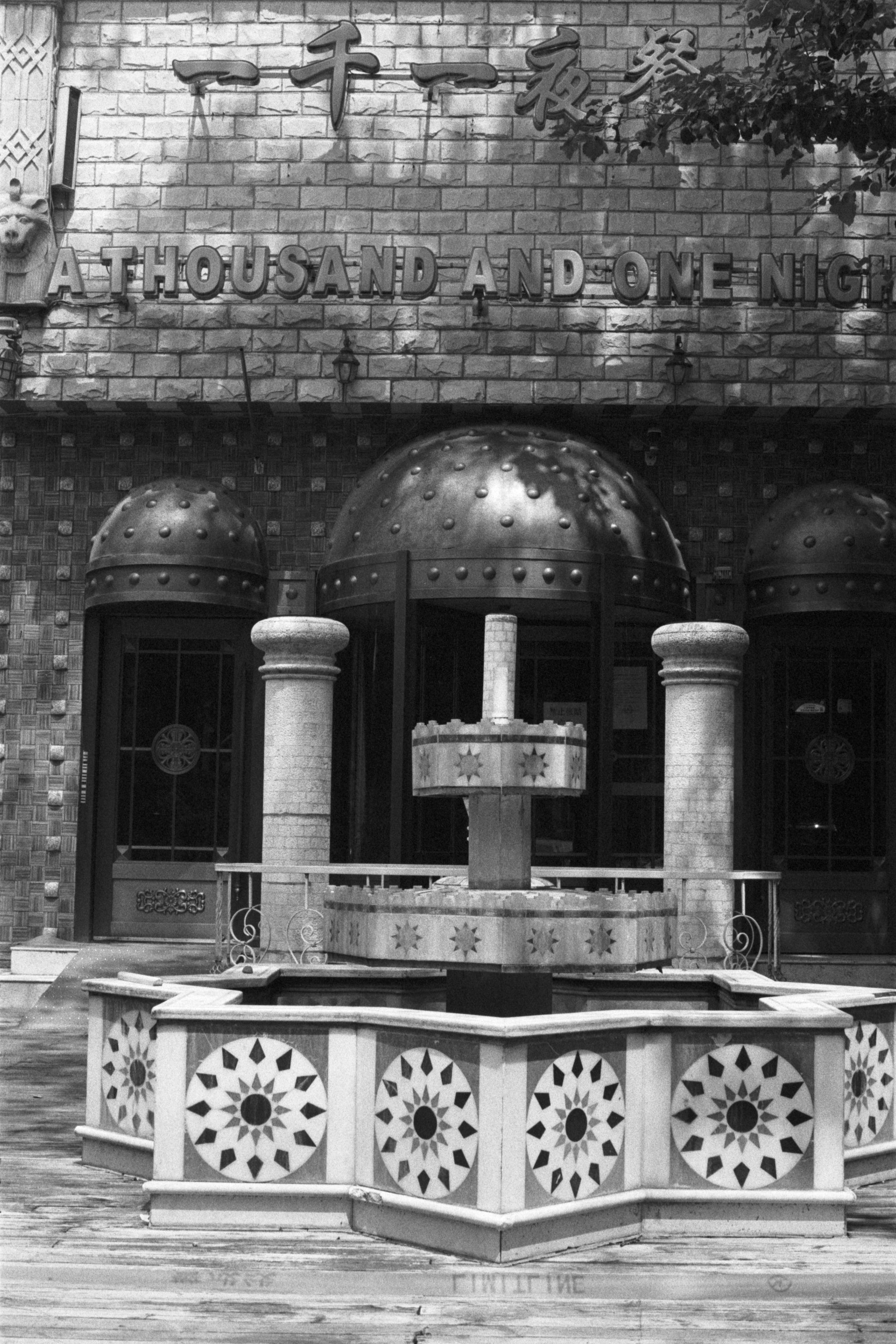
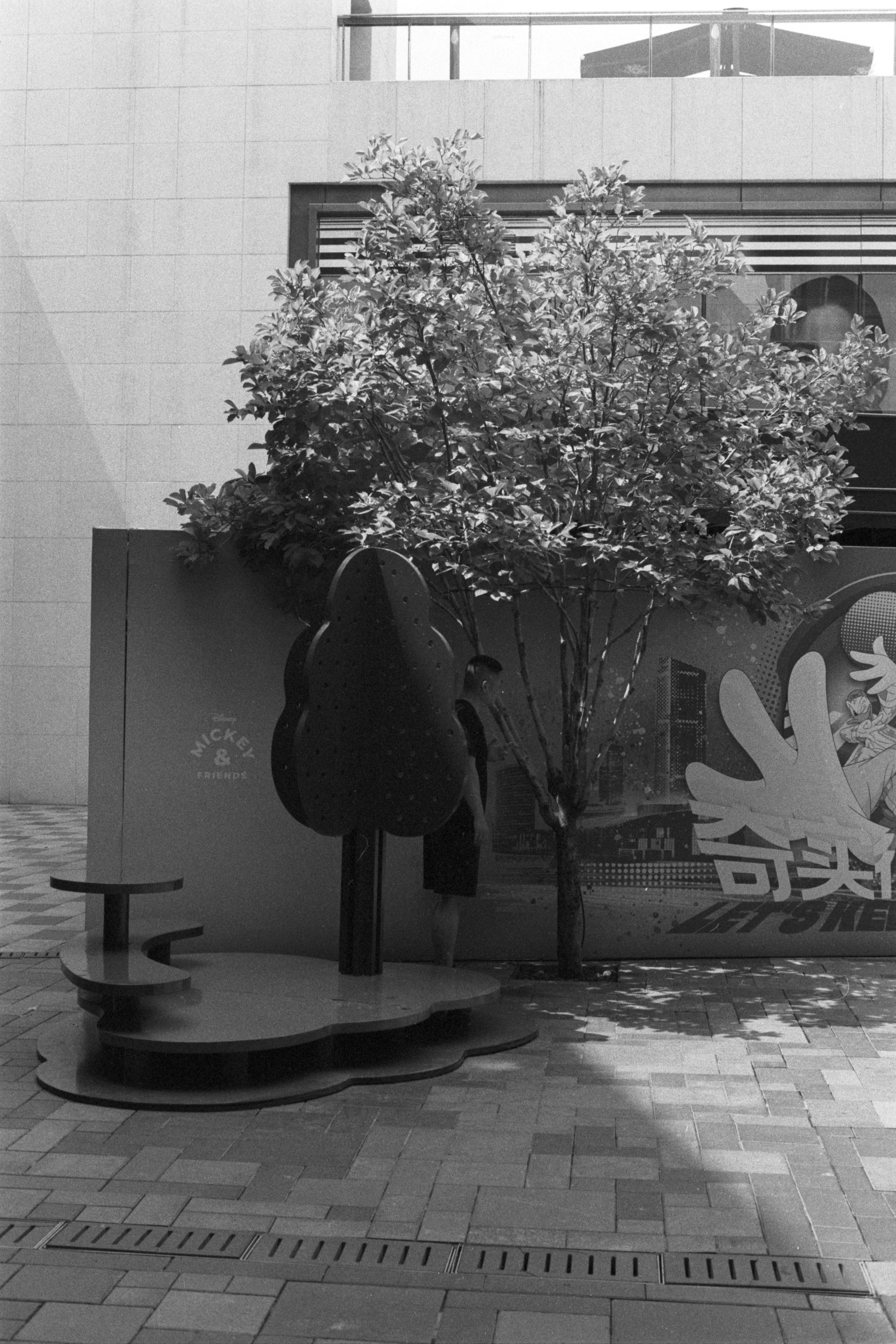
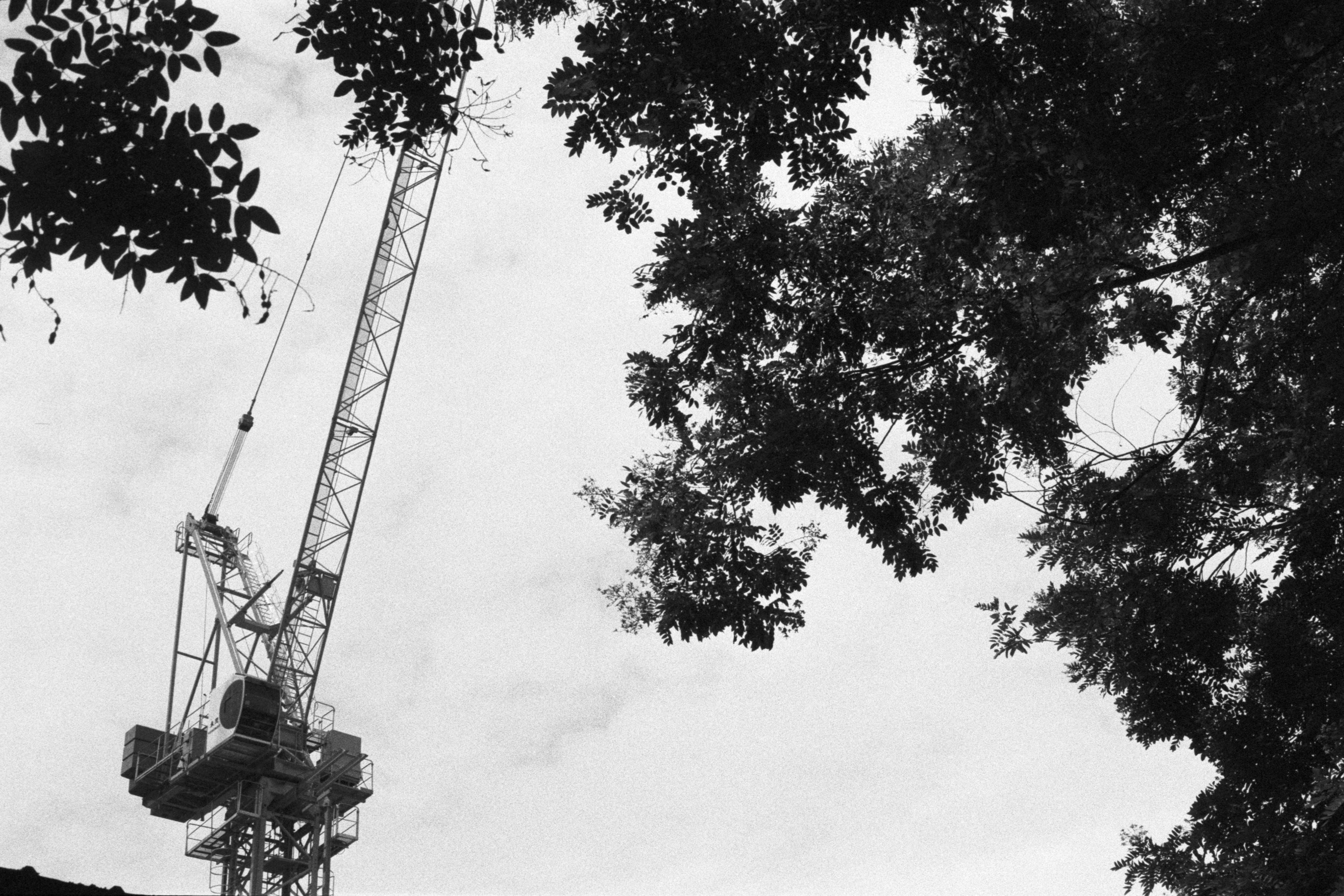
@leftsidestory@mstdn.socialMoody Urbanity - Urban Geometry 📐
情绪化城市 - 都市几何 📐
📷 Pentax MX
🎞️ Kentmere Pan 400
#filmphotography #Photography #blackandwhite

 @arXiv_physicsoptics_bot@mastoxiv.page
Roadmap: Emerging Platforms and Applications of Optical Frequency Combs and Dissipative Solitons
Dmitry Skryabin, Arne Kordts, Richard Zeltner, Ronald Holzwarth, Victor Torres-Company, Tobias Herr, Fuchuan Lei, Qi-Fan Yang, Camille-Sophie Br\`es, John F. Donegan, Hai-Zhong Weng, Delphine Marris-Morini, Adel Bousseksou, Markku Vainio, Thomas Bunel, Matteo Conforti, Arnaud Mussot, Erwan Lucas, Julien Fatome, Yuk Shan Cheng, Derryck T. Reid, Alessia Pasquazi, Marco Peccianti, M. Giudici, M. Marconi, A. Bartolo, N. Vigne, B. Chomet, A. Garnache, G. Beaudoin, I. Sagnes, Richard Burguete, Sarah Hammer, Jonathan Silver
https://arxiv.org/abs/2511.18231 https://arxiv.org/pdf/2511.18231 https://arxiv.org/html/2511.18231
arXiv:2511.18231v1 Announce Type: new
Abstract: The discovery of optical frequency combs (OFCs) has revolutionised science and technology by bridging electronics and photonics, driving major advances in precision measurements, atomic clocks, spectroscopy, telecommunications, and astronomy. However, current OFC systems still require further development to enable broader adoption in fields such as communication, aerospace, defence, and healthcare. There is a growing need for compact, portable OFCs that deliver high output power, robust self-referencing, and application-specific spectral coverage. On the conceptual side, progress toward such systems is hindered by an incomplete understanding of the fundamental principles governing OFC generation in emerging devices and materials, as well as evolving insights into the interplay between soliton and mode-locking effects. This roadmap presents the vision of a diverse group of academic and industry researchers and educators from Europe, along with their collaborators, on the current status and future directions of OFC science. It highlights a multidisciplinary approach that integrates novel physics, engineering innovation, and advanced researcher training. Topics include advances in soliton science as it relates to OFCs, the extension of OFC spectra into the visible and mid-infrared ranges, metrology applications and noise performance of integrated OFC sources, new fibre-based OFC modules, OFC lasers and OFC applications in astronomy.
toXiv_bot_toot
@arXiv_csLG_bot@mastoxiv.pageEasy Adaptation: An Efficient Task-Specific Knowledge Injection Method for Large Models in Resource-Constrained Environments
Dong Chen, Zhengqing Hu, Shixing Zhao, Yibo Guo
https://arxiv.org/abs/2512.17771 https://arxiv.org/pdf/2512.17771 https://arxiv.org/html/2512.17771
arXiv:2512.17771v1 Announce Type: new
Abstract: While the enormous parameter scale endows Large Models (LMs) with unparalleled performance, it also limits their adaptability across specific tasks. Parameter-Efficient Fine-Tuning (PEFT) has emerged as a critical approach for effectively adapting LMs to a diverse range of downstream tasks. However, existing PEFT methods face two primary challenges: (1) High resource cost. Although PEFT methods significantly reduce resource demands compared to full fine-tuning, it still requires substantial time and memory, making it impractical in resource-constrained environments. (2) Parameter dependency. PEFT methods heavily rely on updating a subset of parameters associated with LMs to incorporate task-specific knowledge. Yet, due to increasing competition in the LMs landscape, many companies have adopted closed-source policies for their leading models, offering access only via Application Programming Interface (APIs). Whereas, the expense is often cost-prohibitive and difficult to sustain, as the fine-tuning process of LMs is extremely slow. Even if small models perform far worse than LMs in general, they can achieve superior results on particular distributions while requiring only minimal resources. Motivated by this insight, we propose Easy Adaptation (EA), which designs Specific Small Models (SSMs) to complement the underfitted data distribution for LMs. Extensive experiments show that EA matches the performance of PEFT on diverse tasks without accessing LM parameters, and requires only minimal resources.
toXiv_bot_toot
@arXiv_physicsgenph_bot@mastoxiv.pageNon-Gravitational Acceleration in 3I ATLAS: Constraints on Exotic Volatile Outgassing in Interstellar Comets
Florian Neukart
https://arxiv.org/abs/2511.07450 https://arxiv.org/pdf/2511.07450 https://arxiv.org/html/2511.07450
arXiv:2511.07450v1 Announce Type: new
Abstract: The interstellar comet 3I/ATLAS exhibited a measurable nongravitational acceleration similar in form to that of 1I/'Oumuamua but of smaller magnitude. Using thermophysical and Monte Carlo models, we show that this acceleration can be fully explained by anisotropic outgassing of conventional volatiles, primarily CO and CO2, under realistic surface and rotational conditions. The model includes diurnal and obliquity-averaged energy balance, empirical vapor-pressure relations, and collimated jet emission from localized active regions. Mixed CO-CO2 compositions reproduce both the magnitude and direction of the observed acceleration with physically plausible active fractions below one percent for nucleus radii between 0.5 and 3 km. Less volatile species such as NH3 and CH4 underproduce thrust at equilibrium temperatures near 1 AU. These results eliminate the need for nonphysical or exotic explanations and define thermophysical limits for natural acceleration mechanisms in interstellar comets.
toXiv_bot_toot
@arXiv_mathOC_bot@mastoxiv.pageAn inexact semismooth Newton-Krylov method for semilinear elliptic optimal control problem
Shiqi Chen, Xuesong Chen
https://arxiv.org/abs/2511.10058 https://arxiv.org/pdf/2511.10058 https://arxiv.org/html/2511.10058
arXiv:2511.10058v1 Announce Type: new
Abstract: An inexact semismooth Newton method has been proposed for solving semi-linear elliptic optimal control problems in this paper. This method incorporates the generalized minimal residual (GMRES) method, a type of Krylov subspace method, to solve the Newton equations and utilizes nonmonotonic line search to adjust the iteration step size. The original problem is reformulated into a nonlinear equation through variational inequality principles and discretized using a second-order finite difference scheme. By leveraging slanting differentiability, the algorithm constructs semismooth Newton directions and employs GMRES method to inexactly solve the Newton equations, significantly reducing computational overhead. A dynamic nonmonotonic line search strategy is introduced to adjust stepsizes adaptively, ensuring global convergence while overcoming local stagnation. Theoretical analysis demonstrates that the algorithm achieves superlinear convergence near optimal solutions when the residual control parameter $\eta_k$ approaches to 0. Numerical experiments validate the method's accuracy and efficiency in solving semilinear elliptic optimal control problems, corroborating theoretical insights.
toXiv_bot_toot
@arXiv_csLG_bot@mastoxiv.pageExploiting ID-Text Complementarity via Ensembling for Sequential Recommendation
Liam Collins, Bhuvesh Kumar, Clark Mingxuan Ju, Tong Zhao, Donald Loveland, Leonardo Neves, Neil Shah
https://arxiv.org/abs/2512.17820 https://arxiv.org/pdf/2512.17820 https://arxiv.org/html/2512.17820
arXiv:2512.17820v1 Announce Type: new
Abstract: Modern Sequential Recommendation (SR) models commonly utilize modality features to represent items, motivated in large part by recent advancements in language and vision modeling. To do so, several works completely replace ID embeddings with modality embeddings, claiming that modality embeddings render ID embeddings unnecessary because they can match or even exceed ID embedding performance. On the other hand, many works jointly utilize ID and modality features, but posit that complex fusion strategies, such as multi-stage training and/or intricate alignment architectures, are necessary for this joint utilization. However, underlying both these lines of work is a lack of understanding of the complementarity of ID and modality features. In this work, we address this gap by studying the complementarity of ID- and text-based SR models. We show that these models do learn complementary signals, meaning that either should provide performance gain when used properly alongside the other. Motivated by this, we propose a new SR method that preserves ID-text complementarity through independent model training, then harnesses it through a simple ensembling strategy. Despite this method's simplicity, we show it outperforms several competitive SR baselines, implying that both ID and text features are necessary to achieve state-of-the-art SR performance but complex fusion architectures are not.
toXiv_bot_toot
@arXiv_mathOC_bot@mastoxiv.pageThe Age-Structured Chemostat with Substrate Dynamics as a Control System
Iasson Karafyllis, Dionysis Theodosis, Miroslav Krstic
https://arxiv.org/abs/2511.09963 https://arxiv.org/pdf/2511.09963 https://arxiv.org/html/2511.09963
arXiv:2511.09963v1 Announce Type: new
Abstract: In this work we study an age-structured chemostat model with a renewal boundary condition and a coupled substrate equation. The model is nonlinear and consists of a hyperbolic partial differential equation and an ordinary differential equation with nonlinear, nonlocal terms appearing both in the ordinary differential equation and the boundary condition. Both differential equations contain a non-negative control input, while the states of the model are required to be positive. Under an appropriate weak solution framework, we determine the state space and the input space for this model. We prove global existence and uniqueness of solutions for all admissible initial conditions and all allowable control inputs. To this purpose we employ a combination of Banach's fixed-point theorem with implicit solution formulas and useful solution estimates. Finally, we show that the age-structured chemostat model gives a well-defined control system on a metric space.
toXiv_bot_toot
@arXiv_mathOC_bot@mastoxiv.pageVerification of Sequential Convex Programming for Parametric Non-convex Optimization
Rajiv Sambharya, Nikolai Matni, George Pappas
https://arxiv.org/abs/2511.10622 https://arxiv.org/pdf/2511.10622 https://arxiv.org/html/2511.10622
arXiv:2511.10622v1 Announce Type: new
Abstract: We introduce a verification framework to exactly verify the worst-case performance of sequential convex programming (SCP) algorithms for parametric non-convex optimization. The verification problem is formulated as an optimization problem that maximizes a performance metric (e.g., the suboptimality after a given number of iterations) over parameters constrained to be in a parameter set and iterate sequences consistent with the SCP update rules. Our framework is general, extending the notion of SCP to include both conventional variants such as trust-region, convex-concave, and prox-linear methods, and algorithms that combine convex subproblems with rounding steps, as in relaxing and rounding schemes. Unlike existing analyses that may only provide local guarantees under limited conditions, our framework delivers global worst-case guarantees--quantifying how well an SCP algorithm performs across all problem instances in the specified family. Applications in control, signal processing, and operations research demonstrate that our framework provides, for the first time, global worst-case guarantees for SCP algorithms in the parametric setting.
toXiv_bot_toot
@arXiv_mathOC_bot@mastoxiv.pageGlobal Solutions to Non-Convex Functional Constrained Problems with Hidden Convexity
Ilyas Fatkhullin, Niao He, Guanghui Lan, Florian Wolf
https://arxiv.org/abs/2511.10626 https://arxiv.org/pdf/2511.10626 https://arxiv.org/html/2511.10626
arXiv:2511.10626v1 Announce Type: new
Abstract: Constrained non-convex optimization is fundamentally challenging, as global solutions are generally intractable and constraint qualifications may not hold. However, in many applications, including safe policy optimization in control and reinforcement learning, such problems possess hidden convexity, meaning they can be reformulated as convex programs via a nonlinear invertible transformation. Typically such transformations are implicit or unknown, making the direct link with the convex program impossible. On the other hand, (sub-)gradients with respect to the original variables are often accessible or can be easily estimated, which motivates algorithms that operate directly in the original (non-convex) problem space using standard (sub-)gradient oracles. In this work, we develop the first algorithms to provably solve such non-convex problems to global minima. First, using a modified inexact proximal point method, we establish global last-iterate convergence guarantees with $\widetilde{\mathcal{O}}(\varepsilon^{-3})$ oracle complexity in non-smooth setting. For smooth problems, we propose a new bundle-level type method based on linearly constrained quadratic subproblems, improving the oracle complexity to $\widetilde{\mathcal{O}}(\varepsilon^{-1})$. Surprisingly, despite non-convexity, our methodology does not require any constraint qualifications, can handle hidden convex equality constraints, and achieves complexities matching those for solving unconstrained hidden convex optimization.
toXiv_bot_toot
@arXiv_mathOC_bot@mastoxiv.pageBenders Decomposition for Passenger-Oriented Train Timetabling with Hybrid Periodicity
Zhiyuan Yao, Anita Sch\"obel, Lei Nie, Sven J\"ager
https://arxiv.org/abs/2511.09892 https://arxiv.org/pdf/2511.09892 https://arxiv.org/html/2511.09892
arXiv:2511.09892v1 Announce Type: new
Abstract: Periodic timetables are widely adopted in passenger railway operations due to their regular service patterns and well-coordinated train connections. However, fluctuations in passenger demand require varying train services across different periods, necessitating adjustments to the periodic timetable. This study addresses a hybrid periodic train timetabling problem, which enhances the flexibility and demand responsiveness of a given periodic timetable through schedule adjustments and aperiodic train insertions, taking into account the rolling stock circulation. Since timetable modifications may affect initial passenger routes, passenger routing is incorporated into the problem to guide planning decisions towards a passenger-oriented objective. Using a time-space network representation, the problem is formulated as a dynamic railway service network design model with resource constraints. To handle the complexity of real-world instances, we propose a decomposition-based algorithm integrating Benders decomposition and column generation, enhanced with multiple preprocessing and accelerating techniques. Numerical experiments demonstrate the effectiveness of the algorithm and highlight the advantage of hybrid periodic timetables in reducing passenger travel costs.
toXiv_bot_toot
@arXiv_mathOC_bot@mastoxiv.pageS-D-RSM: Stochastic Distributed Regularized Splitting Method for Large-Scale Convex Optimization Problems
Maoran Wang, Xingju Cai, Yongxin Chen
https://arxiv.org/abs/2511.10133 https://arxiv.org/pdf/2511.10133 https://arxiv.org/html/2511.10133
arXiv:2511.10133v1 Announce Type: new
Abstract: This paper investigates the problems large-scale distributed composite convex optimization, with motivations from a broad range of applications, including multi-agent systems, federated learning, smart grids, wireless sensor networks, compressed sensing, and so on. Stochastic gradient descent (SGD) and its variants are commonly employed to solve such problems. However, existing algorithms often rely on vanishing step sizes, strong convexity assumptions, or entail substantial computational overhead to ensure convergence or obtain favorable complexity. To bridge the gap between theory and practice, we integrate consensus optimization and operator splitting techniques (see Problem Reformulation) to develop a novel stochastic splitting algorithm, termed the \emph{stochastic distributed regularized splitting method} (S-D-RSM). In practice, S-D-RSM performs parallel updates of proximal mappings and gradient information for only a randomly selected subset of agents at each iteration. By introducing regularization terms, it effectively mitigates consensus discrepancies among distributed nodes. In contrast to conventional stochastic methods, our theoretical analysis establishes that S-D-RSM achieves global convergence without requiring diminishing step sizes or strong convexity assumptions. Furthermore, it achieves an iteration complexity of $\mathcal{O}(1/\epsilon)$ with respect to both the objective function value and the consensus error. Numerical experiments show that S-D-RSM achieves up to 2--3$\times$ speedup compared to state-of-the-art baselines, while maintaining comparable or better accuracy. These results not only validate the algorithm's theoretical guarantees but also demonstrate its effectiveness in practical tasks such as compressed sensing and empirical risk minimization.
toXiv_bot_toot
@arXiv_mathOC_bot@mastoxiv.pageLow-Discrepancy Set Post-Processing via Gradient Descent
Fran\c{c}ois Cl\'ement, Linhang Huang, Woorim Lee, Cole Smidt, Braeden Sodt, Xuan Zhang
https://arxiv.org/abs/2511.10496 https://arxiv.org/pdf/2511.10496 https://arxiv.org/html/2511.10496
arXiv:2511.10496v1 Announce Type: new
Abstract: The construction of low-discrepancy sets, used for uniform sampling and numerical integration, has recently seen great improvements based on optimization and machine learning techniques. However, these methods are computationally expensive, often requiring days of computation or access to GPU clusters. We show that simple gradient descent-based techniques allow for comparable results when starting with a reasonably uniform point set. Not only is this method much more efficient and accessible, but it can be applied as post-processing to any low-discrepancy set generation method for a variety of standard discrepancy measures.
toXiv_bot_toot
@arXiv_mathOC_bot@mastoxiv.pageGlobal Convergence of Four-Layer Matrix Factorization under Random Initialization
Minrui Luo, Weihang Xu, Xiang Gao, Maryam Fazel, Simon Shaolei Du
https://arxiv.org/abs/2511.09925 https://arxiv.org/pdf/2511.09925 https://arxiv.org/html/2511.09925
arXiv:2511.09925v1 Announce Type: new
Abstract: Gradient descent dynamics on the deep matrix factorization problem is extensively studied as a simplified theoretical model for deep neural networks. Although the convergence theory for two-layer matrix factorization is well-established, no global convergence guarantee for general deep matrix factorization under random initialization has been established to date. To address this gap, we provide a polynomial-time global convergence guarantee for randomly initialized gradient descent on four-layer matrix factorization, given certain conditions on the target matrix and a standard balanced regularization term. Our analysis employs new techniques to show saddle-avoidance properties of gradient decent dynamics, and extends previous theories to characterize the change in eigenvalues of layer weights.
toXiv_bot_toot
@arXiv_mathOC_bot@mastoxiv.pagedHPR: A Distributed Halpern Peaceman--Rachford Method for Non-smooth Distributed Optimization Problems
Zhangcheng Feng, Defeng Sun, Yancheng Yuan, Guojun Zhang
https://arxiv.org/abs/2511.10069 https://arxiv.org/pdf/2511.10069 https://arxiv.org/html/2511.10069
arXiv:2511.10069v1 Announce Type: new
Abstract: This paper introduces the distributed Halpern Peaceman--Rachford (dHPR) method, an efficient algorithm for solving distributed convex composite optimization problems with non-smooth objectives, which achieves a non-ergodic $O(1/k)$ iteration complexity regarding Karush--Kuhn--Tucker residual. By leveraging the symmetric Gauss--Seidel decomposition, the dHPR effectively decouples the linear operators in the objective functions and consensus constraints while maintaining parallelizability and avoiding additional large proximal terms, leading to a decentralized implementation with provably fast convergence. The superior performance of dHPR is demonstrated through comprehensive numerical experiments on distributed LASSO, group LASSO, and $L_1$-regularized logistic regression problems.
toXiv_bot_toot
@arXiv_mathOC_bot@mastoxiv.page(Adaptive) Scaled gradient methods beyond locally Holder smoothness: Lyapunov analysis, convergence rate and complexity
Susan Ghaderi, Morteza Rahimi, Yves Moreau, Masoud Ahookhosh
https://arxiv.org/abs/2511.10425 https://arxiv.org/pdf/2511.10425 https://arxiv.org/html/2511.10425
arXiv:2511.10425v1 Announce Type: new
Abstract: This paper addresses the unconstrained minimization of smooth convex functions whose gradients are locally Holder continuous. Building on these results, we analyze the Scaled Gradient Algorithm (SGA) under local smoothness assumptions, proving its global convergence and iteration complexity. Furthermore, under local strong convexity and the Kurdyka-Lojasiewicz (KL) inequality, we establish linear convergence rates and provide explicit complexity bounds. In particular, we show that when the gradient is locally Lipschitz continuous, SGA attains linear convergence for any KL exponent. We then introduce and analyze an adaptive variant of SGA (AdaSGA), which automatically adjusts the scaling and step-size parameters. For this method, we show global convergence, and derive local linear rates under strong convexity.
toXiv_bot_toot
@arXiv_mathOC_bot@mastoxiv.pageMinimizing smooth Kurdyka-{\L}ojasiewicz functions via generalized descent methods: Convergence rate and complexity
Masoud Ahookhosh, Susan Ghaderi, Alireza Kabgani, Morteza Rahimi
https://arxiv.org/abs/2511.10414 https://arxiv.org/pdf/2511.10414 https://arxiv.org/html/2511.10414
arXiv:2511.10414v1 Announce Type: new
Abstract: This paper addresses the generalized descent algorithm (DEAL) for minimizing smooth functions, which is analyzed under the Kurdyka-{\L}ojasiewicz (KL) inequality. In particular, the suggested algorithm guarantees a sufficient decrease by adapting to the cost function's geometry. We leverage the KL property to establish the global convergence, convergence rates, and complexity. A particular focus is placed on the linear convergence of generalized descent methods. We show that the constant step-size and Armijo line search strategies along a generalized descent direction satisfy our generalized descent condition. Additionally, for nonsmooth functions by leveraging the smoothing techniques such as forward-backward and high-order Moreau envelopes, we show that the boosted proximal gradient method (BPGA) and the boosted high-order proximal-point (BPPA) methods are also specific cases of DEAL, respectively. It is notable that if the order of the high-order proximal term is chosen in a certain way (depending on the KL exponent), then the sequence generated by BPPA converges linearly for an arbitrary KL exponent. Our preliminary numerical experiments on inverse problems and LASSO demonstrate the efficiency of the proposed methods, validating our theoretical findings.
toXiv_bot_toot
@arXiv_mathOC_bot@mastoxiv.pageRiccati-ZORO: An efficient algorithm for heuristic online optimization of internal feedback laws in robust and stochastic model predictive control
Florian Messerer, Yunfan Gao, Jonathan Frey, Moritz Diehl
https://arxiv.org/abs/2511.10473 https://arxiv.org/pdf/2511.10473 https://arxiv.org/html/2511.10473
arXiv:2511.10473v1 Announce Type: new
Abstract: We present Riccati-ZORO, an algorithm for tube-based optimal control problems (OCP). Tube OCPs predict a tube of trajectories in order to capture predictive uncertainty. The tube induces a constraint tightening via additional backoff terms. This backoff can significantly affect the performance, and thus implicitly defines a cost of uncertainty. Optimizing the feedback law used to predict the tube can significantly reduce the backoffs, but its online computation is challenging.
Riccati-ZORO jointly optimizes the nominal trajectory and uncertainty tube based on a heuristic uncertainty cost design. The algorithm alternates between two subproblems: (i) a nominal OCP with fixed backoffs, (ii) an unconstrained tube OCP, which optimizes the feedback gains for a fixed nominal trajectory. For the tube optimization, we propose a cost function informed by the proximity of the nominal trajectory to constraints, prioritizing reduction of the corresponding backoffs. These ideas are developed in detail for ellipsoidal tubes under linear state feedback. In this case, the decomposition into the two subproblems yields a substantial reduction of the computational complexity with respect to the state dimension from $\mathcal{O}(n_x^6)$ to $\mathcal{O}(n_x^3)$, i.e., the complexity of a nominal OCP.
We investigate the algorithm in numerical experiments, and provide two open-source implementations: a prototyping version in CasADi and a high-performance implementation integrated into the acados OCP solver.
toXiv_bot_toot